Château Fortia: Avignon Guide to Visit This Estate
Château Fortia is a Châteauneuf-du-Pape estate near Avignon with published wine-tourism activities. Here is what to expect and how to plan the trip.
On this page
Château Fortia sits in the middle of Châteauneuf-du-Pape, the southern Rhône village that gives its name to one of France's most recognized appellations. For travelers based in Avignon, it works best as a single anchor stop in a half-day loop through the village rather than a destination in itself. This guide covers what the estate publishes about visiting, the wines you will meet, and how to arrive without a car.
One practical rule frames everything below: the estate advertises wine-tourism activities on its own site but does not publish tasting menus, durations or prices there in a form a traveler can plan around. Treat what follows as a framework for asking the right questions, not a fixed itinerary.
Why Château Fortia: A 32-Hectare Estate in the Heart of the Appellation
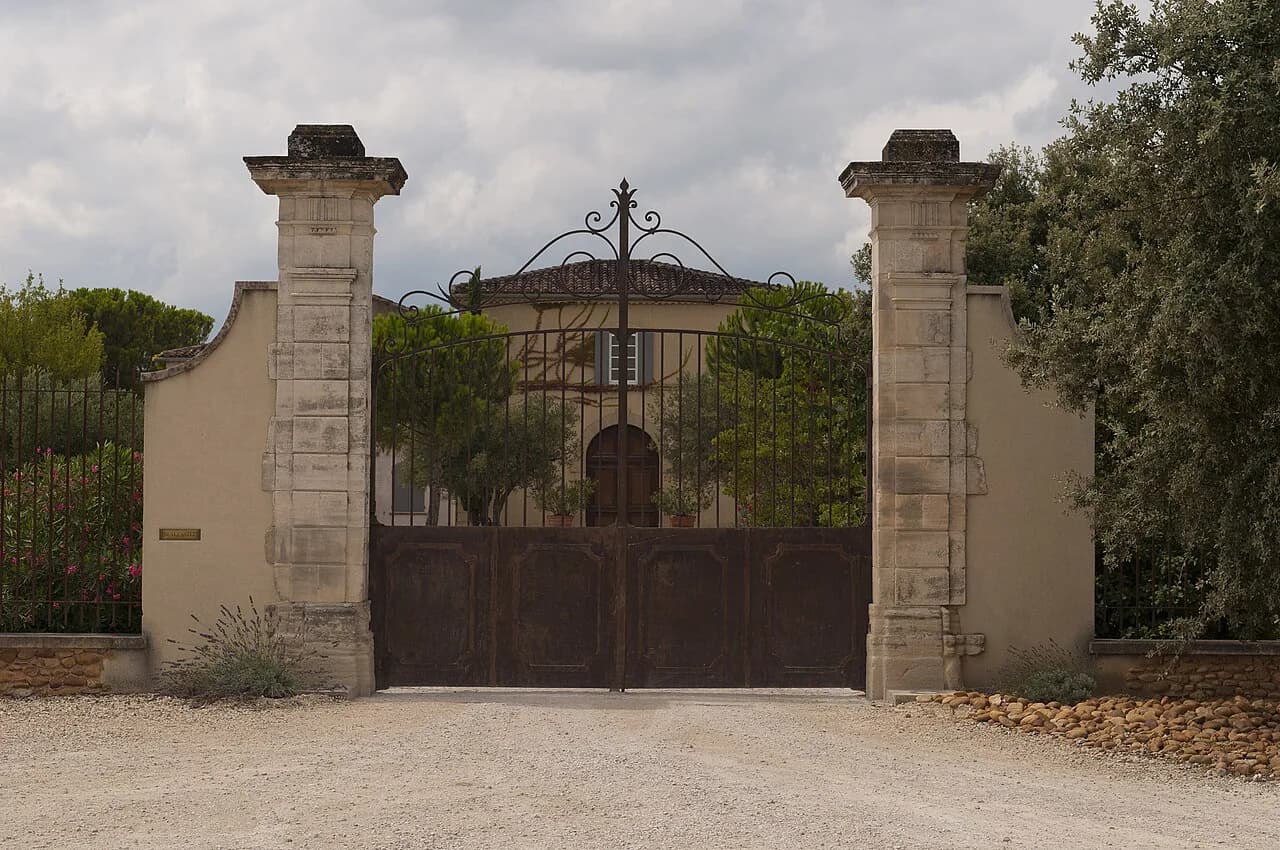
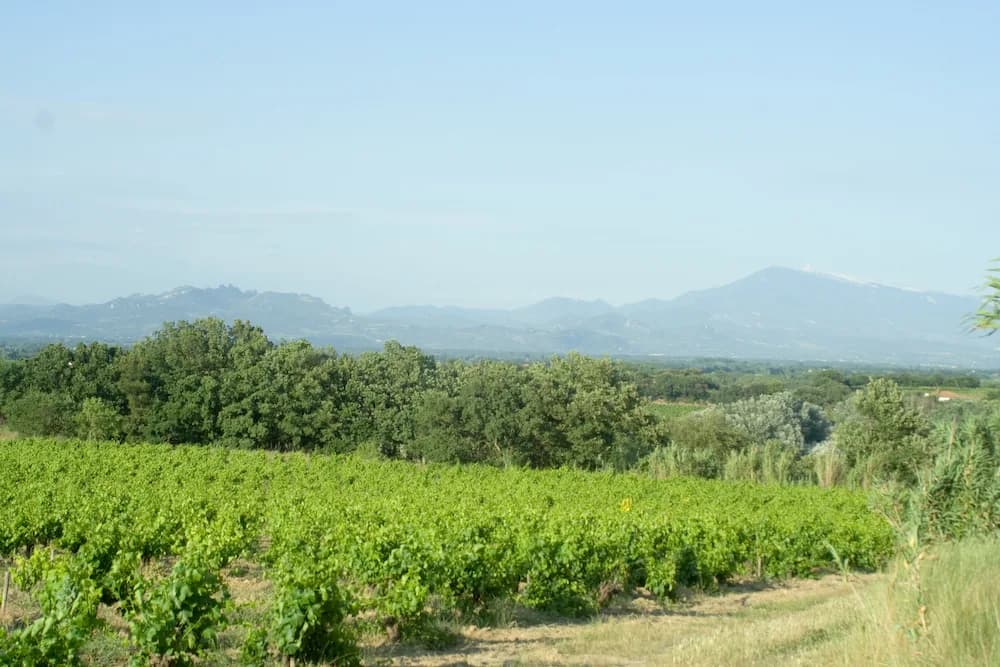
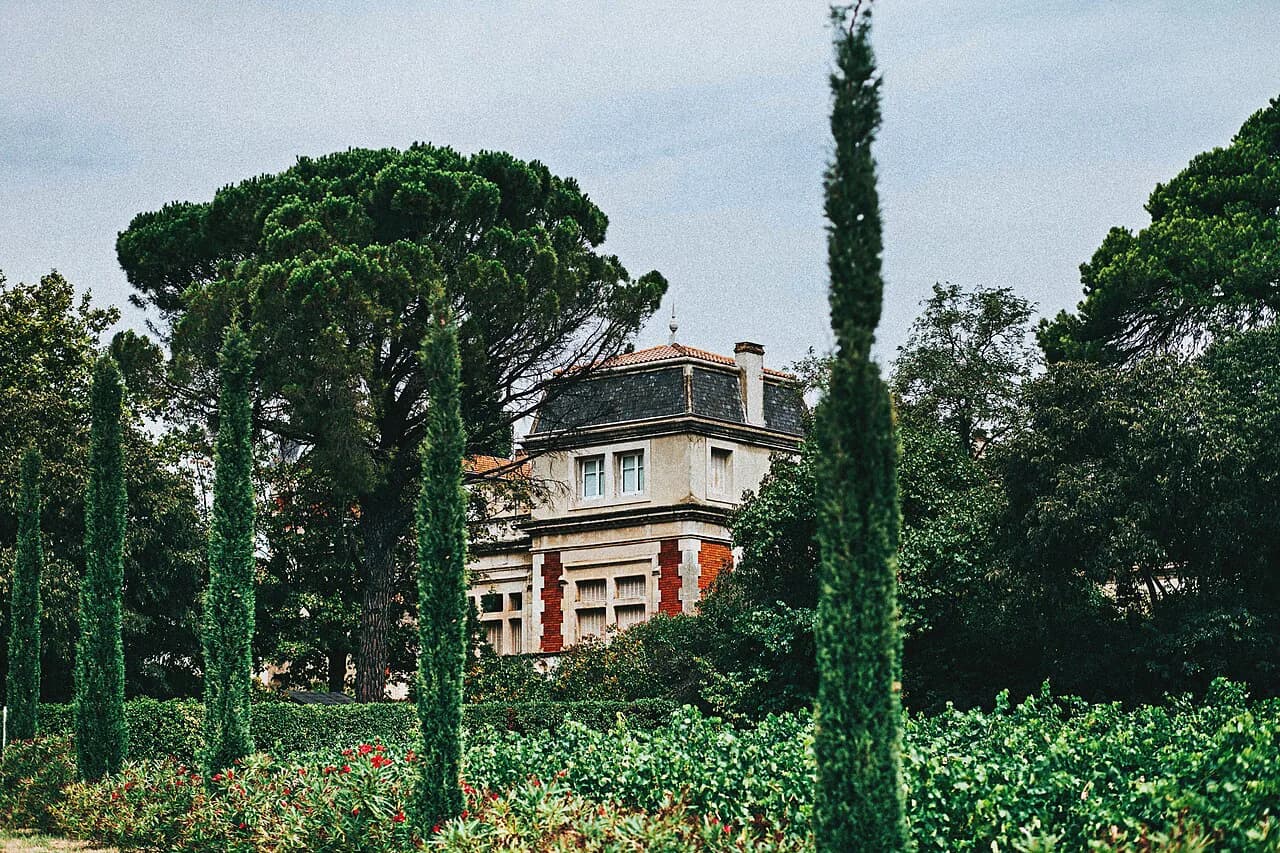
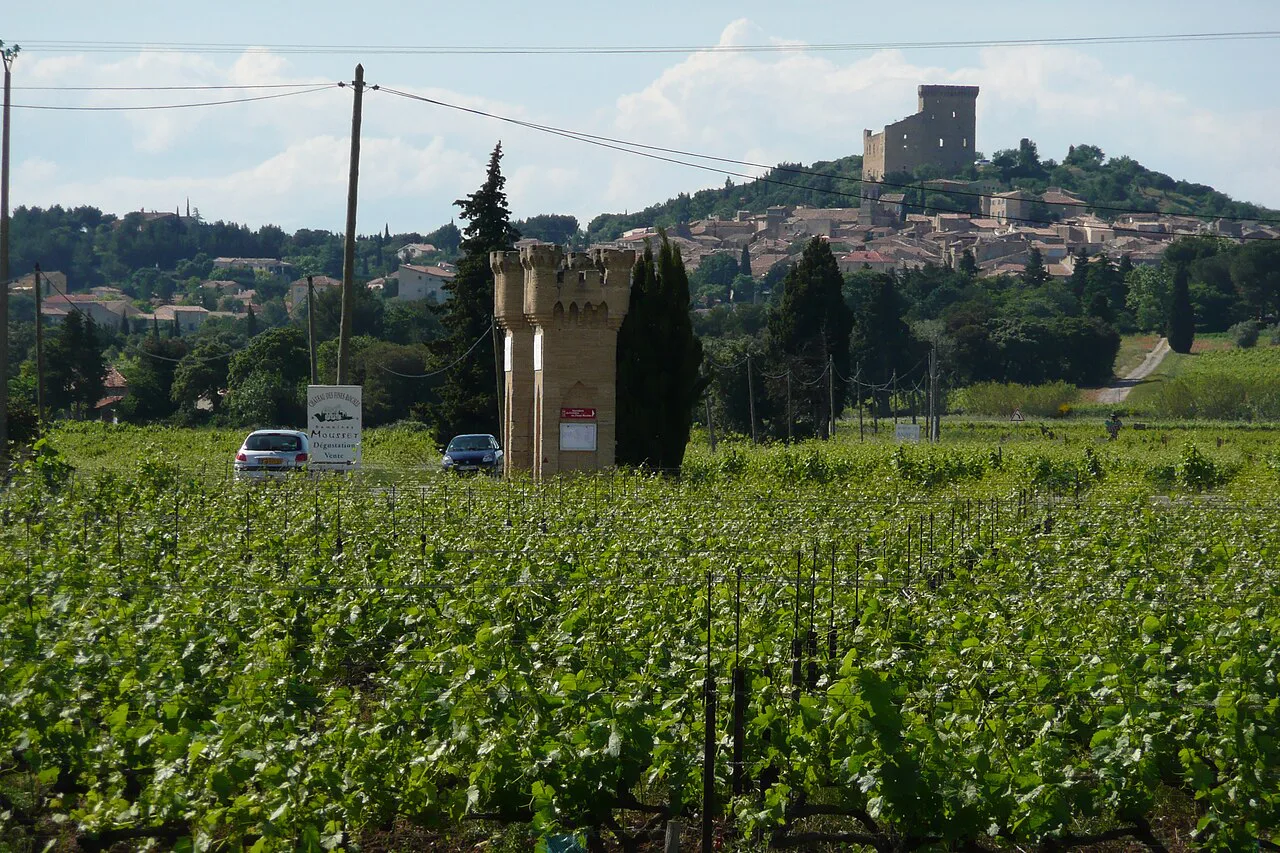
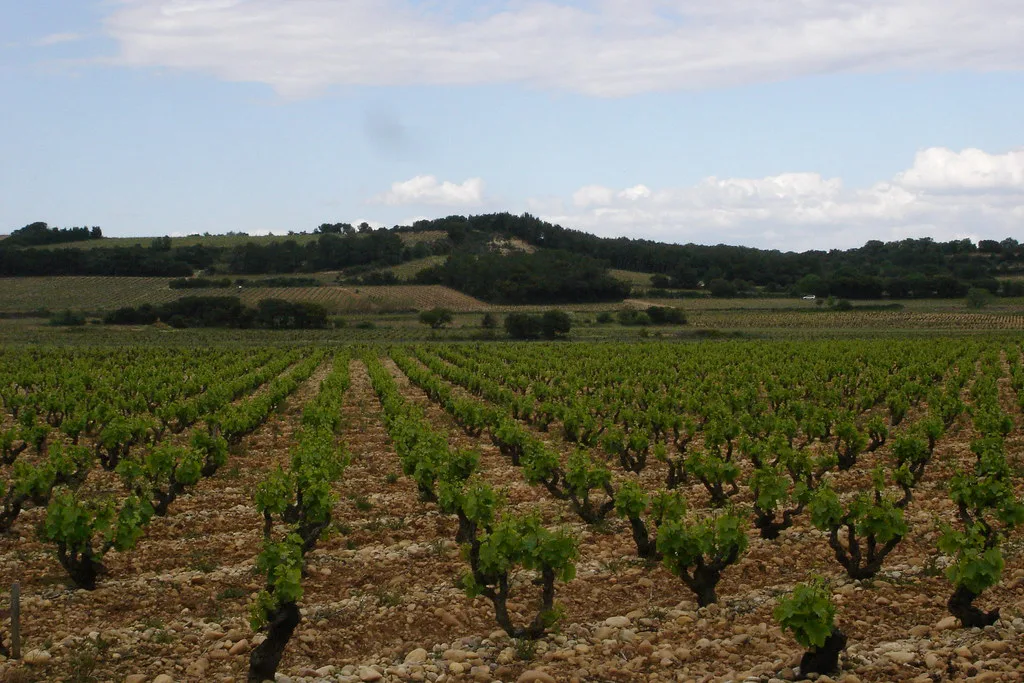
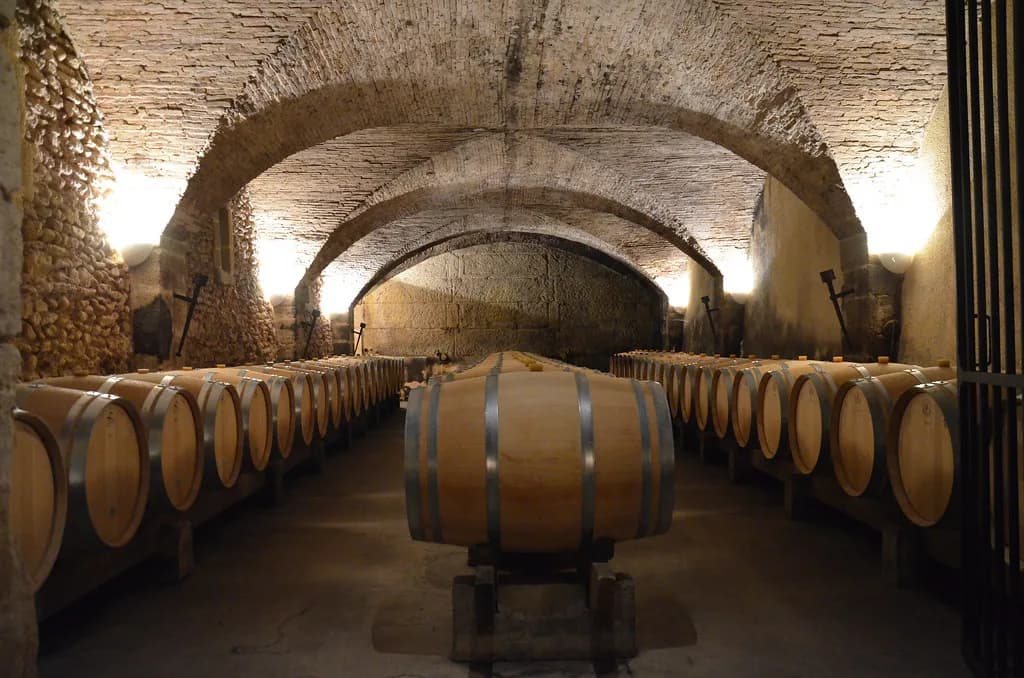
Château Fortia describes itself as a 32-hectare vineyard surrounding the estate buildings, positioned within the Châteauneuf-du-Pape appellation. That scale matters for visitors: this is a working domaine with its own cellars, not a showroom, and everything poured comes from grapes grown on the property.
The property's documented history runs back centuries, and its own account traces the estate to the 17th century. That lineage places it among the older continuously operated estates in the village, which is part of why it appears on so many Rhône itineraries.
For planning purposes, the draw is the combination of a central village location and a self-contained estate: you can see vines, cellars and the bottle range in one stop. If you want breadth across the appellation instead, our guide to Châteauneuf-du-Pape wineries maps the alternatives.
Where It Sits: The Village, the Rhône and the ViaRhôna
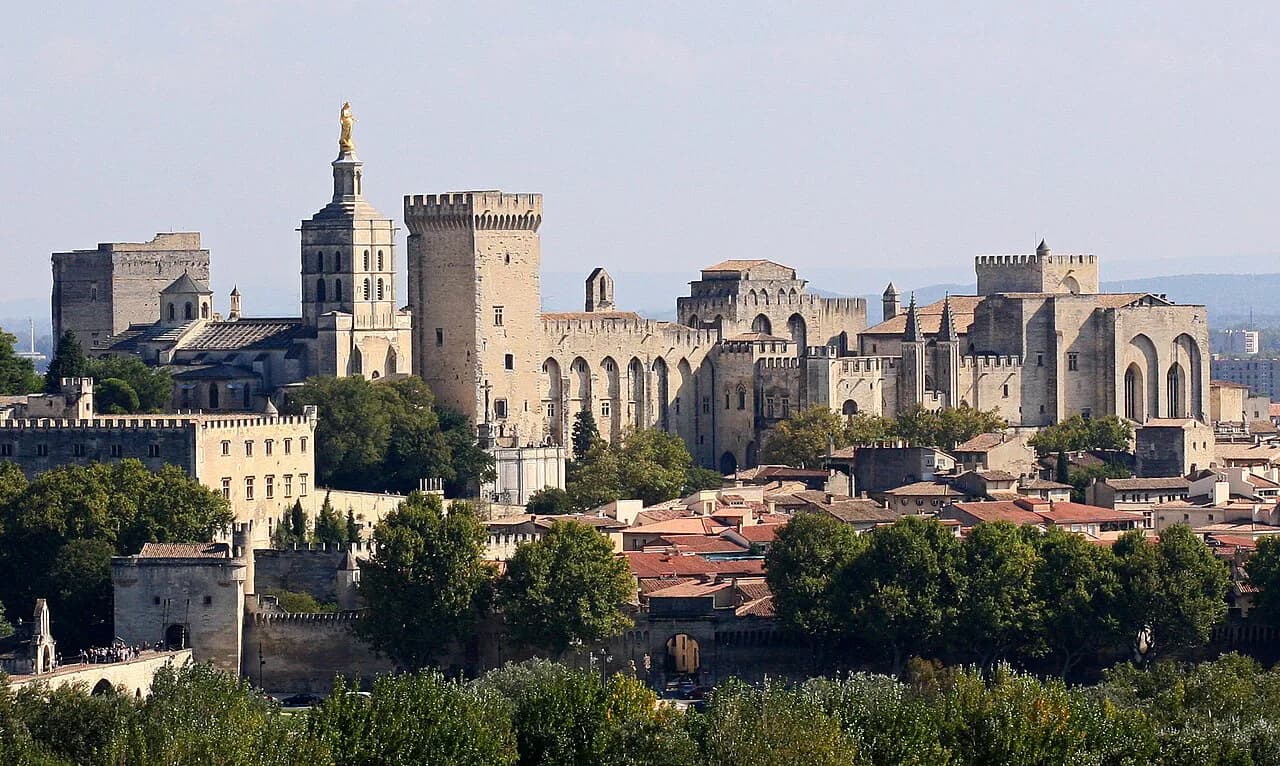
Châteauneuf-du-Pape village lies north of Avignon on the left bank of the Rhône, with the estate inside the appellation boundary rather than out among the far-flung parcels. The practical consequence is that a visit combines naturally with the village itself: the ruined papal castle, the cluster of tasting rooms and the surrounding flat vineyard plain.
Cyclists have a specific advantage here. The estate notes on its blog that it sits within 500 meters of the ViaRhôna, the long-distance Rhône cycle route, and has signed up to the Accueil Vélo welcome scheme for cycling visitors. That makes it one of the easier Châteauneuf addresses to reach on two wheels from Avignon.
Châteauneuf-du-Pape in Brief: Grapes and Styles
Châteauneuf-du-Pape is a southern Rhône appellation built on blending. Grenache usually forms the backbone of the reds, supported by other permitted varieties, while whites are typically a mix led by Grenache blanc and Roussanne. Knowing this helps you read a tasting list: expect reds with structure and warmth, and a smaller white production.
The estate's own material confirms both sides of that split. Its harvest notes record picking starting with the white varieties, Roussanne and Grenache blanc, and the range includes a white Châteauneuf-du-Pape alongside the reds. Ask specifically whether the white is open for tasting, since white production in the appellation is small.
Fortified and late-harvest styles exist in the wider region, but they are not part of the range this estate publishes, so do not build a visit around finding them here. Focus instead on comparing the estate's red cuvées side by side, which is where the appellation's blending logic becomes legible.
What Château Fortia Publishes for Wine Tourism
The estate maintains a dedicated wine-tourism section and states that its team welcomes visitors to discover the property's passion for wine and vines through its activities. What the site does not publish in accessible detail is the format: number of wines poured, whether a cellar tour is included, how long a visit lasts, or what it costs.
That means your enquiry should carry the specifics. When you write, ask for the visit formats offered, the number of wines in each, whether the cellar is included, the duration, the price per person, the minimum and maximum group size, and which languages guides can work in. A single message with all of these saves a week of back-and-forth.
The French-language version of the site carries the same structure and is worth checking if you read French, since translated pages sometimes lag behind the original on activity listings. Use whichever version loads the most current activity information at the time you book.
The Wines You'll Likely Encounter
The estate publishes a defined range: Edmée Le Roy, Tradition, Cuvée du Baron, Réserve and Secret des Terres among the reds, plus the white Secret du Temps. Recognizing these names before you arrive lets you steer a tasting toward the style you prefer rather than working through the list blind.
Secret du Temps is the estate's white Châteauneuf-du-Pape, and its launch was announced on the estate's own blog, so it is the newest addition to the lineup rather than a long-established label. If white Rhône wines interest you, name it in your booking enquiry to check availability.
Do not expect vintages, scores or prices to be fixed in advance: these change with each release and are best confirmed at the point of booking or on the estate's shop pages. What stays stable is the tiering, with a house-level wine and several named cuvées above it.
Booking Château Fortia: Appointment Culture and What to Confirm
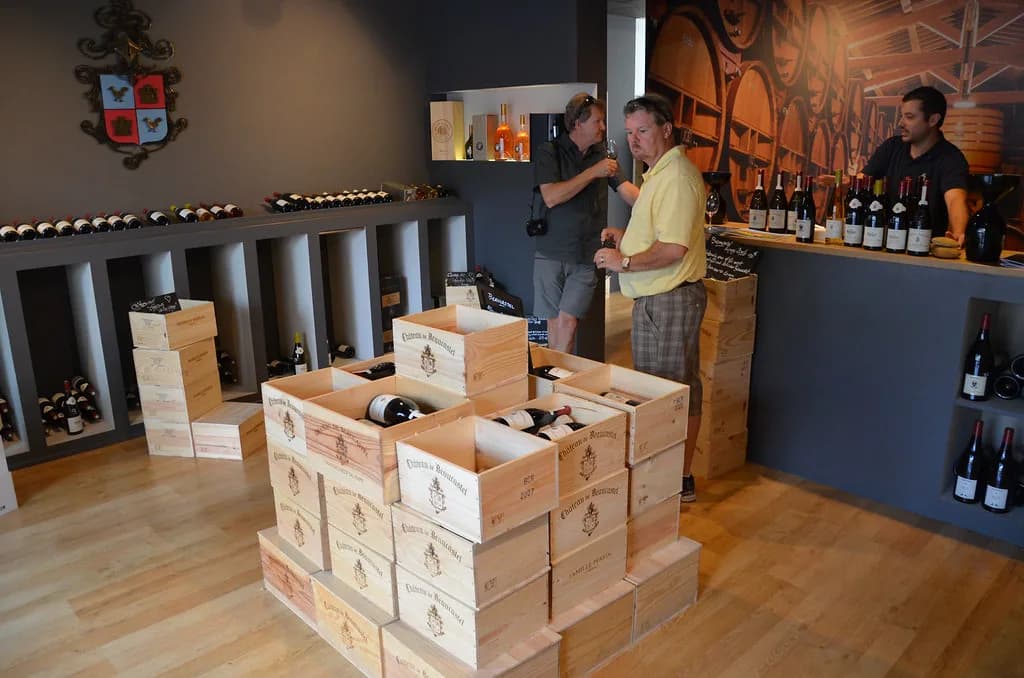
Appointment culture governs most visits in Châteauneuf-du-Pape, and it is safest to assume you need to arrange a time before turning up, particularly outside the busiest tourist weeks. The estate directs visitors to its contact page rather than publishing a booking calendar, so an email or phone call through those details is the route in.
In your message, state your date, preferred time window, party size, whether you are arriving by bike or car, and any language needs. If you are a group of six or more, say so explicitly, because group handling often differs from individual visits at estates of this size.
Expect a reply that confirms the format and the price before you commit, and ask for written confirmation of the meeting point on the estate. That last detail matters in a village where estate entrances are not always obvious from the road.
Getting There Without Driving
Avignon is the natural base, and the region has two rail anchors worth knowing: Avignon's stations and Sorgues-Châteauneuf-du-Pape, the small station serving the village side of the river. Neither puts you at the estate door, so plan the last leg separately, whether by taxi from the station or by bike.
Cycling is the most self-sufficient option, and the estate's position close to the ViaRhôna makes the flat riverside run from Avignon realistic for regular riders. The trade-off is that you cannot taste freely and ride, so designate a non-tasting rider or use the spittoons.
If you would rather not manage any of the logistics, a guided Rhône Valley day trip removes the transport question entirely and often strings together several estates in one afternoon. Our comparison of Avignon wine tours sets out how those days are structured against going independently.
Independent Visit Versus Guided Tour
Going independently gives you control over pace and lets you spend longer with the wines you like, but it puts the booking, transport and timing burden on you. A single-estate stop arranged yourself is the cheapest and most flexible shape for a visit centered on Château Fortia.
A guided tour costs more per head and moves on a schedule, but it solves the driving problem and usually adds appellation context you would otherwise have to assemble yourself. For a first trip to the southern Rhône with only one free day, that trade is often worth it.
A middle path works well: book the estate directly and use a taxi or bike for the last leg, then spend the rest of the day on foot in the village. If you are weighing which city to base yourself in for Rhône wines, wine tasting in Lyon covers the northern Rhône day trips that pair with this southern half. Our Avignon wine tasting overview shows how the surrounding appellations fit into that kind of day.
Pairing the Visit with the Rest of the Appellation
Châteauneuf-du-Pape rewards a half-day rather than a quick stop, because the village concentrates several tasting rooms within walking distance of each other. Build the day around Château Fortia as the booked appointment, then fill the remaining hours with walk-in options in the village center.
If you want a second booked estate to compare against, Château de Beaucastel is the other name most travelers ask about, and it operates on its own booking terms. Reading up on the château de Beaucastel visit in advance helps you judge whether two appointments in one day is realistic.
Travelers with a car or a tour can push further into the surrounding appellations, but keep the day to two estates maximum. Tasting well requires attention, and a rushed third stop usually blurs the comparison you came for.
Seasonal Timing: Harvest and Estate Events
Harvest reshapes the working estate. The property's own posts record picking beginning with the white varieties on 22 August in 2022, which means late summer visits can coincide with active cellar work and reduced visitor capacity. Book earlier in the summer if you want the calmest experience.
The estate also participates in the village's spring tasting salon and has hosted one-off events on the property, so check the blog before fixing dates if an event would improve or disrupt your visit. Winter is quiet in the vines but the cellars stay active, which suits travelers who prefer undivided attention.
Practical Costs and Budgeting
Tasting fees at Châteauneuf-du-Pape estates vary widely and are frequently refunded against a bottle purchase, but the estate does not publish its fee structure in accessible form. Ask for the per-person price and the refund policy in your booking email rather than budgeting from blog posts elsewhere.
Bottle prices in the appellation reflect the tier: entry-level wines sit well below the named cuvées, and older vintages climb further. The estate's shop pages list current releases with prices, which is the only reliable figure to budget from.
Set a spending ceiling before you arrive and decide in advance whether you will ship bottles or carry them, since luggage limits on the return train are a real constraint. A spittoon habit keeps the tasting sharp and the budget honest.
Plan Your Visit
Château Fortia is a straightforward addition to an Avignon-based wine day: a central village estate with a clear range of reds and one white, reachable by bike along the ViaRhôna or by taxi from the Sorgues station. The essential step is the booking email, which should pin down format, duration, price and language before you travel.
Anyone driving should skip the tasting altogether or spit throughout, and groups should sort out a designated driver or a booked tour before the day begins. Confirm final details with the estate shortly before you go, then give the rest of the day to the village.
Frequently Asked Questions
Does Château Fortia accept visitors, and do you need an appointment?
The estate states on its website that its team welcomes visitors through a range of wine-tourism activities, so visits are part of its offer. It does not publish a booking calendar, so arrange a time through the contact details on its site rather than turning up unannounced.
What wines does Château Fortia produce?
The published range includes Edmée Le Roy, Tradition, Cuvée du Baron, Réserve and Secret des Terres, plus a white Châteauneuf-du-Pape called Secret du Temps. All are made from grapes grown on the estate's own 32 hectares.
How do you get to Château Fortia from Avignon without a car?
Take the train toward Sorgues-Châteauneuf-du-Pape or stay on to Avignon's stations, then finish the trip by taxi or bike. Cyclists have the best option, since the estate sits within 500 meters of the ViaRhôna cycle route and welcomes cycling visitors.
How much does a tasting at Château Fortia cost?
The estate does not publish tasting fees in a form travelers can plan around, so ask for the per-person price and any refund against purchase when you book. Fee structures across Châteauneuf-du-Pape vary considerably between estates.
Can you cycle to Château Fortia on the ViaRhôna?
Yes. The estate notes that it sits within 500 meters of the ViaRhôna and has joined the Accueil Vélo scheme for cycling visitors. The riverside run from Avignon is flat, but a rider who tastes should not then cycle.
When is harvest at Château Fortia?
Harvest timing varies by year, but the estate's own posts show picking starting with the white varieties in late August in some vintages. Late summer visits can overlap with cellar work, so book ahead if you want a quieter appointment.
Sources
Notes for your next wine trip
Optional updates to our winery and wine-town guides.
You might also like
Continue reading
More guides you'll find useful