Beaujolais Wine Tour from Lyon: Crus & Wineries Guide
Plan a Beaujolais wine tour from Lyon: which crus villages to group, wineries that welcome visitors, train and car options, and when to book ahead.
On this page
Beaujolais begins just north of Lyon, which makes the city the most practical base for a wine day or a long weekend in the crus. A direct TGV run links Lyon to Villefranche-sur-Saône, and from there the small towns and villages of the wine district sit a short drive apart. The catch is the last mile: tasting rooms are scattered through hillside hamlets, and most visits are arranged in advance rather than stumbled upon.
This guide treats the region honestly. It groups the crus by geography so you can build a day that actually works, names estates that sources confirm welcome visitors and how they take bookings, and explains where a car, a taxi or a packaged tour earns its keep. If you are still deciding how to spend your time in the city itself, our guide to wine tasting in Lyon covers the urban side of the trip.
Why Lyon Is the Practical Base
Lyon sits south of the Beaujolais district and is served by direct TGV trains from Paris, which makes it a natural gateway for anyone arriving by rail. The travel guide to the region describes spending a weekend in Lyon and then taking a train north to Villefranche-sur-Saône to collect a rental car. That sequence — city first, car second — is the pattern most rail-based visitors follow.
The same guide is blunt about the district's tourist infrastructure: it calls Beaujolais short on organised wine tourism and notes that drivers-for-hire are scarce. That assessment shapes everything below. Plan on a car, a pre-booked tour or a taxi you have arranged in advance rather than turning up at a village station and hoping to improvise transport.
How Beaujolais Is Laid Out
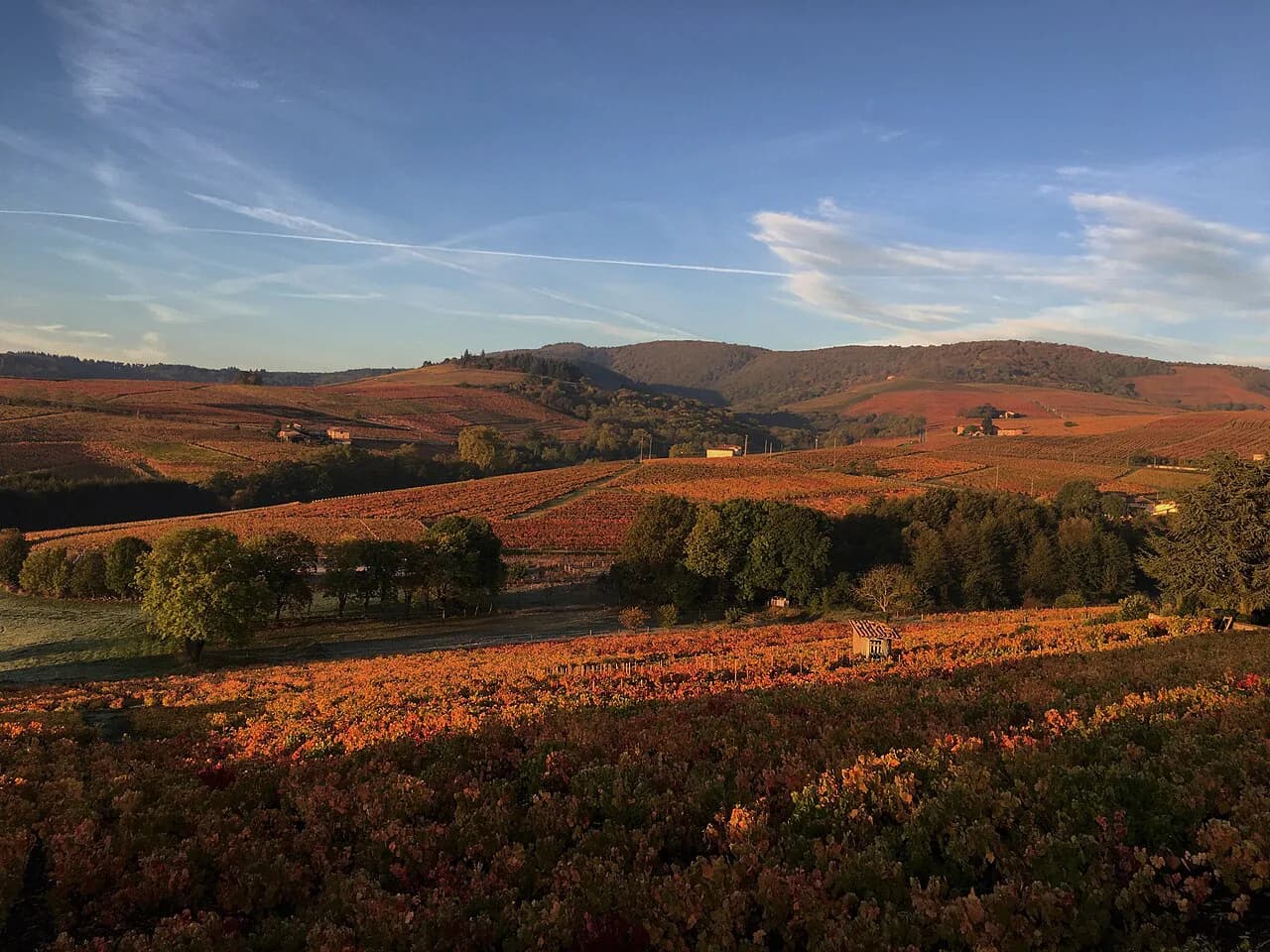
Think of Beaujolais in three bands running roughly north to south. The northern crus — Fleurie, Morgon, Chiroubles, Juliénas, Régnié, Brouilly, Côte de Brouilly, Moulin-à-Vent, Chénas and Saint-Amour — occupy the granite hills and produce the region's most structured reds. The middle band is Beaujolais-Villages country, and the south around Oingt belongs to the Pierres Dorées, a landscape of golden limestone villages.
The southern half is easy to underestimate. The travel guide makes the point directly: do not sleep on the south, and give it at least a full day. Oingt-en-Beaujolais, built from the golden stone that gives the area its name, was voted one of the most beautiful villages in France and sits among vineyards overlooking the Rhône valley.
Geographically, the crus cluster tightly enough that two or three can share a half day, while the Pierres Dorées and the north are far enough apart that combining them in one outing means a lot of driving. Villages such as Leynes, on the northern edge near the Mâconnais, straddle the boundary between Beaujolais and Burgundy's southern reaches.
The Grape and the Wines in Brief
Gamay is the red grape almost everywhere here, and it gives the region two faces: light, fresh wines meant for early drinking and serious, age-worthy crus from the granite hills. Beaujolais also produces white and rosé, which the packaged itinerary below includes in its first tasting. The crus reward planning — a Morgon and a Moulin-à-Vent taste nothing alike, even though both are Gamay.
Styles vary by producer philosophy as much as by village. The travel guide notes tasting across farming approaches from reasoned conventional practice to biodynamic and natural wine, and across expressions from simple Beaujolais to a fifteen-year-old Moulin-à-Vent. If you care about a particular approach, say so when you request a visit rather than hoping the tasting will cover it.
The three-tier appellation system is worth knowing before you set out. Beaujolais is the broadest level, Beaujolais-Villages draws from a defined set of villages, and the ten crus carry their own village names. A domaine that makes all three will often pour across the range in a single visit, which is a fast education in how soil and site change Gamay.
Getting There Without Driving
Rail gets you to the region's edge, not into the vineyards. The travel guide's route runs from Lyon to Villefranche-sur-Saône by train, then a rental car for the vineyards, and it describes train travel between the small towns as easy. What it does not promise is a station within walking distance of the estates you want to visit.
That leaves three workable approaches without a car of your own. Book a guided or packaged tour that handles the driving, take a train to a town such as Villefranche-sur-Saône and arrange a taxi onward for the day, or stay overnight in the wine district and spread visits across two days. Each has a cost in money or in flexibility that you should weigh before booking tastings.
Some companies build the stay around the wine rather than the transport. Vinotrip lists a two-day, one-night Beaujolais cellar tour at two hundred euros per person, including accommodation at a guesthouse plus tastings at named estates. Its own booking terms state that transport is not included unless an itinerary says otherwise, so you still need your own vehicle to reach the meeting points. Check current inclusions and availability directly with Vinotrip before you commit.
Driving and Parking in the Vineyards
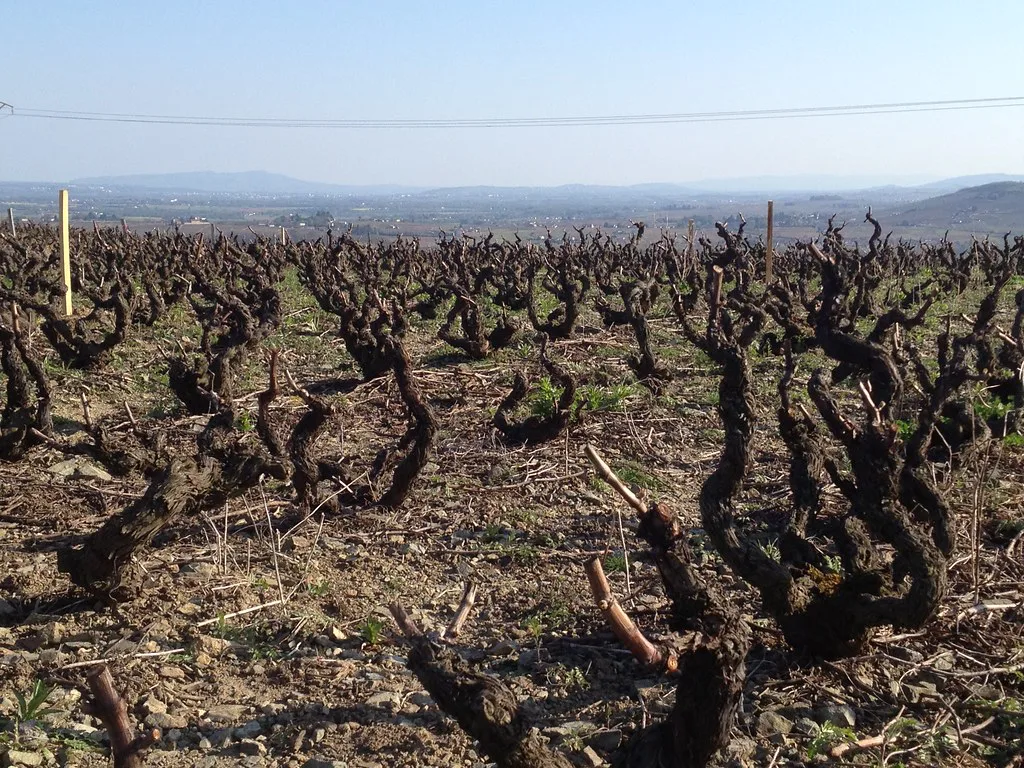
Driving here is easier than its reputation suggests, with one asterisk. The travel guide describes quiet roads, little congestion outside the main highways, and straightforward parking at restaurants and rentals, but warns that the hills around Fleurie and the southern Pierres Dorées bring hairpin turns and switchbacks. Give yourself extra time between appointments, since estates sit off narrow side streets.
Vehicle size matters more than you might expect on village lanes and vineyard tracks, and the same guide recommends a sedan or something smaller rather than a large car. Build slack into the day for parking and for finding a domaine's entrance, which is often the slowest part of any visit.
Grouping Villages: One Day or Two
A single day supports two, at most three, appointments once you account for driving and the unhurried pace of a cellar visit. A sensible one-day shape pairs Brouilly and Côte de Brouilly with a stop in Morgon or Fleurie, all within a short drive of each other beneath Mont Brouilly. Trying to add the Pierres Dorées to that loop turns a pleasant day into a relay.
Two days open up the region properly: one day in the northern crus around Fleurie, Morgon and Moulin-à-Vent, and a second in the south around Oingt and the golden-stone villages. If you are weighing this against time in the city, our Lyon wine tours page sets out how a guided day from Lyon fits alongside city-based tasting.
A three-day version, as the travel guide sketches it, lets you add a museum-style visit at a négociant and a stop at a biodynamic estate without rushing. That pace suits anyone who wants to taste widely rather than tick off villages.
Wineries That Receive Visitors: The Northern Crus
Several northern estates are set up for visitors and take bookings through their own websites or contact forms. Château Thivin, beneath Mont Brouilly, receives visitors throughout the year and is booked via its site; the travel guide notes it holds one of the largest and oldest cellars in the region. Clos de la Roilette in Fleurie, Domaine Clos du Fief with its dedicated tasting room, and Château du Moulin-à-Vent, described as among the most visitor-oriented domaines, all welcome arranged visits.
Chiroubles and Fleurie add family-scale options. Domaine Steeve Charvet in Chiroubles and Domaine de la Madone in Fleurie both appear as partner estates on a packaged two-day stay, which means they host organised groups rather than passing traffic. Do not read a partner listing as an open door: treat it as evidence that the estate receives visitors when arrangements are made in advance.
For a broader overview in one stop, Maison Jean Loron combines extensive tasting rooms with an underground cellar holding a hundred vintages from across the appellations, and books visits through its website. It suits anyone who wants to understand the region's range before committing to village-level appointments.
Wineries That Receive Visitors: South and the Pierres Dorées
The south has fewer structured visitor operations but rewards the detour. Domaines Chermette, a family house with holdings in both the south and the crus, takes bookings through its website and is described as generous with local recommendations. The travel guide pairs it with a walk through Oingt and lunch at La Table du Donjon, whose terrace looks over the southern half of the region.
Near the northern border, Domaine Chardigny in Leynes farms organically and biodynamically across Beaujolais-Villages, Saint-Amour and Mâcon appellations, and is worth requesting if you are staying in that corner. Domaine Pardon & Fils in Beaujeu, the historic capital, appears in the packaged itinerary with a tasting of Beaujolais red, white and rosé plus Beaujolais-Villages — but that is an organised group visit, not a walk-in tasting room, so do not turn up expecting a counter.
If your priority is a single estate with rooms and a pool near the vineyards, Château de Pizay, Beaujolais sits in the region as a wine-focused base; treat it as an overnight anchor rather than a village tasting stop. Our Lyon wineries page covers more estates in and around the city if you want to split tasting between town and country.
How Appointment Culture Works
Most Beaujolais domaines host by arrangement, and a website contact form is the normal channel. Write in French if you can and include the date, an approximate time window, the number of people, whether anyone is driving and therefore spitting, and the languages spoken in your group. Ask what the visit covers — cellar tour, number of wines, whether food is served — since the travel guide notes one visit amounted to a tasting without a tour.
Expect small family operations where the person answering email is also making the wine. Request visits a few weeks ahead for weekday appointments and further out for weekends and harvest, and say plainly if you are flexible on time; a domaine fitting you around its own schedule is more likely to say yes.
Booked Tour vs Independent Visits
A packaged tour buys you logistics and access: the two-day Beaujolais cellar stay bundles a guesthouse night, dinner with wine included, two estate tastings and a restaurant lunch, at a published per-person price that excludes transport and drinks at lunch. Read the listing carefully, because inclusions vary by departure and some elements, such as which estate you visit, depend on availability.
Independent visits buy flexibility and cost less on paper, since you pay only what each domaine charges, if anything. The trade-off is that you arrange every appointment, drive every leg and absorb any cancellation yourself. For a first trip with two people, a guided day from Lyon often works out simpler; for a group of four staying two nights, self-drive plus booked tastings usually wins.
Multi-day operators design itineraries across the crus and the wider region, which helps if you want the route planned for you. Compare what each includes — tastings, meals, accommodation, transport — before deciding, since headline prices rarely cover the same things.
A Workable Two-Day Route
Day one: leave Lyon early, reach Villefranche-sur-Saône by train, collect a car and drive to a morning appointment beneath Mont Brouilly — Château Thivin or a Brouilly estate. Lunch in a village, then an afternoon tasting in Morgon or Fleurie. Overnight in the wine district rather than returning to Lyon, which saves an hour of driving each way. If you would rather anchor the first day in a city, wine tasting in Beaune offers the same cellar-first approach further north in Burgundy.
Day two: head south through the Pierres Dorées, walk Oingt in the morning and taste at a southern estate such as Domaines Chermette before lunch. Drive back to Villefranche-sur-Saône, return the car and take the train into Lyon for the evening. Book the return train flexibly, because a long lunch is the most common reason travelers miss a fixed departure.
Pairing Wine with Lyon, Oingt and the Viewpoints
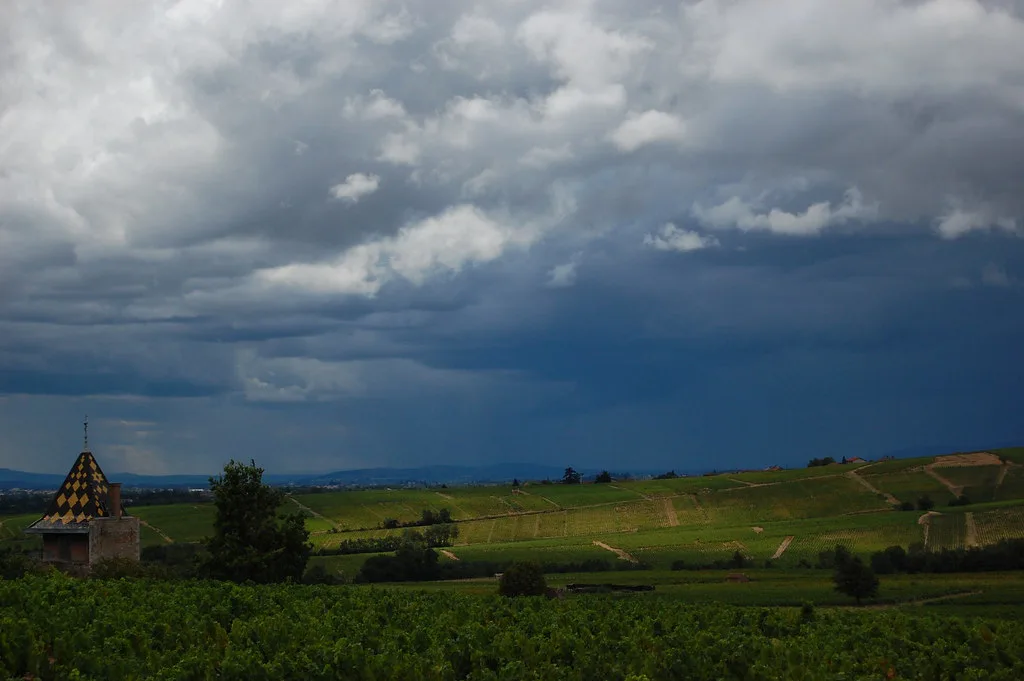
Two viewpoints earn a place in any itinerary. La Madone above Fleurie gives a panorama across the crus, and climbing Mont Brouilly is the classic short hike; both fit naturally between appointments. The travel guide also flags the terrace at La Terrasse du Beaujolais, where clear days stretch the view to the Alps.
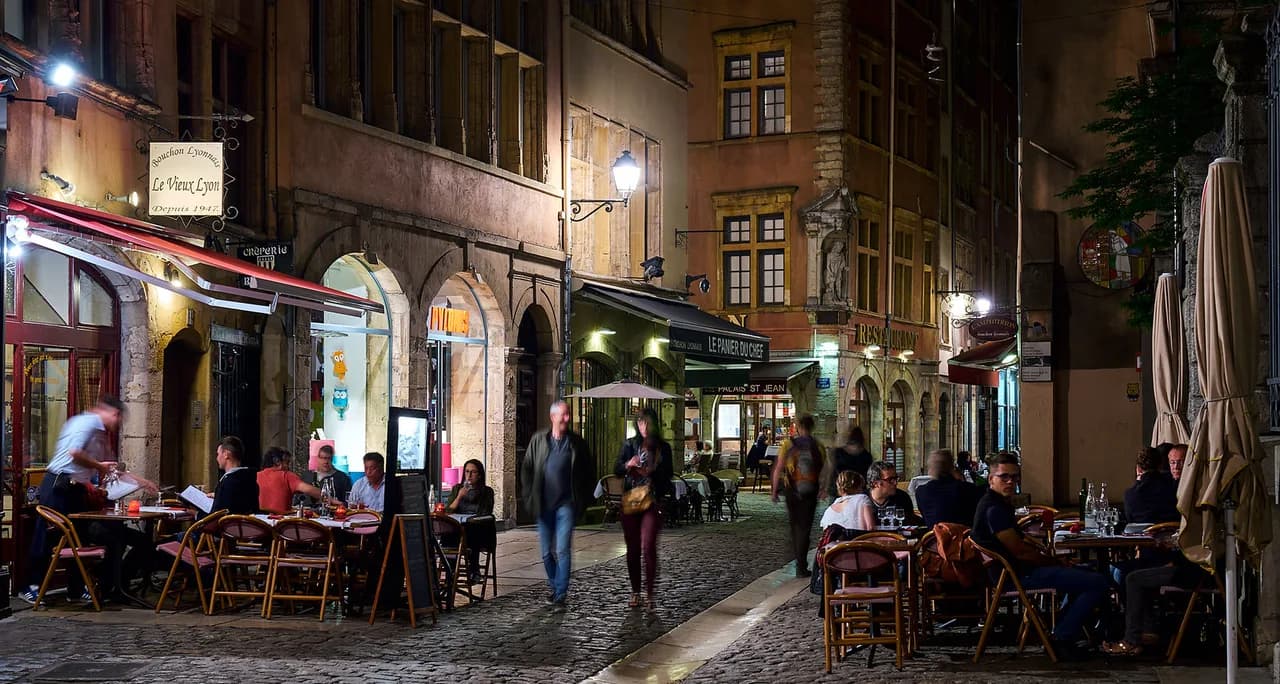
Back in Lyon, the city's bouchons and wine bars make an easy counterpoint to a day in the vineyards, and a well-chosen list of wine bars in Lyon can carry an evening without repeating anything you tasted in the crus. Keep the wine day and the city evening separate in your planning: a long lunch in Beaujolais and a serious dinner in Lyon on the same day is a lot of wine for one person, and a bad fit if anyone is driving.
Harvest and the Seasonal Rhythm
Harvest in Beaujolais falls in early autumn, generally from late August into September depending on the vintage and the plot. The travel guide notes that one visit coincided with the days just after picking, when the different stages of production were visible in the cellar. That makes early autumn a rewarding but busy time, so request appointments well ahead and expect growers to be distracted.
Spring and early summer bring quieter roads and vines in full leaf, while late autumn and winter suit cellar-focused visits and city time. Whenever you go, ask the estate about its own availability first, then build the rest of the day around the confirmed appointment.
Plan Your Beaujolais Wine Tour
The trip works best as a simple sequence: a train to Villefranche-sur-Saône, a car or pre-arranged tour for the vineyards, two appointments a day and an overnight in the wine district. Group the northern crus on one day and the Pierres Dorées on the other, and leave room for a viewpoint and a long lunch.
If you plan to drive at any point, do not taste — use the spittoons, nominate a driver, or book a tour or taxi instead. Confirm the specific visit details, timings and any charges with each estate or operator before you travel, since listings change between seasons.
Frequently Asked Questions
Can you visit Beaujolais wineries from Lyon without a car?
Yes, but not by turning up at a station and walking into vineyards. Lyon connects by train to Villefranche-sur-Saône, and from there you need a pre-arranged transfer, a taxi for the day or a guided and packaged tour that handles the driving. Staying overnight in the wine district lets you spread visits over two days and lean on your host for lifts.
Do you need an appointment to taste in Beaujolais?
At the family domaines that make up most of the region, yes. Visits are arranged by email, phone or a contact form on the estate's website, and many are hosted by the winemaker personally. Some négociants run more structured tasting rooms, but treating any listing as an open door is a mistake; ask first and confirm the time, group size and what the visit includes.
How many days do you need in Beaujolais?
One day allows two or three appointments in a compact area such as Brouilly, Côte de Brouilly and Morgon. Two days let you cover the northern crus and the southern Pierres Dorées properly, and three days add a négociant visit and a biodynamic estate without rushing. Anyone pairing the vineyards with time in Lyon should count travel days separately.
What is the difference between Beaujolais, Beaujolais-Villages and the crus?
They are three tiers of appellation. Beaujolais is the broad regional level, Beaujolais-Villages draws on a defined set of villages, and the ten crus carry their own names, from Fleurie and Morgon to Moulin-à-Vent and Brouilly. The crus come from specific granite hillsides and tend to produce the most structured, age-worthy Gamay, which is why they anchor most tasting itineraries.
When is harvest in Beaujolais?
Picking generally runs from late August into September, moving with the vintage and the plot. It is an interesting time to visit because cellar work is visible, but growers are at their busiest, so request appointments well ahead and stay flexible on timing. Spring and early summer are quieter for roads and easier for last-minute bookings.
Should you book a tour or drive yourself in Beaujolais?
A tour suits anyone who wants to taste without worrying about the wheel, and packaged stays can bundle a guesthouse night, meals and estate visits. Driving gives more flexibility and usually costs less on paper, but you arrange every appointment and leg yourself. If you drive, do not taste; use spittoons and a designated driver, or split tasting days from driving days.
Sources
Notes for your next wine trip
Optional updates to our winery and wine-town guides.
You might also like
Continue reading
More guides you'll find useful