Lyon Wine Tours: Beaujolais vs Northern Rhône Day Trips
Compare Lyon wine tours to Beaujolais and the Northern Rhône, with named wineries, price bands, booking norms, and how to go without a car.
On this page
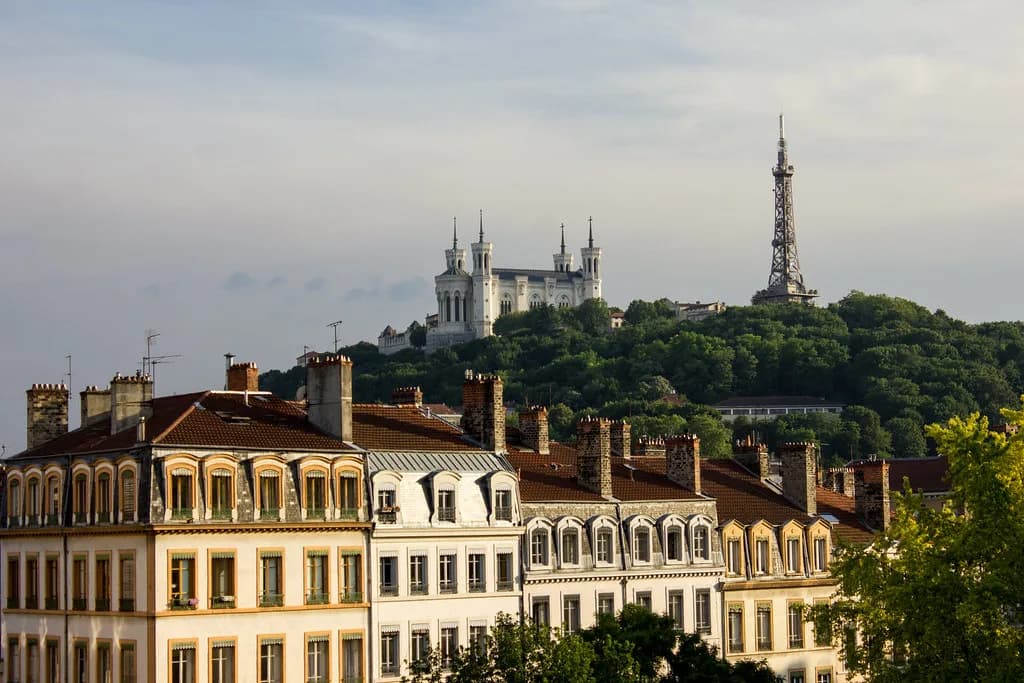
Lyon sits between two of France's most distinct wine districts, and that position is the whole reason it works as a wine base. The city itself has almost no working vineyard inside its limits; the vines start in the hills to the northwest and along the river to the south. So a wine day from Lyon is a day trip, and the first decision is which direction you go.
This guide treats the choice honestly: Beaujolais for a shorter, lighter-red day in a compact patchwork of crus villages, or the Northern Rhône for Syrah and Viognier on steep terraces further south. Both are reachable independently by train, but the village-to-village logistics differ enough that the transport plan should shape which district you pick.
Why Lyon Works as a Wine Base
Lyon is a transport hub first and a wine town second. That matters because it means you can build a wine day around a train timetable rather than a rental car. Travelers on the Rick Steves forum make the same point plainly: the city is not a wine-growing area itself but sits close to Beaujolais, which is why so many itineraries treat Lyon as a launch point.
The two serious directions are northwest into the Beaujolais crus and south along the Rhône toward Vienne, Ampuis, Condrieu and Cornas. A third, smaller option exists inside the city: urban tasting rooms and a working distillery that require no travel at all. Treat the city options as a half-day filler and the two country districts as the main event.
Beaujolais vs Northern Rhône at a Glance
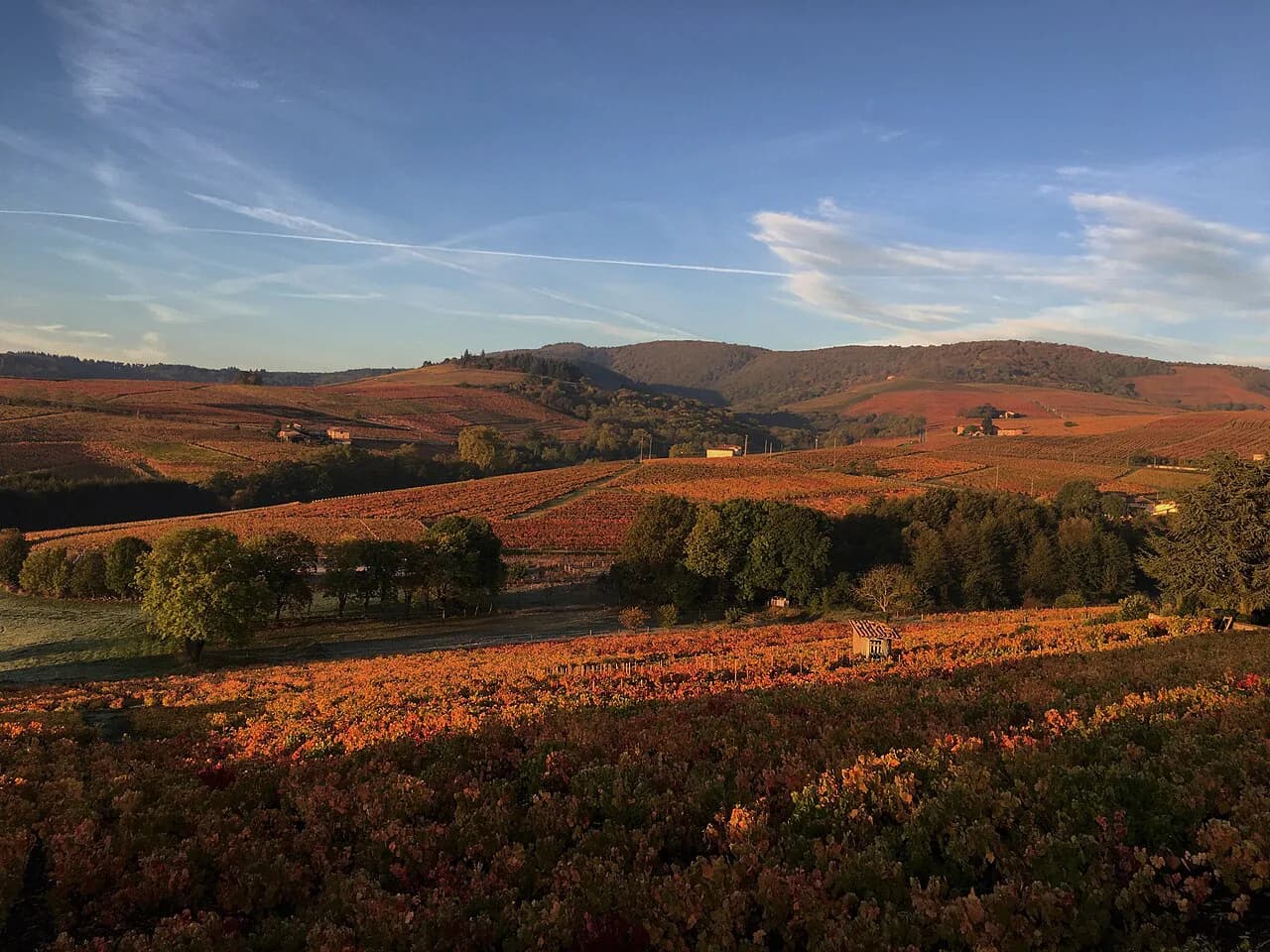
Beaujolais is Gamay country, and the difference that matters to a visitor is between the granitic crus in the north — Morgon, Fleurie, Moulin-à-Vent, Chiroubles, Juliénas — and the flatter Brouilly and Côte de Brouilly to the south. Crus wines are structured and age-worthy; the broader Beaujolais and Beaujolais-Villages appellations are lighter and cheaper.
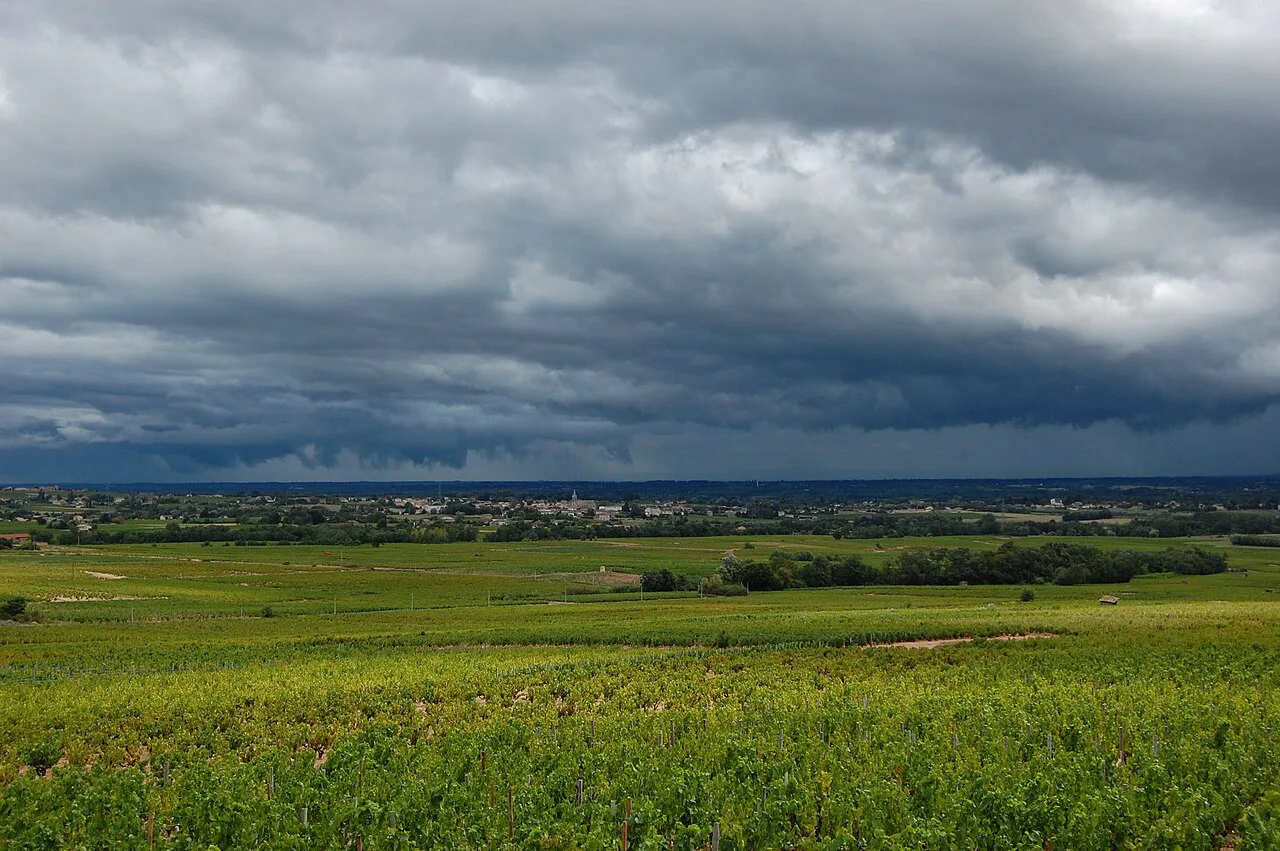
The Northern Rhône is Syrah for reds and Viognier for the whites of Condrieu, with small plantings of Marsanne and Roussanne in the north. Côte-Rôtie, Condrieu, Cornas and Saint-Joseph are the names you will see on cellar doors. The vineyards are on steep granite slopes above the river, so estates are smaller and more scattered than in Beaujolais.
Beaujolais from Lyon: How the Crus Fit Together
The Beaujolais crus sit in a rough band running southwest to northeast, roughly between Villefranche-sur-Saône and the Mâconnais edge. Grouping matters: Morgon, Fleurie and Moulin-à-Vent cluster in the northern granite hills and can be combined in one loop, while Brouilly, Côte de Brouilly and Chiroubles sit further south and west and suit a separate day.
Distances between crus villages are short in kilometers but slow on small roads, and many domaines close at lunchtime. A realistic independent day covers two villages and two or three appointments, not five. Drivers should use spittoons or hand over the keys; a designated driver, a hired tour or the train keeps the day safe.
Named Beaujolais Wineries That Receive Visitors
Booking platforms list dozens of Beaujolais estates with published tasting price ranges, which makes them useful for comparing formats. Château des Jacques in Moulin-à-Vent publishes experiences in a lower price band, while Domaine du Château de La Chaize near Brouilly and Château du Moulin-à-Vent sit higher. Château de Juliénas, Domaine Christophe Savoye in Chiroubles, Domaine Frédéric Berne in Lantignié and Maison Jambon span the middle, and Château des Bachelards, Château de Poncié, Château de la Perrière and Château des Ravatys cover Fleurie, Brouilly and Côte de Brouilly.
Visit formats vary as much as prices: some are cellar tours with a guided tasting, others are short walk-in tastings in a shop, and the larger châteaux add vineyard walks or museum elements. La Maison des Beaujolais, the growers' promotional house, and Hameau Duboeuf, a vine-and-wine park, are the two sites that work more like attractions than private estates. Check each listing for duration and number of wines before you commit to a schedule.
The Northern Rhône from Lyon
Heading south from Lyon, the first serious tasting stop is around Vienne and Ampuis for Côte-Rôtie, then Condrieu for Viognier, and Cornas further down the right bank. Public transport thins out as you go south, so many visitors base themselves in one village and walk between two or three estates rather than attempting a broad sweep.
Châteauneuf-du-Pape is not a day trip from Lyon; it lies well south near Avignon and belongs in a separate Rhône itinerary. E.Guigal's Caveau du Château in Châteauneuf-du-Pape is listed among Lyon-area bookable experiences with tastings spanning Condrieu, Cornas and Châteauneuf-du-Pape, which shows how far the platform's catchment stretches rather than how close the estate is. If you are staying in Avignon instead, compare the same decision through Avignon wine tours before committing to a long day out.
Named Rhône Estates Open to Visitors
Estates in the Northern Rhône tend to be small family domaines with appointment-only cellars rather than château complexes with visitor centers. That means the booking method is usually an email or a phone call to the estate directly, often with a minimum party size and a fixed daily slot. Platforms fill part of that gap by publishing bookable visits and their price bands, which is the quickest way to see who currently accepts guests.
When comparing Rhône options, weigh drive time against what is included. A tasting of three or four wines at a village domaine takes under an hour, while a visit with a cellar tour and a walk in the terraced vineyards can take two. Build in buffer time; the roads between Condrieu, Ampuis and Cornas are slow and parking in the villages is limited.
Tasting Inside Lyon: The No-Drive Option
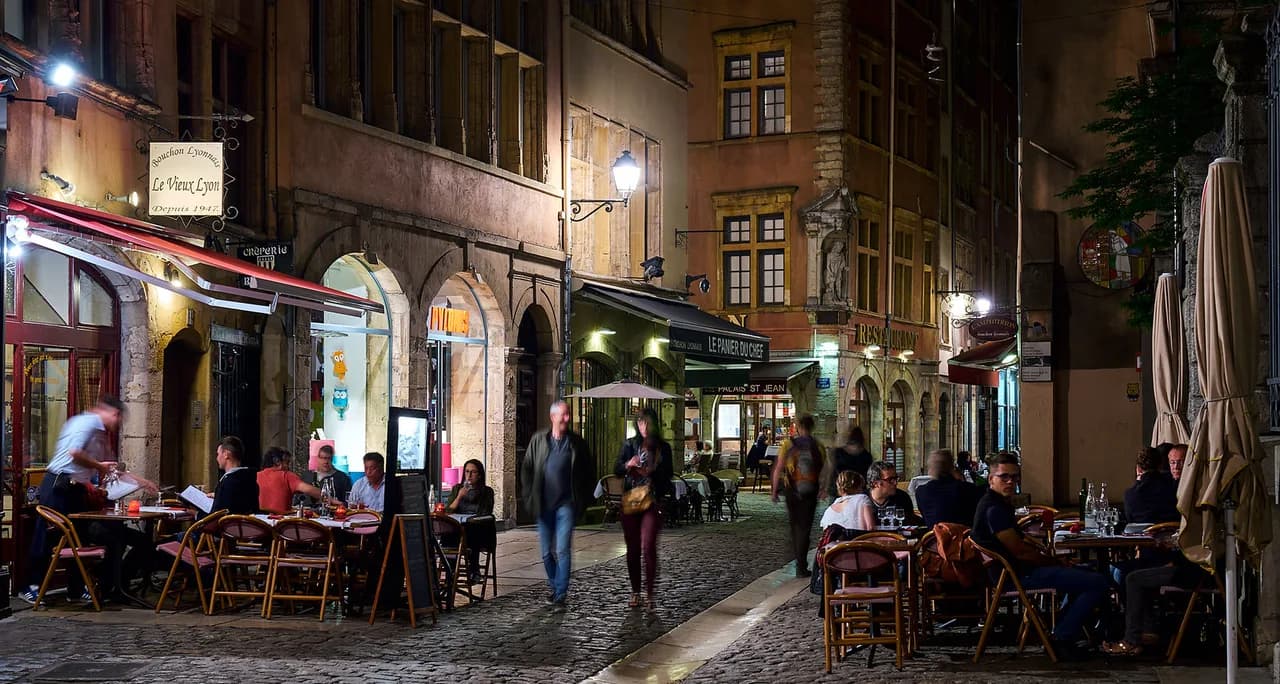
Lyon has a small but genuine in-town tasting scene. Chai Saint Olive, in the 6th arrondissement, describes itself as an urban winemaking cellar and runs tastings and a blending workshop in the city, which solves the transport problem entirely. The Distillerie de Lyon, the city's first artisanal distillery, offers spirits experiences in the center rather than wine.
Small-group tastings in English are also run in the city by sommelier-led operators, typically with a fixed flight of wines from several French regions poured blind and a cap of around ten guests. That format suits a first evening in Lyon or a rainy afternoon, but it does not replace seeing vineyards. Pair a city tasting with a countryside day rather than substituting one for the other.
Half-Day vs Full-Day: What Fits
A half-day works best in Beaujolais, where the crus villages are close together and a single estate visit plus a village walk fills an afternoon. Leaving Lyon after lunch and returning in the evening is realistic if you have one confirmed appointment and a car or a tour. Attempting the same in the Northern Rhône leaves too much of the day in transit.
A full day suits either district but rewards the Rhône more, because the drive south is longer and the estates are further apart. For a full-day Rhône plan, choose one bank: Côte-Rôtie and Condrieu on the right bank, or Cornas and Saint-Joseph. Crossing the river repeatedly to chase a list wastes the best hours of the day.
Guided Tour or Independent Travel
Tours remove the two hardest parts of an independent day: the driving and the booking. Platform-listed experiences from Lyon include private Beaujolais days with a guide and transport, priced as a package rather than per tasting, alongside in-town workshops such as Chai Saint Olive's blending session. Those listings publish their own prices, so compare the total against the cost of train tickets plus individual tasting fees.
Independent travel by train is cheapest and most flexible in Beaujolais, where stations serve Villefranche-sur-Saône and the main crus towns, but the last few kilometers to a domaine usually need a taxi booked in advance or a bike. Buses exist but are infrequent and poorly suited to a tight tasting schedule. A taxi between two villages can be arranged, though rural services are thin and should be reserved rather than hailed.
Reading a Tour Listing Properly
Four details decide whether a listing is worth booking: group size, the number of wines poured, whether the cellar or vineyard is actually entered, and the cancellation terms. A tasting of two wines in a shop is a different product from a walk through the vines with the winemaker, even when both are labeled a visit.
Meal add-ons are common in Beaujolais day tours and can double the price of an already packaged experience. Look at what the fee covers: transport, guide, tasting fees, lunch, and any purchases. Platform pricing does not always match what the estate charges at the door, so ask the tour company which items are prepaid and which are settled on the day, since not everything listed on the itinerary is necessarily included in the price you pay online.
Booking, Appointments and Harvest Timing
Appointment culture is strong in both districts, and smaller family estates will not open a cellar for a walk-in. Book by email or phone at least a few days ahead in low season and longer in summer, and state your party size, preferred language and whether you want a cellar tour. Independent travelers should confirm opening days around public holidays directly with the estate, since published hours on third-party sites drift.
Harvest timing shapes what you can see: late summer and early autumn bring picking and fermentation activity in the cellars, but also busy growers with less time for visitors. Spring and early summer are calmer and vineyard walks are pleasant. Winter visits are possible but many small domaines keep limited hours, so the booking call becomes more important than the itinerary.
Two Route Plans: A Beaujolais Day and a Rhône Day
For Beaujolais, take an early train toward Villefranche-sur-Saône, taxi or cycle to a morning appointment in Morgon or Fleurie, break for lunch in the village, then keep an afternoon visit in Moulin-à-Vent or Chiroubles before the return train. Two estates and one village walk is a full day; adding a third visit usually means rushing the tastings.
For the Northern Rhône, leave Lyon early and head to Vienne or Ampuis, visit one Côte-Rôtie estate in the morning and one Condrieu estate after lunch, then return via the same station. Book both tastings and any taxi in advance, and keep one flex slot for a delay on the return train. Château de Pizay, in the Beaujolais, is a useful reference point if you want a base with accommodation rather than a day trip.
Plan Your Wine Day from Lyon
Choose Beaujolais if you have half a day, want Gamay, and prefer the flexibility of trains and short drives between crus. Choose the Northern Rhône if you have a full day, care about Syrah and Viognier, and are willing to lock in a car, a tour or an early train plus booked taxis. If neither fits, a city tasting at an urban cellar or the distillery still gives you a genuine Lyon wine experience without leaving town.
Book the winery appointments before you book the transport, because availability at the estate sets the shape of the day. Use published price ranges as a filter, not a promise, and add a wine bar evening in Lyon for a low-effort first night. Anyone driving should stick to spitting or hand over the keys.
Frequently Asked Questions
Is Lyon a wine region?
Not in the vineyard sense. Lyon is a city with almost no vines inside its limits, but it sits between Beaujolais to the northwest and the Northern Rhône to the south. Both are practical day trips by train, car or guided tour, which is why Lyon works well as a base rather than a destination vineyard town.
Should I choose Beaujolais or the Northern Rhône for a day trip from Lyon?
Pick Beaujolais for a half day or a lighter day out: the crus villages are close together and train links are decent. Pick the Northern Rhône for a full day, especially if you want Syrah from Côte-Rôtie and Cornas or Viognier from Condrieu. The Rhône needs more travel time and better advance planning.
Can you visit wineries near Lyon without a car?
Yes, with limits. Trains reach several Beaujolais towns, but the last stretch to a domaine usually needs a pre-booked taxi, a bike or a tour. In the Northern Rhône, stations around Vienne and Ampuis give access to some estates, though rural taxis are thin and should be reserved. City tastings in Lyon need no transport at all.
How much does a wine tour from Lyon cost?
Booking platforms publish price ranges per estate and per packaged day tour, and those figures vary widely by format, group size and whether lunch and transport are included. Compare the published total with the cost of train tickets plus individual tasting fees. Confirm inclusions with the operator before paying.
Do you need to book Beaujolais winery visits in advance?
For small family domaines, yes. Many work by appointment and will not open a cellar for a walk-in, particularly outside summer weekends. Larger châteaux and the growers' promotional houses are more flexible. Email or phone the estate directly with your party size and preferred language.
Is there wine tasting in Lyon city center?
Yes. An urban winemaking cellar in the 6th arrondissement runs tastings and workshops, the city's first artisanal distillery offers spirits experiences, and sommelier-led small-group tastings in English cover several French regions. These suit an evening or a short city day rather than replacing a vineyard visit.
How long does a Beaujolais wine tour take from Lyon?
A half-day tour covering one or two estates plus a village stop is realistic, and a full day allows two visits with lunch and a vineyard walk. Independent travelers should count the train ride, a taxi transfer and buffer time, which usually pushes a two-estate day to six or seven hours door to door.
When is the best time to visit Beaujolais and the Northern Rhône?
Spring and early summer are calm, with pleasant vineyard walks and easier booking. Late summer and early autumn bring harvest activity but busier growers with less visitor time. Winter visits are possible but small domaines keep limited hours, so confirm availability directly with the estate before building an itinerary.
Sources
Notes for your next wine trip
Optional updates to our winery and wine-town guides.
You might also like
Continue reading
More guides you'll find useful