Château de Pizay Guide: Stays & Tastings Near Lyon
Château de Pizay is a Beaujolais wine estate, hotel, spa, and tasting room near Belleville-en-Beaujolais. Here is what to expect and how to plan a visit from Lyon.
On this page
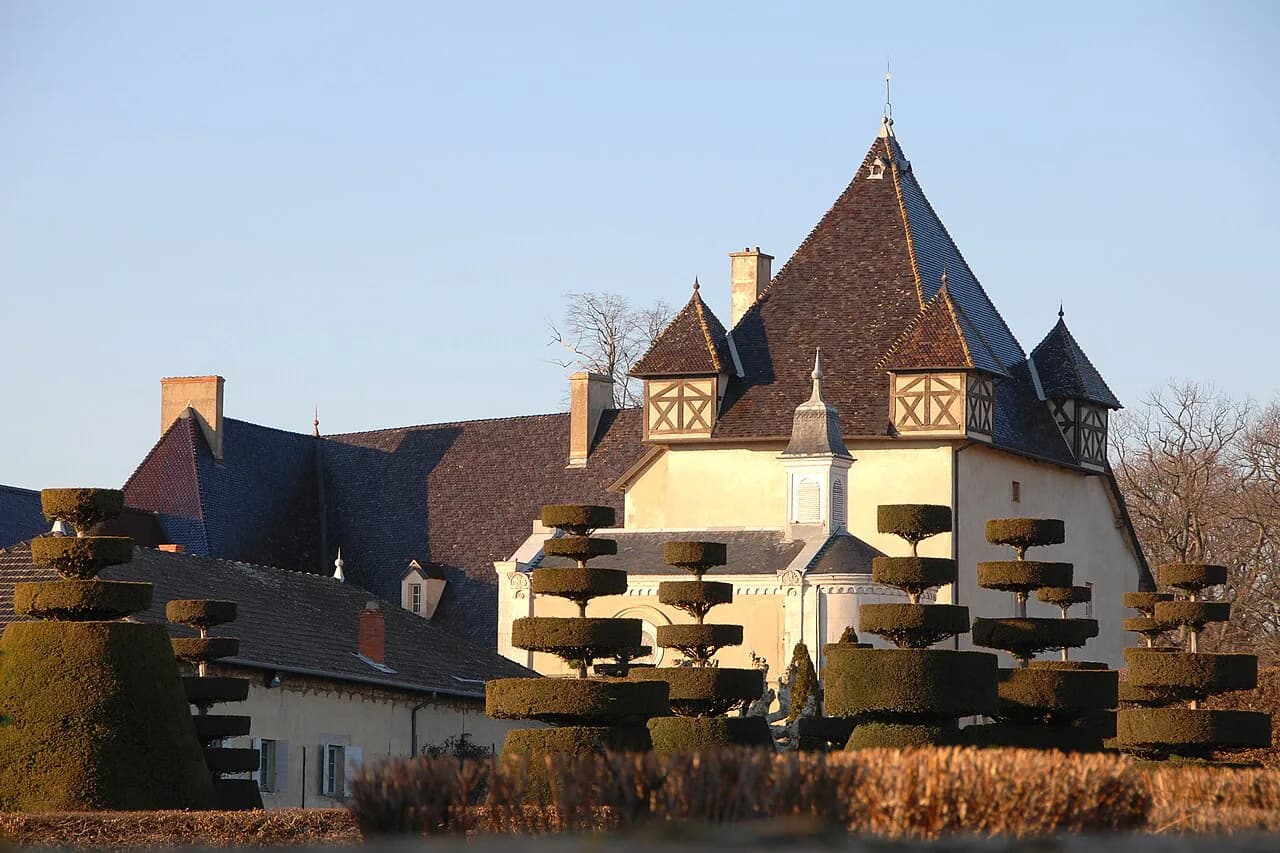
Château de Pizay sits in the Beaujolais vineyards south of Burgundy, at 443 route du château in Belleville-en-Beaujolais, in the hamlet of Saint-Jean-d'Ardières. It is best understood as a wine tourism estate rather than a single cellar door: the property runs a tasting room and shop, a sensory wine trail, a hotel, a spa and a gastronomic restaurant. That combination changes how you plan a visit, because you can stop for a tasting on a Beaujolais drive or make the estate the base for several days.
This guide sticks to what the estate and its authorized listings publish and is clear where figures are missing. It covers the no-car route from Lyon, how the wine trail and tasting space work, which Gamay appellations you are actually choosing between, and how to pair Pizay with Brouilly and Morgon. If you want the wider regional picture first, start with our guide to wine tasting in Lyon and come back here for the Beaujolais day itself.
Why Château de Pizay Is on the Beaujolais Wine Map
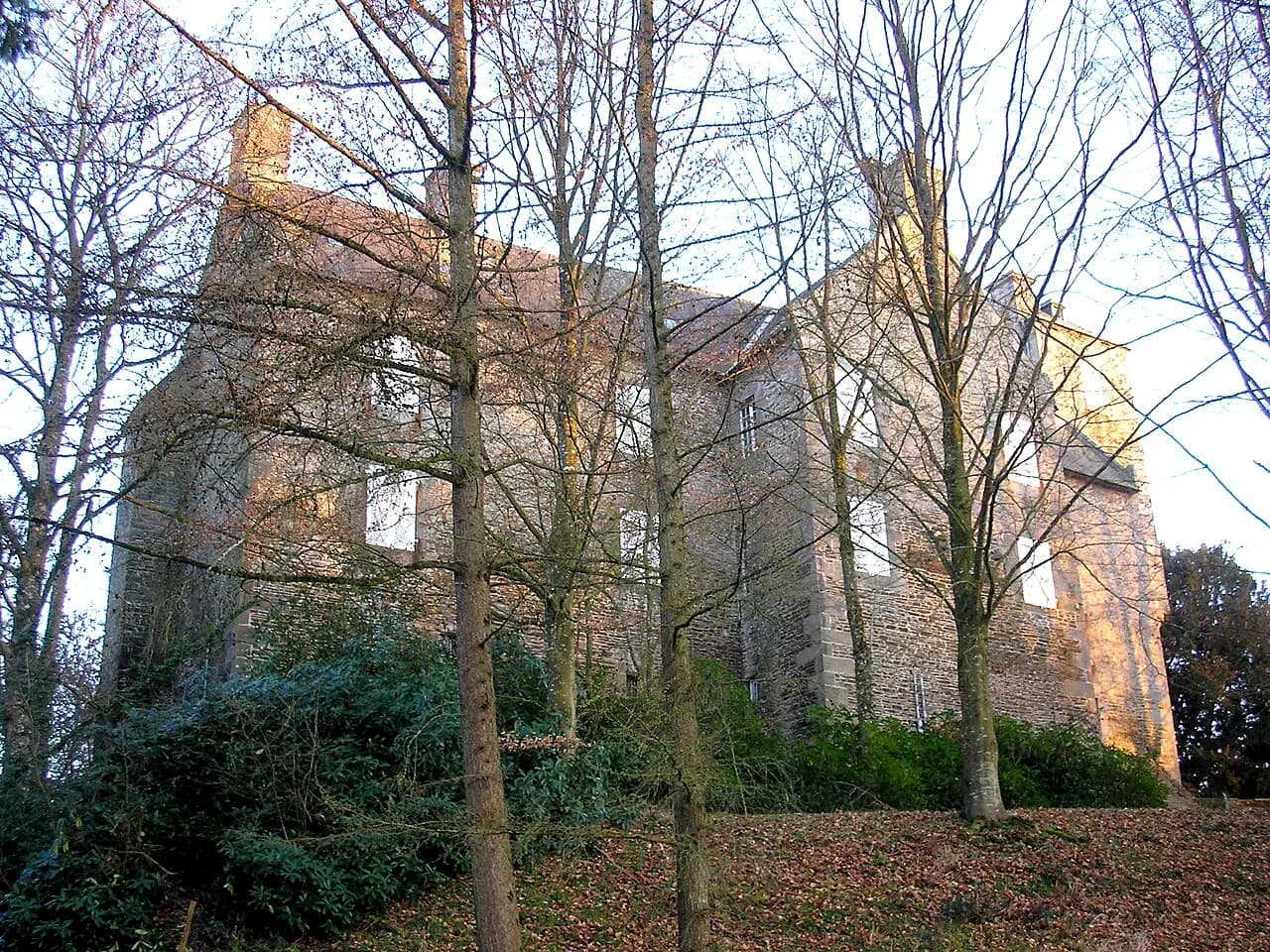
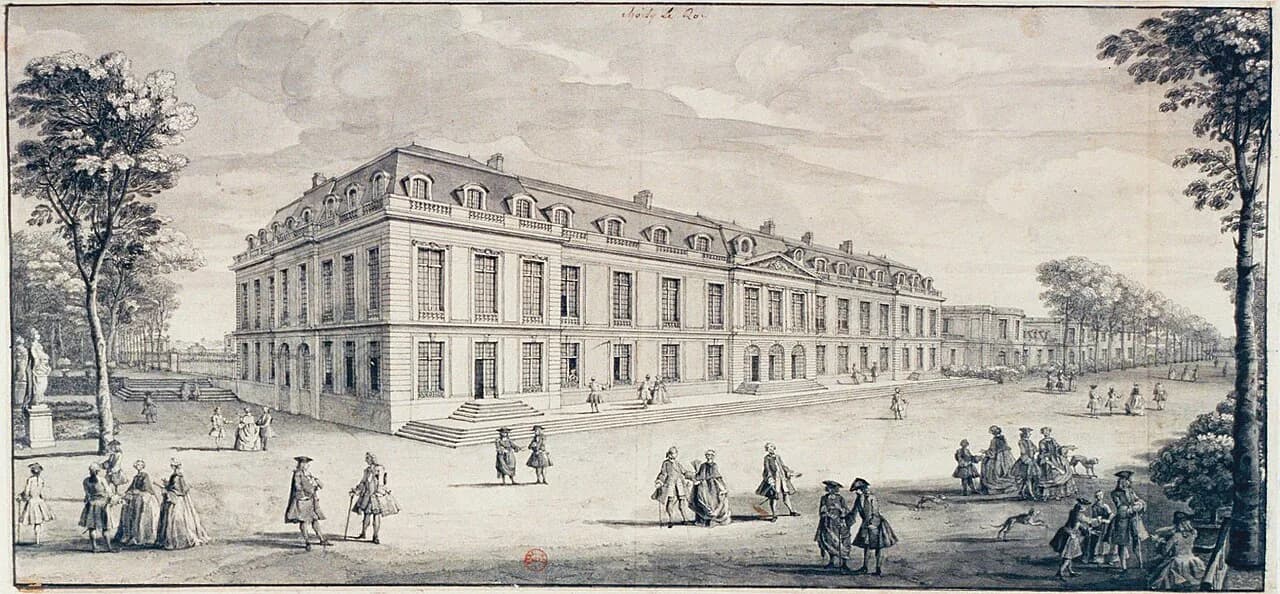
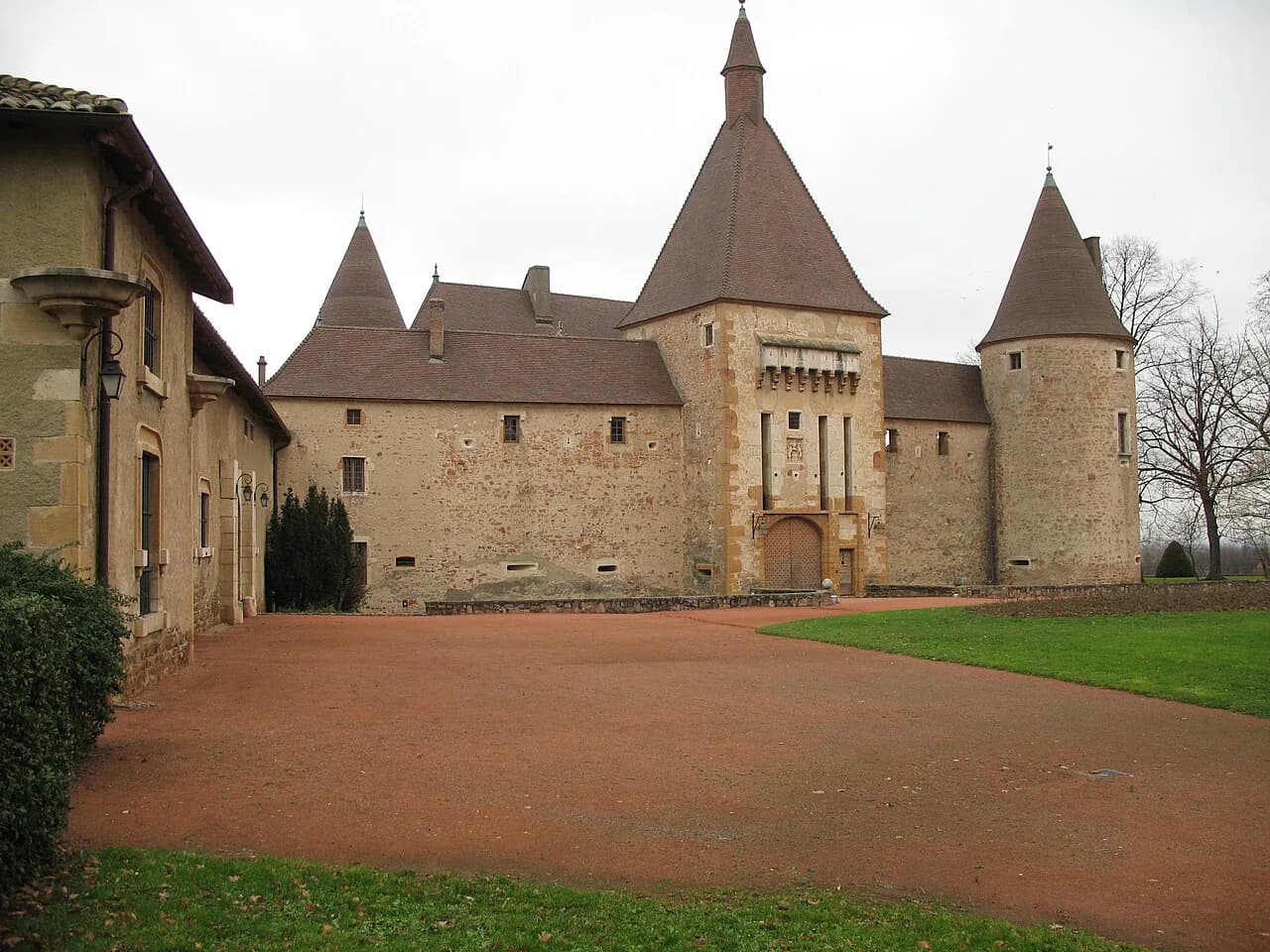
Pizay is one of the older estates in the region, its history traced back to towers built in 1030, and its wine is made from Gamay grown within the Beaujolais and Brouilly appellations, the lighter and more perfumed side of Beaujolais. The property is also certified at the highest French environmental tier, which matters if you care how the vineyards are farmed. Treat the estate as a place to understand Beaujolais as a region, not just to buy a bottle.
The practical consequence for a visitor is that Pizay gives you a northern Beaujolais reference point: Gamay from the flats and slopes around Belleville, plus Brouilly fruit from the granite hill to the southwest. If you have time for only one estate in the region, this one combines a vineyard walk, a tasting space and a restaurant on a single property, which a small family domaine usually cannot.
Where the Estate Sits and How Far It Is from Lyon
The address is 443 route du château, 69220 Belleville-en-Beaujolais, in the Saint-Jean-d'Ardières sector. The estate puts itself roughly 45 minutes from Lyon and under two hours from Paris by TGV, which makes it a viable day trip from the city rather than an overnight-only destination. Use the estate's own contact page for the phone number and email when you write to arrange a tasting.
Geographically, you are in the Beaujolais vineyard belt that runs north from Lyon toward Mâcon, with the crus Brouilly and Morgon to the west and north of Belleville. Belleville-sur-Saône is the nearest sizable town and the transport hub you will use if you arrive by rail. Plan around that town rather than around a rural address in a taxi app.
Getting There from Lyon Without a Car
The workable no-car pattern is a regional train from Lyon to Belleville-sur-Saône, then a short taxi or a rented bike for the final stretch to Saint-Jean-d'Ardières. Regional TER services link Lyon and Belleville-sur-Saône, but timetables change by season, so confirm the departure you intend to take on the SNCF Connect site before you commit. A taxi from Belleville-sur-Saône is the simplest transfer; book the return leg when you arrive, because rural taxi supply thins out in the evening.
The alternative is a guided Beaujolais wine tours departure from Lyon, which removes the transfer problem and usually adds a second estate or a village stop. The trade-off is fixed timing and a set itinerary, so you will not linger at the wine trail or book a spa slot on impulse. Compare tour formats and pickup points for lyon wine tours before deciding, and note that many operate only on selected weekdays.
If you drive, the estate publishes free on-site parking plus electric charging points, the latter billed. That makes it a comfortable stop for a self-drive Beaujolais loop, but someone in the party has to stay off the wine. Use spittoons at the tasting, nominate a driver for the day, or take the train-and-taxi route instead.
The Œnothèque: Tasting Space, Shop, and Sensory Trail
The estate describes its œnothèque as a combined tasting space, shop and sensory wine trail, so expect a self-contained visitor format rather than a cellar appointment in a vaulted cave. For a short visit, the wine trail gives you structured context on Beaujolais before you taste, and the shop lets you buy bottles you liked without arranging shipping from a separate merchant. Budget longer than a pure tasting stop, because the trail and shop sit alongside the tasting itself.
What the estate does not publish is a standard tasting menu: no confirmed number of wines poured, tasting duration, or set tasting times appear on its site. The practical approach is to email or call with your party size and the date you want, state whether you want the wine trail, a guided tasting or both, and ask what the current tasting options and prices are. Ask specifically whether the tasting is available in English and whether a reservation is needed outside peak weekends.
The Park Walk and Vineyard Initiation Trail
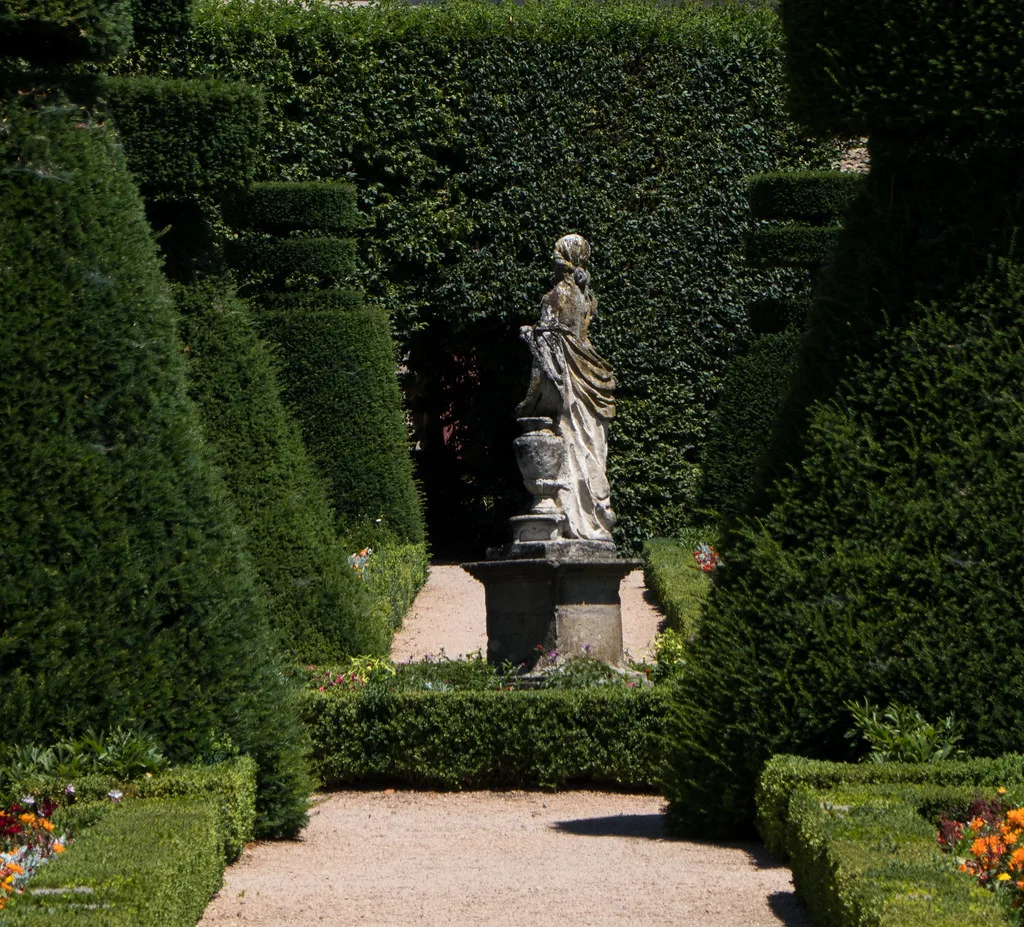
Beyond the tasting room, the estate lays out a wine-history walk in its park and a separate initiation trail through the vineyard. The vineyard trail is the more useful of the two for understanding Beaujolais, because it puts the Gamay rows, the slope and the soil in front of you while the appellation explanation is still fresh. Wear shoes that handle dirt paths and allow roughly an hour if you walk both.
These are outdoor, self-guided routes, so weather decides how much of the visit happens outside. Late-summer and harvest-season visits put the vineyard at its most active, while winter trims the walk to a brisk loop between tastings. If the trail is the reason you are coming, say so when you book and ask whether any part of it is closed for maintenance.
Beaujolais Wines to Understand Before You Taste
Almost everything here is Gamay, and the appellation on the label tells you which style you are getting. Straight Beaujolais is the lightest and most immediate; Beaujolais-Villages steps up in structure; the named crus such as Brouilly and Morgon are the village-level wines worth seeking out. Pizay draws on Beaujolais and Brouilly fruit, so a tasting here is a good introduction to the lighter, more perfumed end of the range before you explore the structured crus.
When you taste, ask which wines are estate-grown and which are négoce, and which appellation each bottle carries. Ask also about the vintage currently open and whether the estate recommends drinking it young or holding it. Those questions get you further than a score sheet, and they tell the host what to pour.
Building a Beaujolais Day Around Pizay
Brouilly is the natural companion stop: the hill gives you one of the region's best-known crus, and Pizay itself draws on Brouilly fruit, so the comparison is direct. Estate visits there reward booking ahead. Morgon, further north, is the other essential name if you want a second crus stop in one day. Doing Pizay plus one crus village is a realistic day; adding Morgon as well usually means cutting the wine trail or the restaurant. If you are weighing a second crus region on another trip, our guide to wine tasting in Beaune covers the Burgundy side of that decision.
If you would rather keep the day inside Lyon, the city has a strong wine-bar scene alongside the winery day trips, and our guide to wine bars in Lyon covers where to taste Beaujolais and Rhône wines by the glass in the evening. The Pierres Dorées villages south of Villefranche are another option if you want golden-stone scenery with your Gamay.
For a broader map of estates that receive visitors across the region, including the northern Rhône options, browse our Lyon wineries listings and group them by drive time from the city. Two estates is plenty for a self-drive day once you count lunch and a vineyard walk, and three is only realistic with an early start.
Staying Overnight: Rooms, Restaurant Le 1030, and the Spa
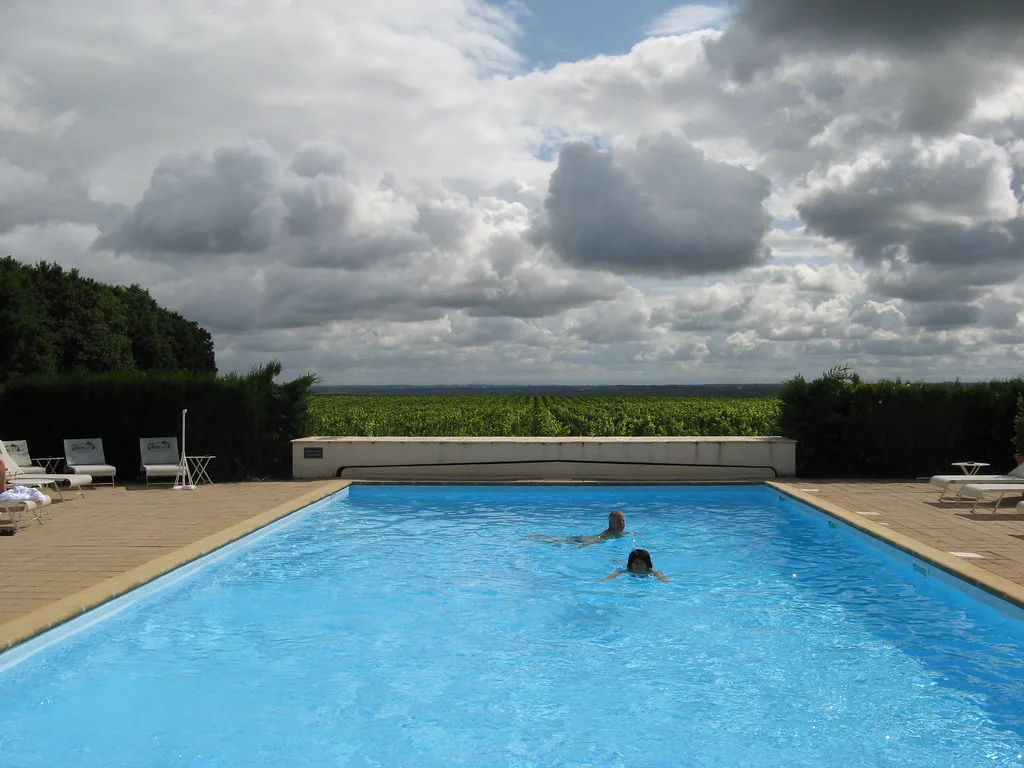
Pizay is a full hotel operation: 61 rooms and suites, a spa, an outdoor pool heated in season, a tennis court, and the restaurant Le 1030. The property publishes free parking and electric charging points, plus electric bikes and mountain bikes for rent, reserved for hotel guests and billed. Staying overnight turns a rushed tasting stop into an unhurried visit with dinner on site, which is the main argument for booking a room rather than a day trip.
The restaurant serves lunch and dinner and appears in the estate's own event and dining information, but menus and service days change, so confirm the evening you want when you book the room. The pool is seasonal and the bike rental is for guests only, so day visitors should not plan around either. If the spa is part of the plan, reserve treatments in advance rather than expecting walk-in slots.
The hotel is also listed independently on Tripadvisor, which is useful for existence and traveler context but not for facilities or quality guarantees. Use the estate's own site for what is actually offered and for rates. That separation keeps you from booking around a feature that has changed.
Booking: Tastings, Tables, and Rooms
Approach the estate through its own reservations channels rather than through a third-party listing. The site separates hotel, spa, restaurant and wine-tourism reservations, and the phone number and email are published for the property. For a tasting, state your date, party size, whether you want the wine trail included, and whether you need English.
If you are combining a tasting with lunch, book the table first and fit the tasting around it, because restaurant service hours constrain the day more than the tasting room does. For an overnight stay, ask whether the room rate includes breakfast and whether spa access is included or billed separately. Also confirm the cancellation terms before you pay, since rates and inclusions vary by season.
Independent Visit or Guided Tour: The Real Trade-offs
Independent travel gives you control over pace and lets you add the wine trail or a spa slot, but it costs more effort in transfers and requires a sober driver if you are tasting. A guided tour from Lyon removes the driving and often bundles a second estate, at the price of a fixed schedule and less time at Pizay itself. Neither is wrong; pick based on whether the estate or the wider region is the priority.
If you are comparing Beaujolais with the northern Rhône, note that the Rhône crus such as Côte-Rôtie are a separate day from Lyon, so do not try to combine both in one loop. For the northern Rhône side, our Guigal guide covers the appellation. Keep Beaujolais day and northern Rhône day separate and the driving stays sane.
Plan Your Château de Pizay Visit
Château de Pizay works best as either a relaxed overnight in the Beaujolais vines or a well-planned day trip from Lyon with a train, taxi and one crus stop. Book the tasting and any restaurant table ahead, ask directly about current tasting formats and prices, and settle the transfer before you go. Do that and the estate's mix of vineyard walk, tasting room and dining becomes an asset rather than a scheduling problem.
Frequently Asked Questions
Is Château de Pizay a winery you can visit for a tasting?
Yes. The estate runs an œnothèque on site with a tasting space, a shop and a sensory wine trail, plus a wine-history walk in the park and an initiation trail through the vineyard. It does not publish a set tasting menu, duration or standard tasting times, so contact the estate with your date and party size and ask what the current tasting options are.
Where is Château de Pizay and how far is it from Lyon?
The address is 443 route du château, 69220 Belleville-en-Beaujolais, in the Saint-Jean-d'Ardières sector of the Beaujolais vineyard. The estate places itself about 45 minutes from Lyon and under two hours from Paris by TGV, which makes it feasible as a day trip rather than only an overnight stay.
Can you get to Château de Pizay without a car?
Yes, with one transfer. Take a regional train from Lyon to Belleville-sur-Saône, then a taxi or a rented bike for the final stretch to Saint-Jean-d'Ardières. Arrange your return taxi when you arrive, since rural taxi supply is thin in the evening. A guided tour from Lyon is the alternative that removes the transfer entirely.
What wines are made at Château de Pizay?
The estate's wine is made from Gamay grown within the Beaujolais and Brouilly appellations, the lighter and more perfumed end of the Beaujolais range. When you taste, ask which bottles are estate-grown and which appellation each carries, and ask about the vintage currently open.
Can you stay overnight at Château de Pizay?
Yes. The property operates as a hotel with 61 rooms and suites, a spa, a seasonal outdoor pool, a tennis court and the restaurant Le 1030, plus free parking and electric charging points. Electric bikes and mountain bikes are available to hotel guests for a fee. Confirm rates, inclusions and restaurant service days directly with the estate when you book.
Which Beaujolais villages should you pair with a Château de Pizay visit?
Pair Pizay with Brouilly, the cru hill southwest of Belleville, and add Morgon to the north only if you have a full day and an early start. Two stops plus lunch and the vineyard trail is a comfortable day; three estates usually means skipping the wine trail or the restaurant. Book crus visits ahead, since small domaines receive by appointment.
Sources
Notes for your next wine trip
Optional updates to our winery and wine-town guides.
You might also like
Continue reading
More guides you'll find useful