Château de Corcelles: Day Trip Guide from Lyon
Plan a visit to Château de Corcelles near Lyon: the tours, tastings and opening seasons the Beaujolais estate publishes, and options for getting there.
On this page
Château de Corcelles sits in the northern Beaujolais, close enough to Lyon for a day trip and far enough into the vines to feel like a proper wine estate rather than a city attraction. The château pairs a restored medieval fortress with a cellar and tasting room, so a visit mixes architecture, vineyard views and a glass of Gamay. This guide covers what the estate publishes about tours, tastings, seasons and access, and how to slot it into a wider Beaujolais day.
What Château de Corcelles Is
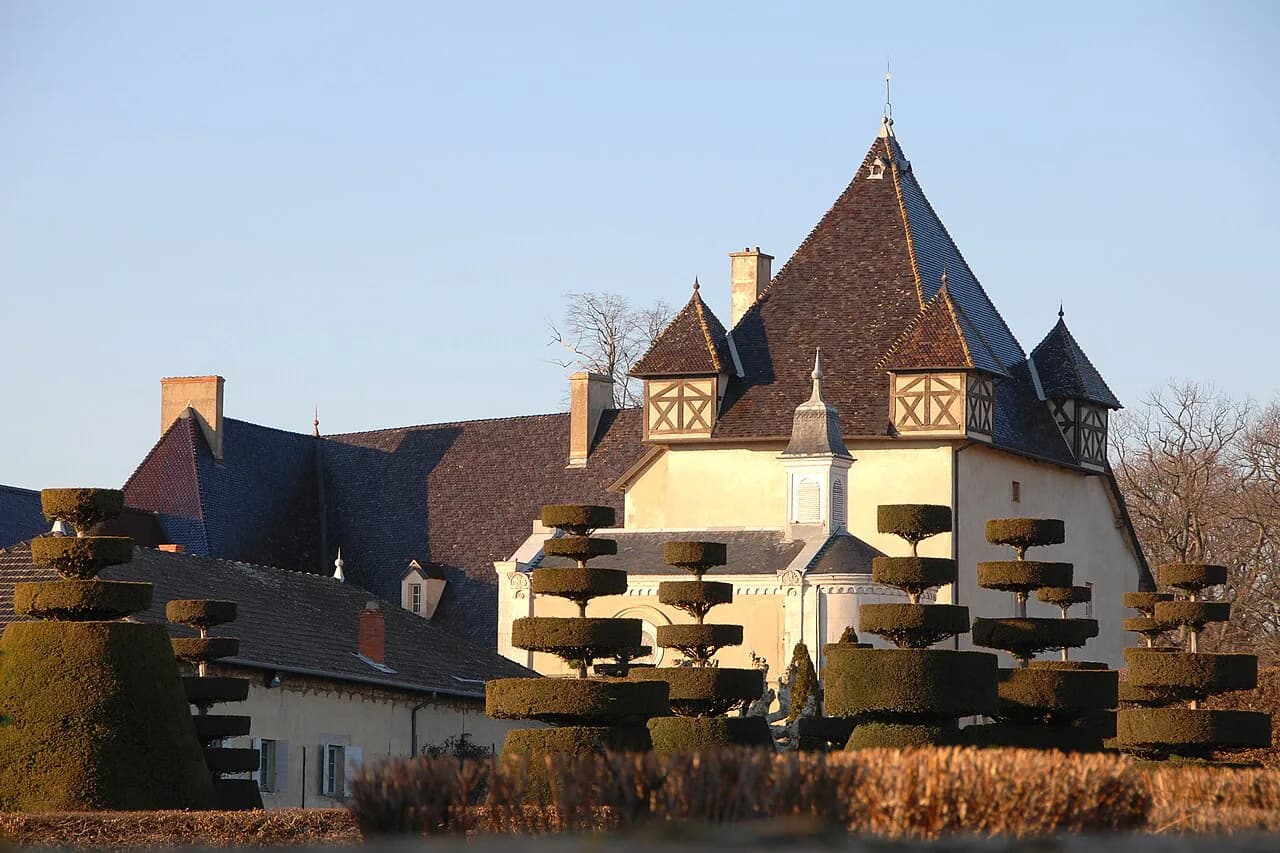
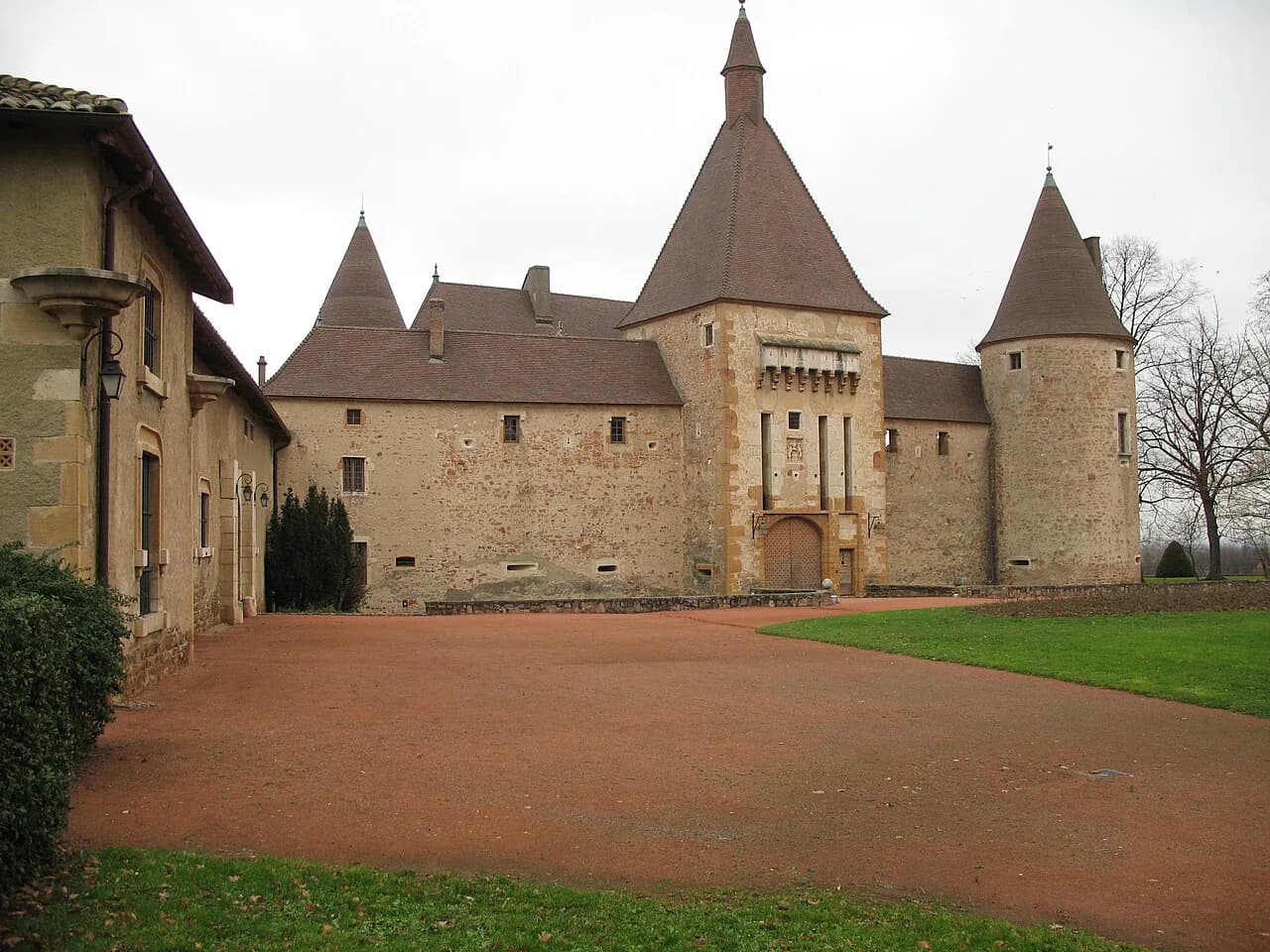
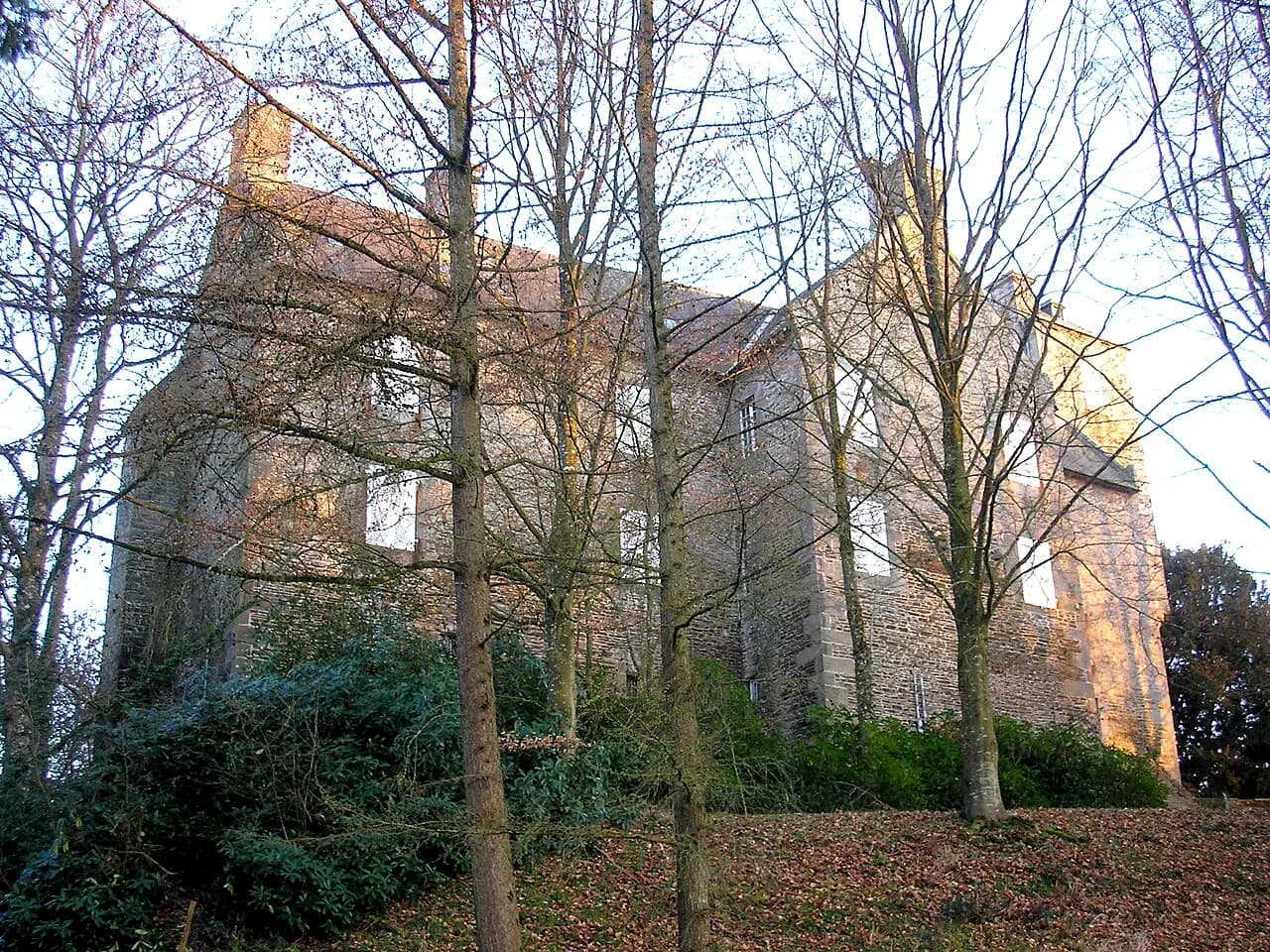
Corcelles is a 15th-century fortified château turned working wine estate, partly listed as a historical monument since 1927 and owned by the Richard family since 1984. It stands at the gateway to the Beaujolais crus, the ten named villages whose wines form the region's top tier, and its wooded park and chapel give the visit a historic-house dimension beyond the tasting room. The estate is part of the Domaines Richard portfolio, which also includes Châteaux La Nerthe in Châteauneuf-du-Pape and des Tours in Brouilly.
The vines are the reason to come, but the château itself carries the day for mixed groups. The self-guided circuit with an audio guide loops through the fortress, the old wine storage area, the park, the chapel, the inner courtyard and part of the vineyard, ending at the tasting and sales area where bottles are sold. That structure makes it a comfortable stop for travelers who want a wine experience without committing to a lengthy guided cellar session.
Where It Sits in Beaujolais
The estate lies in Corcelles-en-Beaujolais, on the edge of the crus zone and near the Douby stream, which marks the old boundary between the departments of Saône-et-Loire and Rhône. That position makes it a natural first or last stop on a crus loop: Villié-Morgon and the Morgon vineyards lie to the north, Fleurie and Brouilly to the west and south, and Belleville-sur-Saône is the nearest sizable town for services.
Practically, treat Corcelles as one anchor of a Beaujolais day rather than the whole itinerary. A sensible routing pairs it with a tasting room in Villié-Morgon and a second crus stop in Fleurie or Morgon, since the villages are short drives apart and each has its own appointment culture. Readers comparing options across the region can start with the broader guide to [Lyon wine tasting](/lyon-wine-tasting) before fixing which estates fit a single day, and travelers heading south by train can weigh the same decision in the guide to [wine tasting in Avignon](/avignon-wine-tasting).
The Wines: Gamay, Chardonnay and the Crus
The estate farms 71 hectares of vines across several Beaujolais appellations, producing white, rosé and red Beaujolais, Beaujolais Villages, and three crus: Brouilly, Morgon and Fleurie. Red Beaujolais is made from Gamay, a thin-skinned grape that gives fresh, lighter-bodied reds, while the small white output comes from Chardonnay; rosé is made from Gamay as well.
Knowing the crus helps you choose what to taste. Brouilly is the largest cru and tends to give generous, fruit-forward reds; Morgon is known for structure and depth; Fleurie for lighter, more delicate reds. Beaujolais Villages sits a step up from basic Beaujolais and makes a useful benchmark alongside the crus. None of this requires memorizing soil types: just ask which crus are open in the tasting room that day and build the comparison from there.
The Self-Guided Tour: What You See
The published circuit is self-guided with an audio guide, which means you set your own pace through the fortress, former wine storage, park, chapel and inner courtyard before finishing at the vineyard and tasting area. Visitors who have reviewed the château describe a well-restored building where the exterior and the grounds carry much of the interest, and the audio commentary fills in the nine centuries of history behind the walls.
Budget roughly an hour for the building and grounds if you move briskly, longer if you read every panel and walk the park; add the tasting on top. The estate publishes that it is open from April to October daily except Sundays and public holidays, with shorter winter hours, so timing your arrival matters more than the tour itself does.
The Tasting: What to Expect at the End
The tasting happens at the end of the self-guided visit, in the reception and sales area where the estate's wines are poured and sold. Reviews of the château frequently mention a tasting of about four wines included with the visit option, followed by the chance to buy bottles, and the estate's own events include themed evenings with tastings for adults alongside activities for children.
Expect the pour list to lean on the estate's Beaujolais range and at least some crus, with the exact selection changing through the year. If you want to compare Brouilly, Morgon and Fleurie side by side, say so when you arrive rather than at the end, and ask whether an open bottle of each is available that day. Purchases go through the on-site shop, which is also where you ask about shipping or carrying limits for your trip home.
Tickets and Prices: Entrance Versus Tasting
The estate sells entry to the château and wine tasting as separate elements, and at least one visitor has reported paying one price for the castle alone and a higher price for the castle with tasting, in one case the wine tasting had to be purchased after the castle ticket. Treat those figures as a rough indication and confirm the current ticket structure when you arrive or book.
The practical question is whether you want the building, the wines, or both. Travelers with a non-drinking companion can take the entrance-only ticket and let the taster add the tasting; groups who mainly care about the wines should book the combined option so no one queues twice. The official estate page is the place to look for the current published rates before you go.
Opening Days and Seasons
As published, the château opens from April to October between 9:30 a.m. and 6 p.m., and from November to March from 10 a.m. to 12:30 p.m. and 1:30 p.m. to 5:30 p.m., with a lunchtime break in winter. It closes on Sundays and public holidays year-round, so a Monday-to-Saturday plan is the safe default.
Late October sits at the seam between the two schedules, so a visit in that window should be checked against the season rather than assumed. Winter hours also mean a shorter visiting day: arrive in the morning or right after the lunch break if you want both the tour and an unhurried tasting. Special events, such as the estate's discovery day in June, can change access to parts of the site.
Booking and Group Visits
Independent travelers can generally turn up during opening hours, but booking ahead is worthwhile in summer and essential for groups, since the estate regularly hosts coach parties. Visitor reviews describe tastings that felt rushed when a large group arrived at the same time, which is the main pacing risk at a site this close to Lyon.
When you reserve, ask three things: the arrival slot with the least group traffic, whether the tasting is seated or standing, and whether the audio guide is available in English that day. The contact details published on the estate's site include a phone number and an email address for the château, both listed alongside the Corcelles-en-Beaujolais address. Small parties rarely need more than a day's notice outside peak season; larger ones should write well ahead.
Getting There from Lyon Without Driving
Corcelles-en-Beaujolais has no mainline station of its own, so the practical car-free route is a train from Lyon toward Villefranche-sur-Saône or Belleville-sur-Saône, followed by a short taxi ride to the château. Regional trains on this corridor run frequently, but neither timetables nor taxi availability are published by the estate, so build the connection into your day and book a return taxi in advance if you plan to taste.
A guided tour removes the transfer problem entirely and often bundles two or three estates in one afternoon. The trade-off is fixed timing and a set pour list rather than the freedom to linger in the park or add a crus village on a whim. Readers weighing this can compare formats in the guide to [Lyon wine tours](/lyon-wine-tours), which sets out how Beaujolais day trips from the city are structured.
Independent Trip Versus a Beaujolais Tour
Going independently costs less on paper and gives you control of the schedule, but the transfer from the station plus the ticket add up, and you still need a taxi for the last leg. A tour costs more up front yet covers transport, a host who knows the crus, and often a second stop, which suits travelers with a single free day in Lyon.
Consider your tasting ambitions before deciding. If you want to buy bottles and compare several crus across two or three estates, a tour or a hired driver is the sensible choice; if Corcelles is the only stop and you are happy with the house range, the train-and-taxi route works well. Travelers building a more flexible itinerary can browse [Lyon wineries](/lyon-wineries) for estates that receive visitors across the region.
Pairing Corcelles with Other Stops
The strongest pairing is a loop through the crus: Corcelles first, then Villié-Morgon for a tasting room or two, then a short hop to Fleurie or Morgon for a second estate. Each village has its own opening patterns and appointment expectations, so plan around one booked visit per half-day rather than trying to fit four in. A wider list of estates appears in the [Beaujolais wineries](/beaujolais-wineries) guide.
If you are based in Lyon rather than the vines, bookend the day with the city's own wine scene. A glass at a Beaujolais-focused bar the evening before is a low-cost way to learn the crus names before you meet them in a cellar, and the guide to [Lyon wine bars](/lyon-wine-bars) lists addresses worth trying near the center.
Practical Notes for the Day
Harvest in Beaujolais generally runs into early autumn, so late September and October visits can catch the estate during pressing, with activity in the cellar and a shorter welcome in the tasting room. Book earlier in the season if you want a calm visit to the building and grounds.
Anyone driving should not taste: use the spittoons, appoint a designated driver, or take a tour or public transport instead. Finally, the ticket structure and seasonal hours are the two details most likely to change, so confirm those with the estate before you set out.
Plan Your Visit
Château de Corcelles works best as a half-day anchor in the northern Beaujolais, combining a self-guided fortress tour with a tasting of the estate's Gamay-based range and its Brouilly, Morgon and Fleurie crus. Arrive on a weekday between April and October for the longest opening window, book ahead in summer if you want an unhurried tasting, and plan the last leg from Villefranche-sur-Saône or Belleville in advance if you are coming by train.
Frequently Asked Questions
Do you need to book a visit to Château de Corcelles?
Independent visitors can usually arrive during opening hours, but booking ahead is worthwhile in summer and essential for groups, because the estate regularly receives coach parties. When you reserve, ask for a slot with the least group traffic and confirm whether the audio guide is available in English.
What can you see at Château de Corcelles?
The self-guided circuit with an audio guide covers the medieval fortress, the former wine storage, the park, the chapel, the inner courtyard and part of the vineyard, finishing at the tasting and sales area. Visitors describe a carefully restored building where the grounds and exterior carry much of the interest.
Is Château de Corcelles open on Sundays?
The estate publishes that it closes on Sundays and public holidays throughout the year. From April to October it opens daily from 9:30 a.m. to 6 p.m., and from November to March it keeps a shorter day with a lunchtime break.
How do you get to Château de Corcelles from Lyon without a car?
Take a regional train from Lyon toward Villefranche-sur-Saône or Belleville-sur-Saône, then a short taxi ride to Corcelles-en-Beaujolais. The estate does not publish transfer times or taxi details, so book a return taxi in advance if you plan to taste.
Which Beaujolais crus does Château de Corcelles produce?
The estate makes Brouilly, Morgon and Fleurie from its 71 hectares of vines, alongside Beaujolais white, rosé and red and Beaujolais Villages. Reds are Gamay-based and the white wines are made from Chardonnay.
How much does a visit and tasting cost at Château de Corcelles?
Entrance and the tasting are sold as separate elements, and one visitor has reported a lower price for the castle alone and a higher price for the castle with tasting. Those figures come from a review rather than a published tariff, so check the current rates on the estate's official site before you go.
How long does a visit to Château de Corcelles take?
Allow about an hour for the château and grounds at a brisk pace, longer if you read the panels and walk the park. Add roughly thirty to forty-five minutes for the tasting if you want to compare the crus without rushing.
Sources
Notes for your next wine trip
Optional updates to our winery and wine-town guides.
You might also like
Continue reading
More guides you'll find useful