Guigal Wine Guide: Ampuis & Rhône Appellations from Lyon
Plan a Guigal-focused day from Lyon: where Ampuis sits, how the Côte-Rôtie portfolio is organized, and how to approach a visit and booking.
On this page
Guigal comes up so often in Rhône conversations that travelers to Lyon often assume there is a visitor center waiting in Ampuis. The reality is more interesting: a family firm built over three generations, a château that serves as the company address, and a portfolio split between estate vineyards in the Northern Rhône and wines selected further south.
This guide covers what the producer actually makes, where Ampuis sits relative to Lyon, and how to plan a Côte-Rôtie day around it without wasting a morning on a locked gate. It also explains how Guigal works as a benchmark for choosing other visits in the northern appellations.
Guigal in Short: A Family Firm, Not a Theme Park
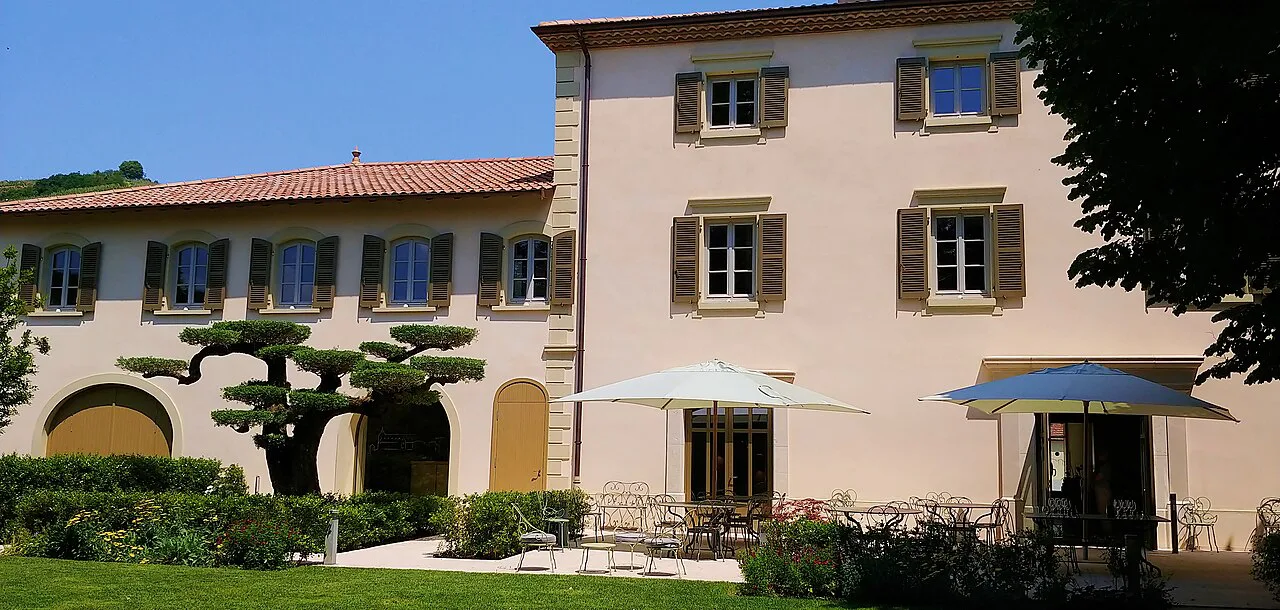
Guigal is a Rhône Valley producer founded in Ampuis in 1946 and now run by the third generation of the same family, with Philippe Guigal as director and oenologist and Marcel Guigal having led the firm for decades before him. Its home is the Château d'Ampuis, which appears as the company address in Ampuis itself. The name carries weight because the family built a negociant business alongside its own vineyards, buying grapes and wines from growers across the valley while farming its own parcels in the north.
The important distinction for a visitor is that the domaine owns roughly 150 acres, all in the Northern Rhône, while the Southern Rhône side of the range comes from purchased wine selected each year. That means a single stop in Ampuis cannot show you the whole portfolio, because much of it is made from fruit grown well to the south. Understanding that split before you go keeps expectations honest.
Where Guigal Sits: Ampuis and Château d'Ampuis
Ampuis lies in the Northern Rhône, about half an hour south of Lyon by road, and it is the village at the heart of the Côte-Rôtie appellation. The producer's registered address is Château d'Ampuis, 69420 Ampuis, which is the landmark to enter into any navigation app. Treat drive times as approximate and allow extra on market days and during harvest, when narrow village roads fill with tractors and picking crews.
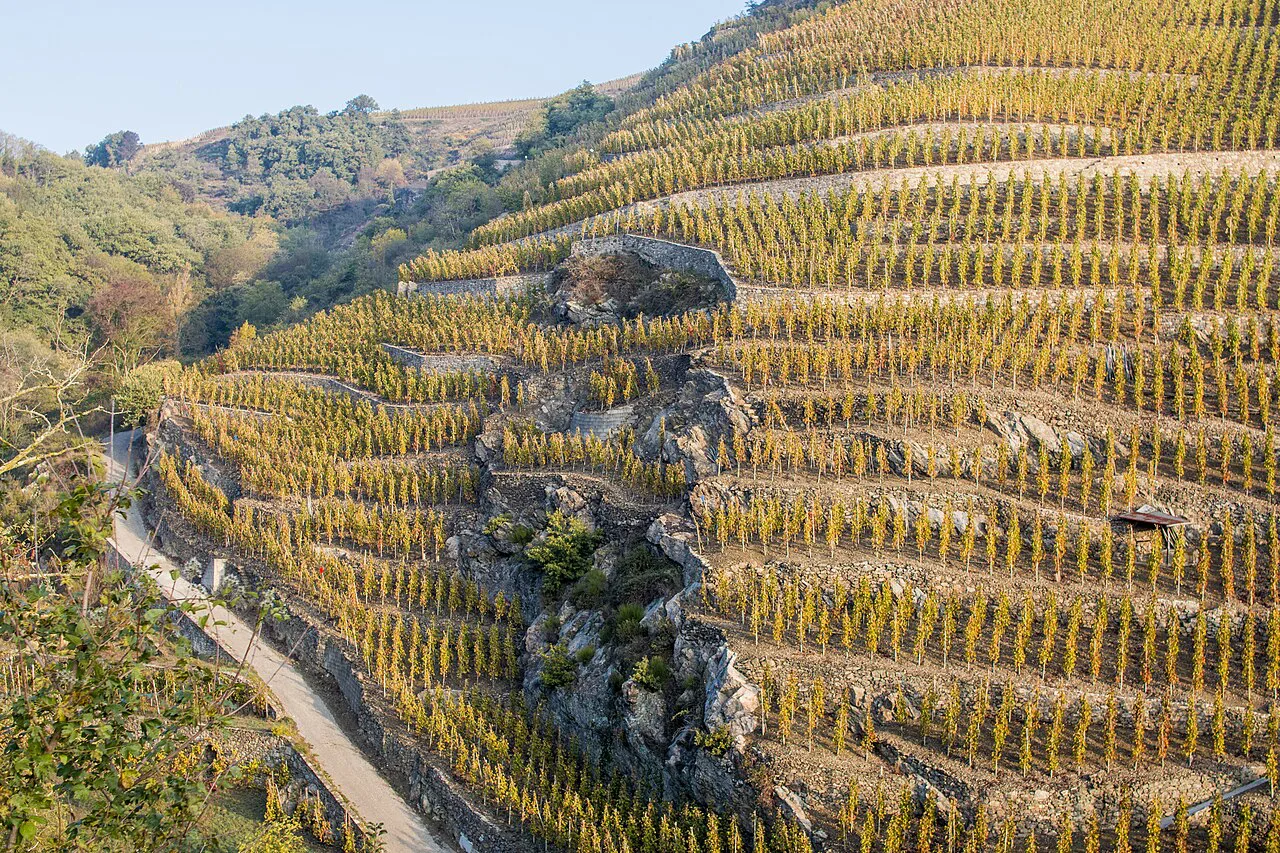
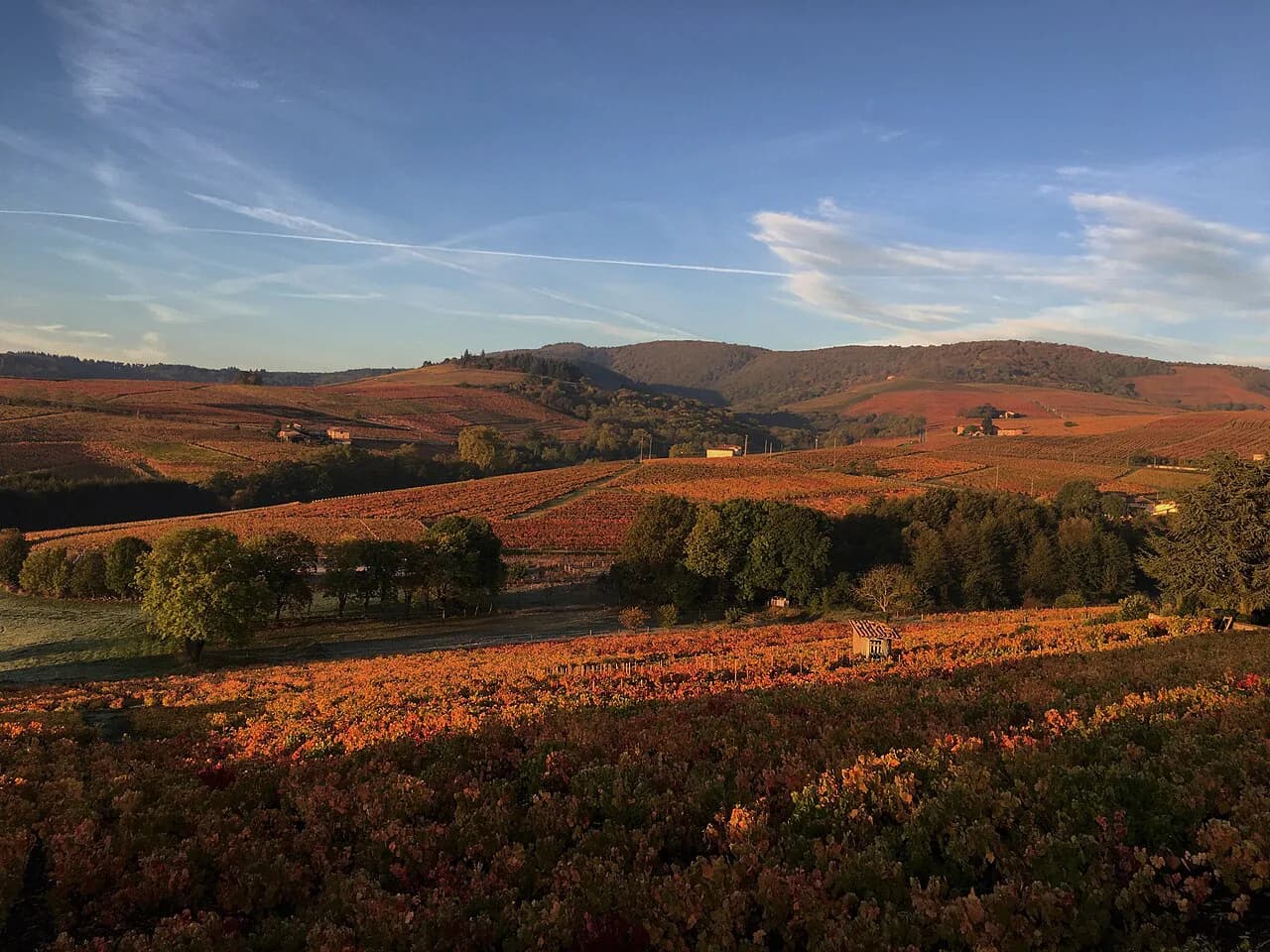
Ampuis is small and sits on the right bank of the Rhône, at the heart of the Côte-Rôtie appellation. Because the appellation is a narrow strip of steep terraced vineyard rather than an open plain, the wine country here is compact: you can see the shape of the district in an afternoon, but you cannot walk between distant estates quickly.
Northern Rhône Appellations Explained Fast
Côte-Rôtie is the appellation that made Ampuis famous, planted to Syrah on steep terraced slopes, with a small share of Viognier permitted in the blend. Condrieu, a few kilometers south along the river, is white wine from Viognier alone. Saint-Joseph stretches along the right bank as a large appellation of mostly Syrah reds with a small white production, while Hermitage and Crozes-Hermitage sit further south around Tain-l'Hermitage.
If you only have one day from Lyon, group Ampuis and Côte-Rôtie with Condrieu rather than trying to reach Hermitage as well. The two northern villages sit close together and share the same river road, so a morning appointment in one and an afternoon in the other fits comfortably. Save Saint-Joseph and the Hermitage side for a second day based further south.
What Guigal Makes: Treasures and the Appellation Collection
The range is easiest to understand in two tiers. The top tier, labeled the Treasures, includes single-site Côte-Rôtie wines such as La Mouline, La Turque and La Landonne, plus Hermitage Ex-Voto and Condrieu La Doriane among others. Below that sits the appellation collection, which runs from Côtes du Rhône up through Crozes-Hermitage, Saint-Joseph, Hermitage, Condrieu and Côte-Rôtie Brune & Blonde.
The Côtes du Rhône is the entry point and the most widely encountered bottle, a Syrah-led blend with Grenache and a little Mourvèdre in the blend described by the importer. If you want a reference point before your trip, tasting it at home tells you how the house treats straightforward fruit, which makes the jump to the top wines easier to follow in the cellar.
The Southern Rhône Side: Châteauneuf-du-Pape, Gigondas, Tavel and Château de Nalys
Southern Rhône wines in the portfolio include Châteauneuf-du-Pape in red and white, Gigondas, Tavel rosé and the Côtes du Rhône range, and the family also owns Château de Nalys in Châteauneuf-du-Pape. In the south, the firm buys wine rather than grapes or vineyards, selecting from what growers offer each year without long-term contracts. This is why the southern bottlings are blends of purchased wines rather than estate expressions, a contrast worth keeping in mind if you are also planning wine tasting in Avignon among the southern appellations.
That purchasing model shapes what you can and cannot learn at the source. A visit or tasting in the Northern Rhône introduces the estate vineyards and the house style, but the southern wines are assembled from fruit grown far away, so the cellar you stand in is not where those grapes were farmed. Read the back label before assuming a southern appellation on the bottle means a southern estate visit.
Three Generations and How the Wines Are Made
Étienne Guigal arrived in Ampuis as a young vineyard worker in the early 1930s and founded the firm in 1946; his son Marcel took over leadership in 1961 and built the reputation, and grandson Philippe became winemaker in 1997. The family's combination of estate holdings and negociant purchases is central: they vinify a large share of Côte-Rôtie and Condrieu from their own and purchased fruit, and they buy only finished wine in the south.
Two practical details explain the house style without any tasting notes. Top wines age in barrel for up to three and a half years, and the family makes its own barrels on site, producing five a day by hand at the Château d'Ampuis. That cooperage is unusual in the Rhône, and it is the kind of concrete question worth raising in a tasting: how long a given cuvée stays in oak before release.
Why Guigal Works as a Benchmark for Other Côte-Rôtie Visits
Because the range covers so many appellations at different levels, Guigal gives you a scale for judging other producers you meet in Ampuis and Condrieu. Taste a Côte-Rôtie from a small grower, then compare it with what you know of the house style, and differences in vineyard site, barrel regime and aging become easier to name. Use it as a reference point rather than the only stop of the day.
Ampuis and the neighboring villages have many small domaines that receive visitors by appointment, often in a cellar with the grower pouring. Those visits suit travelers who want conversation with the person who farms the vines. The larger houses suit travelers who want a structured overview of appellations and cellar technique. Mixing one of each in a day gives you both perspectives without repeating the same experience.
Can You Visit Guigal? What to Ask Before You Go
The producer's own site presents the family, the vineyards and the wines but does not publish visitor hours, tasting fees, tour lengths or a booking form, so there is no published confirmation that a walk-in tasting room exists in Ampuis. Contact the firm through the details on its official site and ask directly whether visits to the Ampuis cellars are currently offered and under what conditions. Ask about party size, language of the visit and whether a reservation is required well in advance.
When you write, be specific: state the date you will be in the Northern Rhône, the number of people, whether you want a cellar walk-through or simply a tasting, and whether you are traveling without a car. Vague requests get vague answers, and harvest and bottling periods can tie up staff who would otherwise answer the phone. If a direct visit is not possible, ask for the names of growers or caveaux in Ampuis they suggest.
Getting to Ampuis from Lyon Without Driving
The straightforward independent route is a train from Lyon toward Vienne, then a taxi for the final stretch to Ampuis, since the village is not sitting on a major station doorstep. Regional trains serve the corridor along the river, but local bus connections to the village are thin and change with the season, so check timetables with the local transport authority before you set out. The trade-off is clear: cheaper, but you lose time waiting and cannot easily reach vineyard viewpoints.
A booked tour from Lyon removes the timetable problem and the driving altogether, usually combining transport with two or three appointments in Ampuis and Condrieu. It costs more per person and fixes your schedule in advance, which matters if a producer can only receive you at one particular hour. For a single day with two village stops, the tour is often the lower-stress choice; for travelers who want to linger, independent travel plus one taxi transfer works better.
Grouping a Côte-Rôtie Day
Build the day around one morning appointment and one afternoon appointment, leaving lunch between them in Ampuis or Condrieu on the river road. Add a short stop to look at the terraced slopes from the roadside, where the vines and stone walls explain the labor behind the bottles far better than any brochure. Keep a third appointment optional, since tasting schedules slip and a rushed return to Lyon ruins an otherwise good day.
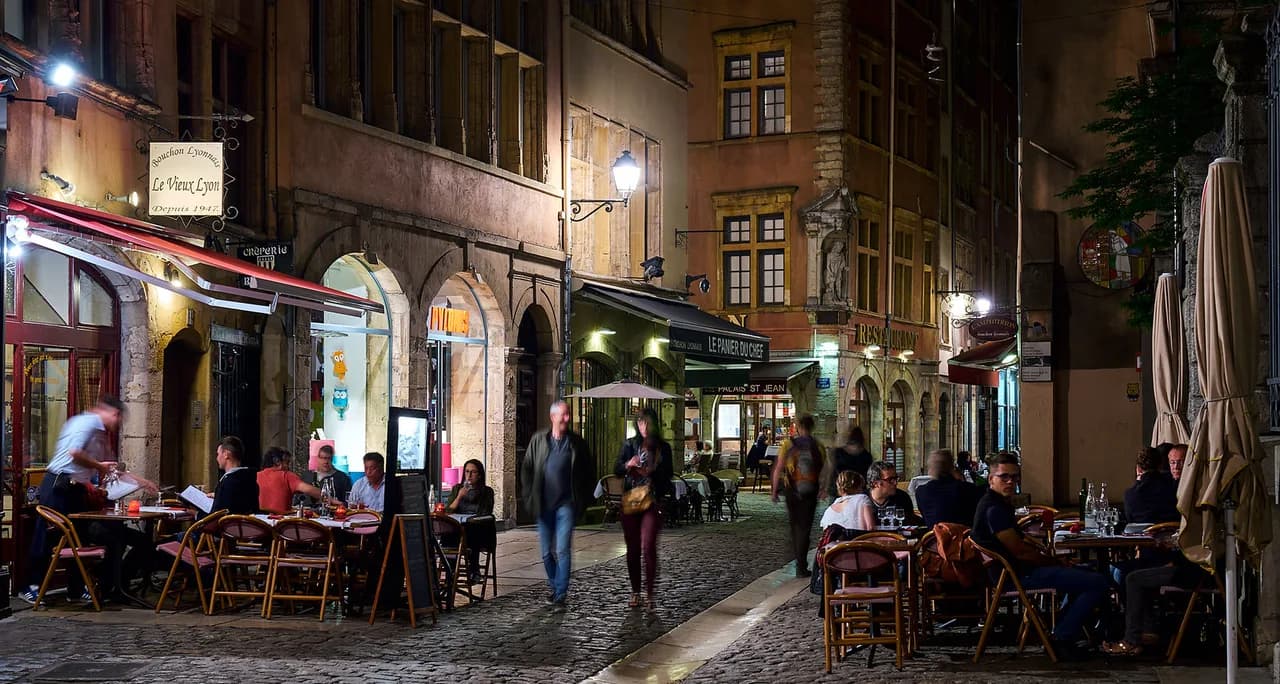
If you have a second day, consider heading north of Lyon into the Pierres Dorées or adding a wine bar evening back in the city instead of another vineyard. Lyon itself has excellent wine bars pouring Rhône bottles, which is the cheapest way to taste widely after your visits. That also gives you a fallback when an appointment falls through.
Harvest Timing and Appointment Culture
Harvest in the Northern Rhône generally falls in September, with picking on the steep Côte-Rôtie terraces done by hand and often stretching by parcel. Late summer and early autumn are busy in the cellars, so appointments are harder to arrange and the people who answer emails are in the vines. Late spring and early summer are easier windows for visits, though some small domaines close for holidays in August.
Appointment culture here is real: many small estates receive visitors only by prior arrangement, and a phone call or email a few weeks ahead is normal rather than rude. State that you are coming from Lyon, give a time window rather than an exact minute, and ask whether there is a fee and whether it is deducted from a purchase. Confirm the language of the visit if you do not speak French.
Buying Guigal Without Visiting
If an Ampuis appointment does not work out, the entry-level Côtes du Rhône is widely distributed and gives you the house's baseline before you leave home. Note that retail prices in the United States have no bearing on French cellar-door pricing, so ignore dollar figures when budgeting a visit. In France, check the shelf price at a Lyon wine shop or Nicolas rather than converting an American listing.
Buying at a winery in France often means the producer's own tariff, which may or may not undercut retail after you account for shipping or luggage space. Ask about ex-cellar prices and whether the estate ships, then compare with what you saw in Lyon before committing. For the higher-tier wines, availability at the cellar door can be limited, so ask what is currently open for sale rather than expecting every cuvée to be on the shelf.
Tasting Guigal Wines in Lyon Instead
Lyon's wine bars and restaurants pour Rhône wines by the glass, which lets you compare Côte-Rôtie against Crozes-Hermitage and Condrieu within one evening without any transport planning. Look for places with a by-the-glass list that names the appellation rather than just the producer, and ask staff which northern wines they currently have open. That approach suits short trips, rainy days and travelers who prefer city time to vineyard roads.
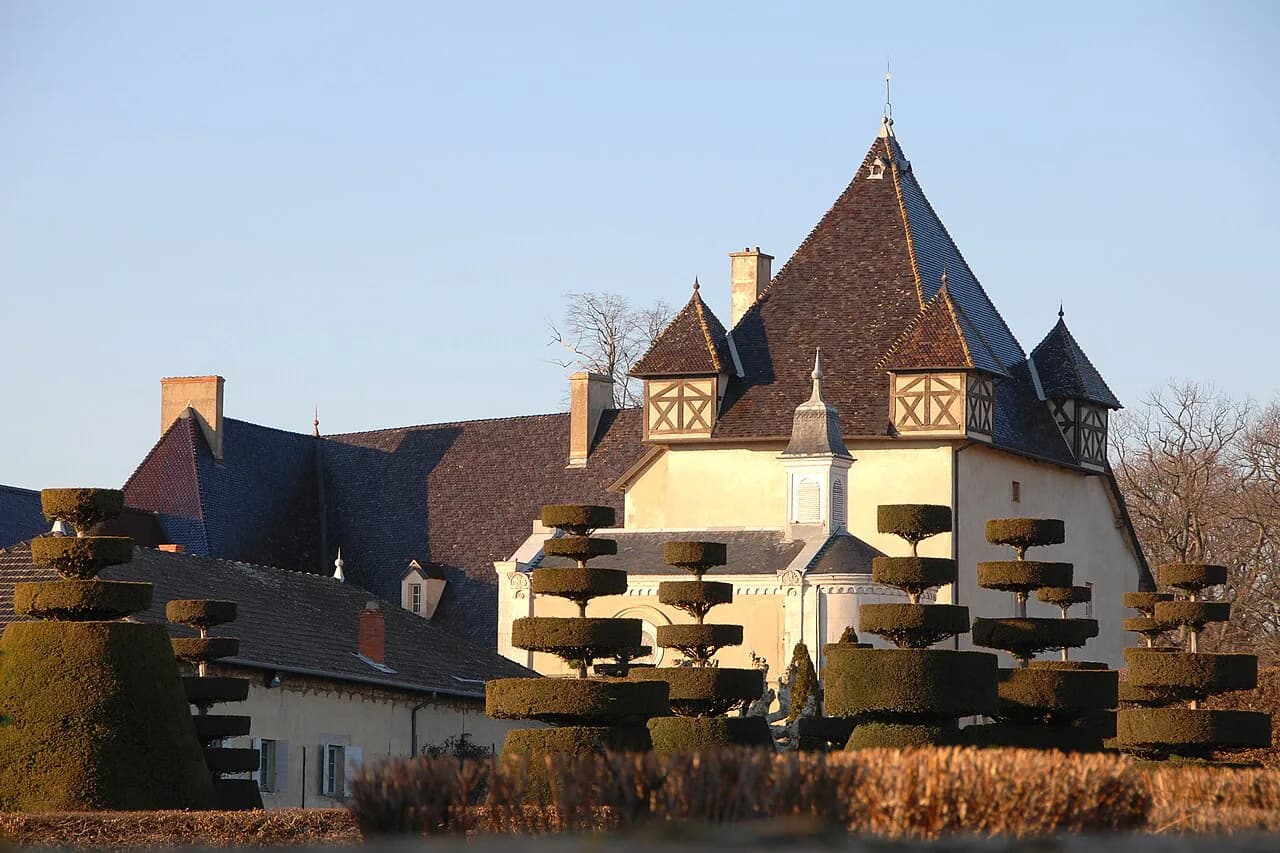
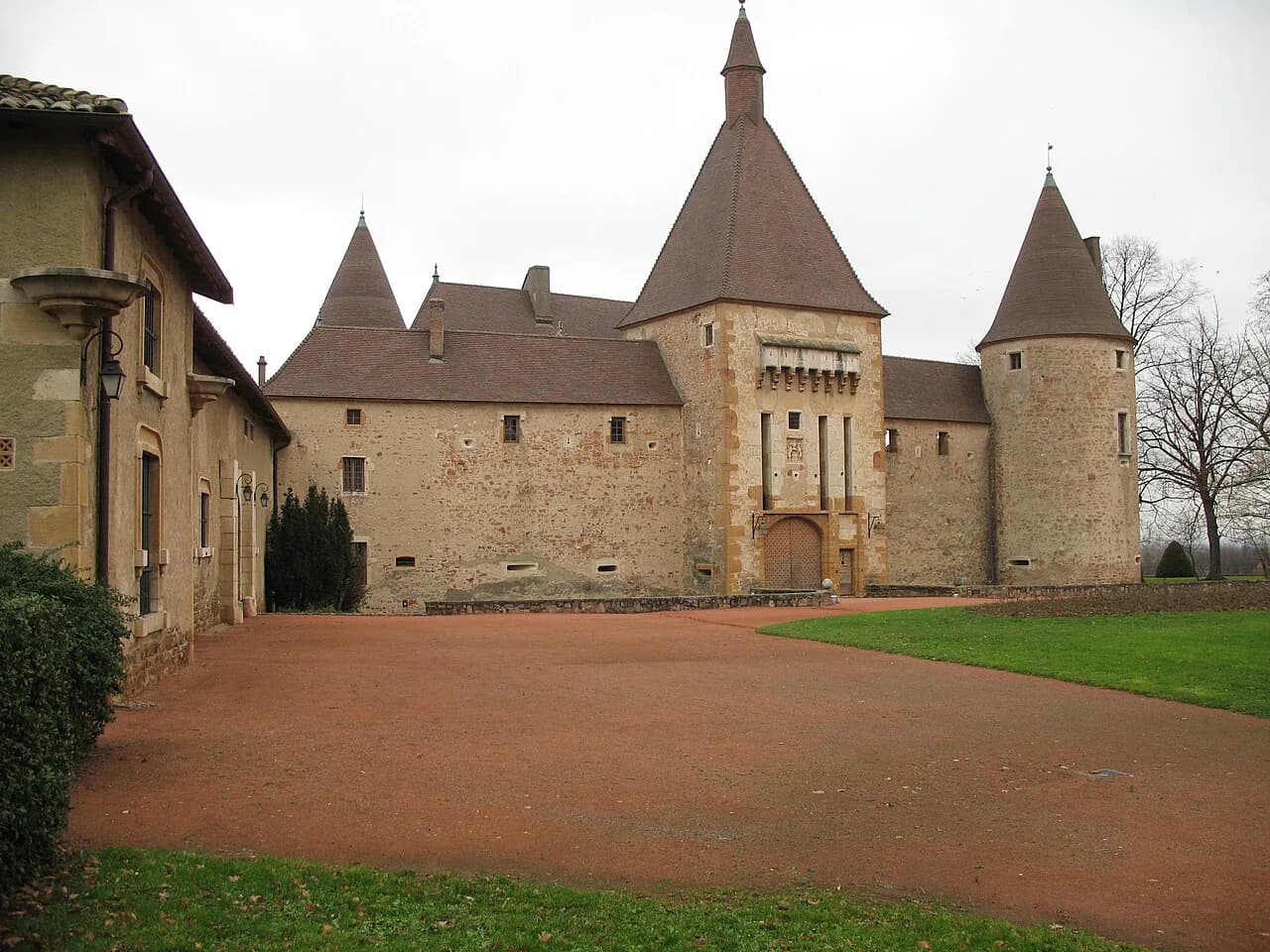
For a broader look at the region without leaving the city, the wine tasting guide covers organized tastings, shops and caveaux that pour Rhône appellations. If you later want to compare against a different French region, a stop at Château de Pizay in Beaujolais works as a contrast to the steep Syrah terraces.
Getting Around Responsibly
Anyone driving the river road between Ampuis and Condrieu should not taste at all, or should use the spittoon and keep to water; the route is narrow, with tight bends and roadside works. Appoint a designated driver, book a tour, or take the train and a taxi so nobody is put in that position. Tastings at small estates often run longer and pour more generously than expected, which makes the decision before you leave Lyon the important one.
Plan Your Visit
Start with the producer's own site to understand what Guigal makes, then write to the firm directly about whether a visit to Ampuis is possible on your dates. Once that answer is in hand, build the rest of the day around a second village, usually Condrieu, and decide between train plus taxi and a booked tour from Lyon.
Allow one confirmation email shortly before you travel for the details that shift, such as the meeting point and whether a tasting fee applies. Everything else—the appellations, the estate versus negociant split, the cooperage—you can learn in advance, which makes the time in the cellar far more useful.
Frequently Asked Questions
What is Guigal wine?
Guigal is a Rhône Valley producer founded in Ampuis in 1946 and still family-run, now in its third generation. The range runs from Côtes du Rhône up through Crozes-Hermitage, Saint-Joseph, Hermitage, Condrieu and Côte-Rôtie, with single-site Côte-Rôtie and Hermitage wines at the top tier.
Where is Guigal located?
The firm's address is Château d'Ampuis in Ampuis, in the Northern Rhône, roughly half an hour south of Lyon by road. Ampuis is the central village of the Côte-Rôtie appellation.
Can you visit the Guigal winery in Ampuis?
The producer's official site describes the family, vineyards and wines but does not publish visitor hours, tasting fees or a booking form. Contact the firm directly to ask whether visits are currently offered and what conditions apply.
How far is Ampuis from Lyon?
Ampuis is in the Northern Rhône, about half an hour south of Lyon by car. Allow extra time during harvest and on busy weekends, when village roads are slow.
What grapes are used in Côte-Rôtie and Condrieu?
Côte-Rôtie is Syrah, with a small proportion of Viognier permitted in the blend, grown on steep terraced slopes above the river. Condrieu, a short drive south, is white wine made from Viognier alone.
Do you need an appointment to taste in Ampuis?
Many small estates in Ampuis and the surrounding villages receive visitors only by prior arrangement, so email or call a few weeks ahead. Ask about party size, the language of the visit and any tasting fee.
When is harvest in the Northern Rhône?
Picking generally takes place in September, by hand on the steep Côte-Rôtie terraces. Cellar schedules are tight at that time, so visits are harder to arrange than in late spring or early summer.
What should a driver do on a Côte-Rôtie day?
A driver should not taste. Use spittoons and water, appoint a designated driver, book a tour, or travel by train and taxi so nobody on the trip is driving after tasting.
Sources
Notes for your next wine trip
Optional updates to our winery and wine-town guides.
You might also like
Continue reading
More guides you'll find useful