Fattoria Sardi Near Lucca: Tasting and Booking Guide
Plan a Fattoria Sardi visit from Lucca: where the estate sits, its organic wines, how to request a tasting and how to reach it without driving.
On this page
Fattoria Sardi sits in the low hills west of Lucca, close enough to the historic center for a short taxi ride but far enough that you are standing among vines and olive groves rather than traffic. It is a working farm with three separate visitor strands: a restaurant, organized tasting experiences, and a small agriturismo. Each is arranged differently, so the first planning decision is which of the three you actually want.
This guide covers where the estate is, the wines its own site lists, how appointment culture works on a Tuscan estate of this size, and how to reach it without driving. Tasting fees, serving days and seasonal pauses are not published in what the estate makes available online, so those are questions for the booking message rather than numbers to plan around in advance.
What Fattoria Sardi Is
Fattoria Sardi is an organic and biodynamic farm in the Lucchesia, the plain and hill country around Lucca. A visitor listing describes the property as extending over roughly 45 hectares, with about 20 hectares of specialized vineyards, which gives a sense of scale: substantial enough to farm seriously, small enough that hospitality runs on appointments rather than turnstiles.
The estate runs on a mixed-farm model rather than as a tasting room attached to a château. Alongside wine it produces olive oil, honey and fruit juices, and it keeps a restaurant, a set of guest apartments and event space. That mix is the main thing to understand before booking: a visit here is a farm visit with wine at its center, not a polished winery tour with a fixed script.
Because the property is actively farmed, what is available to visitors shifts with the season and the work in progress. Harvest, pruning and bottling all pull staff away from hospitality, so the estate's answer to your inquiry is the reliable guide rather than any general calendar you find elsewhere.
Where the Estate Is
The published address is Via della Maulina 747, 55100 Lucca, and the estate places itself a few kilometers from the city, among vineyards and olive groves. Lucca's historic center is about 4 km away by road, which makes the estate one of the closest wine-farm visits you can make from the city walls.
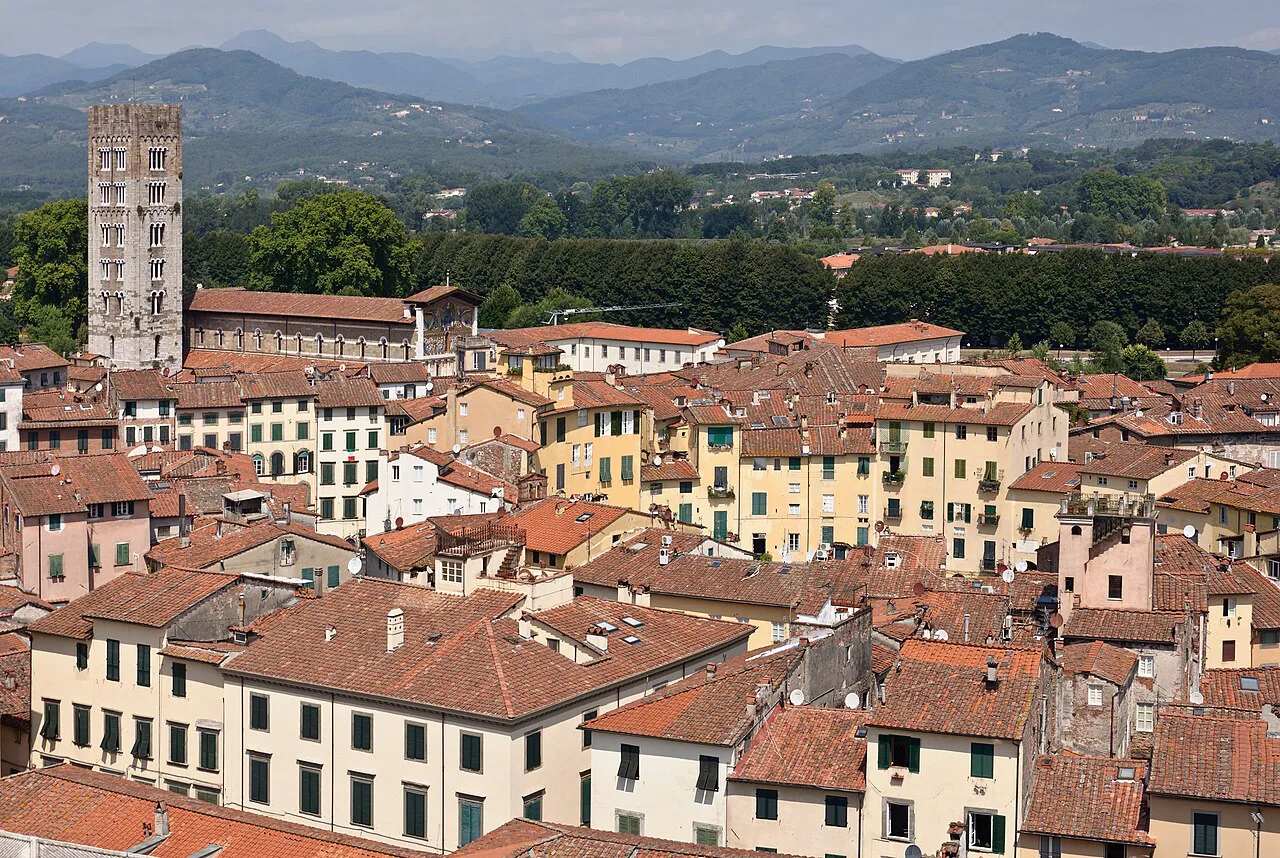
That proximity matters for planning. A taxi from the center is a short ride, and a confident cyclist can ride out into the hills in well under half an hour; the return trip is the part to think about, since country roads at night are dark and poorly lit in stretches. The address also puts the estate on the western, hillier side of Lucca, which is useful if you are grouping it with other stops in the same wine district — see this guide to wine tasting in lucca for how the zones fit together. If you are weighing an overnight base beyond Lucca itself, the Siena wine guide shows how another Tuscan city organizes its enoteche and classes.
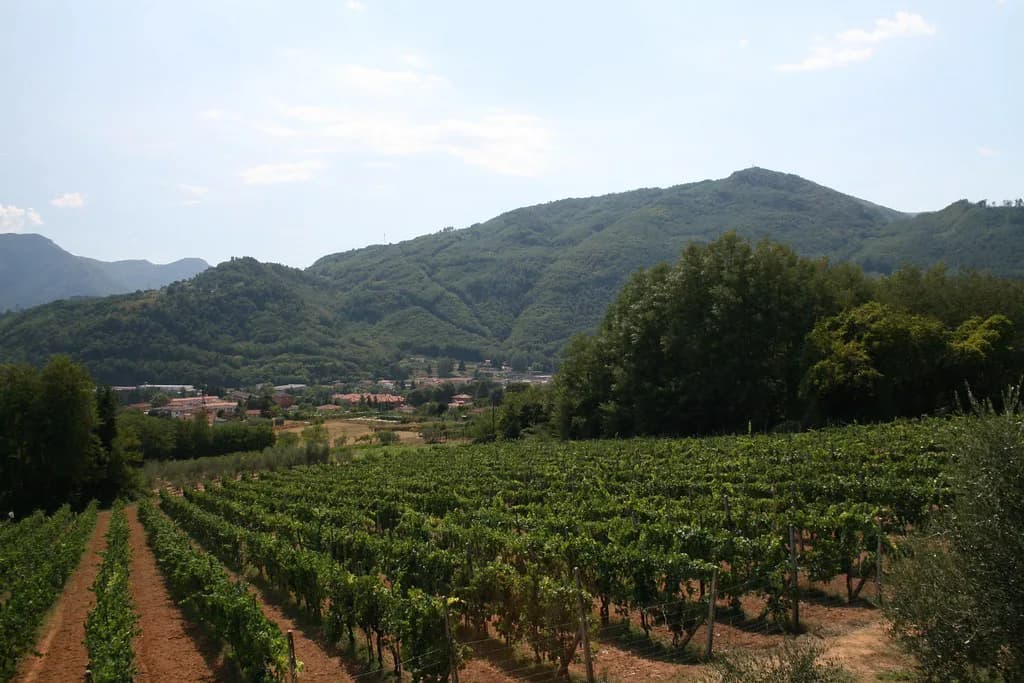
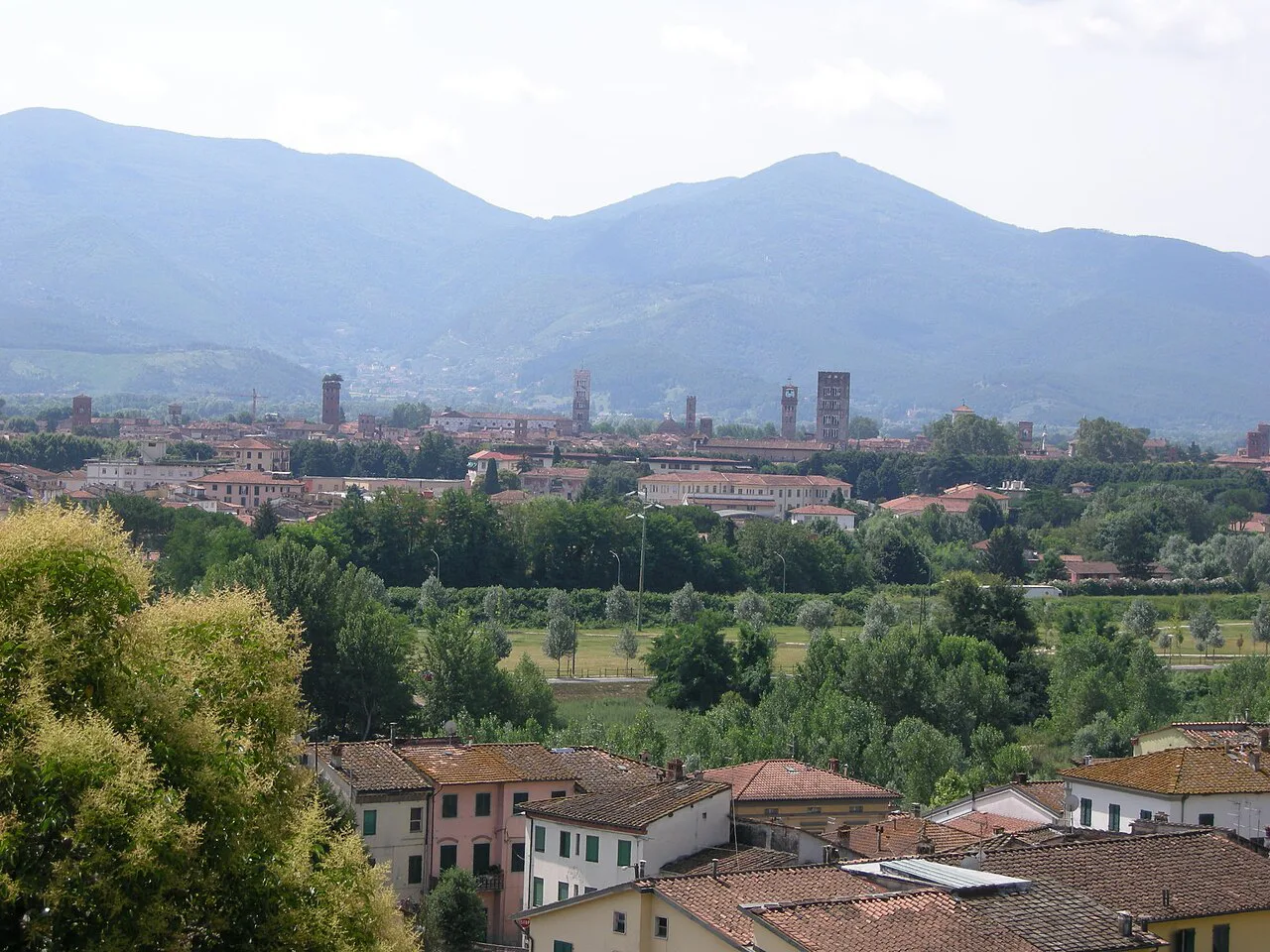
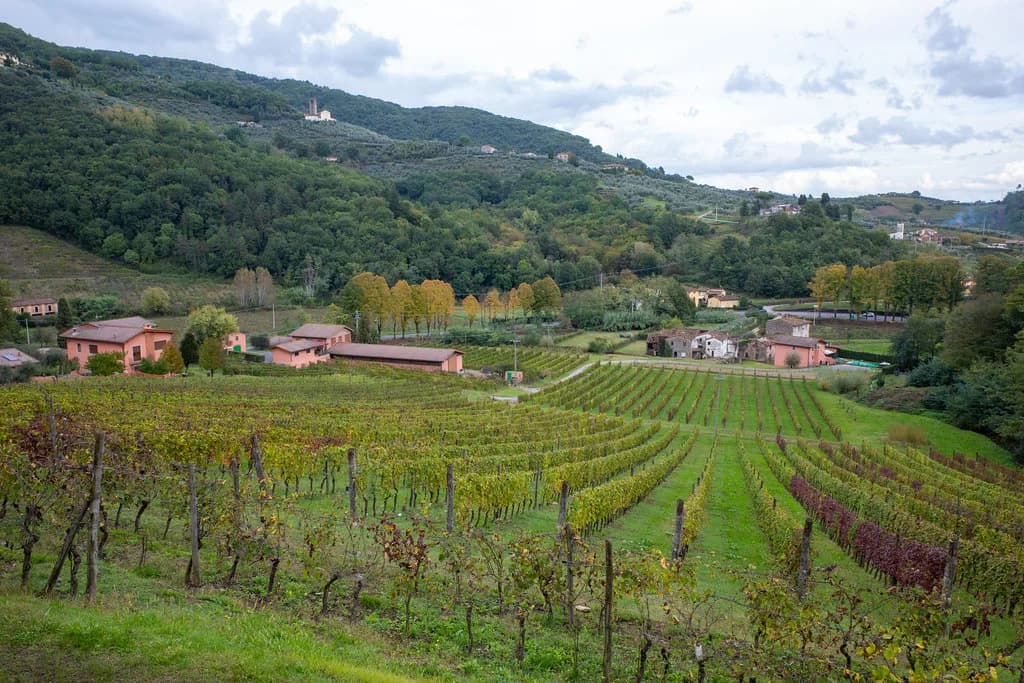
The surrounding landscape is the classic Lucchesia pattern: vines and olives on gentle slopes, woods behind, and the walled city visible below. Villa Renaissance is part of the same estate's hospitality offer, so if you are looking at accommodation, ask which property a given booking refers to before you commit.
The Wines to Expect
The estate's own site lists its range by name and color, which is the most reliable basis for knowing what might be poured. Whites include Vermentino, Sottovilla and Vallebuia Bianco; reds include Vallebuia Rosso and Sebastiano Merlot; there is a rosato sold as Rosè Primavere and Le Cicale, sparkling Pet-Nat in both rosé and white, and a Vermouth. Olive oil, honey and fruit juices round out the farm's production.
For orientation, Vermentino is the white grape most associated with coastal Tuscany and Liguria, typically fresh and light — a natural fit for an estate this close to Versilia. Merlot is the international red that performs well on the Tuscan coast and in the softer inland hills, and it appears here as a single-variety wine rather than a blend component.
The rosato and the Pet-Nat wines are the styles most visitors associate with informal, warm-weather drinking, and the Vermouth signals that the farm is experimenting beyond the standard red-white-rosé lineup. Labels such as Sottovilla and Vallebuia carry the estate's own naming rather than a village appellation, so do not expect to match them to a DOC shelf tag.
For a wider view of what the area's producers pour and how the local appellations are organized, this overview of wineries near lucca is a useful companion before you set an itinerary.
The local appellation story is worth knowing even though Fattoria Sardi labels its wines by proprietary names. The hills north and west of Lucca are home to the Colline Lucchesi DOC, and estates such as tenuta di valgiano farm in that zone — useful context when you compare a farm like Sardi with a DOC-focused estate.
Appointment Culture and What to Ask
Small Tuscan estates almost always receive visitors by arrangement, and Fattoria Sardi publishes phone and email contacts rather than a walk-in tasting room with posted hours. The practical approach is to send an email with your dates, the number in your party, and whether you want wine only or a food pairing. The estate lists phone +39 0583 341230 and email FATTORIASARDI@GMAIL.COM on its hospitality pages.
In your message, ask four things that determine whether the day works: which days the tasting experiences actually run in your month, how long the visit lasts, what it costs per person, and whether a language other than Italian is available. Ask also whether children or non-drinkers can come along, since a farm visit with a restaurant is often more flexible than a cellar tour.
Price is the item most often missing from estate websites, and it is not published for tastings here. Rather than budgeting from other wineries' figures, ask directly in the same message and treat the reply as the only reliable number. The same applies to group minimums, which vary with staffing.
Booking the Restaurant and Tasting Experiences
The restaurant and the enogastronomic experiences are booked separately from the rooms, and the site keeps distinct sections for eating, experiences and sleeping. If you want lunch with a tasting, say so in one message so the estate can line the two up rather than you booking a table and a visit independently and hoping they meet.
For the restaurant, midday is the easier slot to combine with a tasting, since it leaves the afternoon free and avoids a dark country-road return. Weekend lunches fill earlier than weekdays, so send the request as soon as your dates are fixed rather than in the final week.
If you would rather hand the logistics to someone else, guided options exist in the area — this selection of lucca wine tours covers operators who handle transport and appointments together. That route costs more per head but removes the appointment guessing and the drive.
Getting There Without Driving
From Lucca's center, the estate is a short drive of about 4 km, so a taxi is the simplest option and worth booking for the return as well, since rural taxis are not waiting at the gate. Give the driver the full Via della Maulina 747 address rather than the estate name, as the road runs some distance and the entrance is easy to miss.
Cycling is realistic for a confident rider: the distance is modest, though the last stretch climbs into the hills and the roads are shared with local traffic. An e-bike from a Lucca rental shop takes the sting out of the ascent and gives you a flexible return time.
Whoever is driving should not taste. Use the spittoons that estates provide, agree on a designated driver for the day, or take a taxi or guided tour so the whole party can drink without negotiating the hills afterwards.
A guided tour is the better trade-off if your group is small and you want more than one stop; the independent taxi is cheaper for two people and gives you control of timing. For a fuller comparison of road, rail and bike options across the district, the Lucchesia pages of a wine tasting in lucca guide are worth reading before you commit to a plan.
Staying on the Estate
The agriturismo occupies a restored 18th-century farmhouse complex and comprises seven apartments, ranging from a two-person unit to a six-person apartment. The larger units, such as San Frediano/Cicale, are set over two floors with kitchens, multiple showers and outdoor space facing the pool and vines.
Staying on site changes the shape of the day: you can taste at midday without thinking about the drive home, and the pool and countryside fill an afternoon that would otherwise be a return trip to the city. The trade-off is isolation — you are dependent on a car or taxi for dinners and evenings in Lucca, since the estate is a few kilometers from the walls.
Sleeping in Lucca and visiting for a half day is the reverse compromise: restaurants, shops and evening walks on your doorstep, but a fixed return time. If the farm-stay idea appeals more broadly, this guide to agriturismo lucca options shows what else exists in the same hills.
A Realistic Half Day from Lucca
A sensible plan for a morning visit starts with a taxi out around mid-morning, a tasting followed by lunch at the estate's restaurant, and a return to Lucca by early afternoon. That sequencing keeps the daylight for the country roads and leaves the evening free in the city.
If you want a second wine stop, the geography argues for choosing one in the same hill belt rather than crossing the plain. Estates in the Colline Lucchesi zone, including those profiled among the wineries near Lucca, sit in similar country and can be combined if both sides confirm appointments for the same window.
Avoid stacking three visits into one day. Appointments drift, roads are slow, and the pleasure of a farm visit comes from not watching the clock; two stops with a real meal between them is a full and satisfying day in this part of Tuscany.
Plan Your Visit
Fattoria Sardi works best as a half-day farm visit from Lucca: a short taxi or bike ride, an arranged tasting, lunch on site and an easy return. Email or phone with your dates, party size and food plans, and ask directly about cost, duration and languages, since neither is published online.
If you want to stay in the hills, the agriturismo apartments let you taste without driving, at the cost of needing a car or taxi for evenings in the city. If you want the city on your doorstep, sleep inside the walls and book the return taxi before you leave in the morning.
Frequently Asked Questions
Where is Fattoria Sardi relative to Lucca?
The estate is at Via della Maulina 747, in the hills west of Lucca, roughly 4 km from the historic center. That is a short taxi ride or a manageable bike ride for a confident cyclist, though the final stretch climbs and the roads carry local traffic.
Do you need an appointment to taste at Fattoria Sardi?
Plan on arranging your visit in advance. The estate publishes phone and email contacts rather than a walk-in tasting room with posted hours, so send your dates, party size and whether you want food at the same time, and wait for confirmation before traveling.
What wines does Fattoria Sardi produce?
Its own site lists Vermentino, Sottovilla and Vallebuia Bianco among the whites, Vallebuia Rosso and Sebastiano Merlot among the reds, plus the Rosè Primavere and Le Cicale rosato, Pet-Nat sparkling in rosé and white, and a Vermouth. Olive oil, honey and fruit juices are also produced on the farm.
How do you get to Fattoria Sardi without a car?
Take a taxi from Lucca's center — a short ride — and arrange the return in advance, since rural taxis do not wait at the gate. Cycling is realistic on an e-bike, and guided wine tours that include transport are the alternative if you want the whole party to taste.
Can you stay at Fattoria Sardi?
Yes. The agriturismo has seven apartments in a restored 18th-century farmhouse, from two-person units up to a six-person apartment with two floors and multiple bathrooms. Villa Renaissance is also part of the estate's hospitality offer, so confirm which property your booking refers to.
How much does a tasting at Fattoria Sardi cost?
Tasting prices are not published on the estate's site. Ask for the per-person cost, the length of the visit and what is included when you send your booking request, and treat the reply as the figure to budget from rather than estimates from other wineries.
When is the best time of year to visit?
Spring and early autumn are the most comfortable for cycling and for sitting outdoors, while harvest in early autumn is a busy working period when hospitality may be tighter. Ask the estate which weeks suit visitors best during your travel window.
What should a driver do at the tasting?
Spit rather than swallow, or hand the driving to someone else entirely. Use the estate's spittoons, agree on a designated driver for the day, or book a taxi or guided tour so the whole group can taste without navigating the hill roads afterwards.
Sources
Notes for your next wine trip
Optional updates to our winery and wine-town guides.
You might also like
Continue reading
More guides you'll find useful