Wineries Near Lucca: Colline Lucchesi & Montecarlo Guide
Plan a wine day from Lucca with named wineries in the Colline Lucchesi and Montecarlo zones, typical tasting formats, booking rules and transport.
On this page
Lucca is an unusually efficient base for a wine day because the vineyard country wraps around the city rather than sitting an hour away. Estate visits are mostly clustered in two zones, the hills north and east of town and the small Montecarlo district to the northeast, so you can pick one zone and keep driving to a minimum.
The trade-off is that these are small, family-scale producers, not Napa-style hospitality operations with open gates all afternoon. Most visits run on reservations, many have minimum party sizes, and the formats range from a short cellar tasting to a longer winemaker session or a seated lunch. Knowing the formats and typical prices before you email saves a round of back-and-forth.
Why Lucca Works as a Wine Base
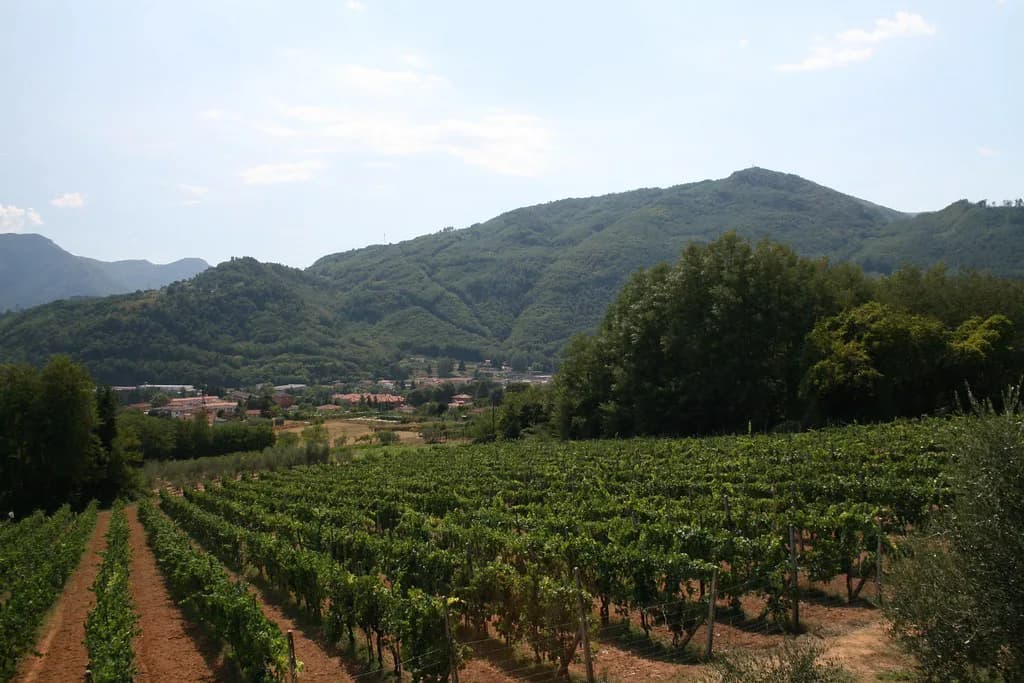
The vineyards sit between 100 and 300 meters above sea level in a belt that curves around the city, with most estates roughly 15 to 20 minutes by car from the center. That geometry matters: you can do a morning visit, return to Lucca for lunch and still fit a second tasting in the late afternoon without spending the day in a vehicle.
The city itself is compact enough to walk, and the walls make an easy orientation point for meeting a taxi or picking up a rental bike. Montecarlo di Lucca, the fortified village at the heart of the eastern zone, is an obvious anchor for a half-day because several estates sit in and around it.
If you want the full picture of the appellations, grape varieties and styles before choosing estates, start with the broader guide to wine tasting in lucca, then use this page to pick specific visits and work out transport.
Colline Lucchesi vs Montecarlo: Which Zone to Pick
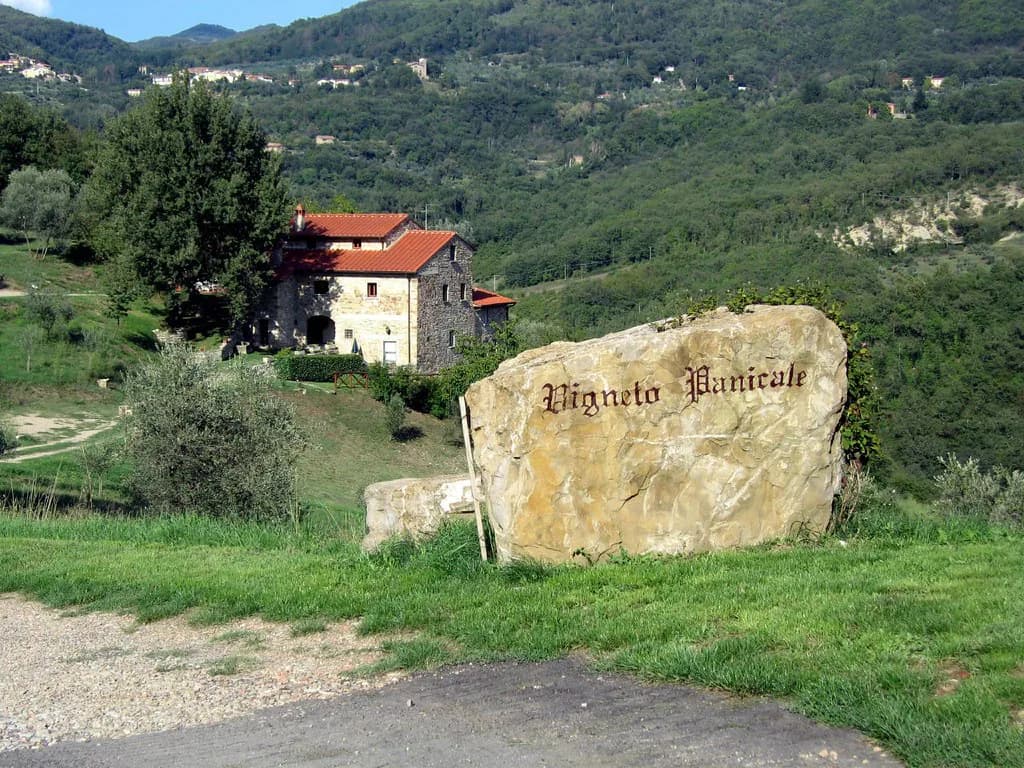
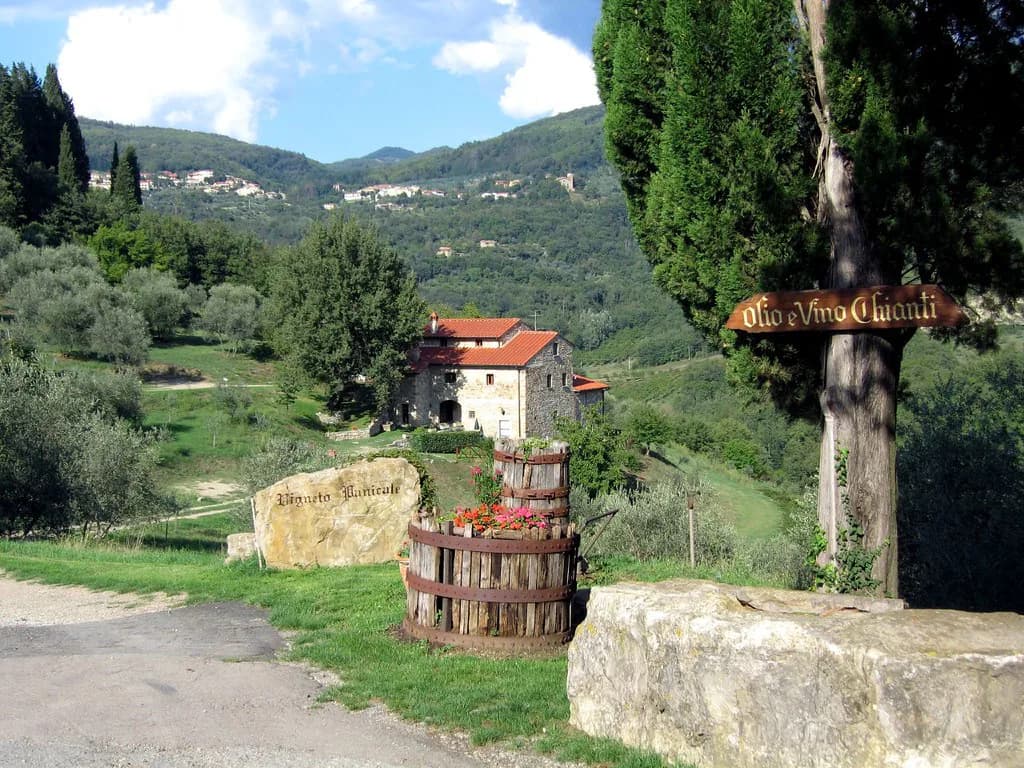
The hills north of Lucca are home to the Colline Lucchesi DOC, established in 1968, and the reds are typically Sangiovese-based blends, often with Canaiolo or Ciliegiolo and sometimes Merlot or Syrah. Whites lean on Trebbiano and Vermentino, and the soils are a mix of sandstone, clay and limestone marl, which gives a savory, mineral edge rather than heavy power.
Montecarlo DOC sits on its own hill around the walled village to the northeast, and it is the zone to choose if white wine and a walkable village appeal to you. Montecarlo Bianco is a structured, aromatic blend, and the DOC permits varieties including Sauvignon Blanc, Roussanne and Semillon alongside the Tuscan grapes, which surprises visitors expecting a simple Tuscan white. If you are weighing a Montecarlo half-day against a more famous Tuscan red zone, the montepulciano wineries around Vino Nobile offer the natural comparison.
For a half-day, pick one zone rather than trying to cross both. Montecarlo suits a compact loop with a village stop; the Colline Lucchesi hills reward a slightly longer route that can take in the villas around Marlia and the slopes further north.
If you would rather hand the routing and driving to someone else, guided lucca wine tours typically combine two estates with transport and are built around these same two zones.
Named Estates That Receive Visitors
Fattoria Maionchi, in Capannori on the edge of the hills, runs a two-hour winery tour with a four-wine and olive oil tasting; it is listed with a minimum of two guests and a maximum of twenty, from €40 per person. That combination of a walk-through and a food element is a good first visit if you want context rather than just glasses on a counter. Fattoria Carmignani, at Montecarlo, is the busiest option in the zone, with several formats: a sensory tasting of about 1 hour 45 minutes from €39, a classic tasting of 1 hour 15 minutes from €25, a sommelier tasting of 1 hour 5 minutes from €20, a deluxe tasting of 1 hour 20 minutes from €30, and a light lunch of 2 hours 30 minutes from €55. Groups are capped at fifty for the standard formats, so it is the easiest estate to book for a larger party.
Tenuta del Buonamico, also at Montecarlo, offers its signature tradition tasting of about one hour from €35, with a minimum of one and maximum of eighteen guests, plus a two-hour light lunch wine experience from €70. The smaller maximum makes it a calmer choice for couples and small groups. Tenuta San Beda at Montecarlo is where the winemaker-led formats concentrate: an hour-and-a-half session from €40 and a two-hour premium version from €50, both with a minimum of two and a maximum of twelve guests. These are the bookings that fill first, so they are worth reserving earliest in your planning.
Fattoria Al Dotto, at Carignano just north of Lucca, produces wine and olive oil and organizes tastings on the estate; its own site is the place to ask about formats, timing and availability.
What a Tasting Actually Looks Like
Across the booking listings, experiences run from one hour up to eight hours, and published prices sit between €18 and €225 depending on format. A typical seated tasting pours three to five wines, starting with a white or rosé and moving to the Sangiovese-based reds, usually guided by an English-speaking host for 60 to 90 minutes. The price gaps are not arbitrary. A short sommelier-led tasting at Fattoria Carmignani starts around €20, while a winemaker session at Tenuta San Beda costs roughly double that, and the difference is time, intimacy and the depth of technical explanation rather than more wine. Cooking classes and lunch formats jump to the €70 to €130 range because you are paying for a meal and a kitchen.
A full winery tour usually adds a walk through the rows and a look at the fermentation area to the tasting itself. Ask when you book whether the visit includes the vineyard and cellar or only the tasting room, because at small estates the tour is often a separate format from the seated tasting.
Tastings with a local menu lean on the Lucchese table: unsalted Tuscan bread, peppery olive oil, sheep cheese and dishes like tordelli lucchesi. If you have dietary restrictions, say so in the booking email, since lunch formats are cooked to a set menu rather than assembled on the spot.
Montecarlo on Foot
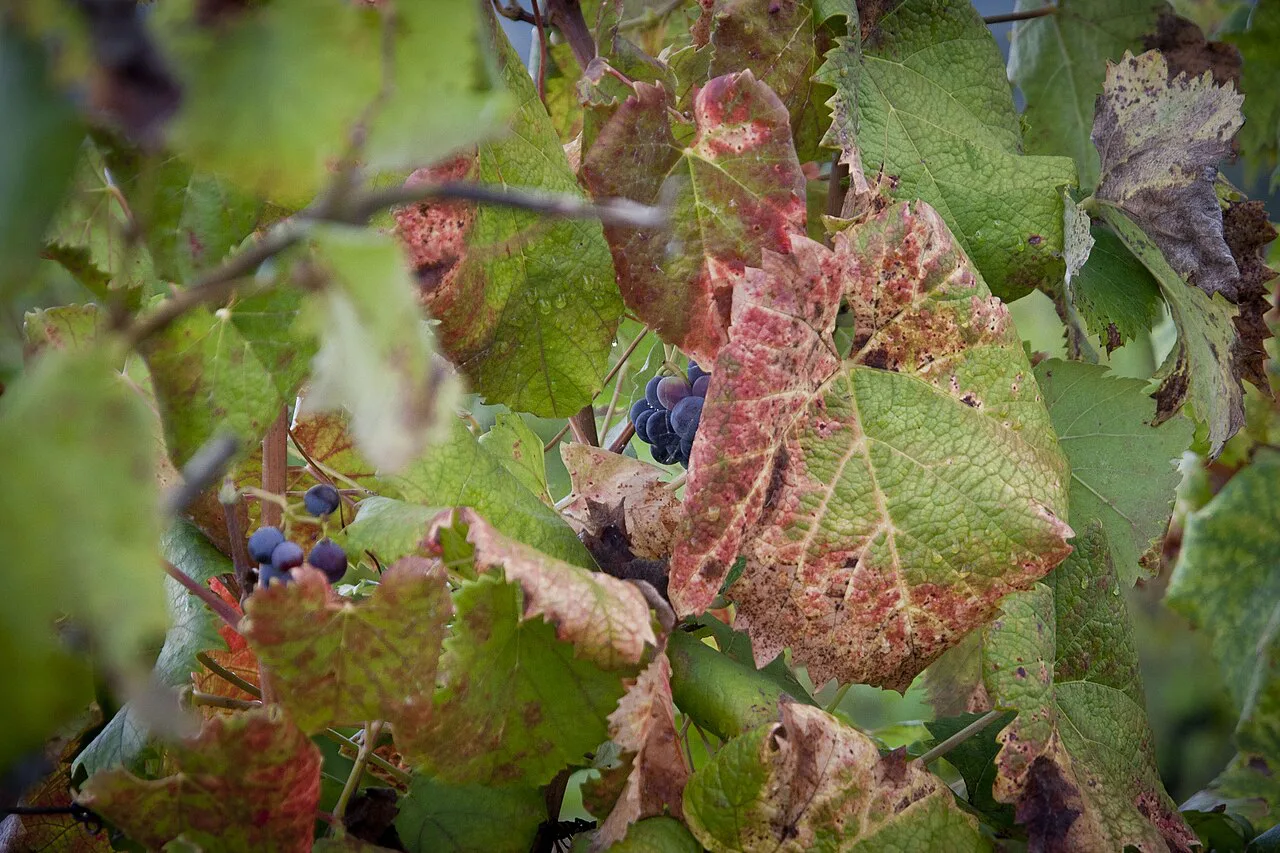
Montecarlo di Lucca is a small fortified village on a single hill, and the wines are the reason to build a half-day around it rather than a quick photo stop. Several of the estates listed above sit in the Montecarlo area, which means you can pair a hilltop stroll and a fortress view with an afternoon tasting a few minutes away.
The village also makes a sensible base for a night if you want the wine day to be short; staying up here rather than in Lucca cuts out the return drive and lets you start the morning in the vineyards. Compare options through Agriturismo near Lucca if that appeals more than a city hotel.
When tasting Montecarlo Bianco, look for the comparison rather than a single glass: the structured white shows best next to a red from the same estate, which is why several local formats are built as a flight rather than a choice.
Booking Mechanics: Emails, Minimums and Party Sizes
Almost every listed format carries a minimum of two guests, and a few accept a single guest, so solo travelers should check before assuming a booking is possible. Maximums matter too: the winemaker tastings cap at twelve at Tenuta San Beda and eighteen at Tenuta del Buonamico, while Fattoria Carmignani can take groups of up to fifty on standard formats.
A useful booking email states your date, preferred time window, party size, whether you want a tour or a seated tasting, and any dietary needs. Add whether you have a driver who will not taste, since hosts can then set out spittoons and adjust the pour.
Small Lucchese estates do not keep tasting-room staff waiting by the door, so a walk-in is a gamble outside organized tours. Booking online or by phone a few days ahead is the norm, and for winemaker formats or harvest-season weekends, weeks ahead is wiser.
Leaving the car behind is the other half of the plan. If you would rather not drive the hill roads after a tasting, a booked wine tours format handles the logistics in one step, and taxi firms in Lucca will quote a round trip into the hills if you ask for a fixed waiting time.
Getting There Without Driving
A taxi from Lucca to an estate in the Montecarlo or Capannori area is a short ride, but the meter keeps running while you taste, so negotiate a round trip with a set waiting window rather than hailing one on the way back. Ask the estate to call a local driver for the return, since rural ranks are thin.
Cyclists have a real option: the hills are close enough to reach by bike from the walls, and the area is threaded with minor roads and a marked wine trail used for walks and e-bike rides between vineyards. The catch is elevation and heat, so plan a single estate with a long lunch rather than three stops in an afternoon.
Tenuta Valgiano, roughly 15 to 20 minutes' drive north of the city into the Lucchesi hills, is often mentioned for its elevated setting and views, which makes it a natural add-on for a northern hills route rather than a Montecarlo day.
The honest comparison: an independent taxi and self-booked tastings cost less per person for a couple and give you control over timing, while a guided tour costs more per head but removes the driving, the navigation and the risk of a host with no English on duty. For groups of four or more, the math often evens out.
Timing the Visit
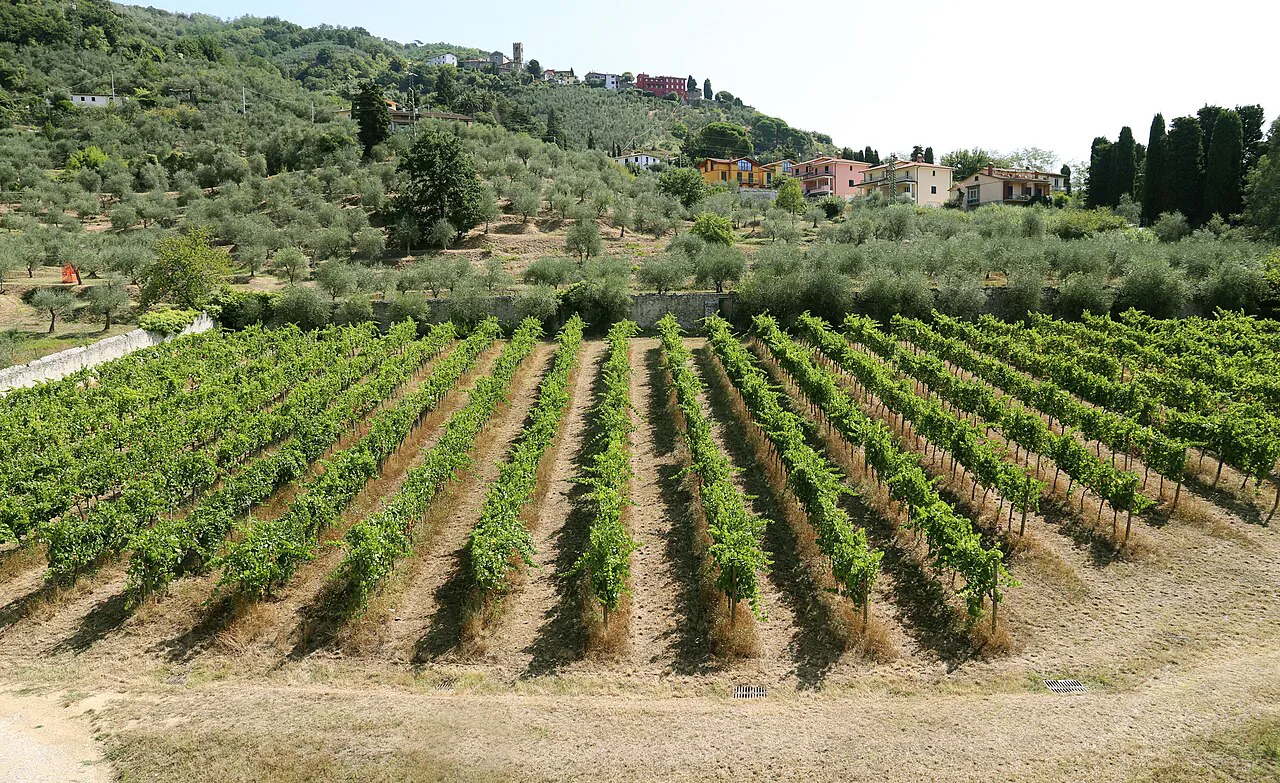
Spring brings green hills and mild temperatures, summer suits sunset slots that typically begin around 6 p.m., and autumn is the most atmospheric stretch because the harvest is under way. Harvest also means the cellars are busy, so book earlier for September and October than you would in May.
Opening days and seasonal closures vary by estate, so ask about your exact date in the booking email rather than assuming a standard calendar. Weekdays are quieter, and a host who is not juggling multiple groups will spend longer with you.
If your trip includes other bases, it is worth comparing formats: the wineries around the Sorrento Peninsula run a very different, coastal style of visit, and knowing the contrast helps you judge what a Lucchese cellar visit should feel like.
Where to Sleep and Eat to Keep the Day Short
Sleeping inside Lucca keeps restaurants, taxis and the walls within walking distance, and the drive out to either zone is short enough that you are not sacrificing a morning. A hills or Montecarlo agriturismo trades that convenience for vineyard views and a shorter last leg home after dinner.
For eating, build the day around one long lunch rather than two heavy meals: a light lunch at an estate replaces a restaurant stop and keeps the afternoon tasting feasible. Evenings back in Lucca suit the classic local dishes, which pair naturally with the Colline Lucchesi reds you will have just tasted.
Plan Your Lucca Wine Day
Choose one zone, book one winemaker or tour format and one lighter tasting, then sort transport before you commit. That structure gives you depth at one estate and contrast at another without turning the day into a driving loop.
If someone in the party is driving, they should skip the tastings and use the spittoons, or better, book a tour or taxi so everyone can taste. Confirm the day's timing and format directly with the estate when you book, and the rest of the plan falls into place.
Frequently Asked Questions
Which wineries near Lucca can you visit without a car?
The estates in the Montecarlo area are the most practical without a car because a taxi from Lucca is a short ride and the village itself is walkable. Cyclists can reach the hills and Capannori area on minor roads, and guided tours handle transport for both zones. Ask the estate to arrange a return taxi, since rural ranks are sparse.
How much does a wine tasting near Lucca cost?
Most booking listings publish a starting price for each format, ranging from short seated tastings at the low end to winemaker sessions, lunches and cooking classes at the top. Read the current listing for the estate and format you want, or ask the estate directly, since rates vary by season and party size.
Do you need to book Lucca winery visits in advance?
Yes, in practice. Most formats carry a minimum of two guests and small estates do not staff a tasting room for drop-ins, so reserve by the estate's website, email or phone. Winemaker sessions and harvest-season weekends are the first to fill, so book those earliest.
What is the difference between Colline Lucchesi and Montecarlo wine?
Colline Lucchesi reds are Sangiovese-based blends from the hills around Lucca, often with Canaiolo, Ciliegiolo or French varieties, and the whites lean on Trebbiano and Vermentino. Montecarlo DOC is centered on its hilltop village and is known for a structured, aromatic white blend that can include Sauvignon Blanc, Roussanne and Semillon.
How far are the Lucca wineries from the city center?
Most estates are roughly 15 to 20 minutes by car from Lucca, with Montecarlo to the northeast and the Colline Lucchesi hills wrapping around the north and east of the city. Tenuta Valgiano, for example, sits about 15 to 20 minutes north of town.
Can you walk or cycle to wineries from Lucca?
Cycling is realistic for a single estate plus a long lunch, using the minor hill roads and the marked wine trail used by walkers and e-bikes. Walking to multiple estates in a day is not practical given the distances and elevation, and heat in summer makes an early start sensible.
Sources
Notes for your next wine trip
Optional updates to our winery and wine-town guides.
You might also like
Continue reading
More guides you'll find useful