Fattoria Colle Verde Lucca: Visits, Tastings & Getting There
What Fattoria Colle Verde publishes about visits and tastings at its Matraia estate above Lucca, plus how the hillside location shapes booking and transport.
On this page
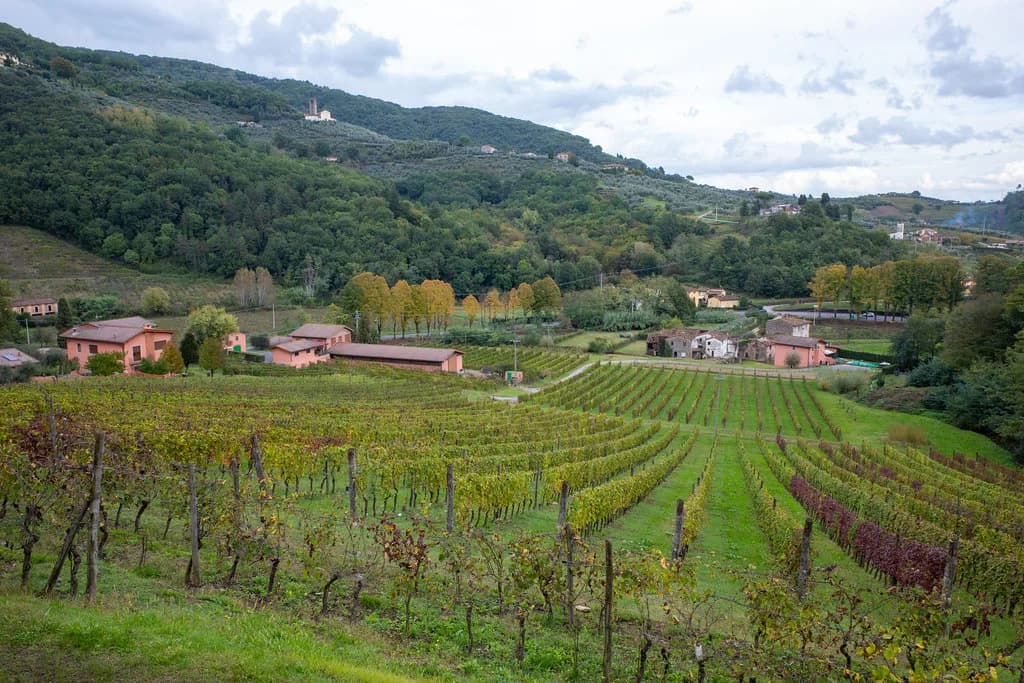
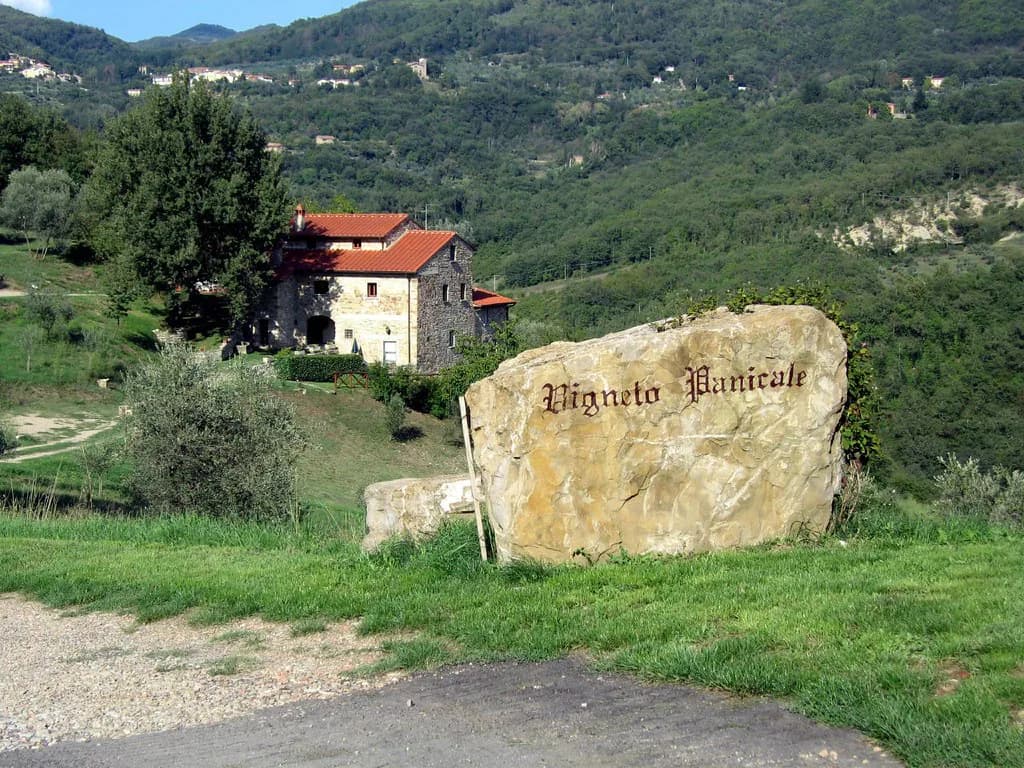
Fattoria Colle Verde sits at Matraia, a hamlet in the green hills above Lucca, where the estate farms vines and olives and runs a small wine resort alongside its cellar door offer. It is the kind of Tuscan address that rewards a little planning: the estate is not in the city, the road in climbs, and the visit you get depends on what you ask for in advance. This guide separates what the estate itself publishes from third-party descriptions, and shows how to shape a day around the hillside position.
The Estate in One Paragraph
Colleverde describes itself as a family estate that has farmed this corner of Tuscany for generations, producing red and white wine and extra virgin olive oil from organically managed land. Its own site links a wine tour and tasting offer, an online shop and a wine resort, so a visit can be a cellar appointment, a stay, or simply a purchase. The address on the estate's contact block is Matraia, in the comune of Capannori, on the slopes north of Lucca.
A separate English-language site for the estate leans on the same identity in stronger terms, calling Fattoria Colle Verde a family-owned biodynamic wine resort producing organic wines and olive oil in Tuscany. Third-party listings put it in the hills above Matraia, near Capannori outside Lucca, which is consistent with the estate's own address. Treat the biodynamic wording as the estate's self-description rather than a certification documented on these pages alone, and ask about farming practice if that detail matters to you.
What the Estate Publishes About Visiting
The clearest signal on the estate's own site is a dedicated wine tour and tasting page, reachable from the main menu, plus a booking-friendly contact block with a landline, a mobile number and an email address. That structure tells you the estate expects visitors and handles requests directly rather than through a city ticket office. What the public pages do not spell out is how many wines are poured, how long a tour runs, whether food is served, or what a tasting costs.
The same site also presents a wine resort, which changes the calculus for anyone worried about the drive back to Lucca after tasting. Staying on the property turns a there-and-back logistics problem into an overnight in the hills, with the tasting built into the stay rather than bolted onto a day trip. How the resort and the tasting interlock, and whether guests get a set visit, is exactly the sort of thing to raise in your first message.
An online shop with individual bottles and periodic offers rounds out the offer, useful if you would rather taste elsewhere and buy here, or if you want to arrange a delivery. The shop listings are product pages, not visit information, so do not read them as a tasting menu. For broader context on what else is pour in the area, our guide to Lucca Wine Tasting maps the surrounding appellations and options.
Where It Is: Matraia and the Hills North of Lucca
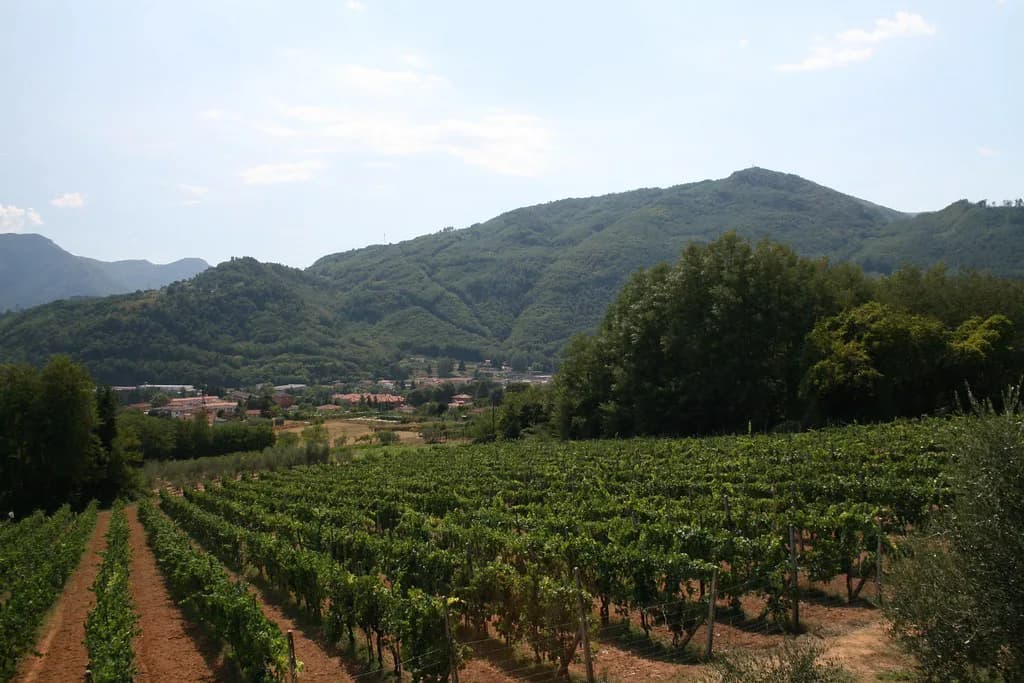
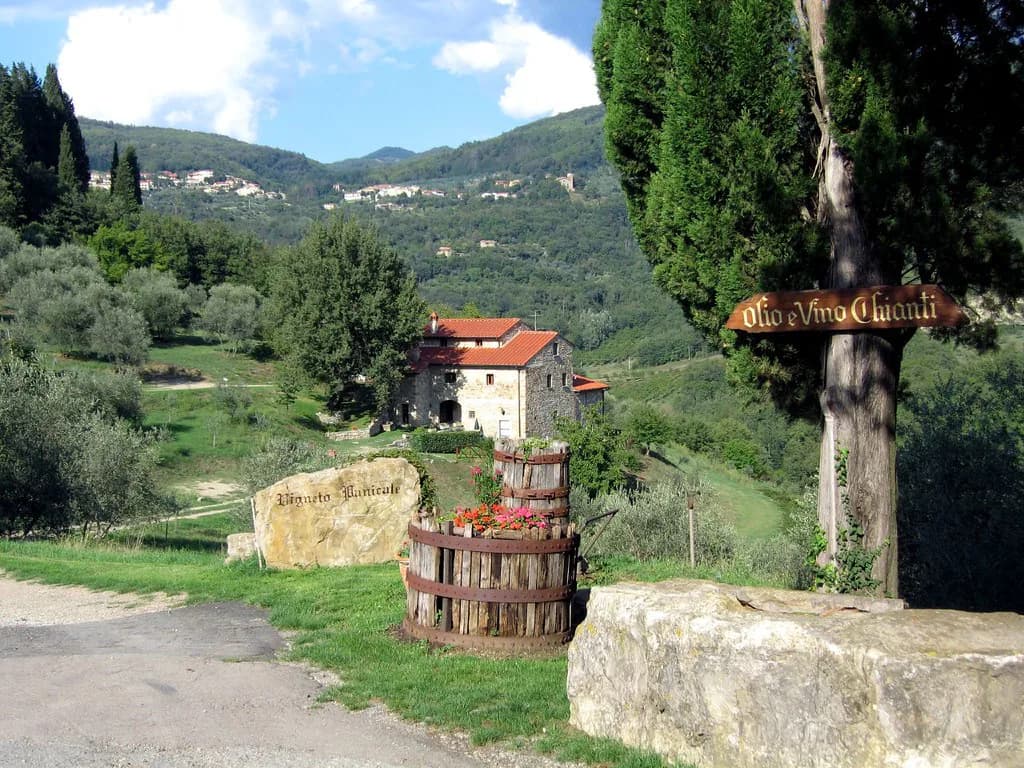
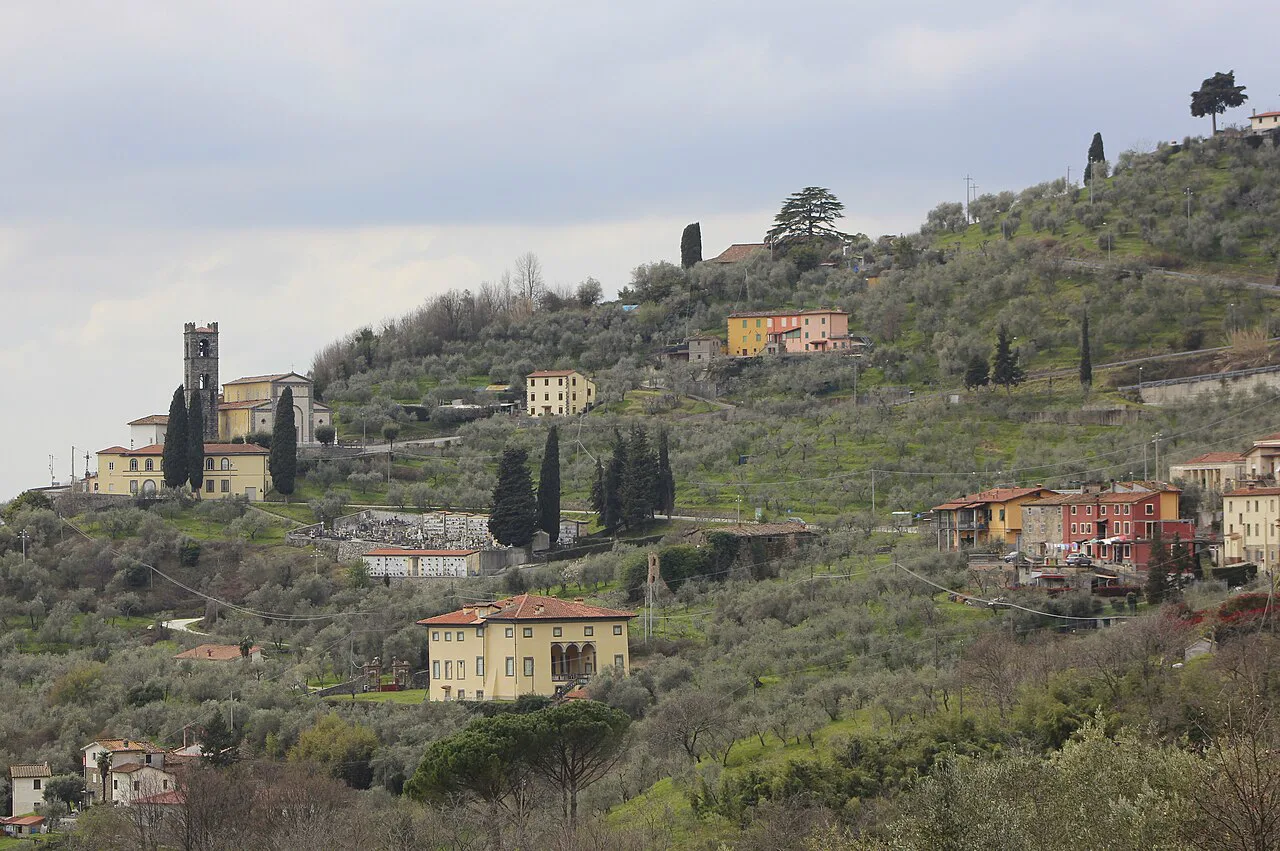
Matraia lies in the hills north of Lucca, administratively part of Capannori, on the wooded slopes that rise toward the Pizzorne ridge. The estate's own contact details place it in Matraia, and third-party descriptions agree on the setting above the plain. In practice, this means the visit is a hill excursion rather than a stop inside the city walls, and the last stretch of road is the part that shapes your transport decision.
Getting There from Lucca Without Driving
None of the estate's own pages publish a bus line, a shuttle, a walking route from Lucca or a transfer service to Matraia, so there is no figure to quote here and no timetable to trust. What the sources do support is the pattern: Matraia is a hill village reached by winding local roads, and estates in the Lucchesia hills generally expect guests to arrive by car, taxi or pre-arranged transfer. If you are traveling without a car, put transport in the same first email as the visit request, asking what guests typically do and whether a local driver can be recommended.
Independent travel is feasible in principle: a taxi from Lucca can take you up, and a booked return solves the descent, but you need the driver's number confirmed before you taste. Guided alternatives spread the logistics across several stops and remove the driving question entirely; our comparison of Lucca wine tours sets out how hill, Versilia and Chianti itineraries differ. Whichever route you choose, a driver in the party should not taste, and spittoons or a designated driver keep the day clean.
Booking Reality: What to Put in Your Request
Appointment culture dominates the Lucca hills, and the estate's published phone and email contacts are there for exactly this purpose. A useful first message is short and specific: the date you want, the number of adults, whether you are coming for a tasting, a tour, a stay or a purchase, and whether you will have a car. Ask directly what the visit includes, how long it takes and what it costs, since those details are not published on the public pages.
If you are combining a tasting with an overnight, say so in the same thread, because the resort and the cellar door may be handled by different people. Ask whether the visit is available in English, whether children or non-drinkers can come along, and what the cancellation terms are for a stay. A phone call is often quicker for short-notice requests; the estate lists both a landline and a mobile.
The Wines and the Olive Oil in Brief
The estate works with both international and local varieties: its own news pages mention Cabernet Franc coming in at the end of harvest and describe a Trebbiano bottling aged in oak, which gives a fair picture of the range. Trebbiano is Tuscany's workhorse white grape, usually fresh and light, though an oak-aged version will taste richer and rounder. Cabernet Franc ripens late and gives the estate a red to set beside the local Colline Lucchesi grapes; ask which wines are open on the day rather than counting on a fixed flight.
Olive oil is a parallel product line, and the estate's site treats it as such, with its own section on the groves and harvest. If you are buying oil to take home, ask about harvest year and bottle size, and remember that oil is easier to carry than wine in hand luggage. For the wider choice of estates and cellars around the city, our list of Lucca wineries covers the Colline Lucchesi and Montecarlo sides.
Grouping Your Day: Matraia and Central Lucca
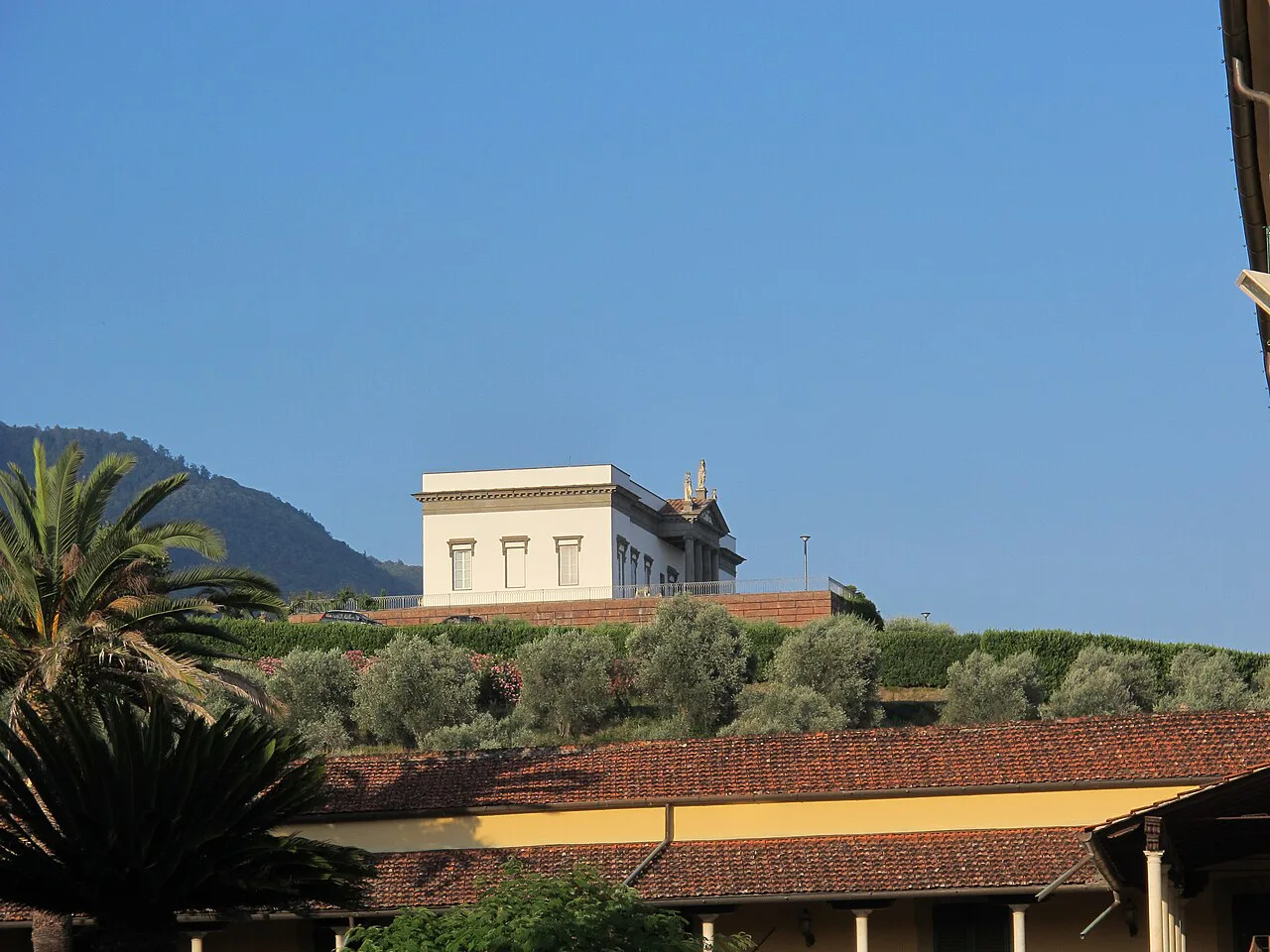
A sensible shape for the day is Lucca in the morning, with the walls, a church or two and a market, then the climb to Matraia for an afternoon appointment. The hills are close enough that the transfer does not eat the day, but the roads are slow, so build in slack rather than booking a tight back-to-back schedule. Villas and gardens on the northern edge of the city make natural waypoints if you are driving yourself. If you would rather add a second classic Tuscan hill town to the itinerary, see our guide to wine tasting in San Gimignano for how that day compares.
If your interest is really in the vineyards rather than the city, give the estate more of your day and ask about a walk through the vines as part of the visit. Pairing Matraia with a second estate in the same hills is possible but needs agreement from both hosts on timing. Our Wineries Near Lucca guide explains which clusters group naturally and which involve a long drive between them.
Trade-Offs: Independent Visit, Tour or Overnight
An independent visit gives you the most time with your host and the freedom to buy what you taste, but it puts the driving and the timing on you. A guided tour removes that burden and adds context, at the cost of a fixed itinerary and less lingering at any single estate. Staying on the property is the third option, and it is the one that best suits anyone who wants a relaxed tasting followed by dinner and a short walk to bed; browse Lucca vineyard stays for how such properties compare.
For a direct comparison of another nearby estate that receives visitors, our Fattoria Sardi visit guide shows how a different Lucca-area property structures its tastings and bookings. Reading two together makes it easier to judge what is typical and what is specific to each address.
Practical Questions to Ask Before You Commit
Write down five things before you send the email: how you will arrive and leave, whether you want a tour or just a tasting, whether food is part of the visit, whether you plan to stay, and what you want to buy. Ask Fattoria Colleverde to confirm the start time, the duration, the charge and the language of the visit, and to say what happens if you are delayed on the hill roads. Confirm current details once, in that same exchange, rather than piecing them together from old pages.
Harvest in this part of Tuscany generally falls in September, when the estate's attention and access may be different, so autumn visitors should ask early rather than late. Outside harvest, weekdays are usually easier to arrange than weekends. If you need a fallback, keep a second Lucca-area option in mind so a single unanswered email does not strand your day.
Plan Your Visit
Fattoria Colle Verde is a family-run wine and olive oil estate at Matraia in the hills above Lucca, with a published wine tour and tasting, an on-site wine resort and an online shop. The visit is arranged directly, so the quality of your day rests on a clear first message covering date, party size, purpose and transport. Settle the climb up and the ride back before you taste, and the rest follows.
Frequently Asked Questions
Where is Fattoria Colle Verde relative to Lucca?
The estate is at Matraia, in the comune of Capannori, in the hills north of Lucca. It is a hill excursion rather than a stop inside the city walls, so plan the transfer as part of the visit.
Do you need to book a tasting at Fattoria Colle Verde?
The estate publishes a wine tour and tasting offer and direct phone and email contacts, and appointment culture is the norm in the Lucca hills. Send a request with your date, party size and whether you want a tour, a tasting or a stay, and ask what the visit includes.
Can you visit Fattoria Colle Verde without a car?
The estate's pages do not publish a bus line, shuttle or transfer service to Matraia. Travelers without a car should ask the estate directly what guests usually do, and consider a taxi with a confirmed return or a guided tour that includes transport.
What wines does Fattoria Colle Verde produce?
The estate describes red and white wine production alongside extra virgin olive oil, and its news pages mention Cabernet Franc at harvest and a Trebbiano aged in oak. Ask which wines are open on the day of your visit, as the flight varies.
Is there accommodation at Fattoria Colle Verde?
Yes, the estate presents a wine resort on its site, which is a practical option if you want to taste without driving back to Lucca afterward. Ask whether the stay includes a visit and what the cancellation terms are.
How much does a tasting at Fattoria Colle Verde cost?
The estate does not publish a tasting price, tour duration or number of wines poured on its public pages. Request those details in your booking message so you have them in writing before you commit.
When is the best time to visit the Lucca hills?
Harvest generally falls in September, when estate access and attention may differ, so ask early if you plan to travel then. Outside harvest, weekdays are usually easier to arrange than weekends.
Sources
Notes for your next wine trip
Optional updates to our winery and wine-town guides.
You might also like
Continue reading
More guides you'll find useful