Lucca Wine Tours: Chianti, Versilia and Hills Compared
Lucca wine tours compared: hill estates and Versilia cellars, tasting formats, booking steps and non-driving options, plus the honest Chianti trade-off.
On this page
Lucca works as a wine base, not a wine quarter: you sleep inside the walls, then head out to estates in the surrounding hills or west toward the Versilia coast. The countryside produces Colli Lucchesi DOC and a broad range of Toscana IGT wines, from Vermentino-based whites to Sangiovese and international reds. This guide names estates that publish visitor tastings, gives their formats and durations, and explains how to reach them without a car.
The practical question is which day trip to commit to. The Lucca hills keep transfers short and pair easily with a morning on the walls; Versilia adds coastal hills and a different grape mix; Chianti means a long transfer for a landscape and wine set you cannot get near Lucca. Pick one, book it directly with the estate, and treat the rest as a second visit.
Why Lucca Is a Wine Base, Not a Wine Town
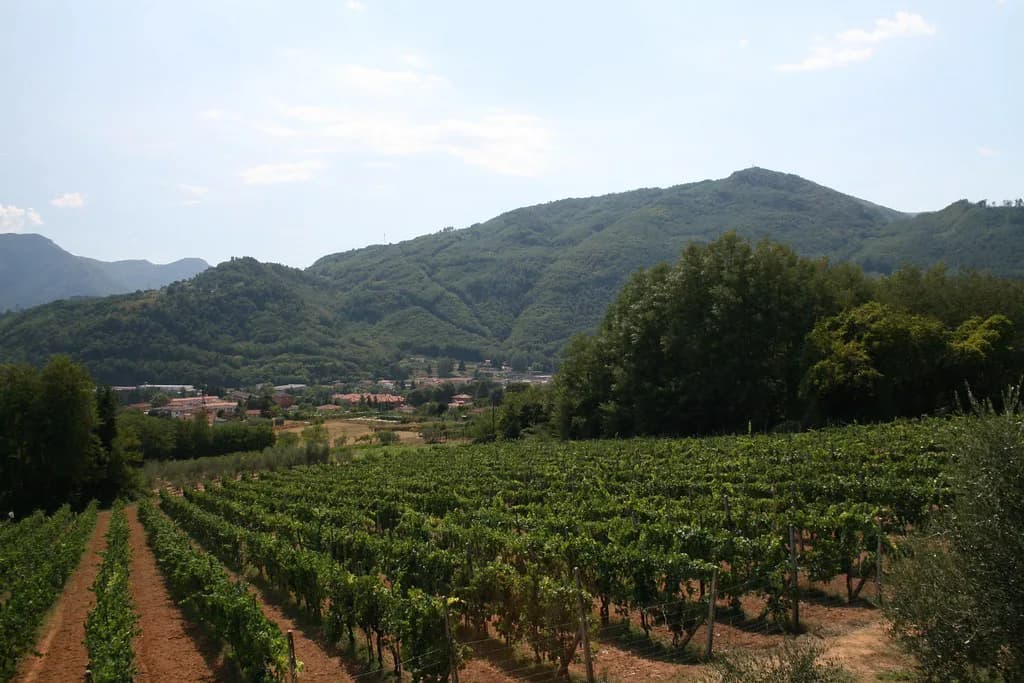
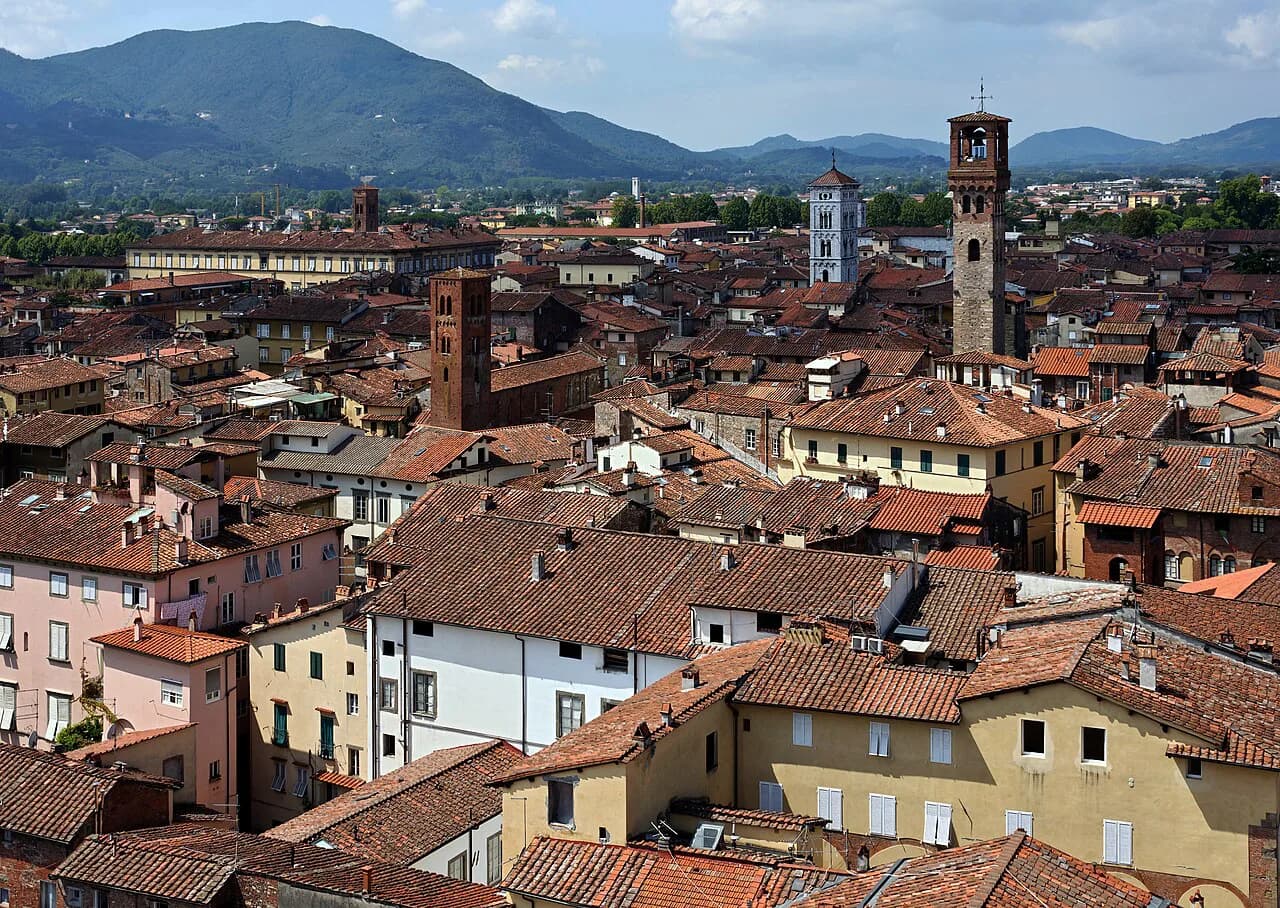
Inside the walls you will find enoteche and restaurants pouring local wine, but no cellars to tour between Piazza San Michele and the Guinigi tower. The production sits in the hills north of the city and in the Versilia hills toward the coast, which is why every serious tasting involves a short trip out of town. Plan your day around one estate rather than hoping to wander between several on foot.
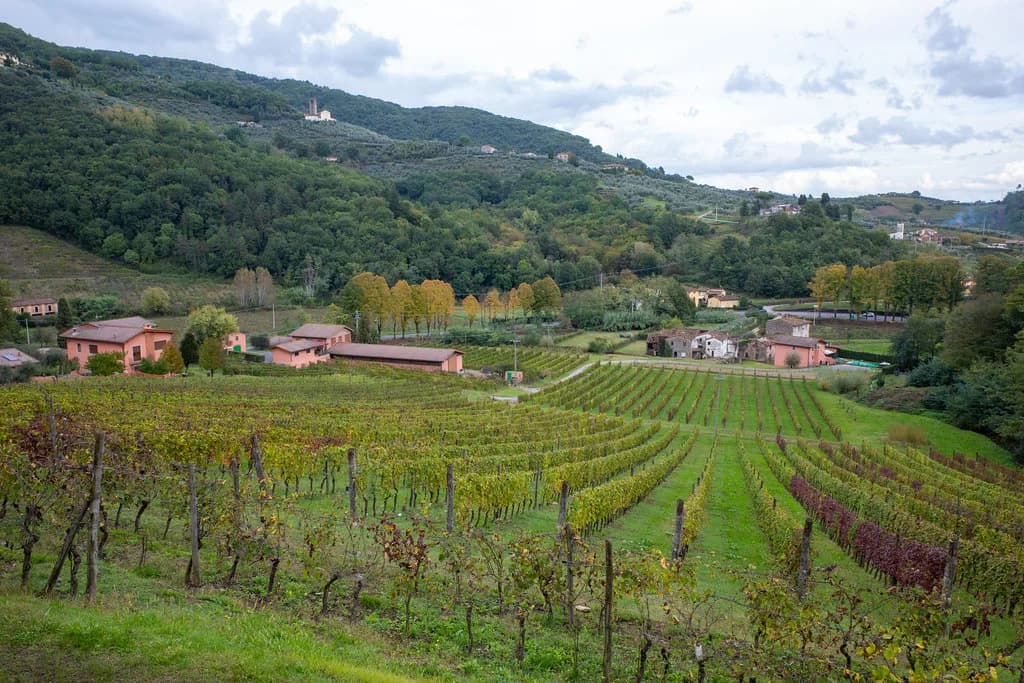
The hills have a long viticultural history, with sources tracing vineyard cultivation here back to Roman and medieval times and documenting vineyard-covered slopes north of Lucca well before the year 1000. Modern Lucca-area output is split between Colli Lucchesi DOC and looser Toscana IGT bottlings, so the same estate may release both a classified wine and freer experimental labels. For a fuller orientation on the appellation and the estates around it, see the guide to Colline Lucchesi DOC and the wider wine tasting in lucca picture before you choose a cellar.
The Lucca Hills vs Versilia vs Chianti: What Each Day Trip Gives You
The Lucca hills are the default: closest to the city, easiest to combine with a half-day in town, and home to estates that run compact tastings from under an hour to a full lunch. Versilia, reached via the coastal side around Camaiore, offers hill vineyards with sea influence and a local style that blends native and French-origin grapes. Chianti is a different proposition entirely: a genuinely different landscape and wine culture, but the transfer dominates the day and leaves little room for Lucca itself.
A useful rule is one wine landscape per day. If you have two nights in Lucca, spend one day in the Lucca hills and keep the second for the city and the walls rather than adding a Chianti run. If Chianti is non-negotiable, give it a dedicated day and expect to leave early and return late; travelers who have looked into wine and castle tours from Lucca have found operators concentrated in Florence rather than Lucca, so a Chianti day usually starts with a train or a long drive to the Florence side. If you want a city-based comparison for a different region, the approach used in Verona wine tours shows how a compact wine district is structured around a base town.
Wineries That Receive Visitors Near Lucca: Valle del Sole and Villa Santo Stefano
Valle del Sole, in the hamlet of Cappella outside Lucca, publishes two visitor formats. The Life of Valle del Sole is listed at 75 euros per person, an eight-wine tasting that runs through the estate's range with a light lunch of seasonal dishes; the same estate lists a shorter Tasting Valle del Sole at 25 euros per person, four wines taken on a terrace overlooking the vineyards with seasonal products and the estate's olive oil. The poured wines include a Vermentino-Chardonnay-Grechetto white, a Sangiovese rosato, a Sangiovese-led red blend, a Merlot and a Trebbiano, so a single visit covers both white and red styles. See the published listing of Lucca wineries for the full portfolio and booking contacts.
Villa Santo Stefano, at Pieve di Santo Stefano outside Lucca, lists a 45-minute A Taste of Villa Santo Stefano at 40 euros per person: three organically farmed wines including the estate's top selection, paired with cold-pressed olive oil. Its longer Treasures of Villa Santo Stefano runs about 90 minutes at 60 euros per person, with a guided tour, four wines, olive oil, local cheeses, cured meats and wood-fired bread — effectively a light lunch. The shorter format suits a late-afternoon slot after the city; the longer one is the better choice if the tasting is the day's main event.
Versilia Option: Tenuta Mareli at Montemagno, Camaiore
Tenuta Mareli sits at Montemagno in the Camaiore hills, on the Versilia side, and publishes two two-hour formats. The Classic, at 30 euros per person, pours four wines with Tuscan crostini, estate olive oil, three honeys with local pecorino, wood-oven bread, focaccias and Camaiore cured meats. The Gourmet, at 40 euros per person, adds dishes such as pappa al pomodoro and meatballs to the same four-wine base, making it the fuller meal of the two. The listing for Lucca wineries sets out both menus.
Versilia makes sense if you are combining wine with the coast, or if you want a food-led tasting where the pairing matters as much as the cellar. The trade-off is the extra travel: Camaiore lies beyond the Lucca hills, so a Versilia tasting eats more of the day. Groups that include non-drinkers often find these longer food formats easier to justify, since there is a substantial meal alongside the four wines rather than a bare flight.
Reading the Tasting Formats: Short Flights, Cellar Tours and Long Lunches
The estates near Lucca publish formats in three tiers. The short flight, such as Villa Santo Stefano's 45-minute tasting, is three wines plus oil and works as a taster for the region. The tour-and-tasting tier, around 90 minutes, adds a walk through the property and a food plate. The long lunch tier, like Valle del Sole's Life of Valle del Sole, runs to eight wines with a seasonal meal and is effectively a half-day commitment.
Match the tier to your transport and appetite. A 45-minute tasting is realistic before an afternoon train; an eight-wine lunch with no spittoon discipline is not. Ask when booking whether the longer formats include a cellar or production walk, whether bread and water are served throughout, and whether non-drinkers in the party can take the meal without the full flight — estates that serve lunch usually can adjust. Grape and style descriptors in the listings are a better guide than any score: if you want whites, look for Vermentino and Trebbiano; for reds, Sangiovese-led blends and Merlot.
Published Prices and Durations Side by Side
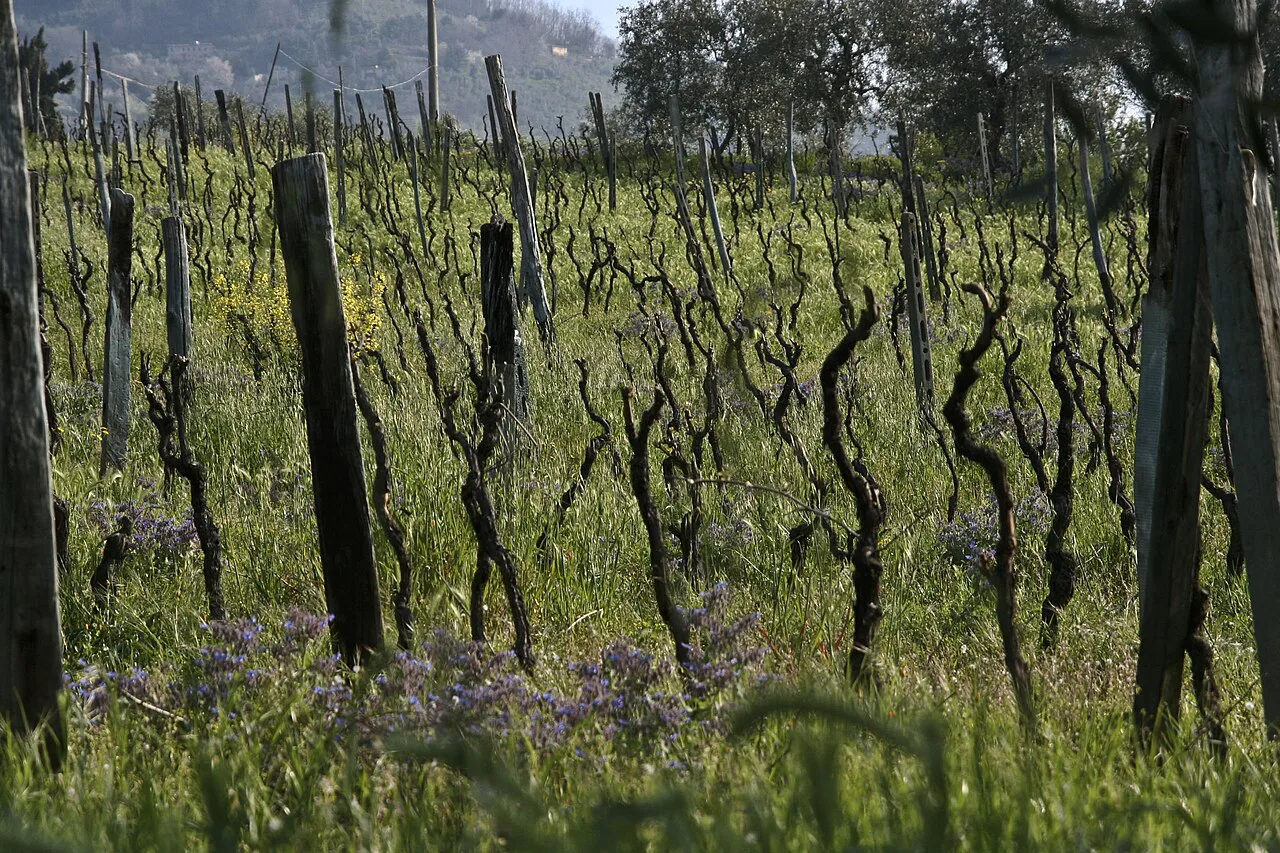
Published per-person rates run from the four-wine terrace tasting at Valle del Sole at the low end to its eight-wine lunch at the top, with Villa Santo Stefano's 45-minute and 90-minute formats and Tenuta Mareli's two-hour Classic and Gourmet menus in between. The fee in these listings covers the wines, the guided elements and the stated food; it does not cover transport, and any extra bottles are a separate purchase. Because formats and rates change with the season, check current details with Valle del Sole, Villa Santo Stefano or Tenuta Mareli when you book.
Booking Culture: Email or Phone, Lead Time and Party Size
These are working estates, not walk-in tasting rooms, and the listings give email and telephone as the booking channels rather than an online calendar. Write in English or Italian with your preferred date and time, the number of people, which format you want and whether anyone is not drinking. Ask for confirmation of the start time and the meeting point, since hill estates often have a gate and a short access road.
Appointment culture matters more than any rule you can pin down in advance: small estates schedule visits around cellar work, so a request a few days out is normal in shoulder season and a week or more is prudent in high summer. During harvest, typically late September into October, staff are busy in the vineyards and the short formats are easier to accommodate than long lunches. The same applies to nearby estates such as Fattoria Sardi, where a direct request to the estate is the only reliable route. If you plan to stay overnight in the countryside rather than return to Lucca, an agriturismo near Lucca keeps the drive short after a long tasting.
Getting There Without Driving: Train, Bus, Taxi and Guided Tours
None of the estates sit within walking distance of the historic center, so the realistic non-driving options are local bus or train to the nearest village plus a taxi, a pre-arranged taxi from Lucca, a bicycle for the closest hills, or an organized tour. Train and bus lines serve the surrounding villages but not the estate gates, so plan the last leg in advance and ask Valle del Sole, Villa Santo Stefano or Tenuta Mareli which station or village they recommend for pickup. A driver in the party should not taste at all: use the spittoons, book a taxi, or take a tour so the whole group can drink.
Organized tours from Lucca solve the logistics but are thinner on the ground than Florence-based departures, and a Chianti day trip usually means joining an operator based in Florence. Compare on inclusions, not headline price: a tour that bundles two estates and lunch can undercut two separate taxis, while a single short tasting is often cheaper done independently with a booked taxi. If you want the broader choice of estates and stays around the city, the list of wineries near Lucca will help you pick a cluster to group in one loop.
Independent Visit vs Organized Tour: Cost, Flexibility and the Chianti Question
Going independently gives you the estate's own format, a fixed start time and the freedom to linger; it costs you the logistics of two legs of transport and the risk of a missed pickup in a hill village. A tour removes that risk and often adds a second estate, but it locks you into a schedule built for a group. For a couple doing one short tasting, independent usually wins; for a group of four or more doing a long lunch, a booked driver or tour often costs less per head than two taxis.
On Chianti, be honest about the trade-off. It is a different wine landscape and worth a day in its own right, but from Lucca it is a full-day commitment with most of the travel on the Florence side, and it will crowd out the Lucca hills entirely. If this is your only Tuscan trip, take the Lucca hills and Versilia; if you have three or more nights, give Chianti a separate day and keep the local hills for the day you arrive.
Pairing a Tasting With Lucca Itself
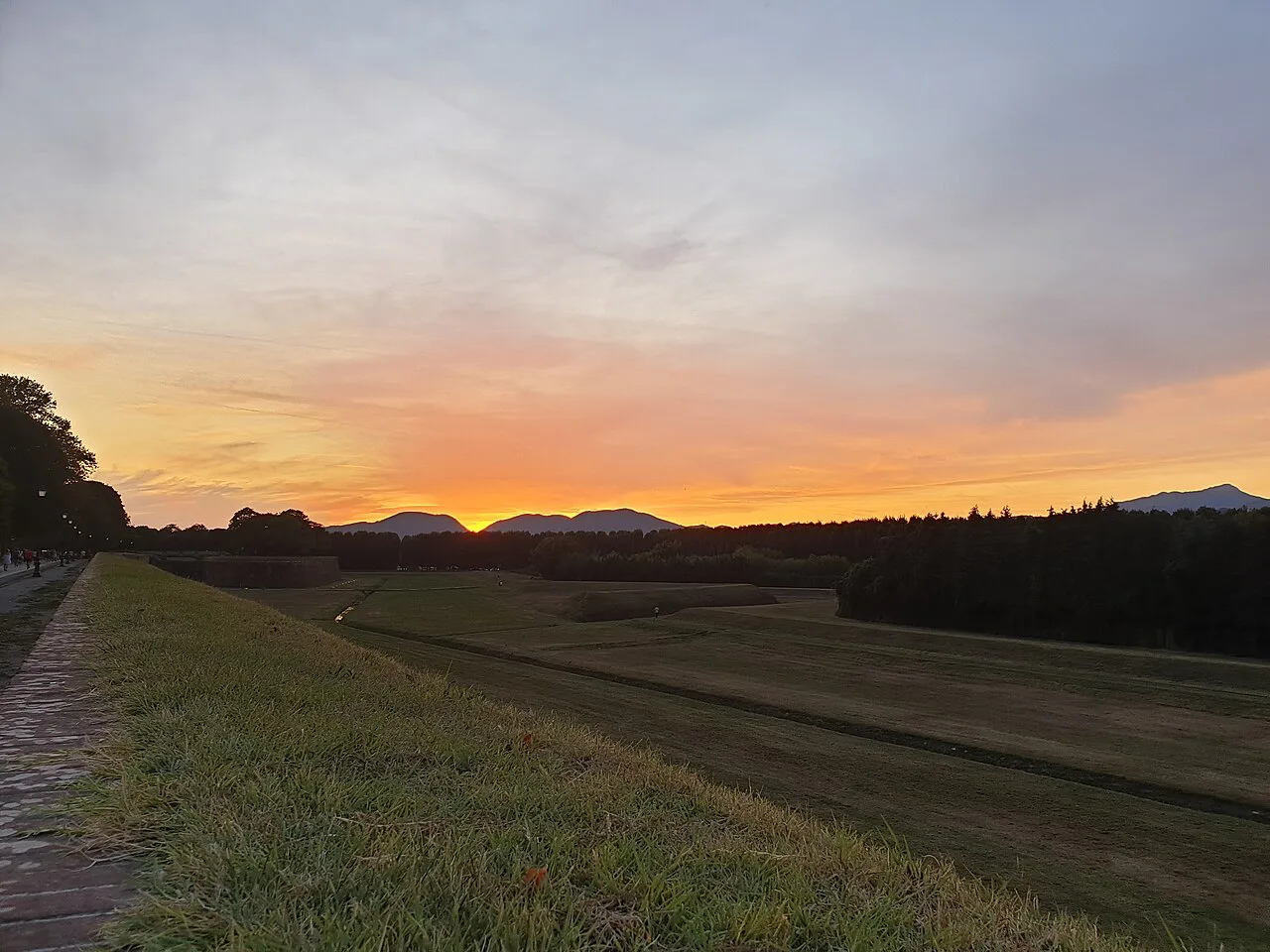
Time the day around the city rather than against it. A morning walk on the walls and a look at Piazza San Michele, then a late-morning departure for a 45-minute tasting, leaves the afternoon free for the Guinigi tower and an evening back inside the walls. The reverse works too: book the 90-minute tour-and-tasting as a late lunch and return for a relaxed dinner in town.
Check train and bus times before you commit to a format, and leave a buffer of at least half an hour on the return leg, since hill roads slow down in rain and at dusk. If you are combining a tasting with a stay outside the city, the guide to agriturismo lucca options explains how the countryside lodgings cluster relative to the estates.
Practicalities: Season, Harvest and Door-to-Door Timing
Spring and autumn are the comfortable windows: mild weather, fewer visitors than July and August, and active cellar work you may be able to see on a tour. Harvest, usually late September into October, is atmospheric but busy, and some estates restrict visitor formats while the picking is on. Winter visits are possible by appointment but the countryside is quiet and some hospitality operations scale back.
Allow roughly double the published tasting duration door to door from central Lucca, plus the transfer. A 45-minute tasting becomes a three-hour outing; a two-hour lunch becomes most of an afternoon. Book the return leg in advance rather than relying on a taxi appearing in a hill village, and carry the estate's phone number in case the schedule shifts.
Who Each Option Suits
Couples and short-stay visitors should take one short estate tasting in the Lucca hills and keep the rest of the day for the city. Groups of four or more do better with a long lunch format and a booked driver. Non-drinkers and families are best served by the food-led two-hour menus in Versilia, where the meal carries the visit. Dedicated wine travelers with three or more nights should add a Chianti day as a separate excursion rather than squeezing it in.
Plan Your Visit
Book one estate first, then build transport around it: email or call the estate with your date, party size and chosen format, and ask which village or station they recommend for a taxi pickup. Keep the Lucca hills for a compact day, Versilia for a food-led one, and reserve Chianti for a dedicated day trip if your schedule allows.
Confirm the current price, duration and start time directly with the estate before you travel, since formats shift with the season, and arrange the return journey in advance. The guide to wine tasting in lucca and the estate list of wineries near lucca give you the addresses and contacts to start with.
Frequently Asked Questions
How much does a wine tasting near Lucca cost?
Each estate publishes its own per-person rates on its listing, with short flights costing less than tour-and-lunch formats. Valle del Sole, Villa Santo Stefano and Tenuta Mareli all print prices alongside their tasting descriptions, and the official price list sits with those listings rather than on a central booking system. Rates change with the season, so confirm the current figure with the estate before booking.
Do you need to book Lucca winery tastings in advance?
Yes. The estates that receive visitors near Lucca take bookings by email or phone rather than running open walk-in tasting rooms. Send your date, time, party size, chosen format and any non-drinking guests, and ask for the start time and meeting point. In high summer, and during harvest, request further ahead than you would in shoulder season.
Can you visit Lucca wineries without a car?
It takes planning. Local buses and trains reach the surrounding villages but not the estate gates, so you need a taxi for the last leg, booked in advance for the return. A pre-arranged taxi from Lucca or an organized tour works for small groups; a driver in the party should skip the tasting entirely and use the spittoons or let someone else drive.
Is a wine tour from Lucca better than a day trip to Chianti?
For a short stay, the Lucca hills give you a real Tuscan tasting with minimal travel and time left for the city. Chianti offers a different landscape and wine culture but is a full-day commitment from Lucca, with most of the travel on the Florence side. Choose Chianti only if you have three or more nights and can give it a dedicated day.
What is Colli Lucchesi DOC?
It is the classified appellation for the hills around Lucca, alongside the looser Toscana IGT label that many local estates also use. Expect whites built on Vermentino and Trebbiano, rosato from Sangiovese, and reds from Sangiovese-led blends or Merlot. Checking which wines a tasting includes tells you more about the estate's style than any single label.
How long does a Lucca wine tour take?
Published formats run from a 45-minute estate tasting to two-hour food-led menus and an eight-wine lunch. Allow roughly double the tasting time door to door from central Lucca once transfers are added, so a short tasting becomes about three hours and a lunch most of an afternoon. Book your return transport before you leave in the morning.
Sources
Notes for your next wine trip
Optional updates to our winery and wine-town guides.
You might also like
Continue reading
More guides you'll find useful