Agriturismo Lucca: Wine Estate Stays in the Hills of Tuscany
Planning an agriturismo stay near Lucca? See how working farms with rooms work, how to pick a hillside base, and what to ask before booking.
On this page
An agriturismo around Lucca is a working farm that takes in guests, usually with a handful of apartments rather than a reception desk and a lobby. That distinction shapes everything about the booking: expect weekly linen, self-catering kitchens, arrival windows and owners who farm by day.
The choice that matters most for a wine-focused trip is where you sleep relative to the city walls. Farms on the plain sit close to Lucca and its buses and trains, while hillside properties toward Montecarlo or the Garfagnana buy you quiet and views at the cost of a car. If you would rather compare this same decision in another Tuscan wine town, an agriturismo montepulciano guide weighs farm stays against the town centre in much the same way.
What an Agriturismo Is, and What It Is Not
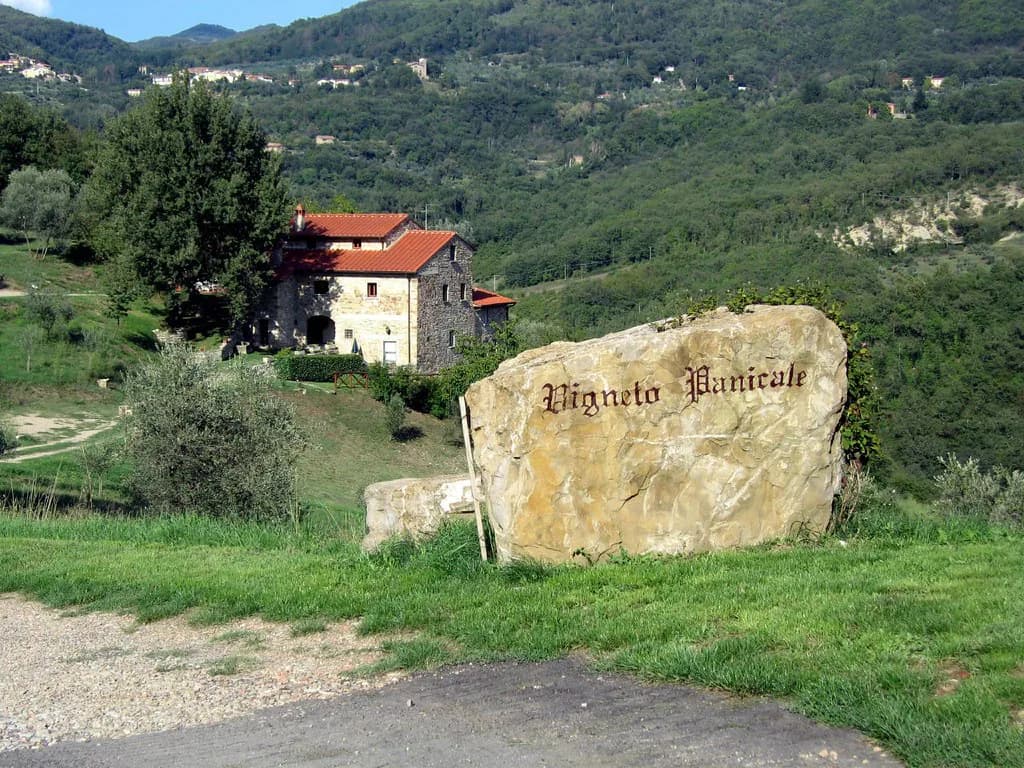
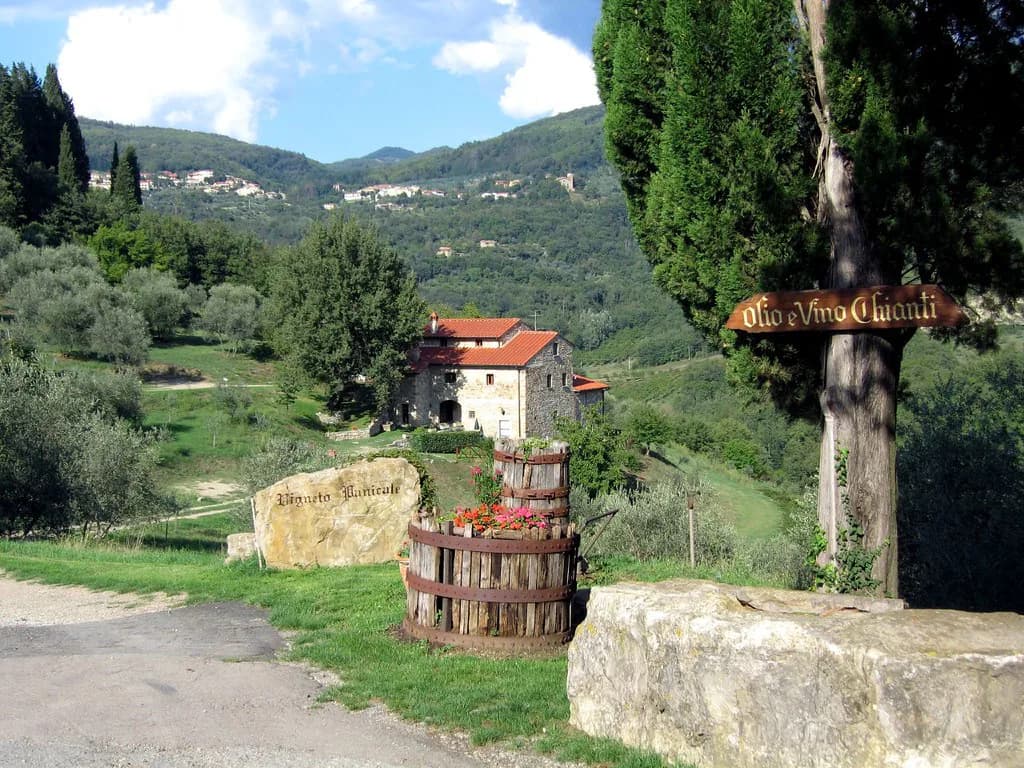
Italian law ties the agriturismo label to agricultural activity, so the accommodation is secondary to the farm. In practice you get a converted farmhouse or a cluster of apartments on land that produces olive oil, wine or grain, with the family often living on site. That means character and space, but rarely room service, a manned front desk all day or daily housekeeping.
Published listings show the pattern clearly. A typical Tuscan agriturismo page describes apartments spread across two farmhouses, each with a private terrace, plus a shared living room with sofas and coffee machines. Published policies for such properties often set a check-in window in the late afternoon and a morning checkout, with the tourist tax paid separately at departure.
If you want a bar downstairs, a concierge and flexible arrival at midnight, a small hotel inside Lucca suits you better. Choose the farm stay when you want a kitchen, outdoor space and the sense of staying on working land, and accept that you will plan your days around the property's rhythm.
The Geography That Decides Your Stay
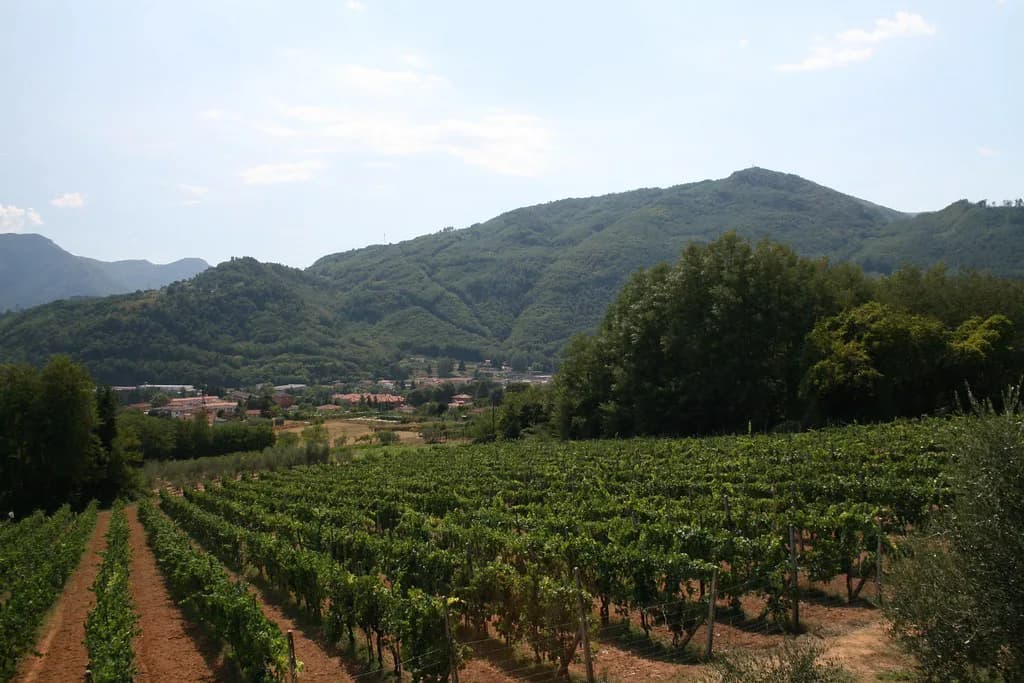
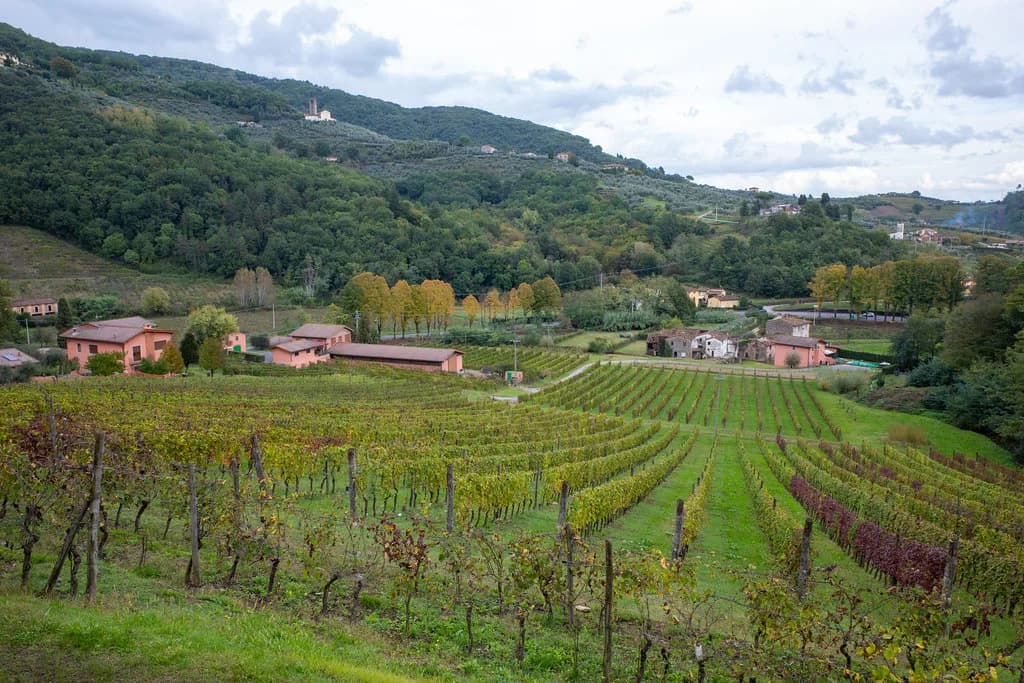
Lucca sits on a flat plain, and the wine hills begin a short drive north and east of the walls. The Colline Lucchesi zone wraps the city on the slopes toward Capannori, Montecarlo and the villages below the Garfagnana, which is why most vineyard views require climbing away from the plain.
Montecarlo, southeast of Lucca, is the most compact wine village in the province, with producers and cellars clustered inside a small walled borgo. Farms on that side put you minutes from tasting rooms, while properties deep in the Garfagnana trade wine proximity for mountain scenery and longer drives.
Distances look short on a map but stretch on switchback roads. A farm described as fifteen minutes from Lucca can be a thirty-minute drive in practice, so ask the owner for the road time to the nearest village with a restaurant, not just the kilometers.
Which Side of Lucca Suits a Wine Trip
For a trip built around cellar visits, base yourself on the Montecarlo and Capannori side, where the Colline Lucchesi DOC vineyards and the majority of visitable estates sit within a short drive. You can reach the city walls in the evening for dinner and still be among vines in the morning.
The Garfagnana and the hills toward Barga reward travelers who want walking, chestnut woods and quiet, with wine as an occasional stop rather than the organizing principle. If your days are mostly tastings, that base adds driving to every appointment.
A practical compromise is two bases: a night or two inside Lucca for the city, then a hillside farm for the wine days. Packing and unpacking costs an hour, but it removes the daily commute through the plain.
Wine Estate Stays Versus Farmhouse B&Bs
A farm with its own vineyards can pour its wines on site, which turns an evening into a tasting without anyone driving. Ask directly whether the farm makes wine and whether guests can taste it, because plenty of Lucca-area agriturismi produce only olive oil, honey or vegetables.
A standalone farmhouse B&B gives you more choice of where to taste, since you are not anchored to one estate's cellar. The trade-off is that every visit becomes an outing, and you will lean on a tour, a driver or public transport for anything beyond a spittoon-sized sample.
For estates with structured visitor programs nearby, it helps to read up before you book accommodation around them. Visiting Fattoria Sardi and similar properties works best as a daytime appointment, with the farm stay serving as your base instead of your only tasting.
Lucca's Wines in Brief
The local appellation is Colline Lucchesi DOC, covering reds and whites from the hills around the city. Sangiovese anchors the reds, often blended with other grapes, while Vermentino and Trebbiano Toscano carry the whites; the style tends to be fresher and lighter than the great Tuscan reds further south.
Montecarlo has its own DOC, and its reds lean on Sangiovese with international varieties permitted in the blend. Knowing these two names helps you read a wine list in Lucca and choose which estates deserve a visit.
For a broader map of who receives visitors and what a tasting involves, our guide to wine tasting in Lucca covers the estates and appointment culture in detail. Use it to shortlist two or three cellars before you fix your accommodation.
How Listings Read: What the Pages Actually Tell You
Accommodation directories for the Lucca area are useful for comparing properties but thin on wine detail. Brokerage pages list farmhouses, apartments and B&Bs by village, with filters for pools and restaurants, yet they rarely say whether the farm pours its own wine or hosts tastings.
Treat a directory entry as a starting point, not a confirmation of what happens on the farm. The listing tells you the property exists and roughly where it sits; the visit format, tasting availability and languages spoken come from the owner.
Restaurant listings are a separate category and worth reading carefully. Agriturismo Nico appears as a restaurant in the Lucca area, which makes it a possible lunch stop rather than a place to sleep or taste wine.
Booking Terms in Plain Terms
Published policies vary widely, so read the terms on the page you are actually booking from. One Tuscan listing sets a 30% deposit at the time of booking, with the balance due at least two weeks before arrival, and requires a refundable cash deposit on arrival.
The same listing illustrates how minimum stays work in high season: four nights as a general rule, rising to a Saturday-to-Saturday week in the peak summer window. Its cancellation scale also stiffens as arrival approaches, from a partial charge early on to the full amount within two weeks. Treat these as one property's terms and compare them against whichever farm you choose.
Deposits are usually paid by bank transfer, and extras such as pets, extra beds, heating or the tourist tax often sit outside the rental price. Ask for a written total covering the full stay before you send any money.
Harvest Season and When to Book
Grape harvest around Lucca generally runs from September into October, depending on the vintage and the variety. That period brings activity in the vineyards, heavier work for owners and a good chance of seeing the cellar in use, though it also means fewer quiet hours for hosting.
Late summer and autumn bookings behave differently from spring. Peak summer weeks fill first and carry the strictest minimum stays, while September and October attract wine travelers and can tighten availability in the hills even as the coast empties.
Book the accommodation before fixing tasting appointments, then call each estate once your dates are set to check current opening times and tasting slots. Harvest work can shift a visit time at short notice, and a farm stay with a flexible host is easier to rearrange than a tightly scheduled day.
Staying Without a Car
Lucca is well served by rail, but the wine hills are not. Buses run to Montecarlo and to villages on the plain, yet services thin out in the evening and rarely reach the farm gates themselves. A taxi from Lucca can cover the last stretch, provided you book the return trip in advance.
A car earns its cost on this trip. It lets you reach hillside farms, move between estates on your own schedule and eat dinner away from your accommodation; the trade-off is that the driver cannot taste. Use spittoons, appoint a designated driver, or take a tour or public transport on tasting days so nobody drinks and drives.
Guided Lucca wine tours solve the transport and the driving problem in one move, usually combining a cellar visit with pickup from the city. Our roundup of Lucca wine tours sets out the formats so you can judge whether the fixed schedule suits you.
Meals, Olive Oil and Add-Ons
Many farms offer dinner on certain nights, a breakfast basket or a cooking class, and these are usually priced as extras rather than included in the rental. Features like a shared living room with coffee machines, a barbecue area or a playground signal what kind of stay you are booking.
Olive oil is often the real product of a Lucca-area farm, with trees surrounding the apartments and a harvest in late autumn. If oil interests you as much as wine, ask during booking whether the farm sells its own and whether you can see the press.
Families should read the facilities list closely, since pools, playgrounds and children's pool depths are stated on listing pages and vary widely. Couples seeking quiet should check whether the property hosts shared dinners, which change the atmosphere in the evening.
Questions to Ask Before You Book
Ask whether the farm makes wine and whether guests can taste it on site, and if so, how many wines are poured and for how long. Ask whether tastings are available on your arrival day, since many hosts prefer not to pour for guests who have just driven in.
Confirm the languages spoken, the minimum party size for a tasting and whether dinner is served during your dates. Ask about the road surface to the property and parking, because some hillside access tracks are steep and unsuited to large cars.
Finally, ask for the total price in writing, including the tourist tax and any pet or heating supplement, and confirm the arrival window. One clear email before paying the deposit prevents most misunderstandings at check-in.
Pairing the Stay with the Villages
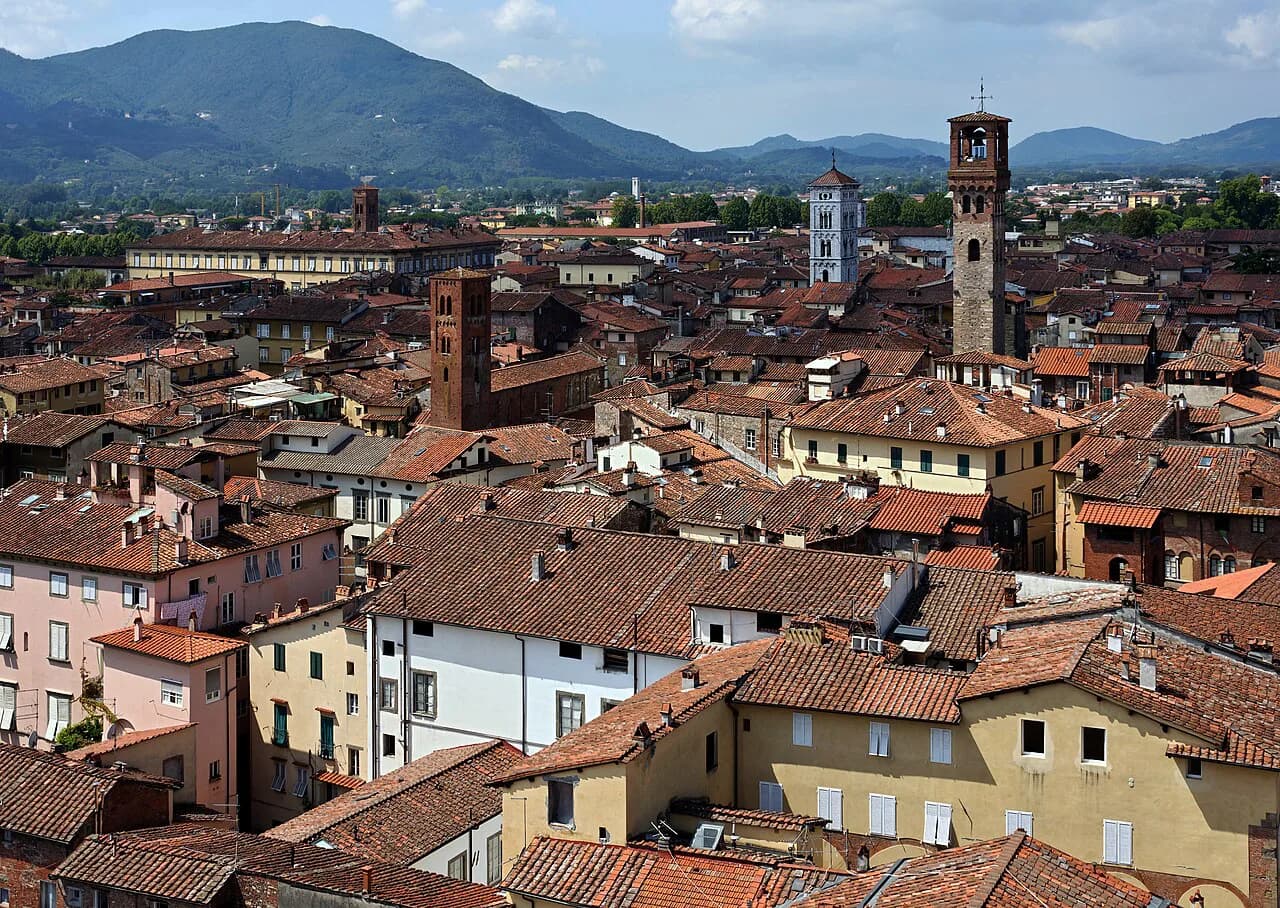
The walled city deserves at least an evening, whether you walk the ramparts or eat inside the walls. Staying on the plain makes that easy, and a farm fifteen minutes out keeps the city within taxi range for dinner.
Montecarlo rewards a half day: a small borgo with cellars, a fortress and restaurants within walking distance of each other. Combine it with a morning tasting and you have a full wine day without long transfers.
For a step beyond the immediate hills, Tenuta di Valgiano is one of the estates that has built a visitor offering around its vineyards and olive groves. Reading up on its visit format helps you slot it into a day that starts or ends at your farm stay.
A Simple Two-Night Plan
Spend the first afternoon inside Lucca, then drive or take a taxi to a hillside farm for two nights. Have dinner at the property if it is offered, or in the nearest village, and keep the evening short before a morning tasting.
On day two, taste at one estate in the Colline Lucchesi hills in the morning and a second in Montecarlo after lunch, with a spittoon and a designated driver in place. Return to the farm for a quiet evening rather than adding a third cellar.
On the final morning, walk the Lucca ramparts before checkout and leave the afternoon free for the drive back. This rhythm keeps the wine focused and the driving short, which is what a farm stay near Lucca does best.
Plan Your Lucca Farm Stay
Choose the hills toward Montecarlo and Capannori if wine is the point of the trip, and accept that a car or a tour belongs in the plan. Book accommodation first, then approach estates with your dates, and read the deposit and cancellation terms on the page you actually use.
Confirm the details that change, such as tasting availability, dinner nights and arrival windows, directly with the farm before you travel. That single exchange is worth more than any listing description.
Frequently Asked Questions
What is an agriturismo in Italy, and how is it different from a hotel?
An agriturismo is a working farm that also takes in guests, usually in converted farmhouses or apartments. You get kitchens, outdoor space and direct contact with the farming family, but rarely a staffed reception, daily housekeeping or round-the-clock service. Check-in windows and separate tourist taxes are common.
Can you stay on a working vineyard near Lucca?
Some farms in the hills around Lucca grow grapes, but not every agriturismo makes wine or pours it for guests. Ask the owner directly whether the property produces wine and whether tastings are available during your dates before you treat a listing as a vineyard stay.
Do you need a car to reach agriturismi in the Lucca hills?
A car is the practical choice for hillside farms. Buses reach Montecarlo and villages on the plain but rarely the farm gates, and evening services are limited, so taxis or a guided tour fill the gap. Whoever drives should not taste.
What is the minimum stay at a Tuscan agriturismo in summer?
Minimum stays are set by each property, not by the region. Published terms on one Tuscan listing show four nights as a general rule, rising to a Saturday-to-Saturday week in peak summer. Read the calendar and terms on the page you book from.
When is grape harvest around Lucca?
Harvest generally falls between September and October, varying with the vintage and the grape. Book accommodation early for that window and expect hosts to be busy in the vineyards, with visit times occasionally shifting at short notice.
Do Lucca agriturismi offer wine tastings and dinners?
Some do and some do not, and the offering is rarely clear from a directory listing. Ask about tastings, dinner nights, cooking classes and olive oil sales in one email, along with the price for each, so you know what is included.
Sources
Notes for your next wine trip
Optional updates to our winery and wine-town guides.
You might also like
Continue reading
More guides you'll find useful