Hameau Duboeuf: Planning a Visit to the Beaujolais Wine Park
Hameau Duboeuf near Romanèche-Thorins pairs a wine museum with gardens, a shop and a café, about 55 km north of Lyon. Here is how to plan a Beaujolais day.
On this page
Hameau Duboeuf is the one Beaujolais stop that works for a mixed group: part museum, part garden, part shop and café, all built around the Duboeuf family name. It sits in Romanèche-Thorins, in the Beaujolais corridor north of Lyon, so it slots into a day that also touches the crus villages. This guide sets out what the site contains, how to arrive without driving, and how to build a half or full day around it.
What Hameau Duboeuf Actually Is
Treat Hameau Duboeuf as a wine-themed visitor park rather than a working cellar tour. The site is built around a wine museum, and its operator describes the park as an attraction in its own right. That distinction matters when you are choosing between a morning here and a morning in a grower's cellar: the park gives context, history and scenery, while a village domaine gives you the producer's own wines.
The museum has picked up external recognition: the park announced a European wine museum award from Iter Vitis, which is the kind of credential that tells you the exhibits are taken seriously rather than run as a marketing annex. For a traveler, that supports spending real time inside rather than treating the building as a rain shelter. Plan the museum as the core of the visit and the outdoor elements as the margin around it.
Where It Sits: Romanèche-Thorins, North of Lyon
The park stands in Romanèche-Thorins, in the Beaujolais region, about 55 km north of Lyon according to an attractions supplier that built a course on the site. That figure is a useful planning anchor rather than a precise driving time, so budget for the reality of Rhône traffic leaving Lyon in the morning. The village sits in the northern Beaujolais where the crus appellations begin, which is why the park works well as a first stop before you head into the villages.
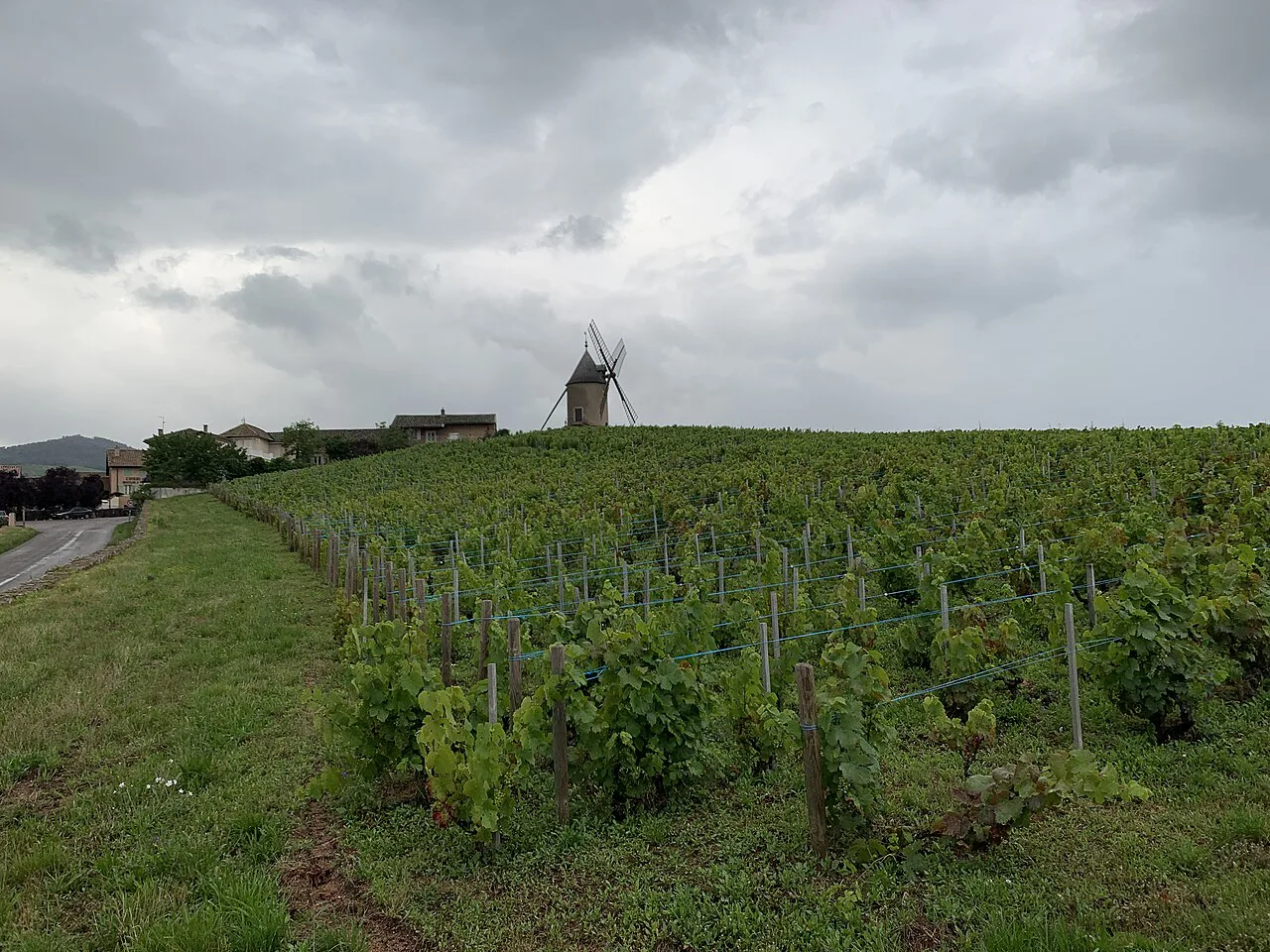
Because the site is in the crus belt rather than deep in the generic Beaujolais vineyards, you can combine it with serious wine geography in a single loop. Moulin-à-Vent, Fleurie and Morgon all lie within the same northern sweep, so a morning at the park and an afternoon in one or two village tasting rooms is a realistic shape. Keep the number of stops small; the roads between the crus are slow and the tasting rooms are not open all day.
What Is on Site
The park bundles several separate experiences: a wine museum, gardens, a wine shop and a café, plus a 10-hole adventure golf course with natural theming that was installed on a 550-square-meter plot. The golf is a genuine option for families with children who will not last an hour in a museum, and it explains why the site markets itself to a broader audience than wine collectors. Check Hameau Duboeuf's own site for which elements are running on your date, since attractions within a park can be seasonal.
The wine shop is the practical heart of the visit for most travelers: it is where you can taste and buy Beaujolais without booking a cellar appointment, and it lets a group split up while some browse and others finish the exhibits. The café makes the site viable as a lunch stop rather than a quick detour, which changes how you sequence the day. If you are building a broader Lyon-based wine itinerary, this is one stop among several worth comparing, and the wider guide to wine tasting in Lyon helps you weigh it against options closer to the city.
For travelers whose main interest is the northern Rhône rather than Beaujolais, the park is a weaker fit: the Northern Rhône Valley lies south of Lyon and is a separate day entirely. If Châteauneuf-du-Pape and the southern Rhône appeal more, see this guide to wine tasting in Avignon for that side of the region. Decide early whether your trip is a Beaujolais day or a Rhône day, because trying to do both from a Lyon base leaves you in the car for most of it.
Who Is Behind It
Hameau Duboeuf is a Duboeuf family project, associated with Georges Duboeuf and his son Franck, the négociant name most travelers already know from Beaujolais labels. That provenance shapes the visit: the park is a showcase for a large, export-facing Beaujolais business rather than a small family domaine, which is neither good nor bad but should set your expectations. You will get a polished, structured presentation of the region and its wines.
If what you want is a conversation with a grower about a single parcel, book a village domaine separately and treat the park as the orientation piece earlier in the day. Reading the park's own news page before you travel is the fastest way to see what the family is currently promoting, from awards to seasonal programming. That tells you whether your dates coincide with something special or with a quiet period.
Getting There from Lyon Without a Car
The Beaujolais corridor is served by the regional rail line running north from Lyon toward Mâcon, with stops at villages including Romanèche-Thorins, but service is thin and geared to commuters. Look up the actual timetable for your date rather than counting on a convenient mid-morning train, and plan the return leg first, since a missed evening train strands you in wine country. From the station, the park is a short taxi or a walk depending on which side of the village you land, so pin down the distance when you book.
Guided wine tours from Lyon solve the transport and the tasting problem at once, because someone else drives and you can actually taste. The trade-off is fixed itineraries and a set pace that may not include the park at all, so read what is actually covered before booking. Lyon wine tours vary widely in whether they head into Beaujolais or the Rhône, and the difference determines whether Hameau Duboeuf is even on your route.
A taxi from Lyon is possible but expensive for a round trip, and local taxis in the crus villages are scarce, so arrange a return pickup in advance if you go that route. Bicycles work for confident riders in the flatter corridors but the crus sit on hills, and a bike plus a wine museum plus a tasting is a long day. Whoever is driving should not taste at all; use the spittoons in the shop or hand the keys to a non-drinker.
Independent Visit or Organized Tour
Going independently gives you the freedom to linger in the museum, skip the golf, and drive on to a village tasting you booked yourself. It also puts the logistics on you: train times, taxi bookings, and the sober-driver problem. For a couple where one person does not drink, independence is usually cheaper and more flexible.
An organized tour costs more per person but removes the driving, the navigation and the booking friction, and often bundles a domaine visit that would be hard to arrange alone. The compromise many travelers choose is a train to the Beaujolais corridor plus a pre-booked local tasting, treating the park as the anchor and the village as the add-on. Either way, ask the tour company or Hameau Duboeuf directly what is included, since park admission and tastings are often priced separately.
Tickets, Hours and How to Structure the Day
Hameau Duboeuf has not published a fixed, year-round schedule in the material available, and ticket prices change, so the reliable move is to look up the official site for your dates before you commit to a train. Ask specifically whether the museum, shop and café are all open on the day you plan to come, because a park with one element closed changes the value of the trip. Book any village cellar visit separately and get it in writing.
For a half day, do the museum and the shop, eat at the café, and head back to Lyon. For a full day, start at the park when it opens, move to one crus village in the afternoon, and book a single cellar tasting rather than two, because palate fatigue is real and the roads eat time. Families should slot the adventure golf between the museum and lunch, when children have the most patience.
Pairing the Park with the Crus Villages
Moulin-à-Vent, Fleurie and Morgon are the natural companions to a park visit, each a short drive apart in the northern Beaujolais. Moulin-à-Vent produces the most structured, ageworthy wines of the group, Fleurie the most perfumed, and Morgon the fullest and most food-friendly. Choose two villages maximum, and check whether the grower you want receives visitors by appointment, since many small domaines do not have walk-in hours.
South of the crus, the Pierres Dorées area around Oingt and Bois-d'Oingt offers golden-stone villages and easier, fruitier reds, and it is a gentler add-on if you are coming from Lyon by car. It is a different landscape and a different wine mood, so pick one zone rather than stitching both into a single day. If your base is Lyon and you want the city side of the trip too, the wine bars in Lyon are a good way to taste Beaujolais in the evening without driving anywhere.
Seasonal Programming and the Christmas Period
The park runs seasonal programming, and a past winter season ran from 8 November to 18 January with animations, lunch and an afternoon snack under a Christmas theme. Treat those dates as an illustration of how the park operates rather than as this year's calendar, because the schedule shifts annually. If you are traveling in late autumn or winter, seasonal events can be the reason to come, or the reason the site is busier than expected.
Outside the event periods, the park is a straightforward daytime visit, and the gardens and outdoor elements depend on the weather. Spring and early autumn are the comfortable windows for combining the park with village walks, while harvest in late summer is busy and the growers are least available. Ask about group bookings if you are more than a handful of people, since larger parties usually need to be scheduled in advance.
Beaujolais Wines in Brief
Beaujolais is Gamay country: thin-skinned, high-acid reds made in styles from the light, fresh wines sold young to the structured crus that can age a decade or more. The crus are the quality tier, and each village name on the label is a separate appellation with its own soil and character. Knowing this helps you choose where to taste: the park gives the overview, the crus give the specificity.
White Beaujolais exists in small quantities from Chardonnay, and rosé appears in summer, but red Gamay is what you are here for. When you book a tasting, ask how many wines are poured and whether older vintages of the crus are included, since that is where the difference between a quick stop and a real education lies. The same question applies at the park's shop, where staff can point you toward the crus you plan to visit.
Plan Your Beaujolais Day
Hameau Duboeuf works best as the orientation stop on a Beaujolais day from Lyon: do the museum and shop, eat on site, then drive or ride into one or two crus villages for a booked tasting. Sort out transport first, because the train service is limited and the taxi supply in the villages is thin. Confirm the day's opening arrangements on the Hameau Duboeuf site before you buy train tickets, and let the non-drinker drive or book a tour so everyone gets home safely.
Frequently Asked Questions
Is Hameau Duboeuf worth visiting?
It is worth it if you want context on Beaujolais and a site that suits a mixed group with a museum, gardens, a shop, a café and a small adventure golf course. It is not a substitute for a grower's cellar, so pair it with a booked village tasting rather than expecting the park to cover both.
How far is Hameau Duboeuf from Lyon?
The park is in Romanèche-Thorins in Beaujolais, and an attractions supplier that installed a course on site puts it about 55 km north of Lyon. Treat that as a planning anchor and add time for traffic leaving the city in the morning.
Can you visit Hameau Duboeuf without a car?
Regional trains run north from Lyon along the Beaujolais corridor with stops including Romanèche-Thorins, but departures are limited, so check the timetable for your date and fix the return leg first. A guided tour from Lyon removes the driving entirely, though its fixed itinerary may not include the park.
Do you need to book Hameau Duboeuf in advance?
No fixed year-round schedule is published, so check the official site for your dates and ask which elements are open. Larger groups should request a booking in advance, and any separate village cellar visit needs its own appointment.
How long does a visit to Hameau Duboeuf take?
Allow a half day for the museum and shop with a meal at the café, and a full day only if you add one or two crus villages in the afternoon. Keep village stops to a maximum of two, because the roads between the crus are slow and tasting rooms are not open all day.
Is Hameau Duboeuf good for families?
Yes, more so than a working cellar, because the site adds gardens, a café and a ten-hole adventure golf course alongside the museum. Put the golf between the museum and lunch, when children still have patience, and confirm on the day that the outdoor elements are running.
What Beaujolais wines should you taste near Romanèche-Thorins?
Start with red Gamay and work through the crus: Moulin-à-Vent for structure, Fleurie for perfume and Morgon for weight and food friendliness. Ask at the shop or in a village tasting room how many wines are poured and whether older crus vintages are included.
Does Hameau Duboeuf run seasonal events?
Yes, the park programs seasonal events, and a past winter season ran from early November to mid-January with themed animations, lunch and an afternoon snack. Those dates illustrate how the calendar works rather than the current year, so check what is scheduled for your travel dates.
Sources
Notes for your next wine trip
Optional updates to our winery and wine-town guides.
You might also like
Continue reading
More guides you'll find useful