Château des Jacques: Lyon Guide to Moulin-à-Vent Estate
Château des Jacques makes cru Beaujolais in Moulin-à-Vent. Learn where the estate sits, how to reach the crus from Lyon, and what to settle before booking.
On this page
Château des Jacques sits in the Moulin-à-Vent cru in southern Beaujolais, within day-trip range of Lyon, and its wine range reaches into Fleurie and Morgon. Travelers searching for it usually want two things at once: the wines and the geography. This guide handles both, then sets out what a visit realistically involves.
One point up front: the estate's own site has been returning an error page, so it publishes no reliable visitor information at the moment. A trade portfolio page documents the wines and the winemaker, not tasting terms. Treat any route plan here as a framework and settle the actual appointment directly with the estate.
Why Château des Jacques Comes Up in Beaujolais Trip Planning
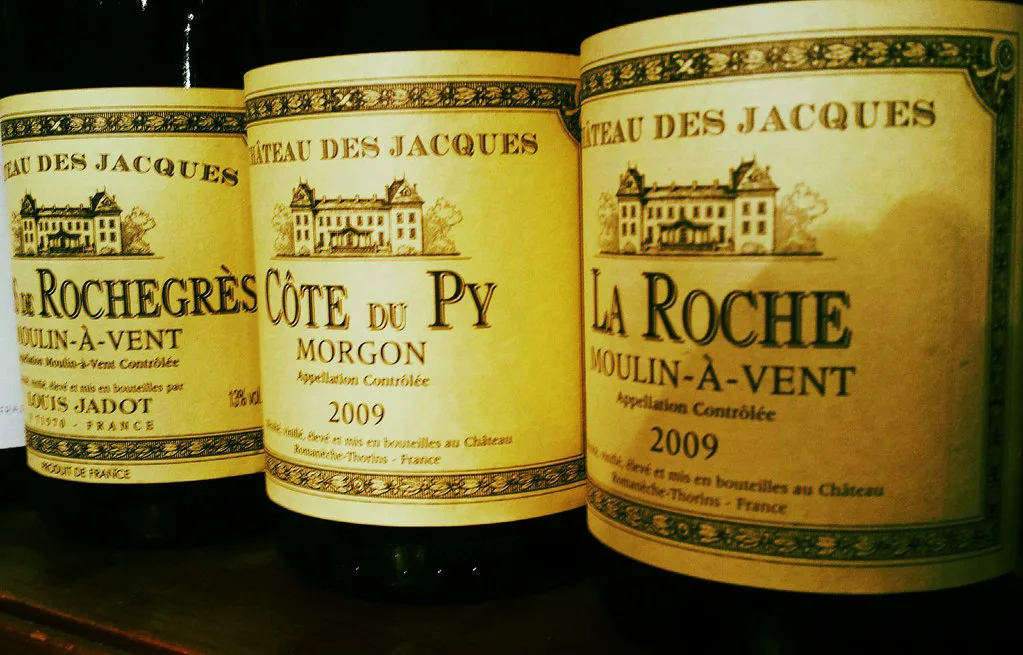
Château des Jacques is a Beaujolais producer with a broad cru range rather than a single-vineyard label. Its portfolio includes Moulin-à-Vent bottlings such as Clos de Rochegrès, Clos du Grand Carquelin, Clos des Thorins and La Roche, alongside Fleurie and Morgon wines, according to its distributor. That spread makes it a useful anchor when you want one estate that illustrates several crus.
Julie Pitoiset took over as director of the estate in January 2023, per the same portfolio page, and a Fleurie bottling is documented as a blend drawn mostly from the Bel-Air lieu-dit with a share from Grille Midi. These details matter for planning because they tell you which villages the wines come from. They say nothing, however, about whether the property welcomes drop-ins or offers tours.
For a wider menu of cellars, caves and tasting rooms around the city itself, start with the guide to wine tasting in lyon before you commit a day to the countryside. Beaujolais rewards a dedicated outing, but it is not the only option from the city.
Where the Estate Sits in the Moulin-à-Vent Cru Network
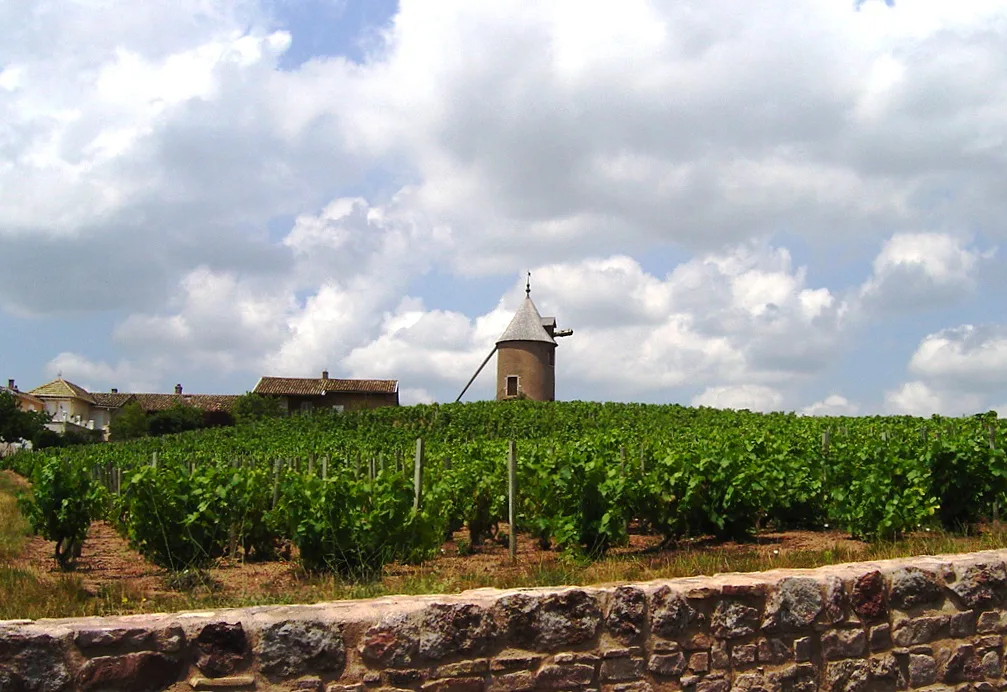
Moulin-à-Vent is the southernmost of the Beaujolais crus, centered on the villages of Romanèche-Thorins and Chenas, with Fleurie just to the west and Morgon and Villié-Morgon further northwest. The estate's name places it in that Moulin-à-Vent core. From there, Fleurie is a short country hop and Villié-Morgon a slightly longer one, so the three fit one loop.
Romanèche-Thorins is also where the Hameau Duboeuf wine park and the Touroparc zoo sit, which makes it the practical service hub of the cru: parking, food and a station on the Belleville-sur-Saône side of the vineyard. If you are building a single-estate day, position your base around this southern cluster rather than pushing north into Brouilly and Régnié.
For a second Beaujolais stop with a stronger hospitality footprint, Château de Pizay near Morgon runs as a hotel and wine estate and can absorb a lunch or an overnight. Pairing one appointment-led cru estate with one hospitality-led property is the most reliable way to fill a day without gambling on walk-ins.
Lyon to Beaujolais Without a Car
The backbone of a car-free Beaujolais day is the regional rail corridor running north from Lyon through Villefranche-sur-Saône toward Belleville-sur-Saône and Mâcon. Belleville is the natural rail gateway for the Moulin-à-Vent and Fleurie crus. From the station, the vineyards are a few kilometers out and not walkable in any comfortable sense, so you need a taxi, a rented bike or a pre-arranged pickup.
Timetables, platform details and the exact station pairing change by season, so confirm the current regional train schedule before you book anything else. Local taxi availability around Belleville is limited, so reserve a cab in advance instead of relying on hailing one. Building a day around a fixed return train also caps how many estates you can realistically reach.
If you would rather hand over the logistics entirely, compare wine tours that include transport, since the rural gap between station and cellar door is exactly what a guided day solves. That trade-off is covered further below.
Driving as an Option: Designated Driver or Booked Tour
Driving from Lyon gives you the most control: you can link a Moulin-à-Vent estate with a Fleurie cellar and a Villié-Morgon lunch without waiting on a taxi. The trade-off is that Beaujolais roads are rural, signposted in French and easy to underestimate after a long tasting. Someone in the car should stay dry, using spittoons at each stop.
A booked tour removes that problem and often bundles two or three estates with a driver-guide who knows which properties accept groups. The cost is higher per person than a train ticket plus taxi, and you lose the freedom to linger. For a single estate appointment, self-drive or train-plus-taxi is usually cheaper; for three stops in one afternoon, the tour wins on practicality.
Tours based in the city often combine Beaujolais with the Northern Rhône Valley in a single long day, which suits travelers who want breadth over depth. Read the itinerary carefully: a two-region day means less time in the crus than the distance suggests.
What the Wines Are: Gamay and the Cru Labels
All red Beaujolais is Gamay, and the difference between a simple Beaujolais and a cru is site and soil. Moulin-à-Vent, on pink granite, is the fullest and most structured of the crus and ages well; Fleurie, on similar granite at altitude, is finer and more floral in style. Morgon, on schist and granite around Villié-Morgon, sits between the two in weight.
Château des Jacques works in that register across its range: Moulin-à-Vent from named clos sites, Fleurie from the Bel-Air lieu-dit, and Morgon including Côte du Py. The estate also bottles a Beaujolais Blanc from Chardonnay, which is the exception in a red-dominated region and worth asking about if you want contrast in a tasting.
Do not expect the bubblegum-and-banana profile of Beaujolais Nouveau here. These are serious, structured reds intended for the table. Knowing that in advance helps you choose whether to spend a limited day on one cru-focused estate or on a spread of lighter, more approachable appellations.
How Beaujolais Appointment Culture Works
Small cru estates in Beaujolais are working farms first, and most receive visitors only by prior arrangement. The reliable approach is to write or call several weeks ahead, state your party size and the date and time window, and ask directly what a visit includes. Email in French or simple English usually works; a phone call is faster close to the date.
Ask concrete questions: how many wines are poured, whether the cellar is part of the visit, whether there is a fee and how it is paid, whether food is served, and how long to allow. Also ask whether the property is open on your chosen weekday and whether harvest interrupts visits. These are the details that decide whether a stop fits a train timetable.
Because the estate's public site currently returns an error, the most current visitation terms are best obtained by contacting the property directly through its published channels or asking your tour operator to confirm. That is normal for small cru domaines, and it is why you build the day around a confirmed appointment rather than a hoped-for one.
Half-Day Versus Full-Day Routes Around the Crus
A half-day works best as one estate plus one village. Pair a Moulin-à-Vent appointment with a stroll and a glass in Romanèche-Thorins, or an early Fleurie visit with lunch in Villié-Morgon. Allow real time for the drive or taxi between them; the crus look close on a map but the roads wind through vines.
A full day can reasonably hold two estates and a proper lunch, for example Moulin-à-Vent in the morning, Fleurie after lunch, and a Morgon tasting on the way back to Belleville. Three tastings plus travel plus food is the realistic ceiling if you want to enjoy any of it. Adding a fourth crus usually means rushing the one you came for.
If you are extending beyond Beaujolais, the Pierres Dorées villages south of Villefranche-sur-Saône make an easy add-on toward Lyon, and the Northern Rhône lies further south for a separate day. Keep each day to one region so the driving does not eat the tasting. If your plans stretch further south along the Rhône, the Avignon wine guide covers a different set of crus worth comparing.
Independent Tasting Versus a Guided Beaujolais Tour
Going independently wins on cost and flexibility: a train ticket, a reserved taxi and an estate appointment add up to far less than a guided day, and you set your own pace. You also get more direct contact with the people making the wine. The risk is the rural transport gap, especially if your taxi does not return on time.
Guided wine tours win on logistics and access: a driver-guide handles the winding roads, often knows which estates accept groups, and can slot in a cellar you could not book alone. You sacrifice flexibility and pay a premium. For a first Beaujolais trip with limited time, the tour is the safer bet; for a repeat visitor with one specific estate in mind, self-organization is better value.
Whichever you choose, keep the estate as the fixed point and let the transport serve it. Chasing three cru villages without confirmed appointments is the most common way a Beaujolais day unravels.
Harvest Timing and the Seasonal Rhythm
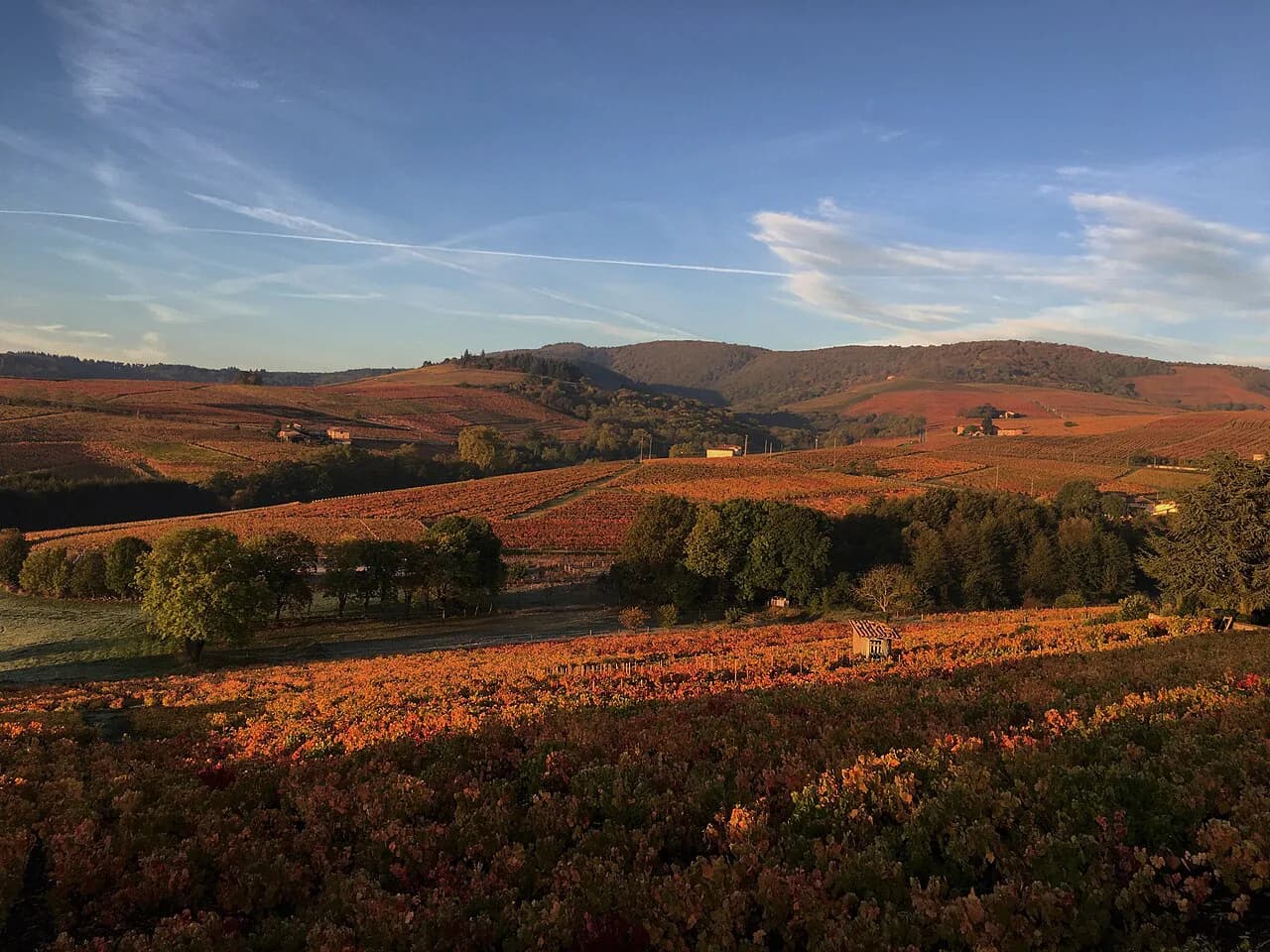
Gamay in Beaujolais is typically picked from late August into September, with the exact window moving each year with the weather. During harvest, estates are focused on the cellar and vineyard, and visits are less likely to be accommodated. Late spring through summer and the quieter autumn weeks after picking are generally easier for appointments.
Winter is quiet in the crus, with many small domaines receiving by arrangement only and village restaurants on reduced hours. If your trip falls outside the growing season, plan around one confirmed estate and the larger hospitality properties rather than a string of small cellars. Confirm seasonal opening when you write, since there is no single regional rule.
Where to Base Yourself for a Château des Jacques Day
Lyon is the practical base for most travelers: it has the airport, the rail hub and a deep bench of restaurants and wine bars to fill the evening after a day in the vines. The cost is travel time, since you are adding the train or drive north before the tasting even starts.
Belleville-sur-Saône shortens the last stretch and puts you close to the Moulin-à-Vent and Fleurie crus, but it has fewer beds and thinner evening options. Staying in a cru village or at a Beaujolais hospitality estate gives you the vineyards at dawn and a short hop to your appointment, at the price of needing a car or taxi for everything.
If you stay in Lyon, use the city's wine bars to taste Beaujolais without a drive, then save the estate visit for a day with confirmed transport. That split keeps the trip relaxed on both ends.
Practical Errors to Avoid
The biggest mistake is assuming a cru estate takes walk-ins. Most are small family operations with no shop and no fixed opening hours, so turn up without a booking and you will likely find a locked gate. The second is packing three crus into one afternoon and spending it in the car rather than at the table.
A third is underestimating rural transport: taxis are scarce around the crus, mobile coverage varies in the vines, and the last train back to Lyon will not wait. Build slack into the day and have a fallback plan for the return leg before you leave the station.
Finally, remember that a driver should not taste. Use spittoons, share tastings, or book a driver or tour so everyone in the group can enjoy the visit safely and legally.
Plan Your Beaujolais Day
Château des Jacques is a strong reason to spend a day in the Moulin-à-Vent crus, with wines that reach into Fleurie and Morgon and a director, Julie Pitoiset, who has led the estate since early 2023. Its value in a trip plan is as a fixed anchor in a compact cru cluster rather than a standalone attraction.
Set the appointment first, then build transport around it: train to Belleville plus a reserved taxi for independence, or a guided tour for a multi-estate day. Confirm the estate's current visit terms directly, since its website has not been serving pages reliably.
Frequently Asked Questions
Can you visit Château des Jacques?
The estate's wines and crus are well documented, but its own website has not been serving pages, so there is no published statement of visitor terms to rely on. Small cru estates in Beaujolais usually receive by prior arrangement only, so send a written request with your dates and party size and wait for a confirmed reply before you build a day around it.
How do you get to the Moulin-à-Vent crus from Lyon without a car?
Take a regional train north from Lyon toward Belleville-sur-Saône, the practical rail gateway for the Moulin-à-Vent and Fleurie vineyards. From the station the crus are a few kilometers out with no comfortable walk, so reserve a taxi, rent a bike or arrange a pickup in advance. Check the current regional timetable before fixing your estate appointment.
What is the difference between Moulin-à-Vent and Fleurie?
Both are Gamay crus on granite, but Moulin-à-Vent is generally the fuller, more structured and longer-lived style, while Fleurie at altitude tends to be finer and more floral. Morgon, further northwest around Villié-Morgon, sits between them in weight. Knowing this helps you decide how many crus to fit into one day.
Do you need an appointment to taste at Beaujolais cru estates?
Yes, in most cases. Cru domaines are working farms rather than tasting rooms with regular hours, and many have no shop at all. Write several weeks ahead asking what is poured, whether there is a fee, whether the cellar is included and how long the visit lasts, and confirm the weekday you plan to travel.
When is harvest in Beaujolais?
Gamay is normally picked from late August into September, though the exact window shifts each year with the weather. Estates are busy in the cellar and vineyard during picking, so visits are harder to arrange then. Late spring through summer and the weeks after harvest are generally easier for appointments.
Sources
Notes for your next wine trip
Optional updates to our winery and wine-town guides.
You might also like
Continue reading
More guides you'll find useful