Lyon Wineries: Beaujolais & Rhône Tasting Trips No Car
Lyon has no vineyards inside the city, so plan a day in Beaujolais or the Northern Rhône. Here are wineries that welcome visitors and how to reach them.
On this page
Lyon is one of the best wine bases in France, but not because it has vineyards. The city sits between Beaujolais to the north and the Northern Rhône to the south, and the crus you have read about are spread across a triangle roughly 30 to 90 minutes out by road or rail. That geography is the whole planning problem: you are choosing a direction, not a winery.
The practical split is simple. Beaujolais is the easier day, with the Pierres Dorées villages close to Villefranche-sur-Saône and the crus villages a slower afternoon further north. The Northern Rhône stretches further south and rewards a car or a guided tour. A sommelier-led tasting in central Lyon covers the zero-drive option for a first night.
Why Lyon Is a Wine Base, Not a Wine District
No appellation sits inside the Lyon city limits. What the city offers instead is access: a dense rail network toward Villefranche-sur-Saône and Belleville, autoroutes running north and south, and enough tasting rooms within reach to fill three or four days. Treat Lyon as the hotel and the restaurant, and treat the vineyards as day trips with fixed departure times.
Choose your direction by wine, not by map. Gamay and the ten Beaujolais crus lie north; Syrah, Viognier and the steep terraced sites of Côte-Rôtie, Condrieu and Hermitage lie south along the Rhône. If you have one free day, Beaujolais is the more forgiving choice because the distances are shorter and the villages cluster neatly. If you have two, split them rather than trying to combine both in a single loop.
The Two Day Trips That Work
Think in time budgets. A Beaujolais day built on the Pierres Dorées or the southern crus fits comfortably into a morning train out and an evening train back, with one or two appointments and a long lunch. A Northern Rhône day involves more driving between villages, so it suits a hired car, a driver, or an organized tour with a fixed route.
The mistake is overbooking. Small domaines run tastings by appointment and often host one party at a time, so two visits plus travel is a realistic maximum for a self-guided day, and one visit plus a cellar tour is enough when the drive is long. Build the route around the appointment times you are offered rather than forcing a wish list of names into a single afternoon.
Beaujolais South: The Pierres Dorées Wineries
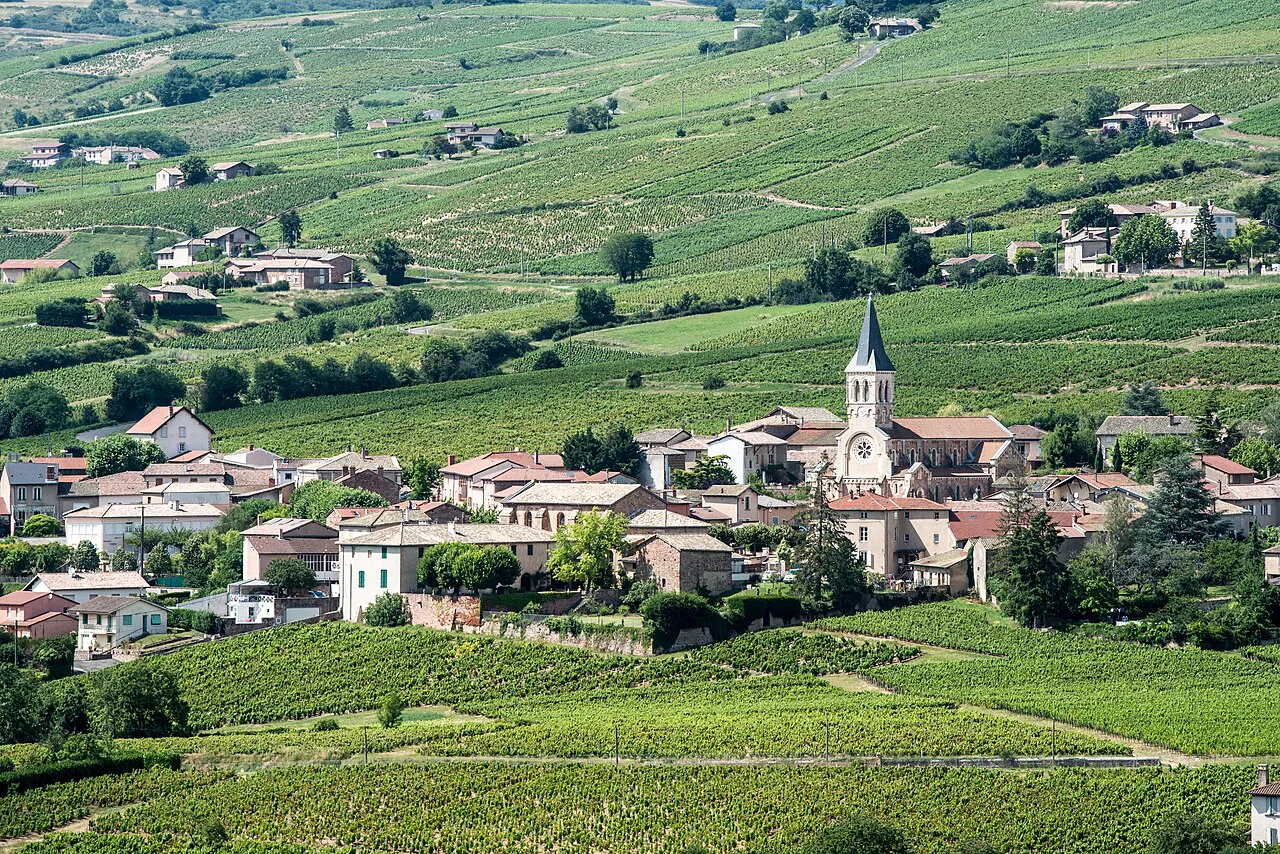
The Pierres Dorées, the golden-stone country just north of Lyon, is the closest tasting zone to the city and the easiest to reach by train toward Villefranche-sur-Saône followed by a short taxi. Domaine Cédric Vincent publishes a vineyard walk and a discovery tasting among its bookable experiences, with the walk adding time outdoors before the wines.
Around the same villages, Domaine Rivière and Domaine JP Rivière both appear as wineries that receive visitors, and Domaine Trichon offers a tour-style visit that visitors describe as detailed. These are working family domaines rather than showpiece châteaux, so the visit is usually a short walk through the cellar followed by a seated tasting.
Budget from the platform rather than from guesswork. Auvergne-Rhône-Alpes listings on Winedering show tasting-and-visit experiences starting from about 12 euros at Domaine Rivière, Domaine JP Rivière and Alexandre Burgaud, and from 25 euros at Domaine Trichon, with Domaine Cédric Vincent from around 15 euros. Those are booking-platform starting prices, not the domaine's full tariff, and the top of the range runs to about 50 euros at Château des Ravatys.
The trade-off here is flexibility against logistics. Public transport gets you to the town, but the domaines sit in hamlets a few kilometers apart, so a taxi transfer or a bike is the realistic last mile. Check whether your chosen domaine can suggest a local taxi before you commit to a train time, because a missed return connection ends the day early.
Beaujolais Crus: Moulin-à-Vent and Beaujeu
Push further north for the crus. Château du Moulin-à-Vent, in the village that gives the appellation its name, is the landmark visit in this zone, with a bookable tasting-and-visit format that suits anyone who wants cellar scale alongside the vineyard. La Maison des Beaujolais in Beaujeu works as the other anchor, billing itself around the world's largest Beaujolais cellar and offering a tasting-and-visit experience of its own.
Prices at this level step up. Platform listings show Château du Moulin-à-Vent from roughly 32 euros and La Maison des Beaujolais from about 30 euros, while Château de Poncié, in the same crus country, appears from around 10 euros for a three-wine format. Book ahead through the winery or the platform and confirm what the fee covers, since cellar tours and food pairings are priced separately at some estates.
This is the zone for a slow afternoon rather than a checklist. The crus villages sit close enough to link two stops by car, and the countryside between them rewards a detour, but rail coverage thins out beyond Belleville. A guided Beaujolais wine tour from Lyon removes that problem entirely and usually bundles several villages into one route.
The Northern Rhône: How Far South the Day Stretches
South of Lyon, the Rhône valley narrows and the appellations stack up along the river. Alexandre Burgaud, Domaine Christophe Savoye and Frédéric Berne all appear as visitor-receiving wineries in the Auvergne-Rhône-Alpes region, and Château de la Croix Chabrières near Bollène marks the far southern edge of a realistic day.
The starting prices here are the lowest in the region, from about 5 euros at Domaine Christophe Savoye, 10 euros at Château de la Croix Chabrières and 15 euros at Frédéric Berne, with Alexandre Burgaud from around 12 euros. Read those as entry-level tasting fees; a cellar tour or a longer flight costs more, and the estate will confirm the format when you reserve.
Be honest about the geometry. Bollène is a long way south of Lyon, so pairing it with a Côte-Rôtie visit in the same day means hours in the car and little time in any cellar. Choose one cluster: the steep northern sites around Ampuis and Condrieu, or the southern Rhône around Bollène. If you want both, give each its own day.
A Tasting in Lyon Itself: The Zero-Drive Option
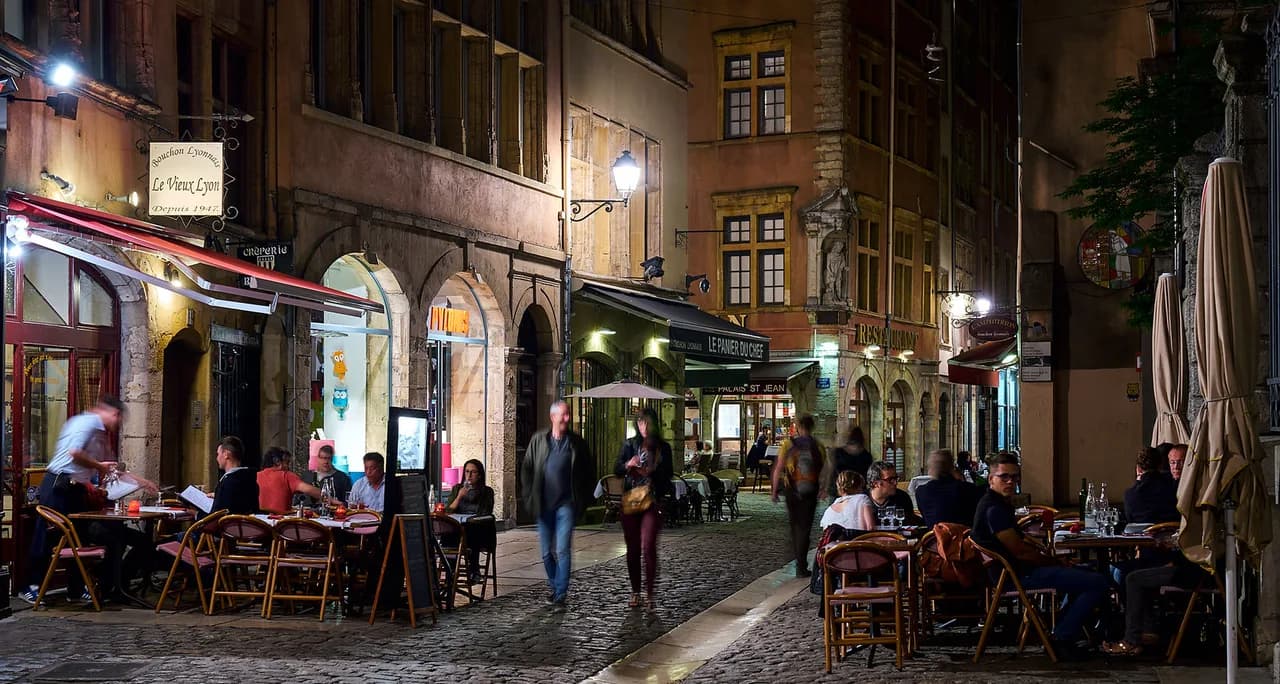
For a first evening, the sommelier-led tasting sold through the Lyon tourist office shop is the simplest answer. It starts from Place Bellecour, pairs selected wines with Lyonnais specialties, and runs as a guided session rather than a cellar tour, so it works even on an arrival day when you have no car and no energy for trains.
Treat it as a primer, not a substitute for the vineyards. A guided flight of regional wines teaches you which crus you actually like before you commit a day to them, and the walk back to a Presqu'île hotel removes any transport question. Book through the tasting provider and confirm the meeting point and language of the session when you reserve.
Getting There Without Driving
Regional trains from Lyon serve Villefranche-sur-Saône and Belleville, which are the practical gateways to Beaujolais, but rail stops short of the crus villages themselves. From the station you need a taxi, a bike or a pre-arranged pickup. The Northern Rhône is less rail-friendly still, with stations along the valley but wineries set back from them.
The honest trade-off is cost against time. A train plus two taxi legs can cost more than a seat on a group tour once you split it across a couple of travelers, and it certainly costs more hassle. A tour buys you a driver, a fixed route and usually two or three estates in one day; going independently buys you the freedom to linger over one cellar and change plans at lunch.
Whatever you choose, the driver does not taste. Use the spittoons provided, nominate a designated driver, or book a tour or public transport so nobody at the table is caught between a tasting flight and a mountain road. This is the one rule that shapes the whole plan, not an afterthought.
Organized Tours from Lyon: What to Compare
Lyon's operators run half-day and full-day wine tours into both Beaujolais and the Rhône, and listings on Tripadvisor describe routes through Fleurie, Morgon and Moulin-à-Vent in the crus country. Ignore the headline price until you know what it includes: tastings, cellar entry, lunch and pickup points are the four variables that shift the cost most.
Ask about group size before booking. A minibus of eight reaches small domaines that a coach cannot, and the tasting format often changes with a larger group. Also confirm the pickup location, since tours may collect from central Lyon hotels or a single meeting point, and that detail decides how early your morning really starts.
A private tour makes sense if you have a specific estate in mind or a mixed group of tasters and non-tasters. Shared group tours keep costs down but follow a fixed route. Compare two or three operators on the same question, which wineries are actually visited, rather than on the marketing description of the region.
Grapes and Appellations in Two Minutes
Beaujolais is Gamay country. The grape makes light, fresh reds across the region, and the ten crus, including Brouilly, Fleurie, Morgon and Moulin-à-Vent, produce fuller versions from specific villages. Whites labeled Beaujolais Blanc are Chardonnay, and the Pierres Dorées zone is known for both, so a single visit can cover red and white.
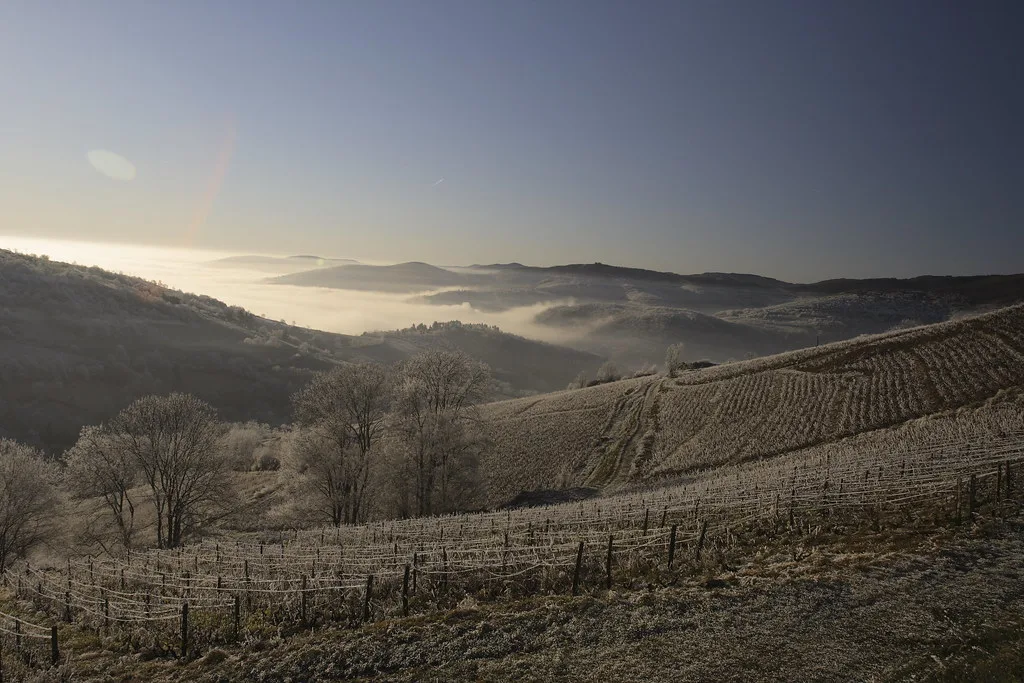
The Northern Rhône is Syrah for reds, with Côte-Rôtie and Hermitage as the famous names, and Viognier for the whites of Condrieu. The vineyards are steep and terraced, which is part of why visits here feel different from the gentler Beaujolais slopes. Knowing the grape varieties ahead of booking helps you pick a route that matches what you actually drink at home.
If you want to go deeper on the city side, Lyon's wine bars pour widely across both regions and let you taste before committing a day. That is a sensible first-night move when you arrive late and want to orient yourself.
How Booking Works: Appointments, Harvest and Questions to Ask
Small domaines in Beaujolais and the Rhône work by appointment, and many take one group at a time. Book directly by email or through the winery's own booking page, state your party size and preferred language, and offer a time window rather than a single slot. Larger estates such as the crus châteaux are more used to drop-ins but still prefer notice.
Harvest reshapes the calendar. September is the busy month in Beaujolais and the Rhône, when cellar teams are focused on fruit and some estates pause visits or restrict them to certain days. Late spring, early summer and the quieter weeks of autumn are easier for appointments, with the harvest period best left to estates that publish a visitor schedule.
Five questions cover most of it: what the tasting includes, how long it lasts, whether the cellar tour is part of the fee, whether food is served, and what the cancellation terms are. Add a sixth if you are traveling without a car, asking which station or taxi company the estate recommends. Those answers settle the logistics far faster than browsing.
Practical Decisions: Which Trip for a First Visit
For a first visit with one free day, choose Beaujolais. The Pierres Dorées domaines are closest to Lyon, the platform prices are low enough to try two estates, and the train-and-taxi combination is manageable. Keep to one sub-zone, either the golden-stone villages or the crus, rather than trying to cover the whole region.
With two days, add the Northern Rhône and treat it as the bigger outing, with a car or a tour. If you would rather stay in the city, pair the Place Bellecour tasting with a wine-bar evening and save the vineyards for a return trip. There is no rule that a wine holiday must include a tractor ride.
Where you sleep shapes the departures. Presqu'île keeps restaurants and the Bellecour tasting within walking distance, Part-Dieu puts you next to the main station for early trains, and Perrache serves the southern lines. Pick the hotel for the morning you actually have, not for the view.
If your trip continues south, the same logic applies in Provence, where a base town and a set of nearby appellations replace the vineyard hotels. Wineries around Aix-en-Provence follow a similar appointment culture, so the booking habits you learn here travel with you, and our guide to Aix-en-Provence wineries shows how to pick a direction there too.
Plan Your Lyon Wine Day
Decide the direction first, then the wineries. Beaujolais for a shorter, cheaper, more forgiving day; the Northern Rhône for steep terraces and a longer drive; central Lyon for a no-transport evening of regional wines. Each choice has a clear cost in time and money, and the platform starting prices give you a realistic floor for the budget.
Book the appointments before you book the trains, keep the group small, and leave slack in the schedule for a long lunch. Check the final details with each estate a few days before you travel, particularly around harvest when schedules shift, and let the driver stay dry.
Frequently Asked Questions
Are there wineries you can visit in Lyon itself?
No vineyards sit inside the city, so there are no estate visits in Lyon proper. The closest thing is a guided tasting in the city center, such as the sommelier-led session starting from Place Bellecour, which pours regional wines alongside local specialties. For actual cellars, plan a day trip to Beaujolais or the Northern Rhône.
Can you visit Beaujolais wineries from Lyon by train?
Regional trains reach Villefranche-sur-Saône and Belleville, which are the gateways to Beaujolais, but they do not stop at the crus villages or most domaines. From the station you need a taxi, a bike or a pickup arranged with the estate. Allow extra time and confirm the return connection before you commit to a late tasting.
Is it better to take a tour or go independently to the Northern Rhône?
The Northern Rhône spreads across a long stretch of valley, so a tour or a hired car with a driver is the more efficient choice for a single day. Going independently works if you pick one cluster, such as the steep sites around Ampuis and Condrieu, and book one or two appointments rather than trying to cover the whole region.
What wines should you taste in Lyon?
Start with Gamay from the Beaujolais crus, including Brouilly, Fleurie, Morgon and Moulin-à-Vent, and with Beaujolais Blanc made from Chardonnay. Then move to the Northern Rhône for Syrah in Côte-Rôtie and Hermitage, and Viognier in Condrieu. A city wine bar or guided tasting lets you compare both regions before you commit a day to either.
How far in advance should you book a Beaujolais winery visit?
Small domaines take visitors by appointment and often host one group at a time, so book as soon as your dates are fixed, ideally several weeks ahead in busy periods. State your party size, language and a time window. Larger estates and the crus châteaux are more flexible but still prefer notice.
When is harvest in Beaujolais?
Harvest generally falls in September, when cellar teams are focused on fruit and some estates pause or restrict visits. Late spring, early summer and the quieter autumn weeks are easier for appointments. Check each estate's visitor schedule for the harvest period.
Sources
Notes for your next wine trip
Optional updates to our winery and wine-town guides.
You might also like
Continue reading
More guides you'll find useful