Clos Sainte Magdeleine, Cassis: Visiting from Marseille
Plan a visit to Clos Sainte Magdeleine in Cassis from Marseille: what the estate makes, how booking works, and how a guided tour compares with the train.
On this page
Cassis is a small fishing town east of Marseille where the vineyards climb an amphitheater of limestone above the Mediterranean, and Clos Sainte Magdeleine is one of the family estates at the center of it. The appellation is roughly 200 hectares farmed by about a dozen producers, so a day here is built around two or three visits rather than a long tasting trail. This guide treats Marseille as the base and works through transport, booking culture and what the wines actually are before you commit to a plan.
One point of orientation matters more than any other: Cassis is a white-wine appellation inside a region famous for rosé. If you are comparing this day with wine tasting in marseille more broadly, expect a different lineup of glasses and a much smaller set of doors to knock on.
What Clos Sainte Magdeleine Is
Clos Sainte Magdeleine describes itself as a family domaine in Cassis, farming for a century and producing white and rosé under the Cassis appellation, certified organic. That is the estate's own summary of identity and farming, not a tasting menu, and it is the right level of detail to hold before you write to them. Treat the certified-organic status as the estate's claim, sourced from its own site rather than a third-party certificate lookup.
Importer Kermit Lynch, who ships the estate's wines to the United States, describes the seaside situation and limestone soils as the source of delicate, mineral wines with a saline finish. Again, that is a trade profile rather than a visitor promise: it tells you why the site is interesting, not whether a tour exists on your dates.
Practical visitor information is thin. The estate's own page and the importer profile do not publish tasting fees, the number of wines poured, visit length, opening days or minimum party size, and no reliable public source fills those gaps. Do not plan a day around assumed hours; ask the estate directly when you request a visit, which is also when you learn whether your group size works.
Where the Estate Sits in the Cassis Vineyard
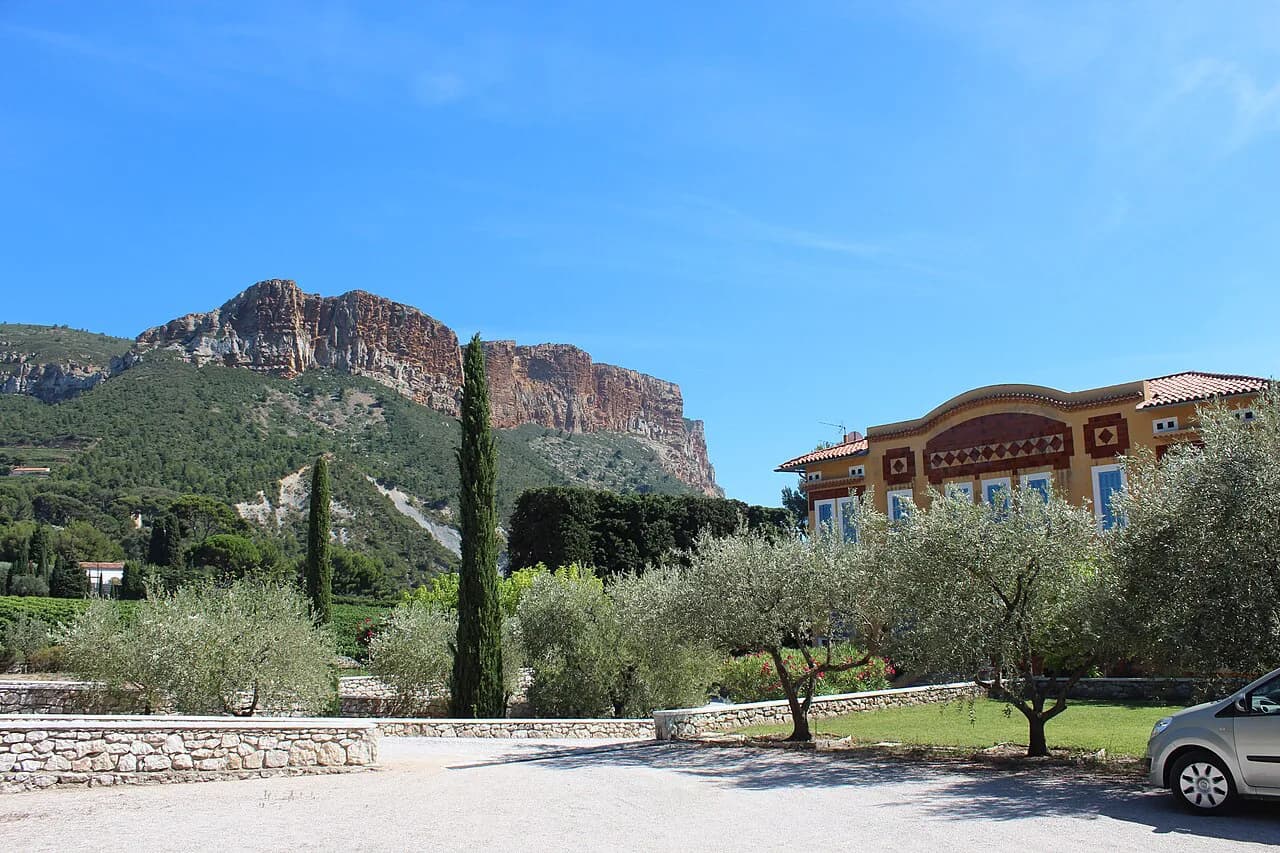
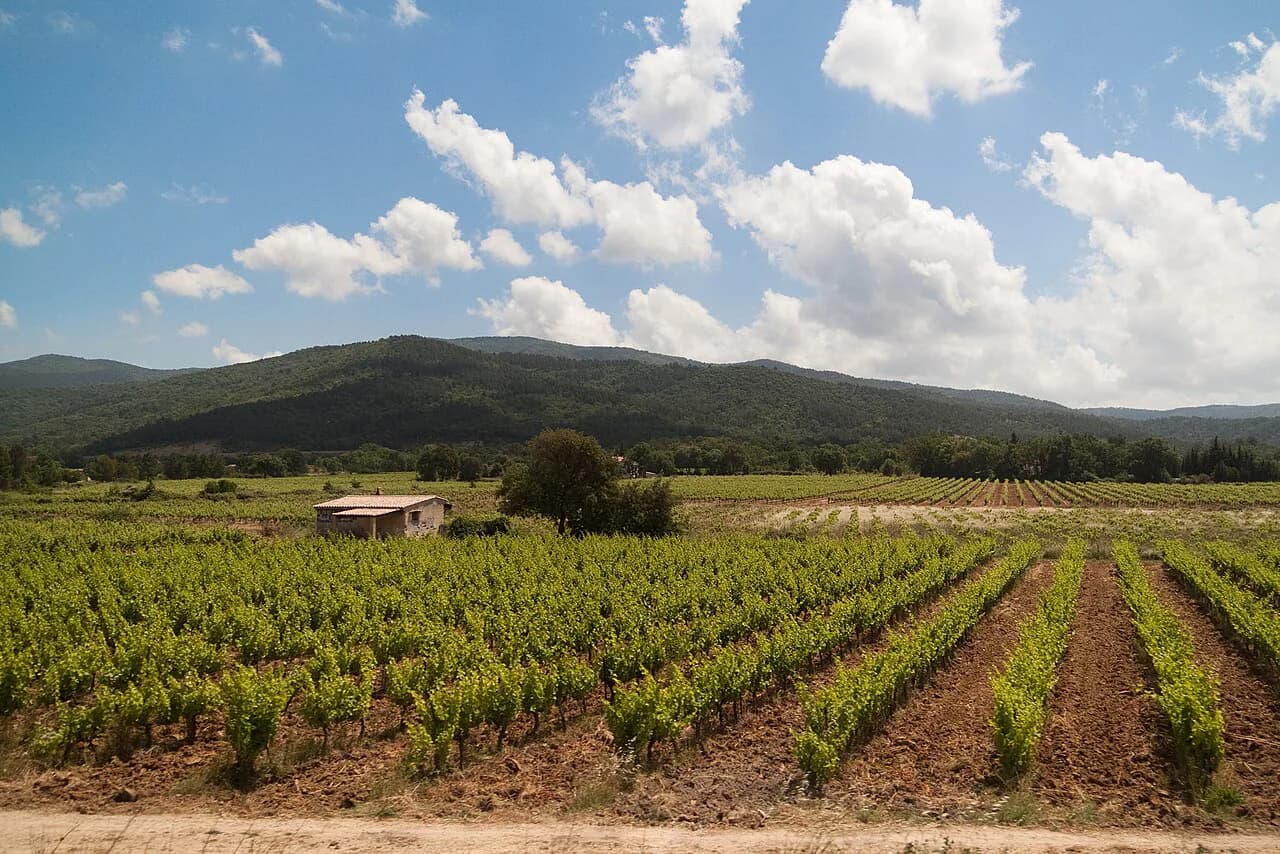
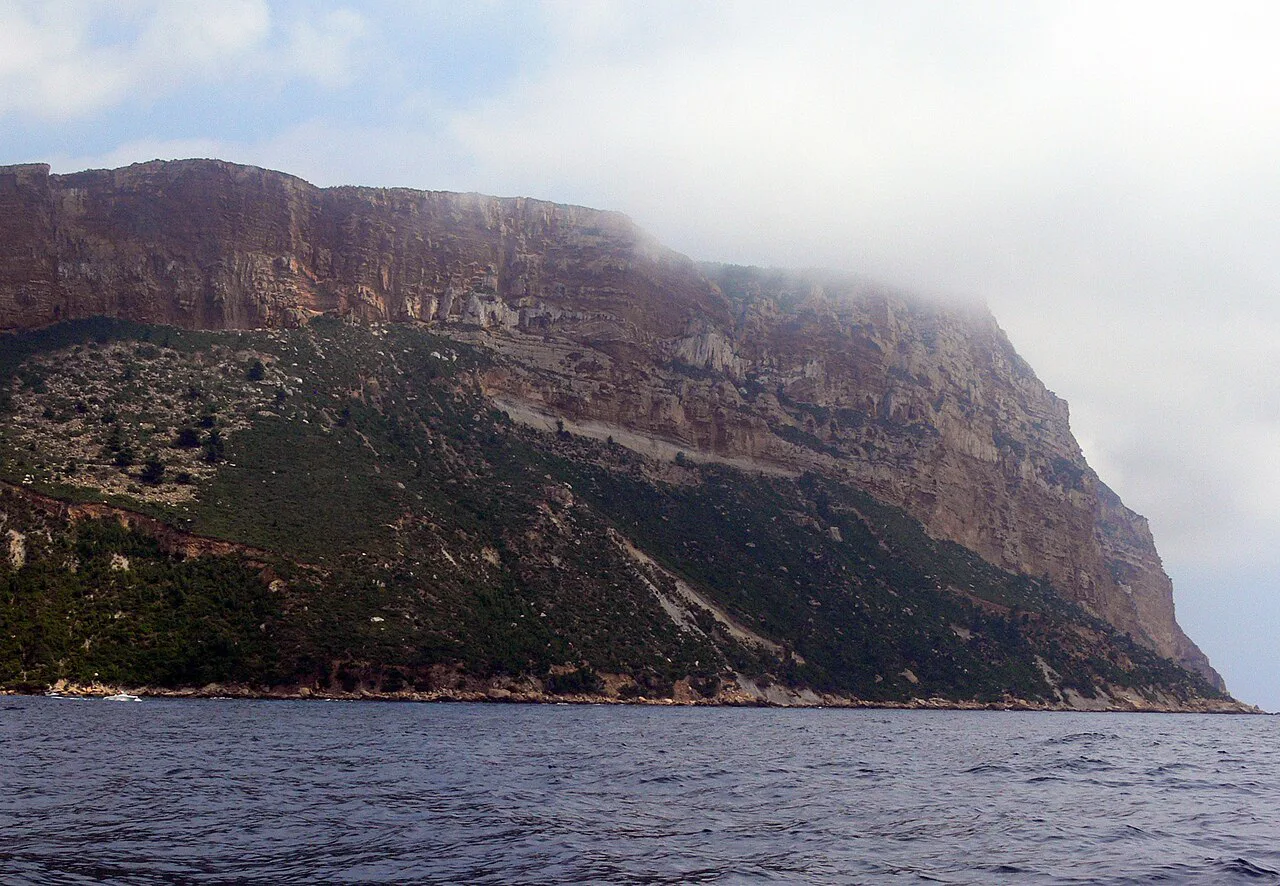
The Cassis vineyard covers a little over 200 hectares and sits inside the Calanques National Park, the limestone inlets that run along this stretch of coast; it is reported as the only French appellation wholly within a national park. The vines occupy slopes and small terraced plots rather than a single flat block, which is why visits feel spread out and why you should cluster producers rather than zigzag.
For a wider map of producers and tasting rooms in and around the city, our guide to marseille wineries sets out the surrounding appellations and what each one is worth a detour for. Read it before you fix dates, because the Cassis estate shortlist is small and one closed door can reshape a half-day.
Getting to Cassis from Marseille Without Driving
The train is the simplest independent option: regional services run from Marseille's Saint-Charles station to Cassis, and the station sits outside the town center on the plateau above it, so budget for a taxi or a local bus connection down to the port rather than a walk with the sea in view. Ticket prices and timetables vary by season, so buy on the day or check the current regional rail timetable before you set out.
A car is easier for reaching estates on the vineyard slopes, but parking in Cassis village is tight in summer and the port area fills early. If you do drive, whoever is behind the wheel should skip the glasses and use the spittoon, or split the day with a designated driver, a tour, or the train for the return leg.
Guided tours remove both the parking problem and the appointment problem, since Provence Wine Tours books the estates and drives between them. The company, registered with the French tourism board Atout France, runs small-group departures from Marseille and Aix-en-Provence and lists Bandol and Cassis among its routes.
Tasting at Clos Sainte Magdeleine: What to Expect
Because the estate publishes no visitor schedule, assume appointment culture and approach it the way you would any small family domaine in Provence: send a request with your dates, the number in your party and whether you want a tasting only or a look at the cellars. A written request also gives you a record of what was agreed, which matters if you are building a day around one confirmed slot.
What the glass will hold is easier to predict than the logistics. The estate makes white and rosé in AOC Cassis, and a tasting is the moment to compare the two rather than race through a list; ask how the white is assembled, since blending choices drive the style here more than any single grape.
Group size is the usual constraint at estates this small, and it is the first thing to state in your message. If you are traveling with more than a handful of people, ask whether a private slot is possible or whether the group should be split across two producers in the village.
Independent Trip vs. Guided Cassis or Bandol Tour
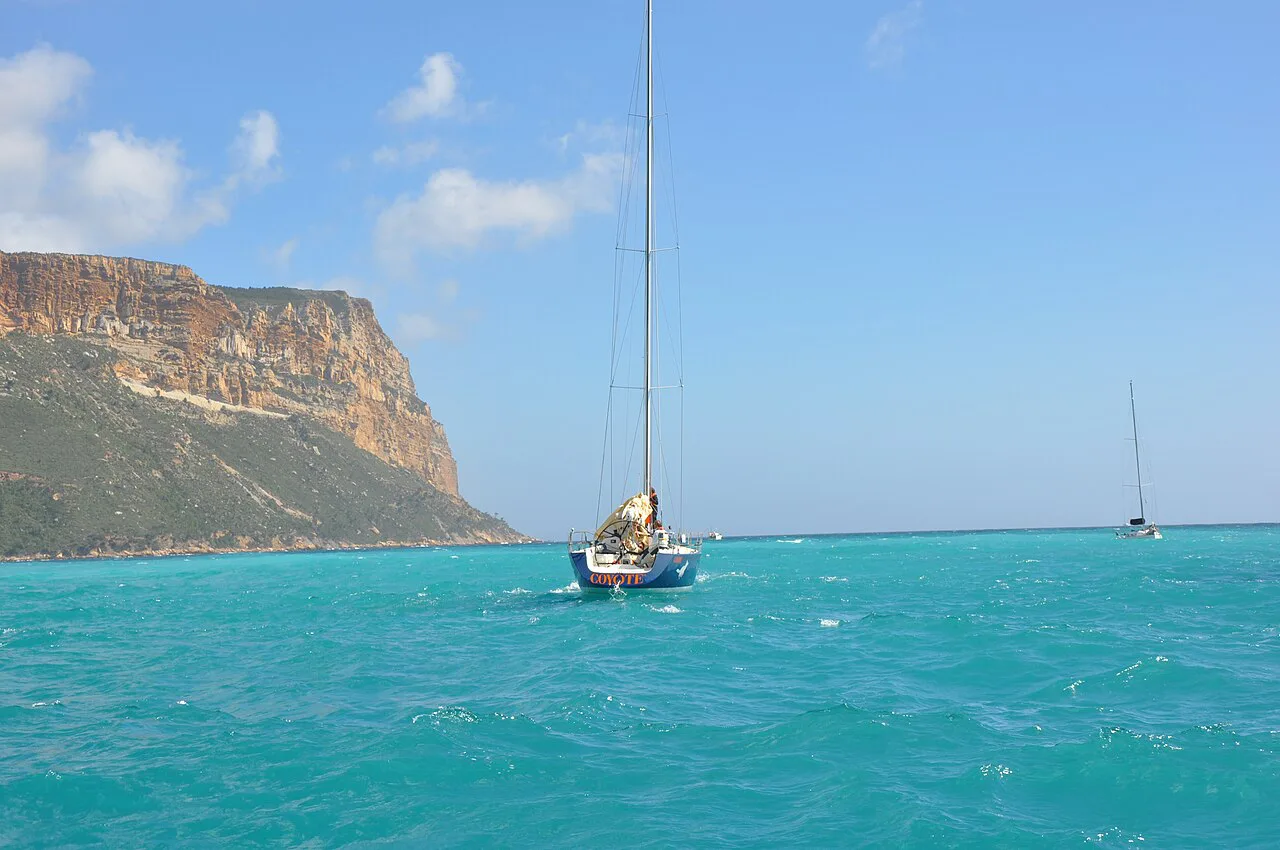
Compare the two honestly. A guided small-group tour from Marseille has published starting prices that change with season and itinerary, and it typically bundles two or three estates with transport and a guide who handles the language and the booking; independent travel costs less on paper but leaves you arranging taxis, appointment times and a return train that must fit around a tasting.
Published benchmarks from Provence Wine Tours are small-group departures starting at €89 from Aix-en-Provence, €105 from Marseille and €135 for shore excursions, all labeled as starting prices rather than fixed quotes. Those figures buy the logistics and a guide, not access to a specific estate, so check which properties a given departure actually visits on the Provence Wine Tours site before you book.
If your interest runs along the coast toward Bandol, the same operator covers that appellation, and our marseille wine tours page compares the route options leaving the city. Bandol reds are a different grape and a different weight of wine, so pairing Cassis whites in the morning with Bandol in the afternoon is a coherent day rather than a random pairing.
What Cassis Wines Are
Cassis is unusual in Provence because white wine dominates: according to a reported profile of the appellation, whites make up about 67 percent of production, rosé around 30 percent and reds only 3 percent. The appellation dates to 1936, one of the first in France, and the white grapes are led by Marsanne and Clairette, which must make up at least 60 percent of a white planting, with Ugni Blanc, Bourboulenc and others in support.
For rosé and the small red output, the main grapes are Grenache, Cinsault and Mourvèdre, the last giving structure in the way it does next door in Bandol AOC. If you want to see that contrast at source, our Bandol wineries guide covers estates that receive visitors along the same coast.
The whites are the reason to come, and they are built for seafood and aperitif drinking rather than cellaring for decades in most cases; ask what to open first and how long the current release should rest. Keep expectations calibrated: this is a small appellation, so a flight of three or four wines is a normal tasting here, not a long vertical.
Other Cassis Producers to Group Into the Same Day
Château de Fontcreuse is the other Cassis estate with clear visitor information: the regional tourism board lists presentation, tasting and sale of its wines at 13 Route Pierre Imbert in Cassis, with free entry and card, cheque and cash accepted. It also lists a phone number, a car park and pet-friendly status, which makes it a practical second stop if your first booking falls through.
Fontcreuse's white is built around Marsanne, and its wines are sold in the UK through Hourlier Wines, whose listing shows Cassis appellation bottles in the upper twenties in pounds. That retail reference is useful for judging what a bottle costs at home versus at the cellar door, though cellar-door prices and shipping are separate questions.
Beyond these two, the appellation's roughly twelve producers include historic family houses, and several sit close enough to the village to combine on foot or with a short taxi hop. If an estate is closed on your dates, buy bottles in the village instead and use the day for the coast, since the national park setting is half the reason to come.
A Practical Half-Day Plan
Take a morning train from Marseille, connect down to the port, and book your first tasting for late morning so you arrive before the midday rush. Keep the visit to one estate before lunch and a second afterward, and leave the middle of the day for the port rather than squeezing in a third appointment. The same small-estate logic shapes wine tasting in Cannes further along the coast.
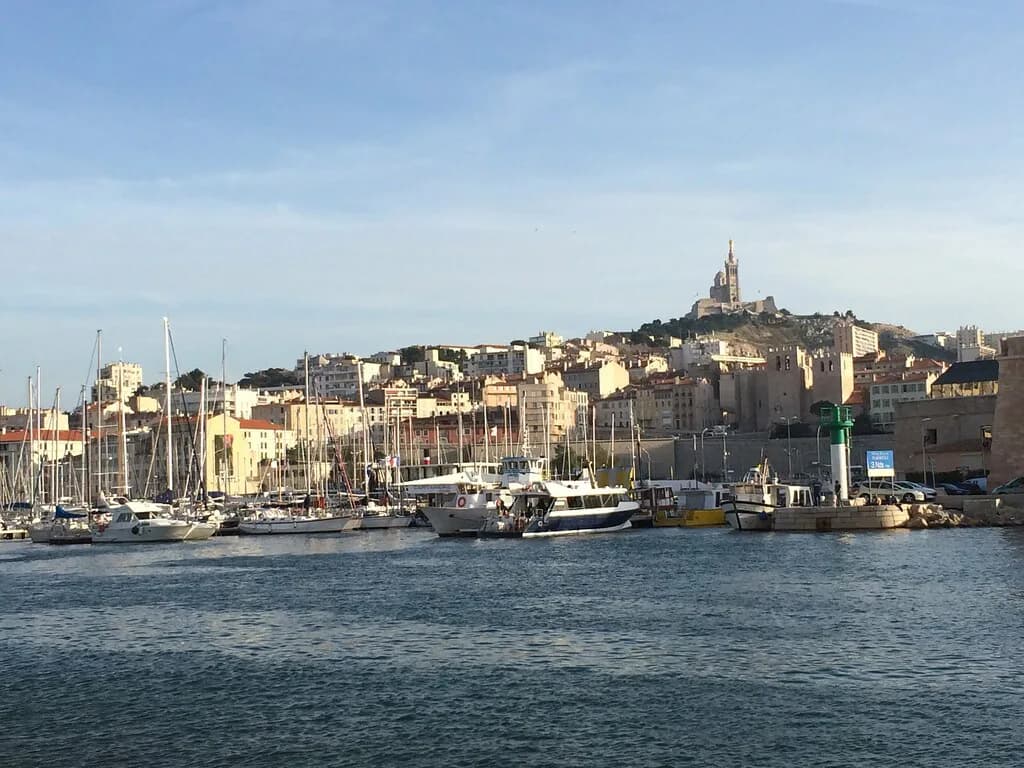
Lunch on the harbor is the natural break, and the local pairing is white Cassis with seafood, the combination the appellation is known for. After lunch, walk the village or take a short taxi to a second producer, then head back up to the station with enough margin for the connection.
If you would rather hand the routing to someone else, a guided departure from the city removes the station connection and the taxi hunt, and our guide to wine tasting in marseille explains how the city's tasting rooms work if you want a shorter day without leaving town.
When to Go
Late spring and early autumn give the best balance of open doors and comfortable walking, while midsummer brings the crowds and the tightest parking. Harvest weeks in late summer are when the small estates are busiest and least able to host, so book further ahead if you are traveling then.
Within Provence more broadly, the Côtes de Provence appellation covers a huge area and a range of styles, which is worth knowing if you are extending the trip inland. Our overview of wine tasting in marseille and the surrounding appellations helps you decide whether to add a second wine day or keep Cassis as a single focused outing.
Plan Your Visit
Clos Sainte Magdeleine is worth building a day around precisely because it is small: a family estate making organic-certified Cassis white and rosé on limestone above the sea. The trade-off is that nothing about the visit is standardized, so the appointment request is the plan, and the train-plus-taxi route or a guided tour is how you get there without a car.
Before you go, confirm the current opening and booking terms with the estate directly, and decide whether you want the guided benchmark of €89 and up or the cheaper but more fiddly independent route. Either way, leave room for a second Cassis producer and a long lunch, because that is what this appellation does best.
Frequently Asked Questions
Do you need an appointment to visit Clos Sainte Magdeleine?
The estate does not publish a visitor schedule, tour times or a walk-in policy, so write ahead with your dates, party size and what you would like to do rather than turning up unannounced. A small family domaine is usually arranging visits around cellar work, and a written request is also the point at which you learn what is possible on your dates.
How do you get from Marseille to Cassis without a car?
Regional trains connect Marseille's Saint-Charles station with Cassis, and the station sits on the plateau above town, so plan a taxi or local bus for the last stretch down to the port. Guided small-group tours leaving Marseille also solve the connection, the parking and the estate appointments in one booking.
What wines does Clos Sainte Magdeleine make?
The estate makes white and rosé under the Cassis appellation and farms organically, according to its own description of the domaine. Cassis whites are blends led by Marsanne and Clairette, with Ugni Blanc and other permitted varieties in support, which is why the white is the bottle worth concentrating on during a visit.
Why is Cassis known for white wine?
Cassis is an exception in Provence, where rosé dominates overall production. Reporting on the appellation puts whites at roughly two-thirds of Cassis output, with rosé around 30 percent and reds a small remainder, so a tasting here leans white in a way that most Provençal cellars do not.
Sources
- Chateau de Fontcreuse | Buy Online - Hourlier Wines
- Château de Fontcreuse (Cassis) | Provence-Alpes-Côte d'Azur Tourism
- Cassis: A Timeless AOC - Provence WineZine
- Provence Wine Tours & Sightseeing - Best Wine Experiences ⭐
- Clos Sainte Magdeleine: Vins blanc et vins rosé AOC ...
- Clos Sainte Magdeleine
Notes for your next wine trip
Optional updates to our winery and wine-town guides.
You might also like
Continue reading
More guides you'll find useful