Domaine de la Bégude, Bandol: Visiting, Booking and Getting There
What Domaine de la Bégude in Bandol publishes about visits, booking and hours, plus how to reach Le Camp-du-Castellet from Marseille without a car.
On this page
Two French wine estates answer to the name Bégude, and they sit at opposite ends of the country: Domaine de la Bégude in Bandol, on the Var coast east of Marseille, and Domaine Begude in Cépie, in the hills near Limoux in the Aude. Search results mix them freely, and the confusion is easy to spot once you know the appellation each one belongs to. This guide covers the Bandol estate first, then explains the Limoux namesake so you book the right cellar.
The Bandol property is a serious visit rather than a roadside stop: a working estate with organic farming, a large Mourvèdre collection and wines built for aging. Tasting fees, the number of wines poured and tour length are not published on the estate's site, so plan on asking those questions directly when you request a slot. Everything below separates what the estate states from what you should confirm yourself.
Which Bégude Are You Looking For?
If your plan is a day trip from Marseille, you want Domaine de la Bégude in Bandol, whose address is Route des Garrigues, 83330 Le Camp-du-Castellet, on the territory of La Cadière-d'Azur. If instead you are heading toward Carcassonne and Limoux, you want Domaine Begude at 11300 Cépie, an organic estate in the foothills of the Pyrenees with a completely different range of wines. Checking the postcode before you email saves a wasted booking on the wrong side of France.
The two estates also differ in how much they publish online. The Limoux estate lists its wines, its team and its terroir but no visitor hours or tasting prices, so a visit there depends on a direct enquiry. The Bandol estate publishes visit terms and a reservation contact, which makes it the easier of the two to plan into a fixed itinerary.
Where the Bandol Estate Sits
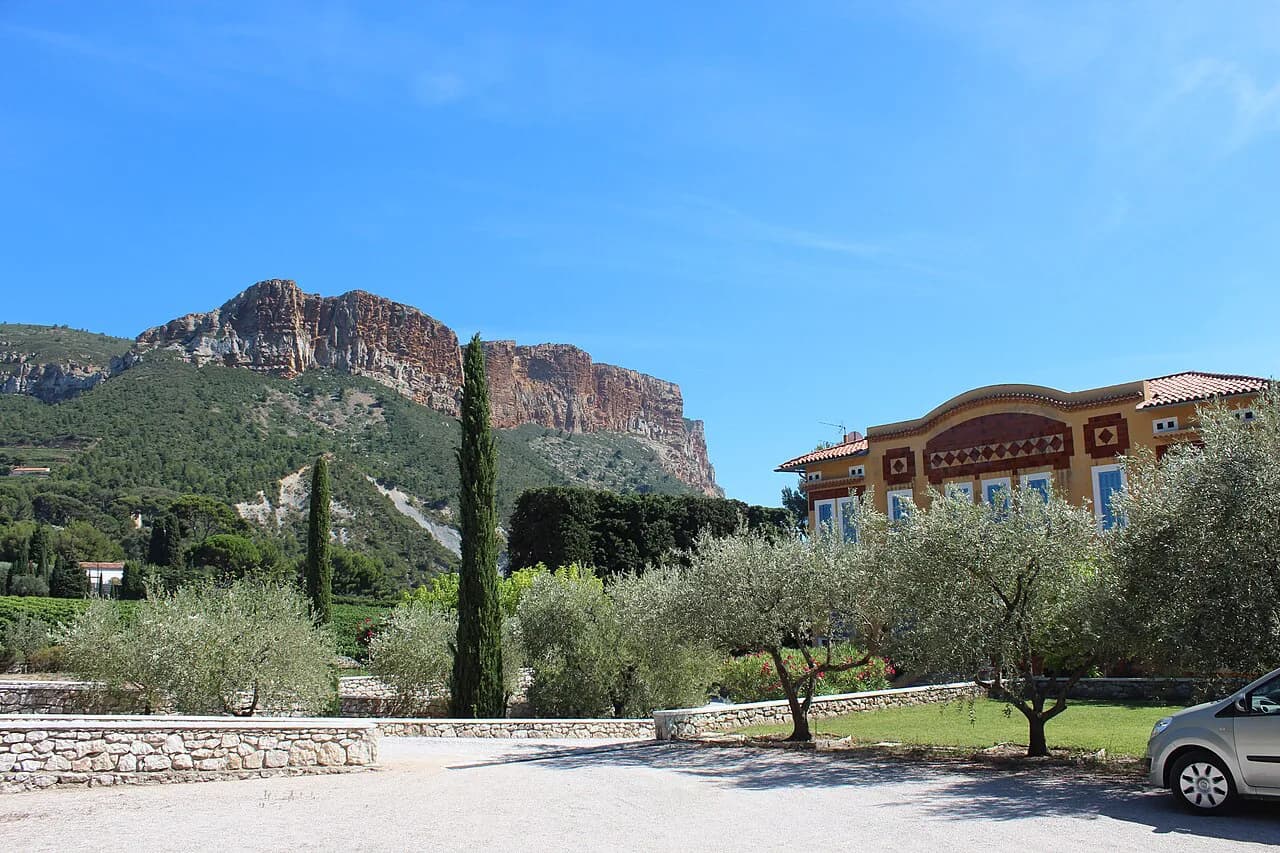
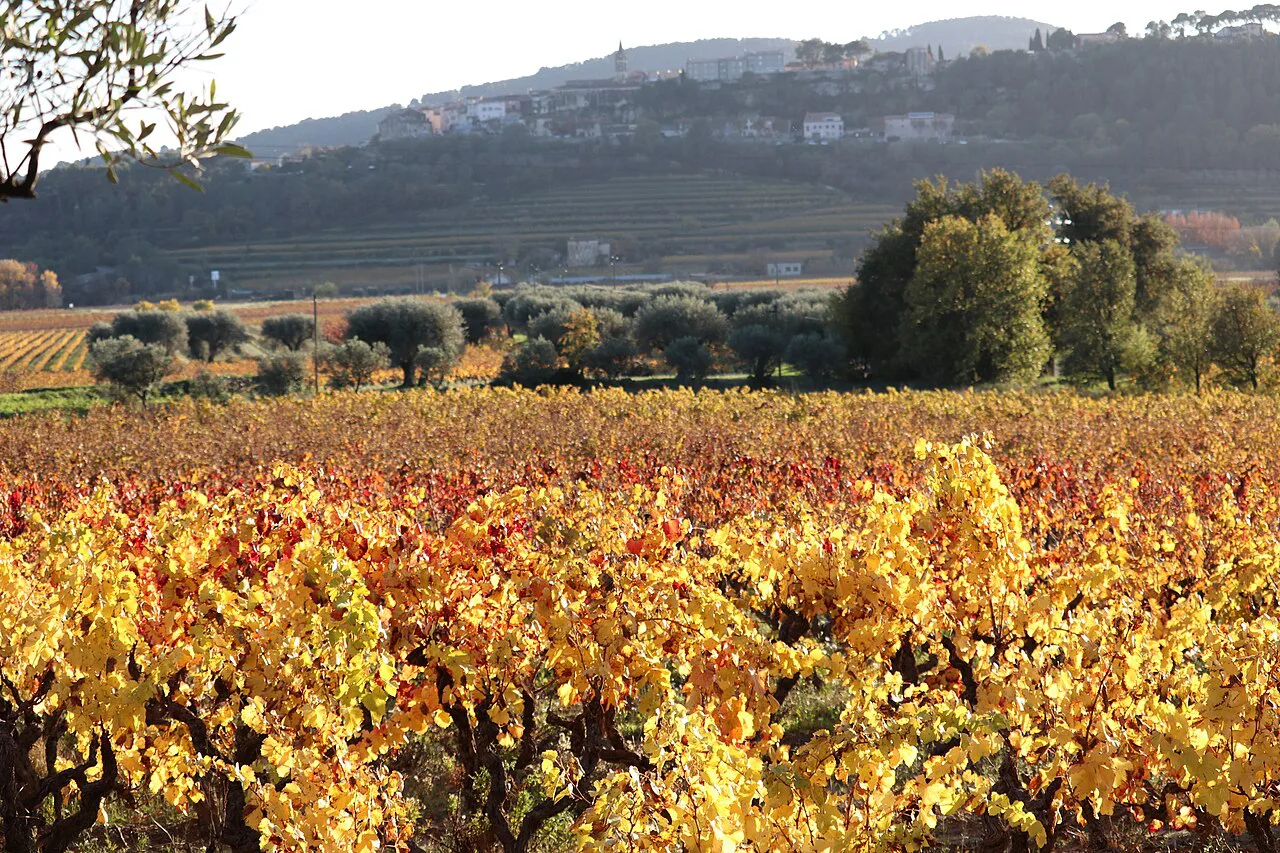
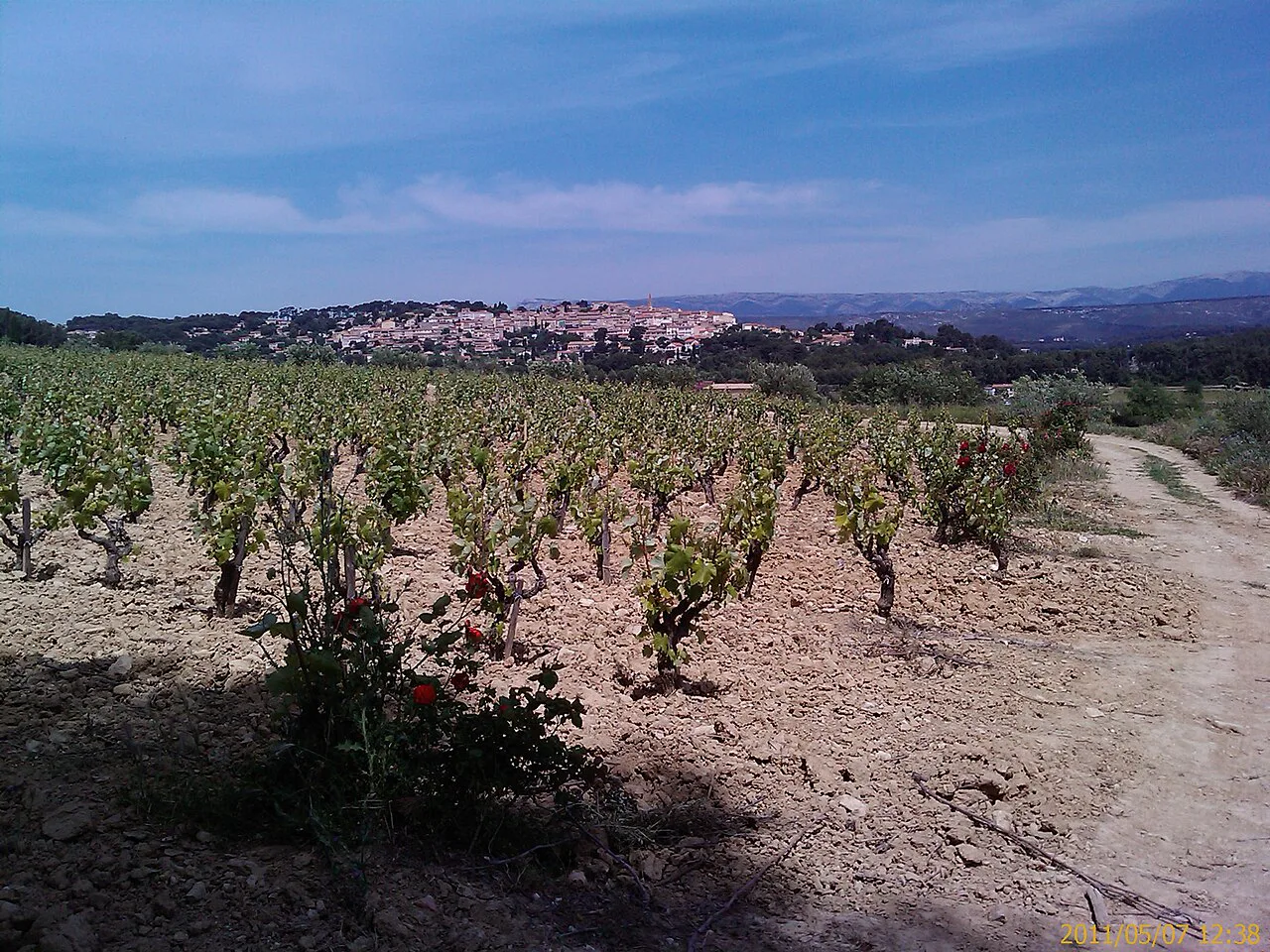
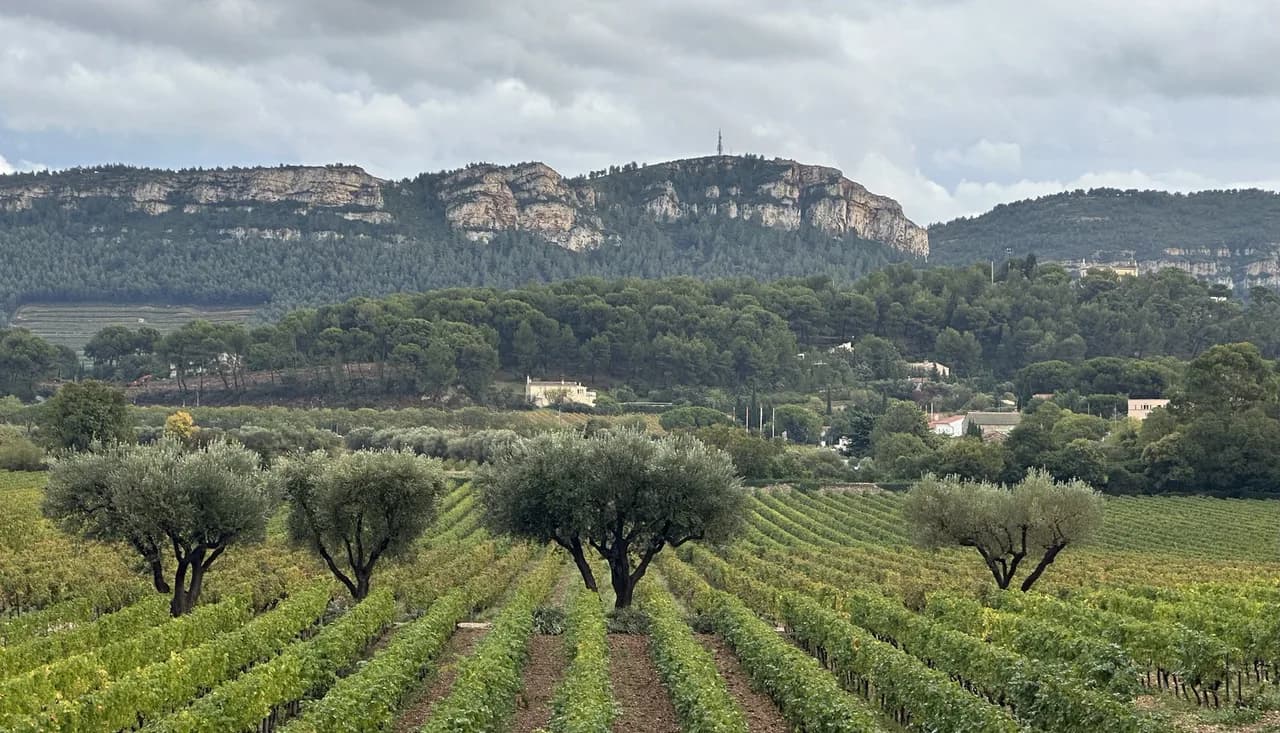
Domaine de la Bégude occupies the highest point of the Bandol appellation, on land beneath the mountain Sainte-Baume at La Cadière-d'Azur, with vines split across dozens of small plots surrounded by garrigue. That elevation and the sea breeze are the reason the estate can ripen Mourvèdre slowly, and they are also why the final approach is a climb rather than a stroll from the village square.
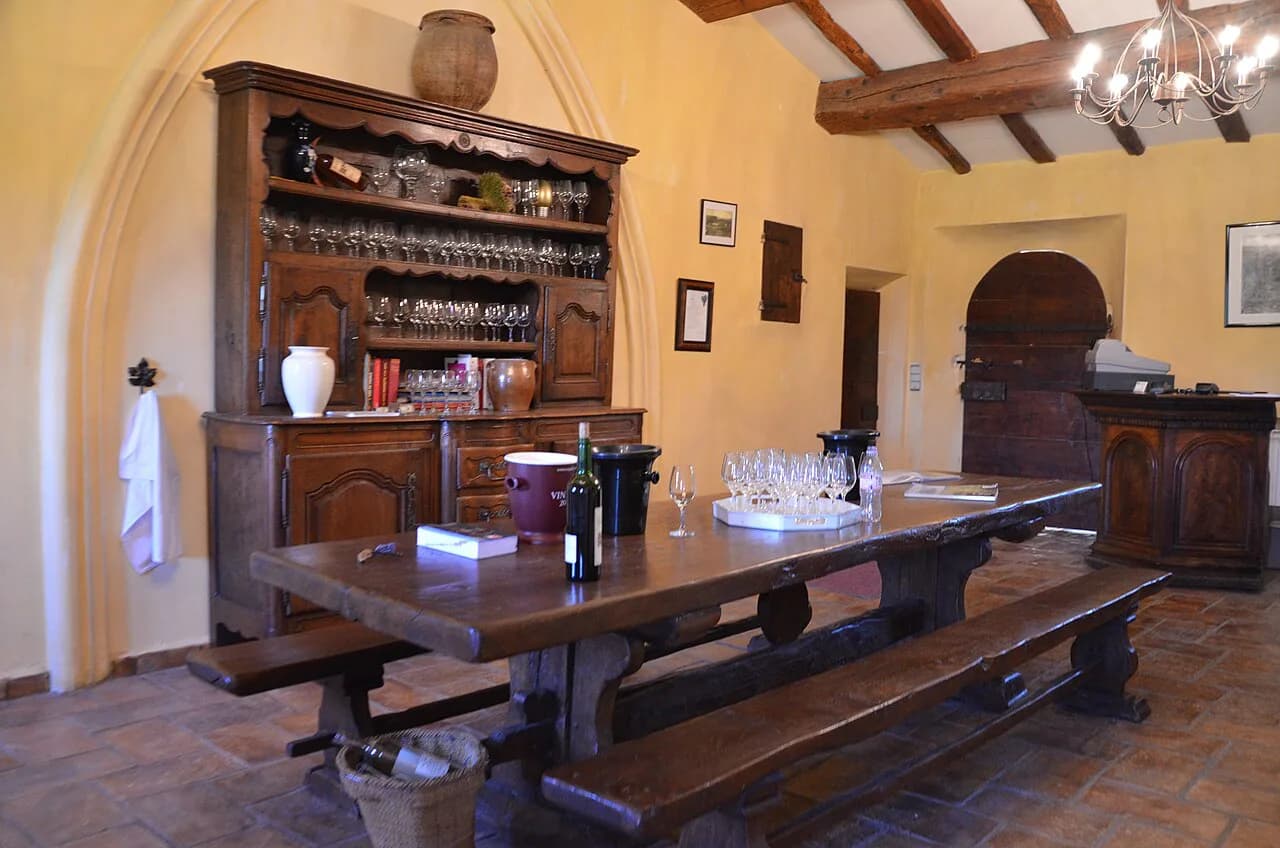
Practically, you are aiming for Le Camp-du-Castellet, a hamlet in the hills between La Cadière-d'Azur and Le Castellet, not the coastal town of Bandol itself. The estate has been farmed without weedkillers, pesticides or chemical fertilizers since 1996, and the wines are aged in a former chapel on the property. That setting is part of the visit, so allow time to arrive unhurried rather than sprinting from a train.
The property changed hands in September 2022, when the Roulleau family acquired it and appointed Laurent Fortin as managing director, and the vineyard is being expanded toward 50 hectares. For a visitor this matters mainly because estates in transition adjust their visit capacity and staffing, so a slot that was easy to book one season may need more lead time the next.
The Wines First: Bandol's Mourvèdre-Led Reds and Rosés
Bandol is a Mourvèdre appellation. The reds are typically built on a high share of that late-ripening grape with Grenache and Cinsault in support, structured and slow to open, which is why the region's best bottles are often released after time in bottle and rewarded by more time in a cellar. The rosés are a different proposition entirely: paler, drier and savory, made to drink young and widely served in Marseille restaurants.
What sets this estate apart within the appellation is a conservatory plot overlooking the sea dedicated to Mourvèdre, holding more than 150 varieties of the grape. It functions as an open-air collection rather than a commercial block, and it explains why a conversation here tends to turn to grape diversity rather than a single flagship cuvée. If you have a technical interest, ask about the conservatory when you book.
Because the reds are tannic in youth and the rosés are made for early drinking, a tasting across both styles gives you a fairer picture than either alone. Say in your request that you would like to taste across red and rosé if the estate can accommodate it, since flights are set by the host rather than the visitor.
What the Estate Publishes About Visiting
Visits at Domaine de la Bégude are by appointment, booked through reservation@domainedelabegude.fr or by phone at +33 (0)7 43 15 39 02. The estate publishes reception hours of 10h to 13h and 14h to 18h, Tuesday to Saturday. The two-hour midday gap is the single most useful planning detail on the page, because turning up at half past one means waiting outside the gate.
No tasting fee, number of wines poured, tour duration or minimum party size appears in what the estate publishes, so there is no honest figure to quote here. Ask for the fee, the flight size and the expected length of the visit in your first email, and mention whether you want a cellar or vineyard walk as part of it. That one message will settle most of the uncertainty in your day.
Sunday and Monday are outside the published reception days, which makes Saturday the natural anchor for a Marseille weekend trip and a weekday the calmer option if your schedule allows. Book the slot before you commit to train times, since a confirmed appointment shapes everything else in the itinerary.
Building a Bandol Tasting Day Around the Estate
The estate sits in a triangle of hill villages worth grouping: La Cadière-d'Azur immediately below it, Le Castellet with its restored medieval streets a short drive north, and Sanary-sur-Mer on the coast for a late lunch or an evening by the water. A realistic shape is a late-morning appointment, a village lunch, then a second stop or the coast on the way back. Trying to add Cassis on the same day means a lot of time in the car.
Le Castellet makes a sensible base for the middle of the day because it has parking, restaurants and enough walking to fill the midday closure at the estate. If you are tasting elsewhere in the appellation as well, keep the number of stops modest and use the long lunch break for food and water rather than a third cellar. A fuller list of estates that receive visitors is in the Bandol wineries guide.
If your whole trip is built around the city rather than the coast, it helps to see how Bandol compares with the closer Cassis vineyards before you commit. The overview of Wine Tasting in Marseille lays out which appellations work as day trips and which demand an overnight. If you are weighing another Provençal city as a base instead, wine tasting in Aix-en-Provence covers the estates and wineries around that town.
Getting There Without Driving
The rail spine along this coast runs through Marseille, Toulon and Bandol, and regional trains stop at Bandol and at La Cadière station, but no train reaches Le Camp-du-Castellet. The workable no-car pattern is train to Bandol or Toulon, then a taxi for the final climb, arranged in advance and booked for the return as well. Rural taxi supply is thin, so a car waiting at a fixed time is worth more than a few euros saved.
If you prefer a car, hire one in Marseille or at Toulon and treat the drive as a hill-road errand rather than a scenic cruise: the last stretch is narrow and the signposting is village-level. Leave the vehicle at the estate and do not drive afterward if you have been tasting. A driver who abstains, a tour, or public transport is the sensible arrangement when the group wants to drink.
For anyone weighing a guided option against going independently, the Marseille Wine Tours comparison sets out how pickup, group size and per-person pricing logic differ from the train-and-taxi route. Tours cost more per head but remove the taxi booking problem and the designated-driver question in one move.
Independent Visit vs. Guided Bandol Tour
Going independently gives you control over how long you stay, which villages you add and when you eat, and it is the cheaper route for two people sharing a taxi. The trade-offs are real: you handle the reservation, you must hit the estate's Tuesday-to-Saturday window, and you need a return taxi booked before you leave. For a couple comfortable with logistics, that is a fair exchange.
A guided tour suits groups, non-drivers and anyone who would rather not build the day around a taxi dispatcher. You give up flexibility on timing and pay per person, but the transport, the booking and often a second stop are handled for you. Neither option is better in the abstract; the deciding factor is how much planning you want to do for one afternoon.
Whichever you choose, ask about the final approach to Le Camp-du-Castellet, because a driver unfamiliar with the hamlet can lose time on the lanes above La Cadière-d'Azur. Share the exact address from the estate's contact page with your driver. For a wider shortlist of estates that welcome visitors, the Marseille wineries guide covers options on this side of the city.
The Limoux Namesake: Domaine Begude in Cépie
Domaine Begude is an organic estate in the hills of Limoux, in the Aude, working at around 300 meters in the foothills of the Pyrenees, and it bottles Sauvignon Blanc, Viognier, Chardonnay and Pinot Noir among other ranges. The address published is 11300 Cépie, France, with contact at james@domainebegude.com and +33 (0)6 8605 73 74. This is a five-hour drive from Marseille, not a detour from a Bandol day.
The site describes the vineyard's cool elevation and its team, and it publishes no visitor hours, tasting fee or booking procedure. If Limoux is on your route toward Carcassonne, treat a visit as a direct enquiry rather than something you can slot into an afternoon on the strength of the website. Its own tasting terms are worth asking about in the same email that requests a date.
How to Book: What to Put in Your Email
Write to reservation@domainedelabegude.fr with the date, your preferred start time inside the Tuesday-to-Saturday window, the number of people and whether anyone is driving and will not taste. State the language you would like the visit in and ask for the fee, the number of wines and the expected duration in the same message. A single well-specified email usually settles the whole booking.
For weekend slots, ask earlier than feels necessary: Saturday is the only weekend day the estate publishes, and the prime late-morning and mid-afternoon times disappear first. If your dates are fixed, offer two possible times rather than one. If they are flexible, a weekday visit is likelier to be confirmed quickly and will be quieter.
Phone the estate if you are booking within a few days of travel, since a phone call resolves availability faster than a chain of emails. The published number is a mobile, so keep the call inside French business hours and have your dates in front of you.
Practical Timing: Harvest, Midday Closures and the Split Day
The published 10h–13h and 14h–18h split, Tuesday to Saturday, shapes the day more than any other single fact. Plan your arrival for the morning block and your lunch for the closure, or take the afternoon block and use the morning for Le Castellet. Building the day the other way around leaves you waiting at a locked gate.
Harvest in Bandol falls in the late season, and Mourvèdre is a late riperer even by Mediterranean standards, so early autumn can mean the estate is focused on the cellar and the vineyards rather than on hosting. Ask about the harvest window when you request a date if you are traveling in September or October. Spring and early summer are the straightforward months for a first visit.
Whatever the season, confirm the day and time shortly before you travel, since a single confirmation covers hours, availability and any change of plan at the estate. One check is enough; your booking email already fixes the rest.
Tasting Responsibly on a Hill Estate
The estate is up a hill with limited public transport, so the driver in your group should not taste at all: use the spittoons, or split the group so one person stays on water. The alternative is a booked driver or a guided tour, both of which remove the problem entirely. Bandol's reds are strong wines, and a flight after a long lunch is a poor combination with a winding descent.
Plan Your Bandol Visit
Domaine de la Bégude is a worthwhile anchor for a Bandol day from Marseille precisely because its terms are published: appointment only, Tuesday to Saturday, 10h–13h and 14h–18h, booked at reservation@domainedelabegude.fr or +33 (0)7 43 15 39 02. Ask for the fee, the flight and the duration in your first message, and arrange your return taxi before you set off.
Pair the visit with Le Castellet and La Cadière-d'Azur rather than trying to reach Cassis the same afternoon, and check that you have the Bandol estate and not the Limoux namesake before you book.
Frequently Asked Questions
Is Domaine de la Bégude the same as Domaine Begude in Limoux?
No. Domaine de la Bégude is in Bandol, at Le Camp-du-Castellet on the territory of La Cadière-d'Azur in the Var, east of Marseille. Domaine Begude is an organic estate at 11300 Cépie, in the hills near Limoux in the Aude, several hours away by car. Check the postcode and the appellation before you send a booking request, because the two are frequently mixed up in search results.
Do you need an appointment to visit Domaine de la Bégude in Bandol?
Yes. The estate publishes visits by appointment, arranged through reservation@domainedelabegude.fr or by phone at +33 (0)7 43 15 39 02. Reception hours are published as 10h to 13h and 14h to 18h, Tuesday to Saturday, so a request should sit inside those blocks. Turning up without a confirmed slot is not a plan for this estate.
How do you get to Domaine de la Bégude from Marseille without a car?
Take a regional train along the coast toward Bandol or Toulon, then a taxi for the final climb to Le Camp-du-Castellet, since no train serves the hamlet. Arrange the taxi in advance and book your return at the same time, because rural supply is thin. A guided tour from Marseille removes the taxi logistics entirely and is the simpler option for groups.
What wines can you taste in Bandol?
Bandol is known for Mourvèdre-led reds, usually supported by Grenache and Cinsault, and for dry, savory rosés made to drink young. Domaine de la Bégude also maintains a Mourvèdre conservatory with more than 150 varieties of the grape. The estate does not publish which wines are poured on a visit, so ask about the flight when you request a date.
When is the best time to visit Bandol wine estates?
Spring and early summer are the most straightforward months for a first visit, with settled weather and a normal working rhythm at the estates. Harvest comes late in Bandol because Mourvèdre ripens slowly, and September or October can mean the team is concentrated on the cellar and vineyards. Ask about the harvest window when you request a date in early autumn.
Sources
Notes for your next wine trip
Optional updates to our winery and wine-town guides.
You might also like
Continue reading
More guides you'll find useful