Palmento Costanzo: Tasting Etna Wines at Passopisciaro
Plan a visit to Palmento Costanzo in Passopisciaro on Etna's north slope: what the estate publishes about visits and booking, and the trip from Taormina.
On this page
Palmento Costanzo is a family-owned Etna estate in Passopisciaro, on the volcano's northern slope, and it is one of the addresses that makes the north side worth a full day rather than an afternoon. The property is built around a restored palmento, the old pressing and fermentation building, which the family kept largely intact and folded into a contemporary winery. This guide covers what the estate actually publishes about visiting, how to book, and the practical question of getting there from Taormina without turning the trip into a scramble.
Why Palmento Costanzo Is on the Etna Wine Map
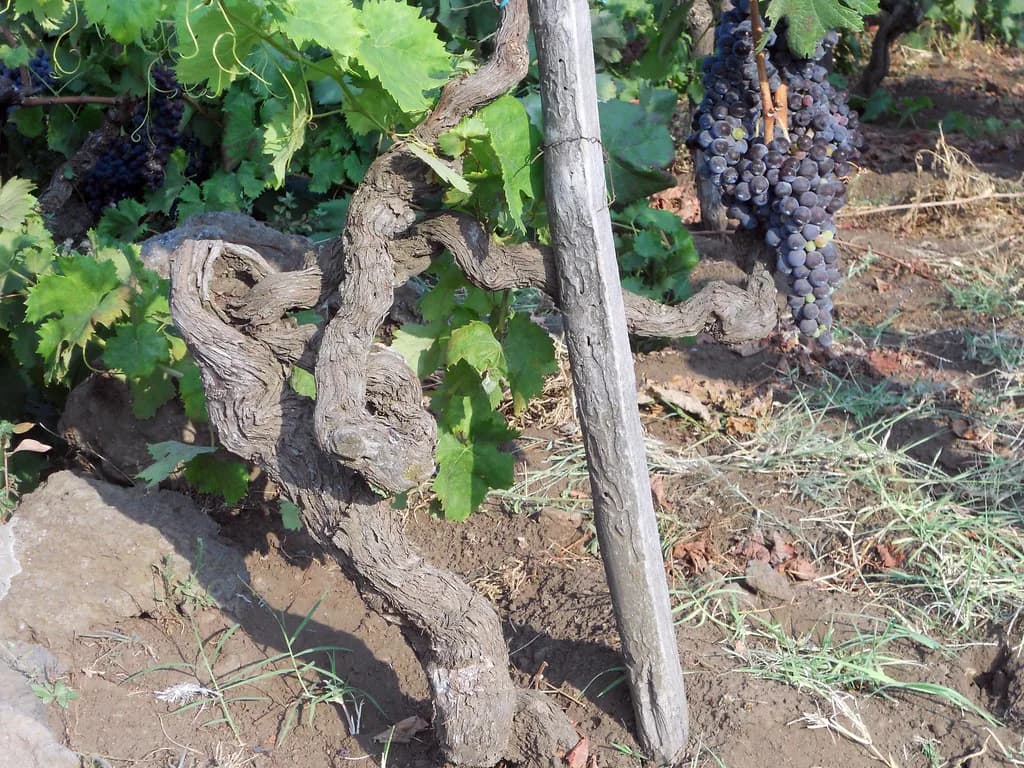
The estate's identity rests on the old palmento itself, which the family describes as one of the island's more significant examples of conservative restoration: rather than rebuilding it, they let the structure keep its original character while integrating it into a modern working cellar. Around it, the winery farms 18 hectares split across Contrade and lava-shaped slopes, so every parcel sits on ground left by a different flow. That geology is the reason the range reads as a set of distinct voices rather than one house style.
In the cellar, the approach follows the same logic: separate vinifications for each Contrada, worked in steel, tonneaux and large barrels so each parcel can be followed on its own. For a visitor, this is the useful thing to know before you arrive, because it explains why the tasting list is organized by place names (Contrade) as much as by grape or color. If you want to understand Etna wine quickly, tasting across Contrade from a single estate is one of the most efficient ways to do it.
Where It Is: Contrada Santo Spirito, Passopisciaro
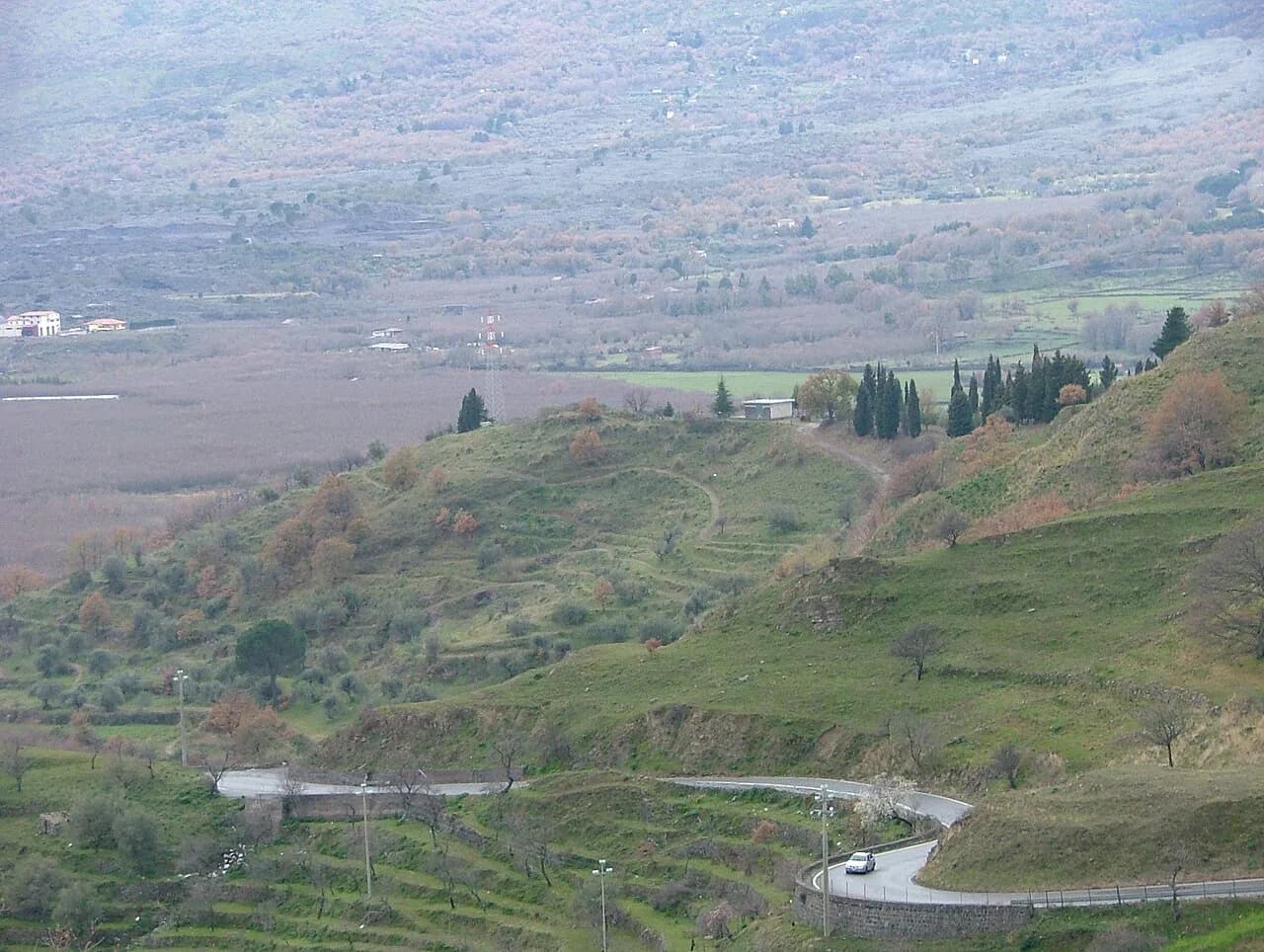
Palmento Costanzo is at Contrada Santo Spirito, Passopisciaro, 95012 Castiglione di Sicilia, in the province of Catania, on the northern flank of Mount Etna. The village of Passopisciaro is small and the winery sits in its contrada, out among the vineyards rather than on a town street, so you need a plan for the last stretch rather than expecting to step off a bus at the gate. The published contact line for the estate is +39 0942 983239, with a mobile at +39 340 9925306 and the address info@palmentocostanzo.com.
For a Taormina base, the north slope is a different excursion from the closer Etna wineries above the coast. You are crossing to the other side of the mountain, which means either a car, a tour that handles the mountain roads, or a train-and-taxi combination through Randazzo. Treat it as a half-day at minimum in each direction and build the day around one or two appointments rather than a checklist. If you would rather stay on the southern side of the volcano, wine tasting in Catania keeps you closer to the city and its own Etna DOC cellars.
The estate also appears in traveler listings that describe it as an organic-focused producer in Passopisciaro on the northern slope, which is a useful cross-check on the location if you are mapping the drive. Those listings are not the place to rely on for visit logistics, though; the winery's own pages and a direct email are.
Etna DOC in Brief: What You Will Be Tasting
Etna DOC covers reds built mainly on Nerello Mascalese with Nerello Cappuccio, and whites led by Carricante, grown on volcanic soils at altitude. The reds tend to be pale in color but structured and savory, closer in weight to a fine Burgundy than to a warm-climate southern red; the whites are tense and mineral. Knowing this helps you choose: if you have limited time, a mixed flight of one white and several reds shows the range best.
Contrada labeling is the key to reading an Etna shelf. Because lava flows and elevations differ from one parcel to the next, producers who bottle by Contrada are signaling that the site, not just the grape, is the point. At an estate like Palmento Costanzo that separates vinifications by Contrada, asking which parcels are in each bottle is a better use of your tasting than chasing a score.
What the Estate Publishes About Visiting
The winery's site carries a dedicated Visite e Degustazioni page alongside a wine club and an on-site hospitality offering that includes overnight stays, so visits and tastings are part of the published business rather than an informal favor. What the public pages do not lay out is a fixed schedule of tasting formats, duration, number of wines poured, or opening hours. That means the specific shape of your visit is confirmed when you make contact, not read off a webpage in advance.
The wine club and the stay options are worth a look if you are planning around Etna rather than passing through: buying into a club or booking a room changes the logistics of the day considerably, and both are listed as core parts of the estate's visitor offering. For a short Taormina stay, though, the straightforward move is a single booked tasting rather than a package.
How to Book a Tasting
Booking runs through the published contacts: email info@palmentocostanzo.com or call +39 0942 983239, with +39 340 9925306 as the mobile line. On Etna's north slope the appointment culture is strong, and cellars work to fixed daily slots rather than staffing a walk-in counter all afternoon. Requesting a slot by email a few days ahead, with your date, party size and whether anyone is driving, is the practical approach.
In your request, ask the things the site leaves open: which tasting options exist, how long each runs, how many wines are poured and whether any food is included, and whether a cellar or palmento walk-through is part of it. Also ask for the current price in writing and the cancellation terms, since these vary by season and party size. A short, specific email gets a much more useful reply than a general inquiry about availability.
Prices and Tasting Formats: What to Confirm
The estate's public pages do not publish a price list or a fixed tasting menu, so any figure you see quoted elsewhere should be treated as provisional and confirmed directly at booking. When you write, ask for the per-person cost, what it covers, and whether children or non-drinkers are accommodated at a reduced rate. That single email removes most of the uncertainty from the day.
Etna tastings commonly run from a short seated flight to a longer tour with several wines and local food, and the estate's combination of a historic palmento and a working cellar suggests the visit may include a walk-through, but confirm rather than assume. If you are pairing two appointments in one day, ask for a shorter format at the second stop so you are not rushing the first.
Getting There Without Driving
The Circumetnea railway circles the volcano through the north-side towns, including Randazzo, which is the practical rail gateway to the Passopisciaro area; from Taormina you first reach the rail corridor via Catania or the coast, then continue on the Circumetnea. Regional buses also serve Randazzo and the Etna villages, but services thin out on Sundays and in the off-season. From Randazzo or Passopisciaro, the final leg to a contrada winery is a short taxi ride you should arrange in advance, since you cannot count on hailing one in the countryside.
Check current Circumetnea and bus timetables on the FCE (Ferrovia Circumetnea) and local bus operator sites close to your travel date, because the rail line has seen engineering work and partial substitutions in recent years. The train-and-taxi route works best as a full-day plan, not a quick hop: aim to arrive around late morning and leave yourself a comfortable margin for the return connection. If the schedule looks tight for your dates, a guided tour removes the timing risk.
Guided options from Taormina are the simplest non-driving solution, since they handle the mountain roads and the winery timing in one booking, usually combining one or two estates with a stop in a north-side village. The trade-off is less flexibility: you taste what the itinerary includes rather than choosing your own lineup. For a first Etna visit, that convenience is often worth it, and comparing several Etna wine tours from Taormina shows how much north-slope time each one actually gives you.
Driving from Taormina: The North-Side Run
By car, the route from Taormina runs around the eastern and northern flanks of Etna via the Randazzo area, and the mountain roads make the distance feel longer than the map suggests. Allow generous time for the loop, drive it in daylight, and do not plan the return as a rushed evening run after a long tasting. A single appointment plus a village stop makes a full, satisfying day.
If you are building a broader itinerary of cellar visits, the north slope pairs naturally with the Castiglione di Sicilia area, where other estates also receive visitors by appointment, such as the Cottanera estate, and a Cottanera winery visit covers the same ground from a different angle. Booking one north-side appointment in the morning and a second nearby in the early afternoon keeps driving to a minimum.
Grouping Your Day Around Passopisciaro and Randazzo
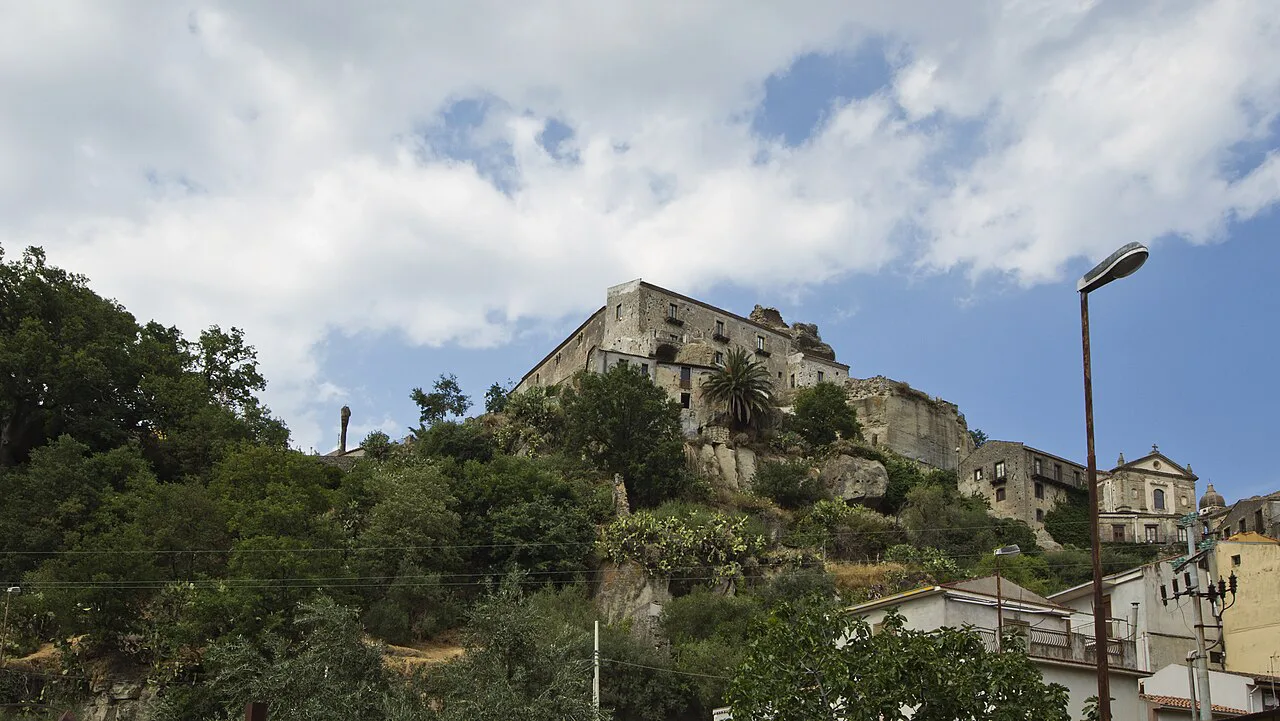
Passopisciaro and Randazzo sit close enough to anchor one unhurried wine day, with Randazzo useful for a coffee, a bakery stop and a look at the lava-stone town center between appointments. Book the first tasting for mid-morning, leave a real gap for lunch and driving, then take the second in the early afternoon. Two cellars in one day is a sensible ceiling when someone has to drive the mountain roads afterward.
Other north-slope producers also open by appointment, and many are small enough that a single group fills a slot, so sequence your bookings early rather than leaving the second one to the week of travel. Keep the two estates close together geographically so the day does not dissolve into driving.
When to Go: Harvest and Season
Etna harvest generally runs from mid-September into October, later than in warmer parts of Sicily because of the altitude, and that window is the liveliest but busiest time to visit, with cellar teams stretched and slots harder to find. Late spring and early summer are calmer for tastings, with green slopes and more flexibility on dates. Winter visits are possible but fewer estates run daily hospitality, so plan around confirmed bookings.
Whenever you go, ask at booking whether the date falls during harvest or a public holiday, since staffing and access to the production areas can change then. If seeing the cellar at work matters to you, say so in your request and let the estate tell you what is realistic.
Independent Booking or a Guided Tour?
Booking directly gives you control over which estate, which tasting and how long you linger, and it usually costs less than a tour once you account for the ticket price alone. The catch is that you own the logistics: the mountain drive, the timing between appointments and the return leg, all of which matter more on the north slope than at the wineries closer to Taormina.
A guided tour suits a short Taormina stay or a group where nobody wants to drive, and it converts a complicated day into a single booking with a fixed return. Read the itinerary closely to see whether Palmento Costanzo or a comparable Passopisciaro estate is actually included, since north-slope tours vary in which cellars they visit.
Plan Your Visit
Palmento Costanzo rewards a deliberate plan: confirm your slot by email or phone, ask for the current price, format and duration in writing, and build the day around the north-side drive or a booked tour rather than a hopeful walk-in. Pair it with one other Passopisciaro or Randazzo appointment and keep the pace modest. If you are weighing the broader options from the coast, the guide to Taormina Wine tasting sets out how the Etna cellars compare.
Finally, plan the driving honestly: whoever is behind the wheel should not taste, using spittoons, a designated driver or public transport and tours so everyone gets home safely on the mountain roads.
Frequently Asked Questions
Can you visit Palmento Costanzo for a tasting?
Yes. The estate runs a Visite e Degustazioni page on its site and offers on-site hospitality including overnight stays, so tastings are part of its published visitor offering. What is not posted publicly is the exact schedule of tasting formats, durations or pouring counts, so you confirm those by email or phone when you request a date.
How much does a tasting at Palmento Costanzo cost?
The estate does not publish a price list or a fixed tasting menu on its public pages, so the cost is quoted at booking. Ask for the per-person figure in writing, what it covers, and whether non-drinkers are accommodated at a lower rate, and request the cancellation terms at the same time since they can vary by season and party size.
Do you need to book Palmento Costanzo in advance?
Yes, plan on it. Cellars on Etna's north slope work to fixed daily slots rather than staffing a walk-in counter all afternoon, so email info@palmentocostanzo.com or call the published numbers a few days ahead with your date, party size and whether anyone in the group is driving.
How do you get to Palmento Costanzo from Taormina without a car?
Take the rail and bus corridor toward Catania or the coast, connect to the Circumetnea railway for Randazzo, then cover the final stretch to the contrada by pre-arranged taxi. Check current Circumetnea and bus timetables close to your date, and treat the trip as a full day rather than a quick hop. A guided tour from Taormina removes the timing risk entirely.
What wines does Palmento Costanzo make?
The estate farms 18 hectares across Contrade on Etna's slopes and vinifies each Contrada separately in steel, tonneaux and large barrels. Expect Etna DOC styles: reds based on Nerello Mascalese with Nerello Cappuccio, and whites led by Carricante. Which specific bottles appear in a tasting flight is confirmed when you book.
When is harvest on Etna?
Harvest on Etna generally falls from mid-September into October, running later than in warmer parts of Sicily because of the altitude. That window is the busiest for cellar visits, so book early if you want to be there during it; late spring and early summer offer calmer tastings and more flexibility on dates.
Sources
Notes for your next wine trip
Optional updates to our winery and wine-town guides.
You might also like
Continue reading
More guides you'll find useful