Graci Winery on Mount Etna: Visiting from Taormina
Plan a Graci winery visit on Mount Etna from Taormina: where Passopisciaro sits, how to reach Etna's north slope, what to ask, and how to book.
On this page
Graci earns its reputation on Etna's north slope, and the visit planners ask about is a genuinely mountain errand: a small village, old vines on lava, and a wine culture built around named parcels. The decision that shapes the whole day is transport, because Taormina sits on the coast and the approach to Passopisciaro is not a stroll. Sort that first, then the tasting.
This guide keeps to what is confirmed about Graci and fills the gaps with the stable logic of the district: how the contradas work, which grapes to understand, and the questions worth asking before you commit. For the broader picture of base towns and options, start with our guide to wine tasting in Taormina.
Why Graci Is the Etna Producer Travelers Ask About
Graci is tied to a specific place and vine age rather than to a brand story: the family property sits in Passopisciaro, a small commune of a few hundred people at the foot of the mountain, in the far north of Etna's wine zone. Alberto Graci returned to his grandfather's roots after a career in investment banking in Milan and bought his first vineyard, which is why the estate reads as a revival rather than an inheritance.
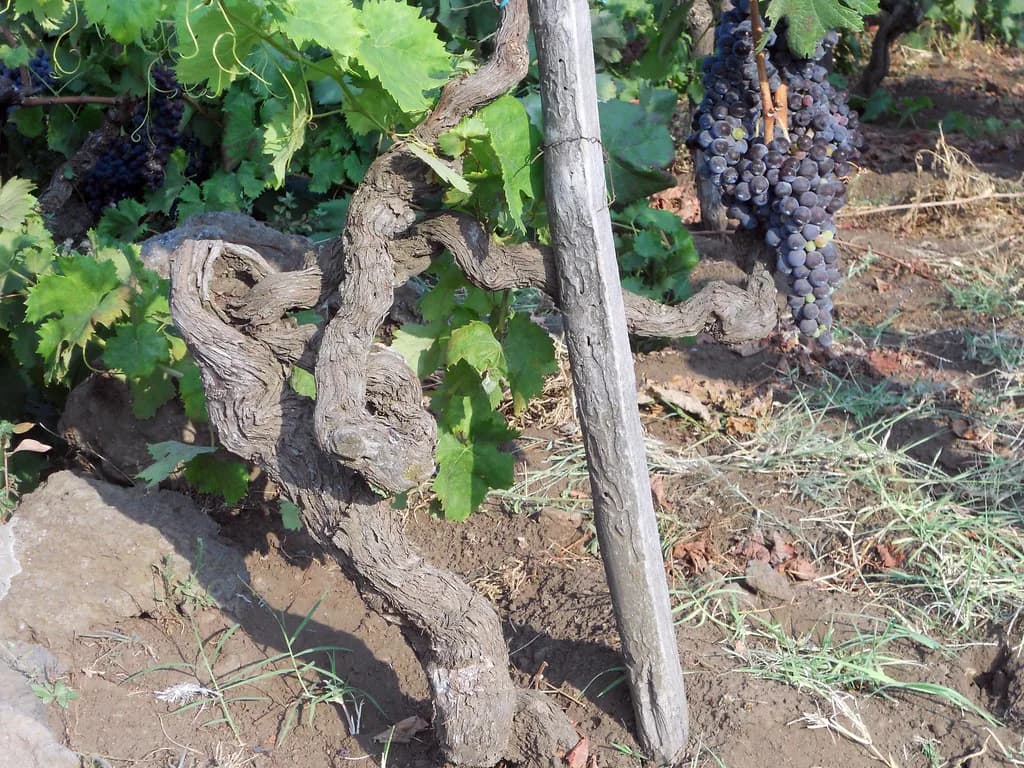
What a visit actually covers depends on the estate's own arrangements on the day, and the number of wines, tour length and any food pairing are set by the producer. Ask those three things when you book and you will know exactly what you are buying. What the vineyards themselves offer is documented: Graci's highest parcel, Barbabechi Solicchiata, sits at about 1,000 meters with two hectares of pre-phylloxera Nerello Mascalese planted roughly a century ago on a lava flow around 800 years old.
That altitude and vine age are the practical reason to visit this part of Etna rather than any other: the north slope's high parcels ripen late and slowly, and walking among old bush vines tells you more about the wines than any label. It also means the drive within the estate can be steep and rough, so wear shoes you would take onto a farm track.
Where Graci Sits: Passopisciaro and the North Slope
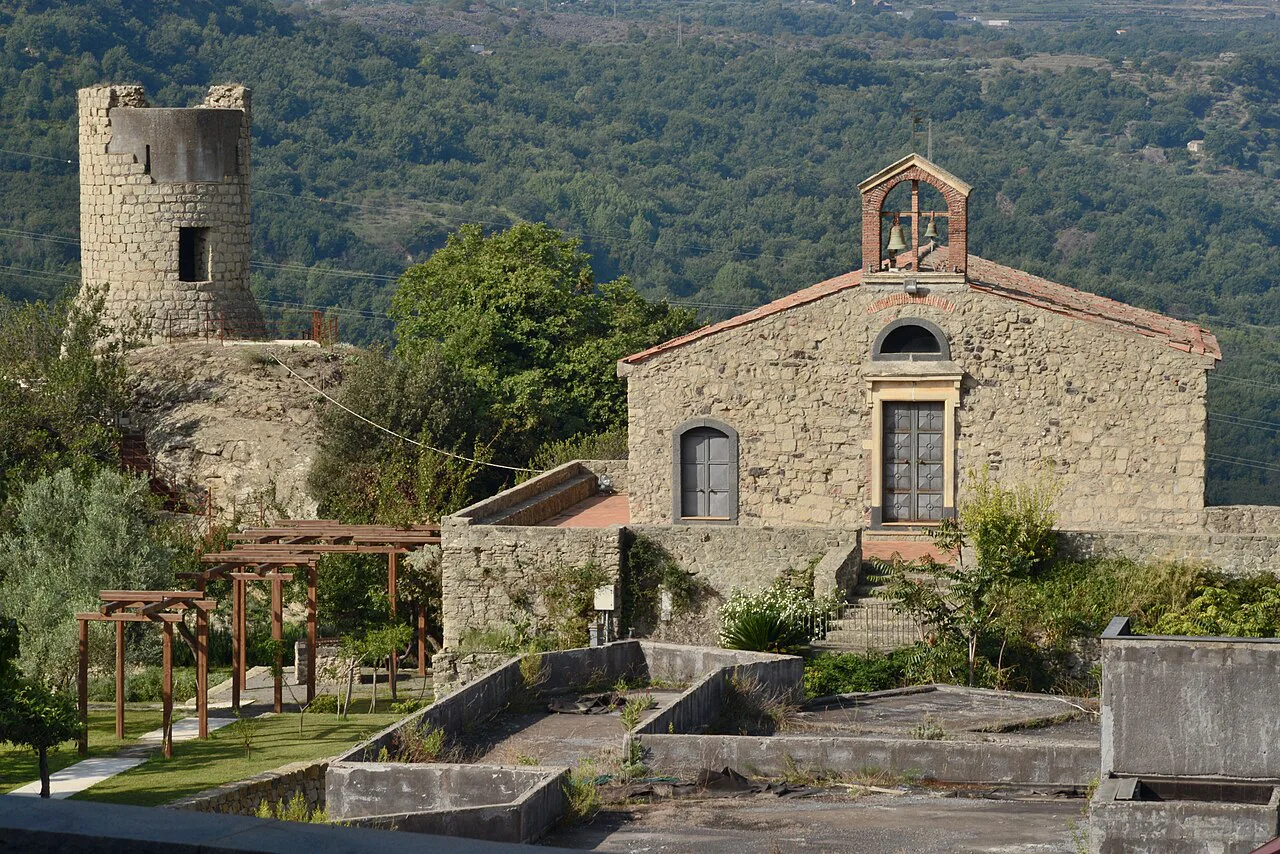
Passopisciaro is the anchor village of Etna's northern wine country, and Graci's vineyards and winery are identified with it. Around the village, the slope breaks into contradas — named parcels that function as the region's real address system, the way a village name works in Burgundy or a cru does in Chianti.
The contrada system matters when you are choosing whom to visit: two estates a few minutes apart can make entirely different wines because their parcels sit at different altitudes and on different lava flows. Alberto Graci has explained how Etna's parcels are classified and chosen and why single-parcel bottling makes sense on the mountain, which is a useful frame for reading any Etna label before you go.
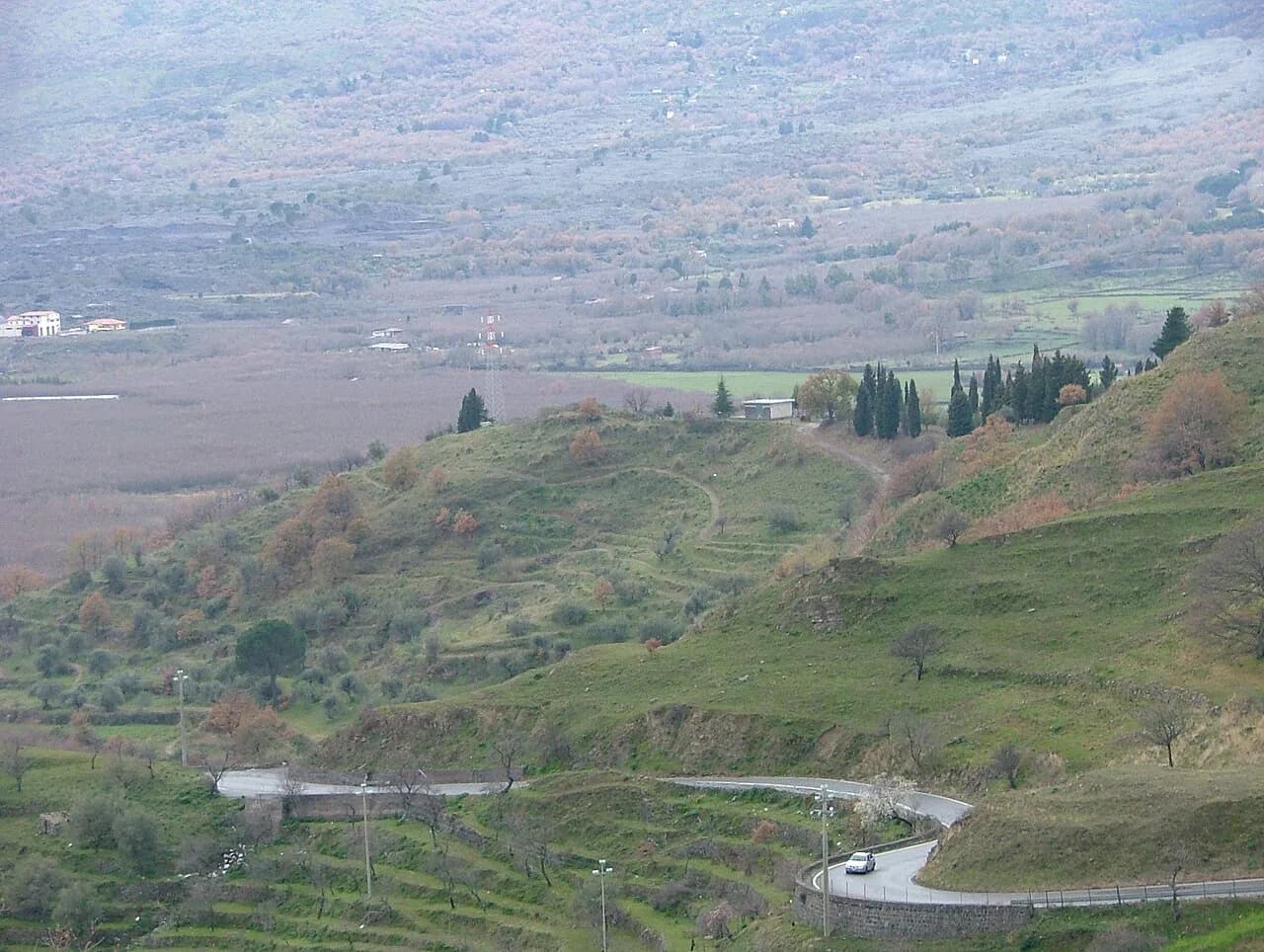
The northern villages — Passopisciaro first among them — are the core of this zone, and the approach roads climb through terraced vineyards and dark volcanic stone. For a list of estates that receive visitors across the region, see our guide to Taormina wineries, which helps you cluster the north slope with other stops.
The Wines to Know Before You Go: Nerello Mascalese and Etna Rosso
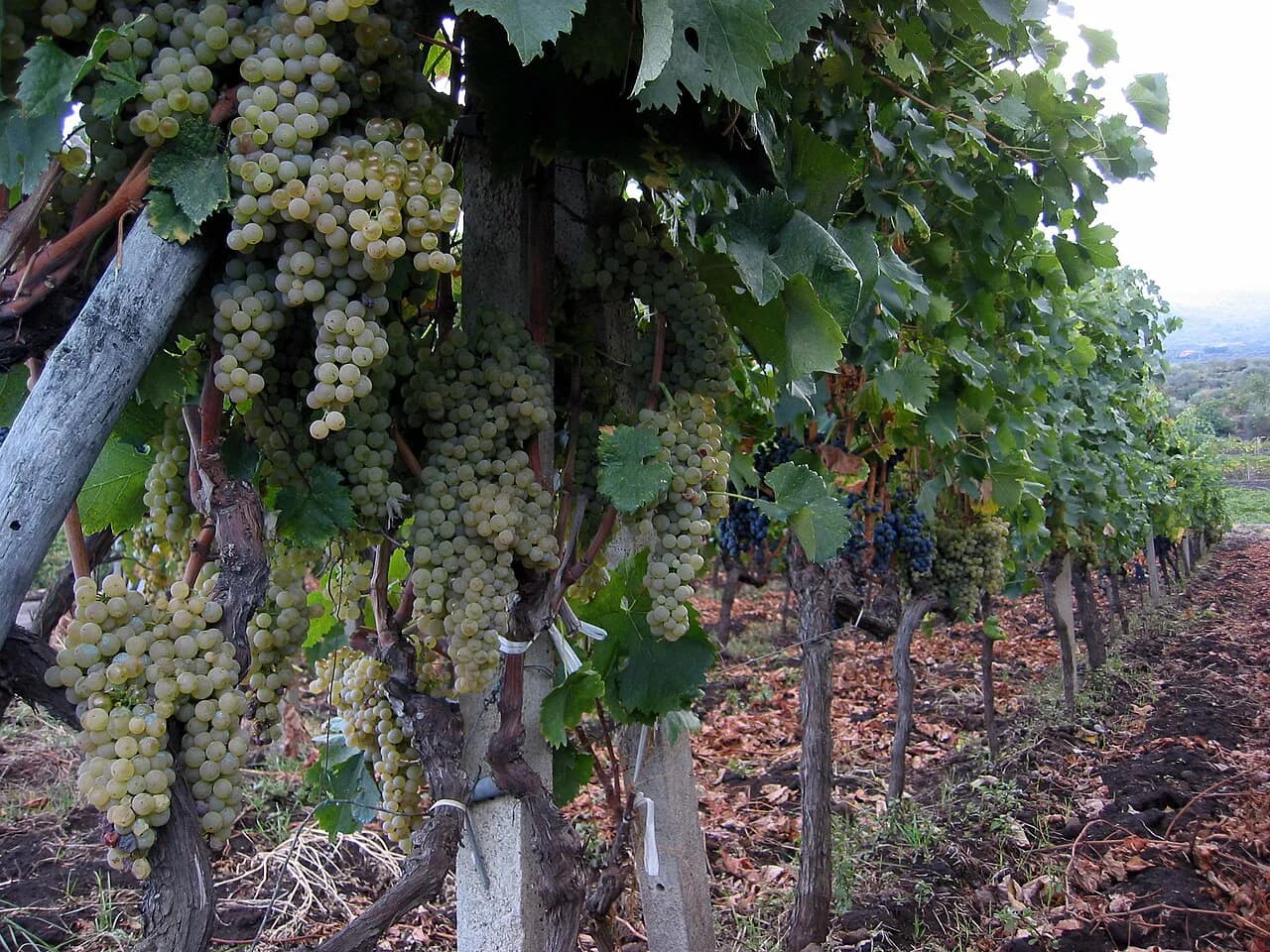
The red grape of Etna is Nerello Mascalese, the variety behind Etna Rosso and the vine in Graci's old parcels. It makes pale, firm, savory reds rather than blockbusters, and the mountain's high sites give them a distinct mineral, herbal register that is easier to recognize once you have seen the black lava soil it grows in. White Etna is mostly Carricante, a variety grown more extensively on the eastern side.
Graci's farming and cellar work are described as traditional and organic, with minimal intervention, fermentation in concrete and aging in neutral barrels — a style choice that keeps the vineyard, not the wood, in front.
The practical upshot for a tasting: expect the conversation to be about parcel, altitude and vintage rather than about oak. If you want a baseline before you arrive, taste one Etna Rosso from the north slope and one from the east side of the mountain, and the contrada idea will make immediate sense.
Getting There from Taormina Without Driving
This is the crux of a Taormina-based day. Taormina sits above the coast on Etna's eastern flank, while Passopisciaro lies on the northern slope, so the two are not neighbors in driving terms even though both belong to the same mountain. Public transport on the north side is thin and oriented toward local commuting rather than wine visits, so build the day around a booked transfer, a taxi arranged in advance, or a guided tour rather than around a bus timetable. If you would rather stay closer to the city, wine tasting in Catania puts the mountain's eastern cellars within easier reach.
Tours solve the distance problem in one move: they handle the mountain roads, link two or three estates, and remove the question of who drives. The trade-off is fixed timing and the estates the operator chooses. Our guide to Taormina wine tours lays out how those days are usually structured, and it is the simplest option for a couple or small group without a car.
If you prefer to go independently but not drive, price a private driver for the round trip ahead of any tasting, and ask the estate whether it can recommend a local driver who knows the access road. Whoever is behind the wheel should not taste; spittoons are standard in Etna cellars, and a designated driver, a tour or public transport is the sane arrangement.
Independent Visit vs. Guided Tour: The Real Trade-Off
Going independently gives you time — a long lunch in Passopisciaro, a second estate nearby, a walk between vineyards — and lets you pick producers whose parcels interest you. It also puts the logistics on you: mountain roads, a car or hired driver, and appointments that have to line up. With a car and a non-tasting driver, this is the best version of an Etna day.
A tour is cheaper in mental load and better for anyone reluctant to drive unfamiliar mountain roads, but it constrains you to the tour company's schedule and roster. A reasonable middle path is one anchor appointment at Graci plus a flexible second stop, whether you self-drive or book a driver. For other estates worth pairing, including Tenuta delle Terre Nere, see the Taormina wineries list. Check current prices and opening dates before fixing your day.
What to Ask When You Book
Etna's better estates run on appointments, and Graci is a working winery in a small village rather than a walk-in tasting room, so contact the estate directly through its own site or phone before you plan the day around it. When you write or call, ask four things: what the visit includes and how many wines are poured, how long it lasts, whether there is a food pairing, and how many people the minimum or maximum party is.
Also ask about access — whether the tasting is at the winery in Passopisciaro or involves a vineyard drive — because that determines what vehicle can reach it and how much time to allow. Finally, confirm the day and season you plan to travel before booking transport; the estate's own calendar is the only reliable source for closures and harvest-period availability.
Grouping Your Day: Other Etna Villages and Estates
Passopisciaro is the natural first stop on the north slope, and the villages around it — Solicchiata, where Graci's high Barbabechi parcel lies, among them — sit within a short drive on the same mountain roads. Group two estates in the north rather than trying to cross the mountain to the east side in the same day.
If your trip also takes in the eastern flank, Cottanera near Castiglione di Sicilia is a substantial estate on that side of the mountain and pairs well with a separate day.
For a broader view of how the region divides between east and north and what each side offers, our overview of Mount Etna wine country is a useful planning companion.
Timing: Harvest Season and the Shape of a Wine Day
Etna's altitude pushes harvest late: the mountain's high parcels, including Graci's 1,000-meter Barbabechi site, ripen slowly and are typically picked well after the Sicilian plains. Around harvest the estate is at its busiest and its staff least available for long visits, so treat the harvest period as one to plan around rather than assume.
A realistic day from Taormina has a morning departure, one substantial visit in the north, lunch in a village, and a second shorter stop before the drive back — which is why transport arrangements matter more than any single booking. Don't over-schedule; the mountain roads are slow, and the point of the day is the vineyards.
Plan Your Visit
Graci rewards the traveler who treats the day as a mountain trip: confirm what the visit includes, lock in transport from Taormina before anything else, and pick your second stop based on which parcels interest you. The contrada system, not the winery list, is the real key to choosing well on Etna.
If you would rather hand the logistics to someone else, compare your options for visiting Etna's wineries from Taormina and build the day around a single anchor appointment.
Frequently Asked Questions
Where is Graci winery located?
Graci is in Passopisciaro, a small commune at the foot of Mount Etna in Sicily, and its highest vineyard, Barbabechi Solicchiata, sits at about 1,000 meters on the mountain's north slope.
Can you visit Graci from Taormina without a car?
Yes, but not casually. Taormina is on the coast east of the mountain and Passopisciaro is on the north slope, so public transport is thin. Book a guided tour, a private driver, or a transfer in advance, and keep the driver sober.
Do you need an appointment to taste at Etna wineries?
The better estates generally work by appointment rather than walk-in, and Graci is a working winery in a small village. Contact the estate directly before you plan the day around it, and confirm what the visit includes.
What grapes does Graci grow on Mount Etna?
Nerello Mascalese, the red grape behind Etna Rosso, including pre-phylloxera vines of roughly a century old at the high Barbabechi parcel. Whites on Etna are mostly made from Carricante.
What is a contrada on Mount Etna?
A contrada is a named parcel of vineyard, the region's address system. Estates bottle single contradas separately because altitude and lava flow differ from one to the next, which is why two neighboring wineries can make very different wines.
When is harvest on Mount Etna?
Late by Sicilian standards. High parcels like Graci's 1,000-meter site ripen slowly and are usually picked after the plains, often in the September to October window. Confirm timing and availability with the estate before booking.
Sources
Notes for your next wine trip
Optional updates to our winery and wine-town guides.
You might also like
Continue reading
More guides you'll find useful