Pignoletto Wine: Tasting the Colli Bolognesi from Bologna
Pignoletto is Bologna's own sparkling white. Learn the DOCG styles, where the Colli Bolognesi vineyards sit, and how to taste them from Bologna.
On this page
Bologna's signature white is not a famous name abroad, which is exactly why the hills behind the city reward a day out. Pignoletto grows on the Colli Bolognesi, the ridge of villages south and southwest of town, and much of it reaches the glass as a lightly sparkling frizzante served as an aperitivo. This guide separates the styles, maps the district into a workable route, and sets out how to reach the vineyards without getting behind the wheel after tasting.
What Pignoletto is and where it grows
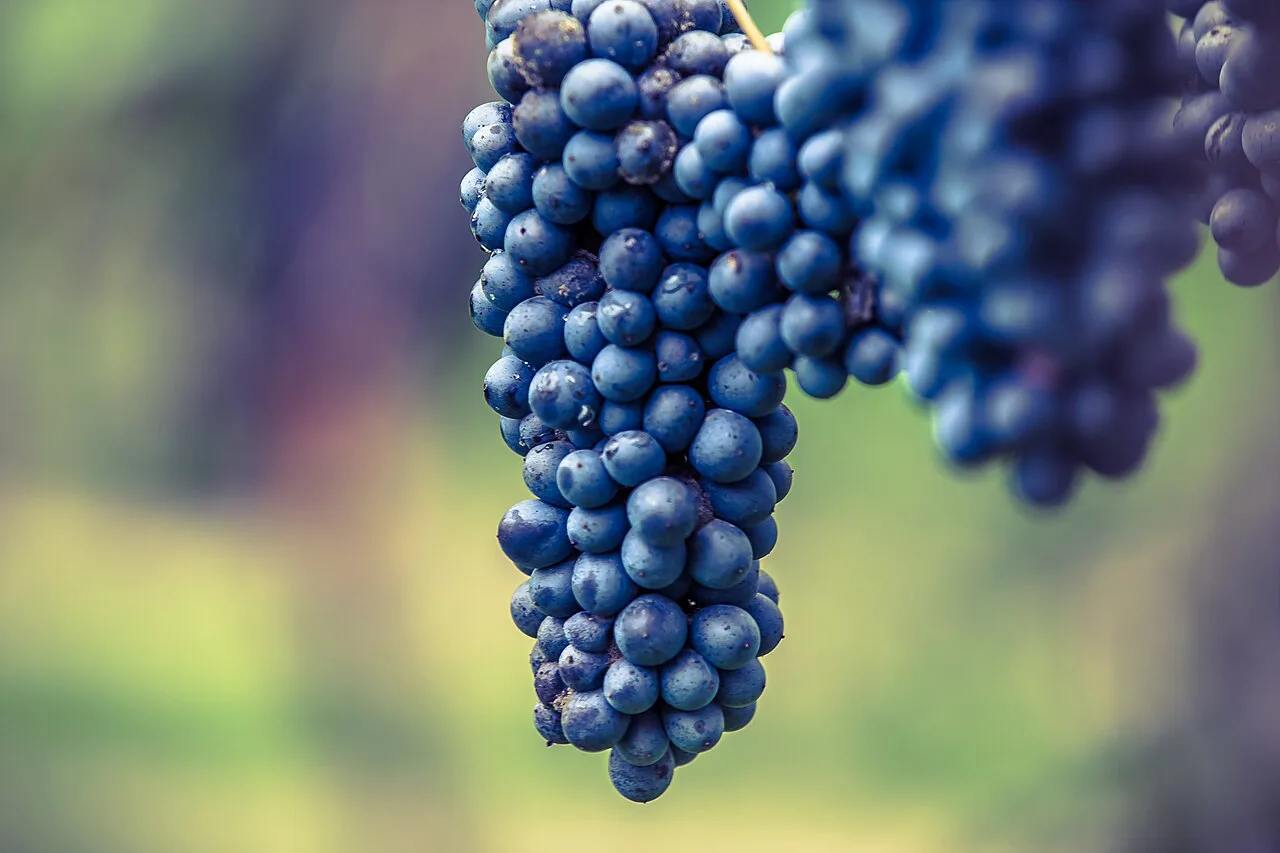
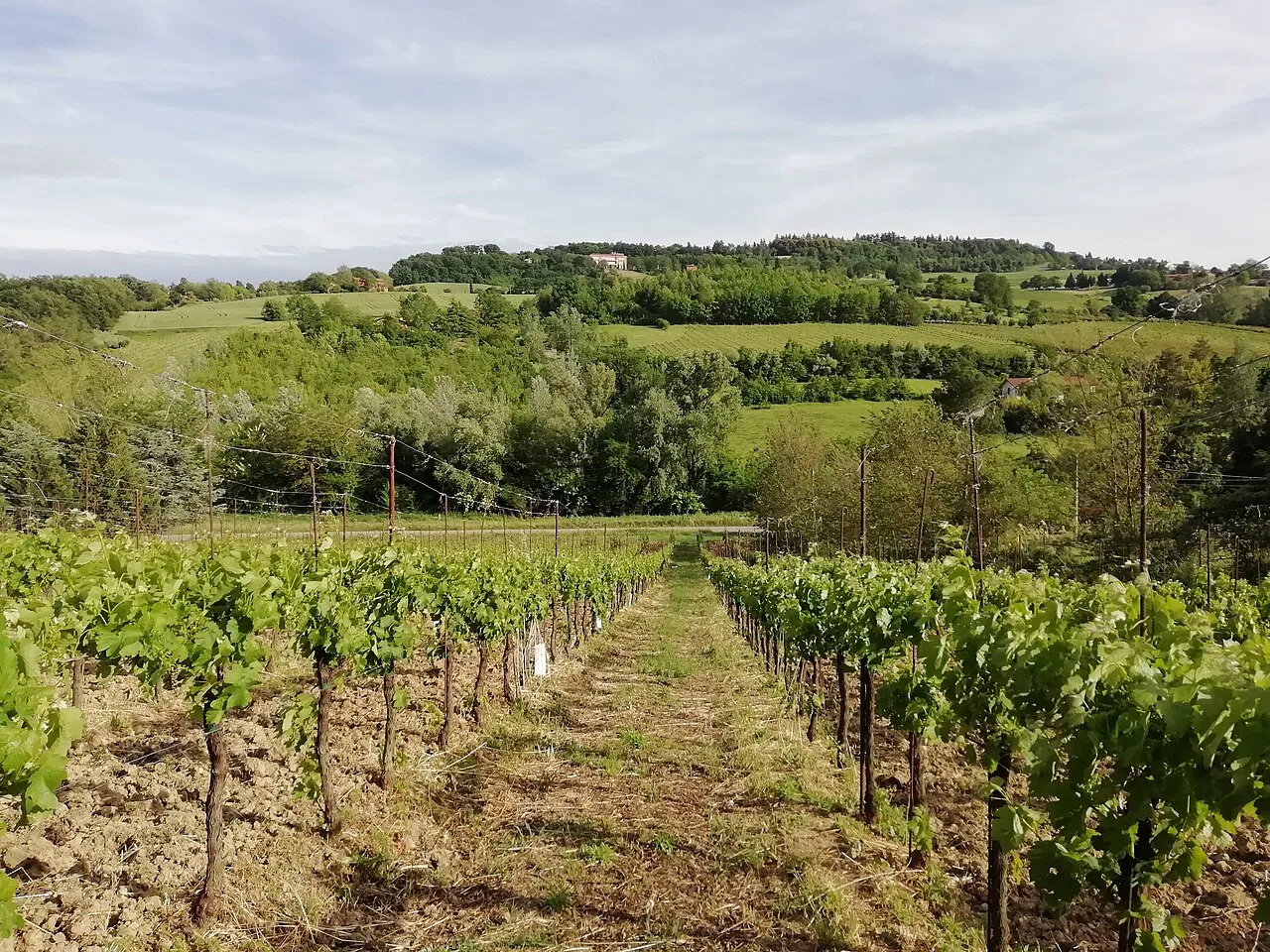
Pignoletto is a white grape grown above all in the hills south of Bologna, in Emilia-Romagna, and it gives wines that are light in body with brisk acidity and a gentle sparkle. The vineyards sit on the Colli Bolognesi, a compact district of slopes and small villages that starts just beyond the city edge. Because the zone is small, a single morning or afternoon can cover two or three stops without long drives between them.
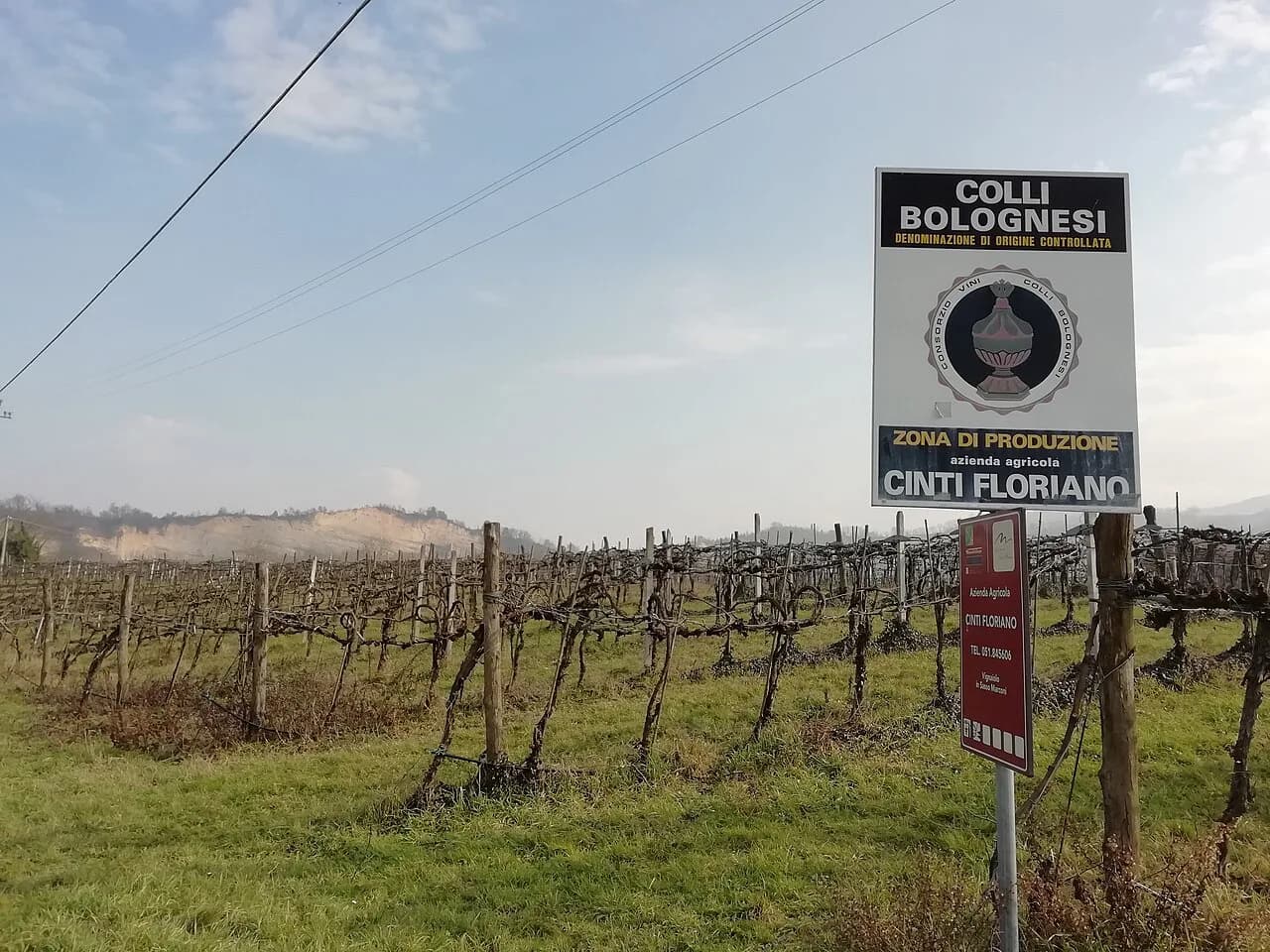
The wine is labeled under two tiers. Colli Bolognesi DOC covers the broader range, while Colli Bolognesi Pignoletto DOCG is the higher designation reserved for the grape in its classic styles. When you read a label, look for the DOCG line if you want the archetypal Bologna sparkler, and treat the DOC as the wider family that includes other grapes and blends.
The three styles to know: frizzante, spumante and superiore
Most Pignoletto is made sparkling, and within that there are two levels of pressure. Frizzante carries a soft, gentle bubble and lower pressure, which makes it the classic quaffing style at the aperitivo hour. Spumante, usually made by the charmat method in pressurized tanks, holds a firmer, more persistent sparkle and suits a seated meal or a celebration.
There are also still and superiore versions. The superiore label points to a wine with more structure and usually a little more alcohol, and you will sometimes see a classico or superiore designation on a bottle that bears the DOCG name. As a rule, order frizzante when you want something refreshing before dinner and spumante or superiore when the wine needs to stand up to a plate of tortellini or a rich ragù.
Trade coverage from 2018 noted that sparkling wines account for the overwhelming majority of Pignoletto output, with most of that in the DOCG tier. That figure dates from that article rather than today, so treat it as a snapshot of the style's dominance rather than a current production count.
Pignoletto compared with Prosecco
The Prosecco comparison is useful for orientation but misleading if taken literally. Prosecco comes from the Veneto and Friuli, made mainly from the Glera grape, while Pignoletto is a different grape grown around Bologna in Emilia-Romagna. The two share a light, sparkling, aperitivo role, but the wines are not the same thing and do not taste alike.
The comparison helps you choose because it signals a similar price tier and a similar occasion. If you enjoy Prosecco as a before-dinner glass, Pignoletto will feel familiar in weight but different in character, with its own acidity and its own regional identity. Ordering a glass of each side by side in a Bologna wine bar is the quickest way to understand the distinction. For a different region's take on the same sparkling-aperitivo decision, the Verona wine guide covers Valpolicella and Amarone.
How the Colli Bolognesi district is laid out
The Colli Bolognesi run south and southwest of Bologna, following the first ridges of the Apennines. The villages cluster along a handful of hill roads, so the practical approach is to pick one sector and stay in it rather than trying to cross the whole district in a single day. A half-day route that combines two nearby villages, with a stop for lunch or a walk between them, is more rewarding than a rushed circuit.
Group your stops by the road that links them, and plan the largest climb at the start of the day when you are freshest. If you are researching producers before you go, start with the Colli Bolognesi consortium's producer listings and the wineries page for Bologna, which set out which estates exist and which accept visitors. That saves you from turning up at a closed gate on a hill road with no alternative nearby.
Getting to the hills from Bologna without a car
Bologna has buses that climb into the hills, but routes and timetables change, so confirm the current service with the local transport operator before you set out. The hill villages are also reachable by taxi or ride-hail from the city center, though the return leg from a rural winery can be harder to arrange than the outward trip; book your return in advance or agree a pickup time with the driver.
Cycling is a genuine option for confident riders, since the hills begin within a few kilometers of the city, but the climbs are real and the roads are shared with traffic. For most travelers, a driver-led half day or a guided wine tours option removes the logistics entirely and lets everyone in the group taste. Weigh the cost of a private driver against the inconvenience of a limited bus schedule and the risk of a long wait on a hill road.
If your priority is simply to taste Pignoletto without leaving town, the city's enoteche pour Colli Bolognesi wines alongside regional food, and a wine tasting in bologna can be arranged in the center. For those staying overnight in the hills, an agriturismo near Bologna makes the return trip unnecessary and puts you in the vineyards at dawn.
Booking a winery visit: appointments and what to ask
Visits in the Colli Bolognesi are generally by appointment rather than walk-in, because most estates are small and the person who pours your wine is often the person who made it. Write ahead by email or phone, name your preferred day and time, and state how many people are in your party. Small producers often have a minimum group size for a tour, and some can accommodate a couple only at certain hours.
Ask three questions when you book. First, what the visit includes: a cellar tour, a set number of wines, a food pairing, and roughly how long it lasts. Second, whether there is a tasting fee and whether it is deducted from a purchase. Third, which days and seasons the estate is open, since many close during harvest or over the winter holidays. Getting those answers in writing makes the day predictable.
Do not assume that a producer whose bottles you have seen in a shop receives visitors. The evidence for named estates is limited to their wines; for example, Tre Monti is confirmed as a Pignoletto producer and its Doppio Bianco frizzante appears in online retail listings, but that does not establish a cellar door. Treat any visit as something to confirm directly with the estate before you plan around it.
Tasting in Bologna city itself
Bologna's wine bars and enoteche are the low-effort way to work through the styles. Order a frizzante first, then a spumante or superiore, and compare them with a plate of local salumi or a bowl of tortellini in brodo. Many bars pour by the glass, which lets you taste several Pignolettos without committing to a bottle.
City tasting also lets you shop with context. Once you know whether you prefer the soft frizzante or the firmer spumante, you can buy a bottle to take home with a clearer idea of what you are getting. Ask the person behind the bar which Colli Bolognesi producers they stock, and note the names for a future visit to the hills.
When to go: harvest and the seasonal rhythm
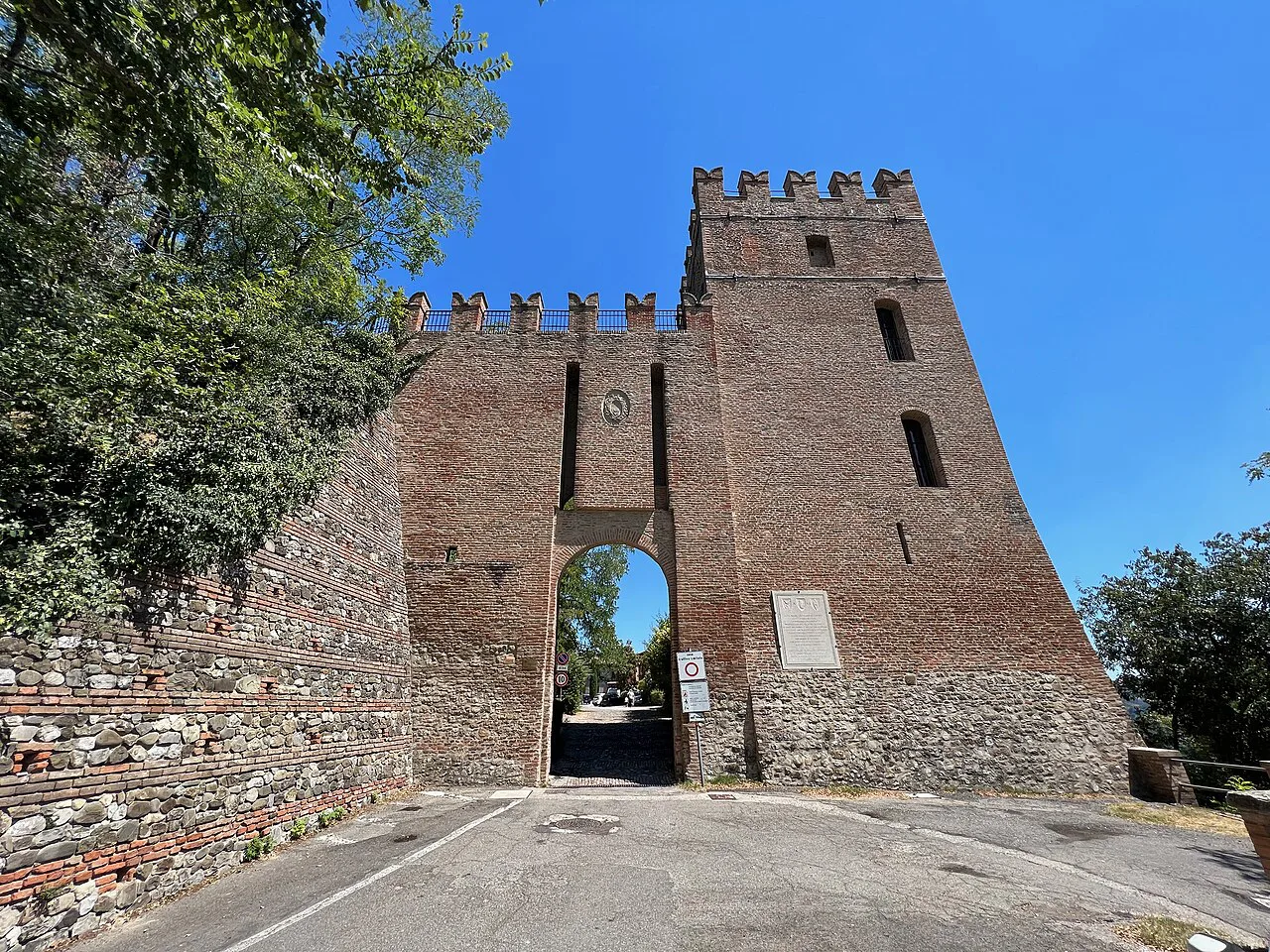
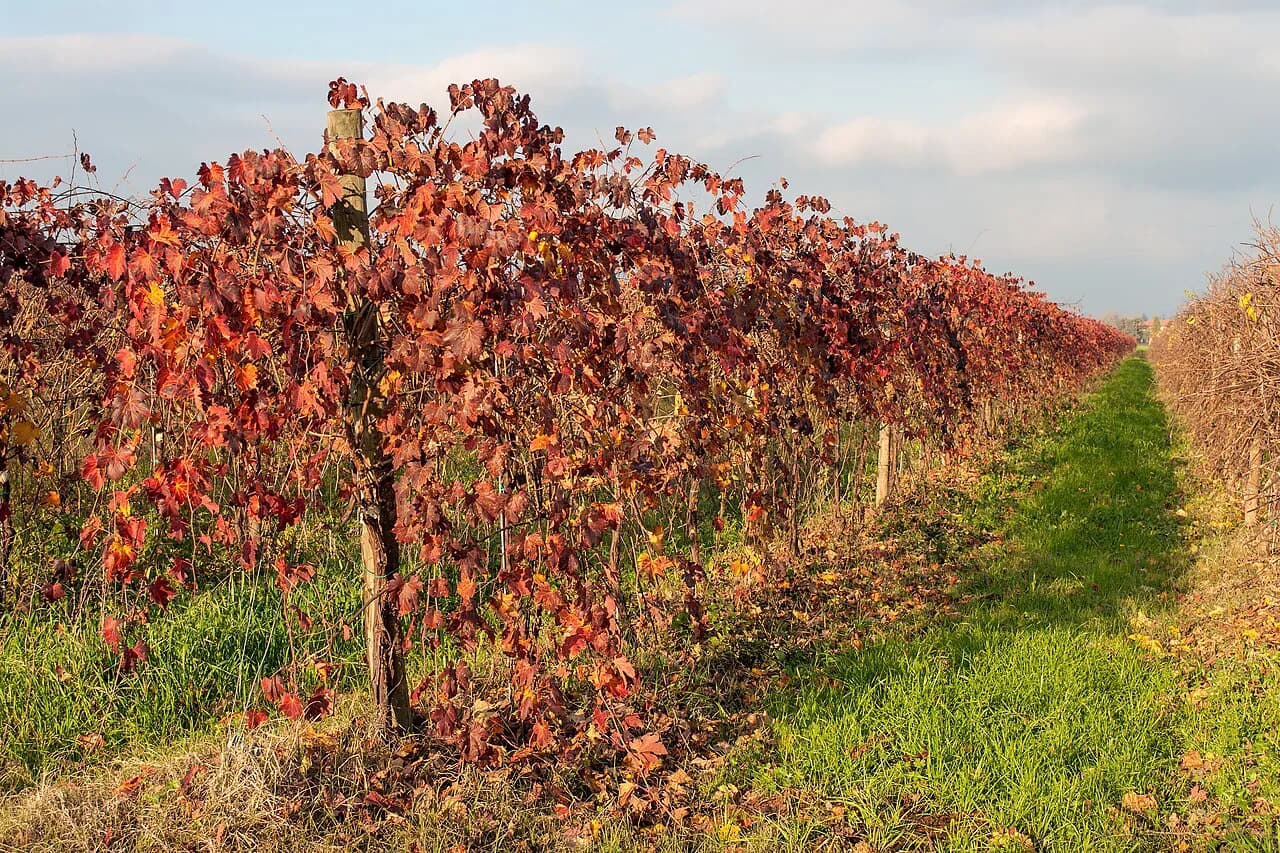
Late summer into early autumn is the liveliest time in the Colli Bolognesi, when the Pignoletto grapes come in and the hill roads fill with harvest traffic. That is also when small estates are least able to host visitors, so book well ahead if you want a visit in September. Spring is quieter and greener, and the weather suits walking between villages.
Off-season, many small producers close their doors and the hill restaurants keep shorter hours, so the city becomes the better base for tasting. Winter is a good time to sit in a Bologna enoteca and work through the superiore styles, which suit cold-weather food. Whenever you travel, confirm the estate's opening days before you build a route around it.
Buying Pignoletto to take home
Pignoletto comes in standard 75cl bottles and in smaller formats, which are useful if you want to try a producer without committing to a full bottle. Look for the Colli Bolognesi Pignoletto DOCG line on the label for the classic sparkling expression, and check whether the bottle says frizzante or spumante, since that tells you how sparkling it will be.
Online retail listings give a rough sense of the price tier. One retailer lists a Tenuta Santa Croce Pignoletto Frizzante DOCG 75cl at about $10.25, and another lists a Tre Monti Doppio Bianco Pignoletto Frizzante in the mid-$30s. Both are US-dollar retail prices for shipped bottles, not winery tasting fees, and they will differ from what you pay in a Bologna shop or at the cellar door.
Note that Tenuta Santa Croce is profiled as an Umbria estate near Orvieto even though its Pignoletto bottling is listed under Emilia-Romagna, so do not read that bottle as evidence of a Bologna-area winery. When you buy, check the back label for the production zone. If you want to taste before buying, a Bologna enoteca is the safer place to start.
Plan Your Pignoletto Day
Build your day around one sector of the Colli Bolognesi rather than the whole district, and decide early whether you will take a bus, book a driver, or stay in the city and taste at the bar. If you want to visit a producer, send an email well ahead with your dates, party size and the styles you want to try, and ask what the visit includes. Anyone driving should skip the tasting and use a spittoon, a designated driver, or public transport so the rest of the group can enjoy the wine.
Frequently Asked Questions
What kind of wine is Pignoletto?
Pignoletto is a white grape grown mainly in the Colli Bolognesi hills south of Bologna, in Emilia-Romagna. It is usually made as a lightly sparkling frizzante, though spumante and still or superiore versions also exist. The wines are light in body with brisk acidity and a gentle sparkle, which makes them a natural aperitivo.
Is Pignoletto the same as Prosecco?
No. Prosecco is made mainly from the Glera grape in the Veneto and Friuli, while Pignoletto is a different grape grown around Bologna in Emilia-Romagna. They share a light, sparkling role before dinner, but the wines come from different regions and different grapes, so they do not taste the same.
Is Pignoletto sweet or dry?
Most Pignoletto is made in a dry or off-dry style, with the frizzante versions leaning fresh and brisk. Sweetness varies by producer and by style, so check the label or ask at the bar if you prefer a drier wine. Tasting a glass before buying a bottle is the simplest way to find your preference.
Where is Pignoletto grown?
It is grown above all on the Colli Bolognesi, the hills south and southwest of Bologna in Emilia-Romagna. The zone is compact, which makes it practical to visit two or three villages in a half day. Some Pignoletto is also bottled outside the immediate Bologna area, so check the back label for the production zone.
How do you serve Pignoletto?
Serve it well chilled, in a white wine glass that lets the aromas open up. Frizzante works as an aperitivo on its own, while spumante and superiore suit a seated meal with tortellini, ragù or local salumi. Keep the bottle cold and drink it young rather than cellaring it.
Can you visit Pignoletto wineries near Bologna?
Visits are generally by appointment rather than walk-in, since most estates in the Colli Bolognesi are small. Check the Colli Bolognesi consortium's producer listings and the wineries page for Bologna to see which estates exist and which accept visitors, then write ahead with your dates and party size. Confirm the visit directly with the estate before you build a route around it.
How do you get to the Colli Bolognesi without a car?
Bologna has buses into the hills, but routes and timetables change, so confirm the current service with the local transport operator. Taxis and ride-hail can take you up, though the return trip from a rural winery is harder to arrange, so book it in advance. A driver-led half day or a guided tour removes the logistics and lets everyone taste.
Sources
Notes for your next wine trip
Optional updates to our winery and wine-town guides.
You might also like

Continue reading
More guides you'll find useful