Maison Champy in Beaune: Cellar Tours, Tastings and Booking
Maison Champy has made Burgundy wine in Beaune since 1720. Here is what a cellar tour and tasting involve, how to book and how to fit it into a wine day.
On this page
Beaune packs dozens of cave doors into a walled old town you can cross in minutes, and Maison Champy is one of the houses that rewards booking rather than strolling past. A guided tour takes you into fifteenth-century vaults and past original winemaking equipment before a seated tasting of Burgundy wines. This guide covers what the visit includes, the two tasting formats and their published prices, and how to sequence Champy with other cellars.
Everything here sits within the ramparts, so the practical work is choosing which houses to book and in what order. Champy is a three-minute walk from Place Carnot, which makes it easy to slot between a morning at the Hôtel-Dieu and an afternoon cellar. For the wider picture of the town's cellars, start with our guide to wine tasting in Beaune.
Why Maison Champy Belongs on a Beaune Itinerary
Champy's claim to your time is age plus continuity: the house was established in Beaune in 1720, and Champy is described as the oldest wine house in Burgundy. That history is not just a label on a bottle, because the cellars themselves survive and are part of the visit. If you want one Beaune stop that explains how Burgundy négociant houses worked, this is a strong candidate.
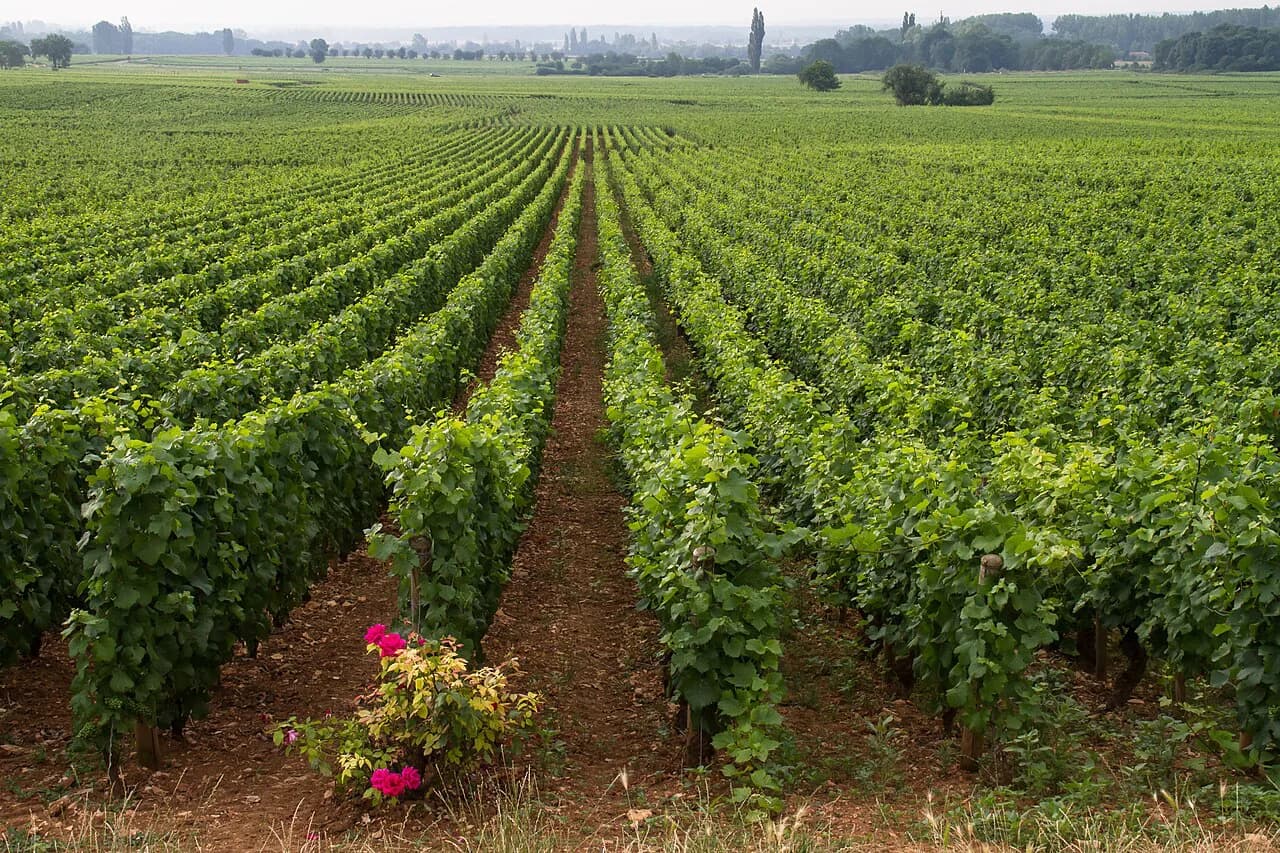
The house also owns vineyards of its own, roughly 25 hectares acquired since 1990, on top of a production record that runs back three centuries. That mix of grower and merchant matters when you read a Burgundy label, since the same house may bottle both domaine fruit and bought-in grapes. Ask on the tour which wines come from Champy's own holdings and which are négoce.
Where Champy Is in Beaune
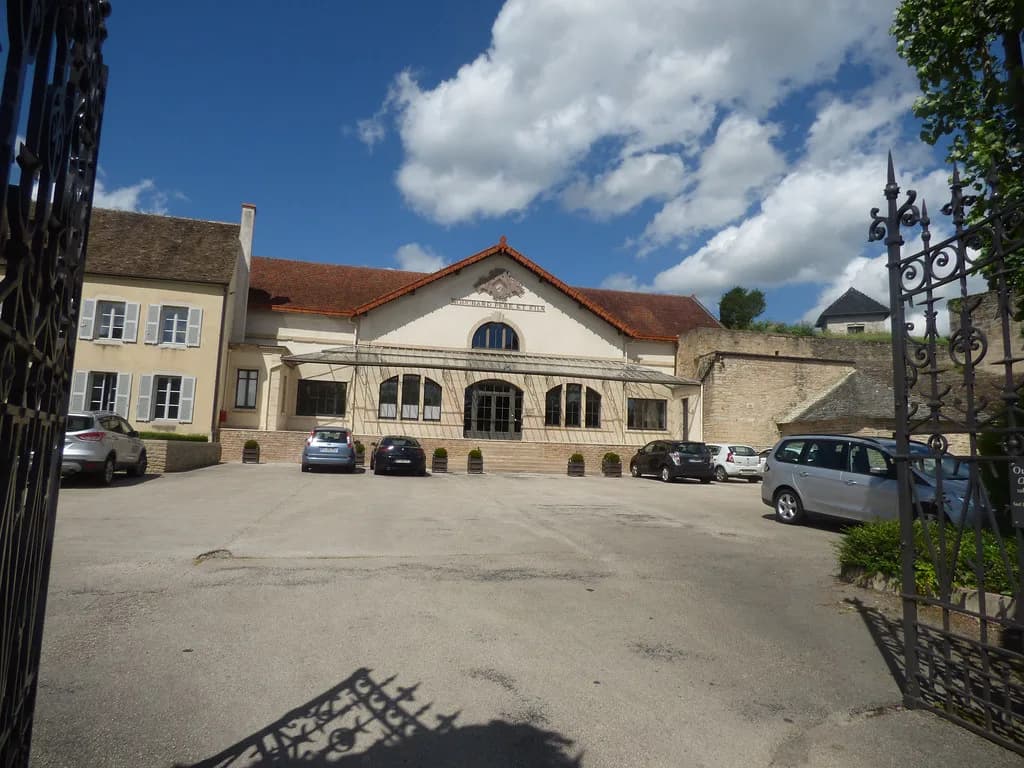
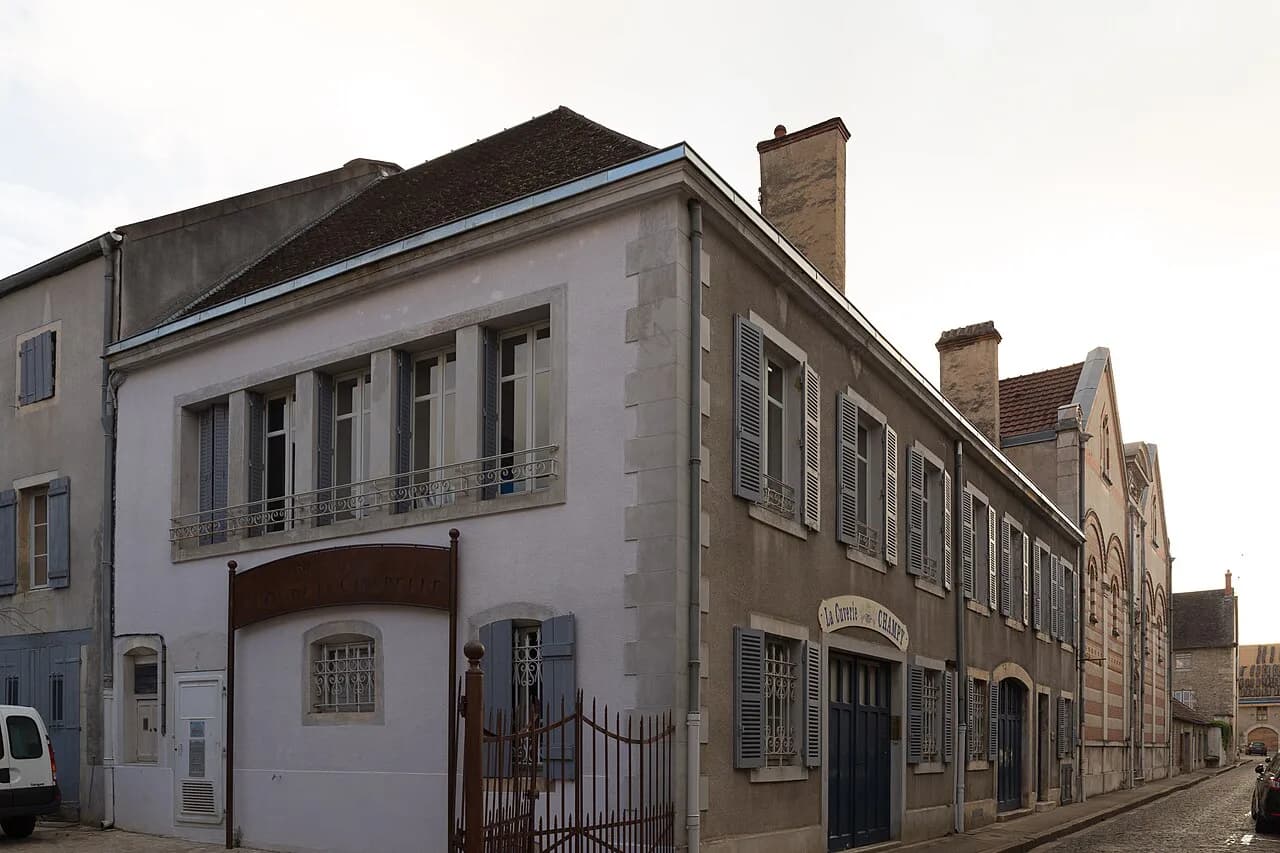
Maison Champy sits at 12 Place de la Halle, in the middle of the old town and about a three-minute walk from Place Carnot, the main square where most visitors start. The Hôtel-Dieu, Beaune's famous medieval hospital with its tiled roof, is effectively next door, so a Champy tour pairs naturally with a hospital visit. Because the old town is barely half a kilometre across, you can reach the door on foot from almost any hotel inside the ramparts.
Place Carnot doubles as the practical anchor for a cellar day: excursions and taxis drop off there, and the surrounding lanes hold a dense cluster of tasting rooms. If you are mapping an on-foot circuit of the old town, Place Carnot to Champy to the Hôtel-Dieu is a sensible spine. Our overview of Beaune wineries shows how the other houses sit around it.
Inside the Fifteenth-Century Cellars
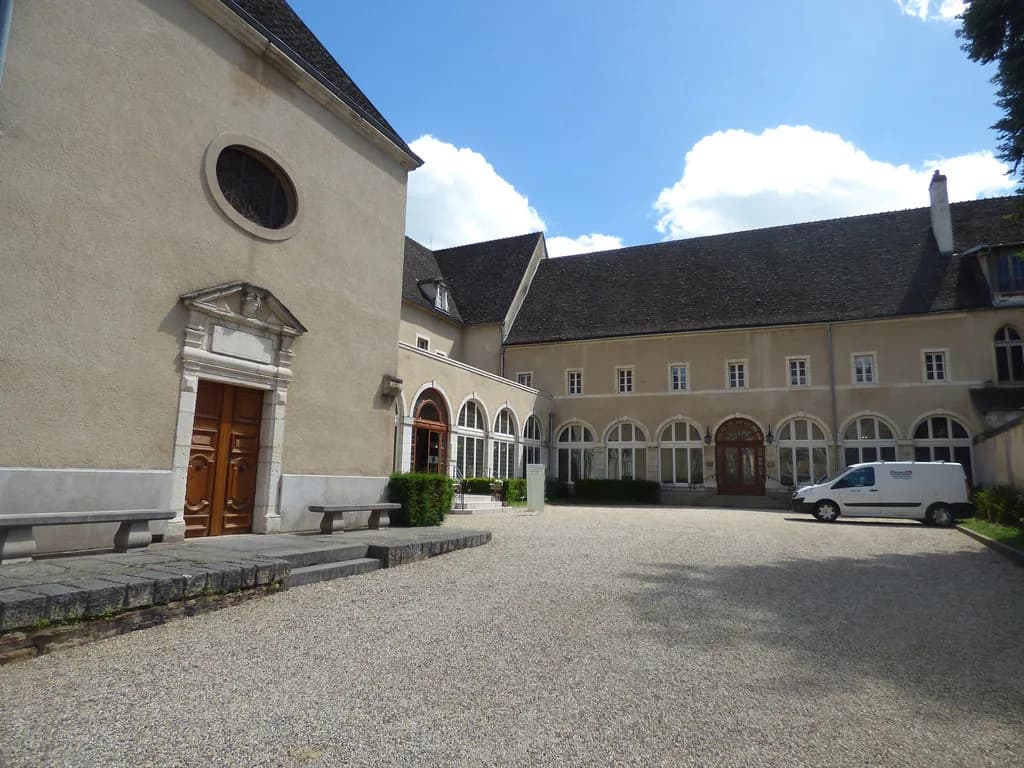
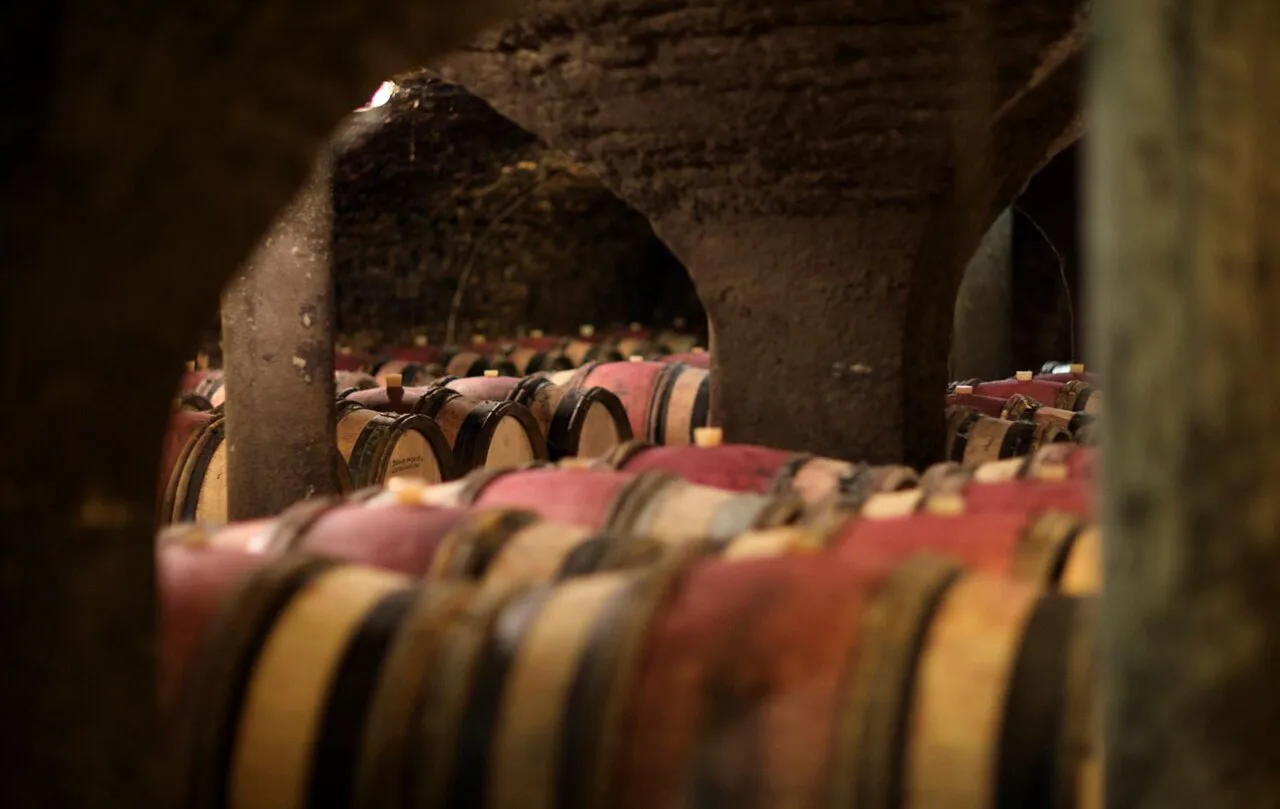
The cellars are the reason to take the guided tour rather than simply taste. Champy's vaults date to the fifteenth century and still contain original winemaking equipment, including the rail tracks once used to move the giant copper fermentation vessels around inside the cellar. That detail is worth listening for: it tells you how physically hard Burgundy winemaking was before pumps and modern tanks.
Treat the tour as a piece of industrial history as much as a wine briefing. The route through the vaults gives context for what follows in the glass, and it is the part of the visit you cannot replicate at a bar or shop. If you only have time for one formal cellar tour in Beaune, a house with intact historic equipment is a better use of an hour than a modern tasting room.
What the Guided Visit and Tasting Include
The standard format is a guided tour of the cellars lasting about an hour and a half, ending with a seated tasting. The tour covers the historic vaults and equipment; the tasting moves through village and Premier Cru level wines, with Grand Cru wines in the higher format. That structure suits travelers who want to understand the classification rather than just drink well.
Champy's own site is the place to see the tasting formats currently offered and the wines poured, since those change with the vintage and the season. Read the offer so you know whether you are signing up for the shorter tour-and-taste or the longer prestige session. Neither is a substitute for a village-by-village tour of the Côte de Beaune, but both give you a working vocabulary for the rest of your trip.
Terroir or Prestige: Choosing Your Tasting
Two formats are published. The terroir tasting runs five wines at village and Premier Cru level and is priced at around €25 per person, while the prestige tasting runs five Premier and Grand Cru wines at around €55 per person. Those are the rates published in a Beaune cellar guide and should be treated as a planning figure rather than a fixed quote, since houses revise prices periodically. The jump in price buys you the top of the hierarchy in the glass, not more wine.
Choose the terroir tasting if this is your first cellar in Burgundy or you are visiting several houses in one day and need to pace yourself. Choose the prestige tasting if you already know village and Premier Cru wines and want the Grand Cru comparison in one sitting. Either way the flight is five wines, so the decision is about level, not volume.
How to Book a Champy Visit
Advance booking is required for the guided visit, either directly with Maison Champy or through the usual tour platforms. Maison Champy publishes its contact route and booking options on its site, so use that as the first port of call. When you reserve, check the format, the number of wines and the meeting point for your chosen session.
Two questions are worth putting in the booking email: whether the tour is in English on your date, and whether the tasting can accommodate a non-drinking companion. Houses differ on both, and neither is something to discover at the door. If you are traveling as a couple in spring or during harvest, book several weeks out rather than the day before.
Fitting Champy Into a Half Day in Beaune
A workable half day is the Hôtel-Dieu in the morning while it is quiet, a Champy tour and tasting around midday, then a short walk to a second cellar or a wine bar for lunch. The Champy tour itself runs about an hour and a half, so allow roughly two hours once you factor in arrival and the walk back to the square. That leaves the afternoon free for the Route des Grands Crus or a second house.
Beaune has close to seventy cellars open to the public, so resist trying to tick off more than two or three formal visits in a day. One guided house plus one casual tasting is a better rhythm than three guided tours back to back. Use a Beaune wine bar later in the day if you want to keep tasting without another appointment.
Reaching Beaune Without a Car
Beaune is straightforward without a car: trains run from Dijon and Lyon to the station on the edge of the old town, and from there the cellars are a walk of a few minutes. If you are extending the trip along the same rail line, wine tasting in Dijon makes an easy companion stop. Once inside the ramparts, everything on this itinerary is on foot, so you never need to move a vehicle between tastings. If a driver is in your group, they should skip the glass and use the spittoons rather than taste and drive.
For vineyard visits outside town, the trade-off is time versus control. A guided day with a driver solves both transport and access, and private guides typically charge several hundred euros per person for a full day including transport, producer visits and a meal — one Burgundy guide quotes €750 per person for exactly that package, minimum two guests. Independent travelers can reach the villages by local transport or taxi but should plan around limited service. Our Beaune wine tours overview compares the guided options.
Burgundy Grapes and Labels in Brief
Red Burgundy is Pinot Noir and white Burgundy is Chardonnay, with a small share of Aligoté for whites, and the label tells you where the grapes grew rather than which grape is inside. The hierarchy runs from regional appellations through village wines to Premier Cru and Grand Cru, with the vineyard name carrying the prestige. That is why a Champy tasting built around village and Premier Cru wines teaches you more than a flight of anonymous reds.
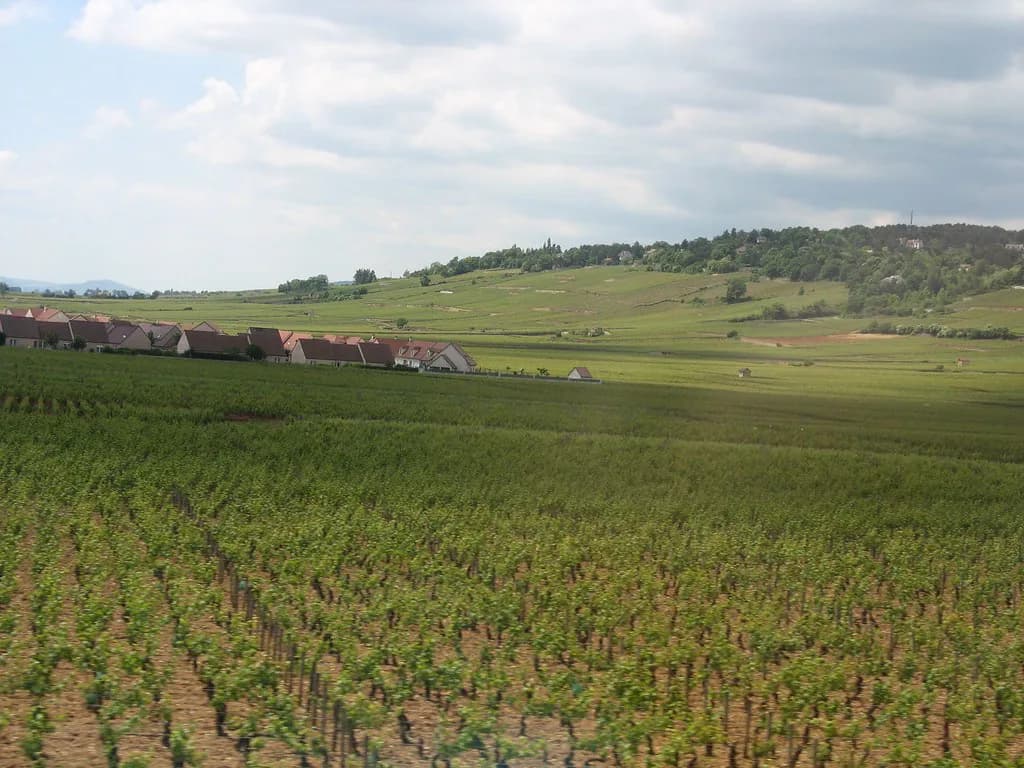
Beaune sits in the Côte de Beaune, the southern half of the Côte d'Or, which is known for both reds and whites, while the Côte de Nuits to the north is overwhelmingly Pinot Noir. Neighboring villages such as Pommard and Volnay give you recognizable names to look for once you have tasted. If you want to add a second Beaune house with a deep cellar history, Albert Bichot occupies a large site on Boulevard Jacques Copeau in town.
Other Cellars to Pair With Champy
Patriarche, on Rue du Collège, is the walk-in option: a self-guided tour with tasting at €25 including VAT, plus free tasting-only slots at set times through the day, capped at ten people and subject to availability. That makes it a low-commitment add-on if you want a second cellar without another booking. It is about a five-minute walk from Place Carnot.
For a second guided house, Maison Joseph Drouhin on Rue d'Enfer runs a standard visit of about €38 with a tasting of six wines and is closed on Sundays, while Bouchard Ainé & Fils on Boulevard Maréchal Foch charges around €40 for a five-wine tour and caps groups at twenty. Smaller shops such as Loïs Dufouleur do not run formal tours but pour by appointment in the boutique. Spacing one guided tour in the morning and one in the afternoon keeps the day manageable.
Independent Visit or Guided Wine Day
Doing Beaune independently is entirely realistic for Champy and the other town cellars: you book direct, walk between doors, and control your own pace. A private guide adds value mainly outside town, where access to small family domaines depends on relationships and appointments that are not open to walk-ins. For a first trip centered on the Beaune old town, self-guided is usually the better value.
If you do hire a guide, ask exactly which producers are included before paying, since a day built on two visits and a shared meal is priced differently from a simple driving service. And build in slack: Burgundy appointments can shift, and a tight schedule punishes you. Our Beaune wine tasting overview sets out the wider options.
A Short Pre-Booking Checklist
Before you reserve Champy, decide which tasting level fits your day, confirm the language of the tour, and check whether your date falls in a busy spring or harvest window. Then build the rest of the day around one more cellar and a meal, not a third formal visit. A driver in the group should stick to spittoons and soft drinks so everyone gets home easily.
Beaune rewards a slow approach: one well-chosen guided house such as Champy, one walk-in tasting, and time in the vineyards or the Hôtel-Dieu. Use our Beaune wineries guide to choose the second house and to keep the walking distances sensible. Everything else follows from a booked slot and a pair of comfortable shoes.
Frequently Asked Questions
Is Maison Champy open for tastings without a reservation?
No. The guided cellar visit and tasting are arranged in advance, either directly with the house or through tour platforms. If you want a walk-in tasting in Beaune, look at Patriarche, which offers free tasting-only slots at set times subject to availability. Reserve Champy before you travel and confirm the language and format of the tour.
How much does a tasting at Maison Champy cost?
The house publishes its tasting formats and rates, and the figures to plan with appear on its own booking pages; a Beaune cellar guide also lists indicative rates for the terroir and prestige flights. Rates are revised periodically, so confirm the current price and the wines included when you book, because the offer changes with the vintage.
How long is the Maison Champy cellar tour?
The guided tour runs about an hour and a half and ends with a seated tasting. Allow roughly two hours in total once you include arrival and the walk back to the square. If you are fitting in the Hôtel-Dieu or a second cellar, put Champy in the middle of the day and keep the rest of the schedule light.
Where is Maison Champy in Beaune?
The house is at 12 Place de la Halle, in the old town, about a three-minute walk from Place Carnot and close to the Hôtel-Dieu. The historic center is compact, so you can walk there from almost any hotel inside the ramparts. Coming by train, the station is a short walk from the center.
Is Maison Champy the oldest winery in Burgundy?
The house was established in Beaune in 1720 and is described as the oldest wine house in Burgundy. It combines vineyard ownership with négociant activity, so some wines come from its own holdings and others from bought-in fruit. Ask on the tour which wines are domaine and which are négoce.
Can you visit Beaune wine cellars without a car?
Yes. Trains from Dijon and Lyon arrive at Beaune station, and the old town's cellars, including Champy, are reachable on foot. For vineyard visits outside town you will need local transport, a taxi or a guided day. Anyone driving should not taste, and should use spittoons or soft drinks instead.
Sources
Notes for your next wine trip
Optional updates to our winery and wine-town guides.
You might also like
Continue reading
More guides you'll find useful