Joseph Drouhin in Beaune: Tour & Tasting Planning
Joseph Drouhin's Beaune house runs daily cellar tours and tastings, and its wines span Burgundy from Chablis to Beaujolais. Here is how to plan the visit.
On this page
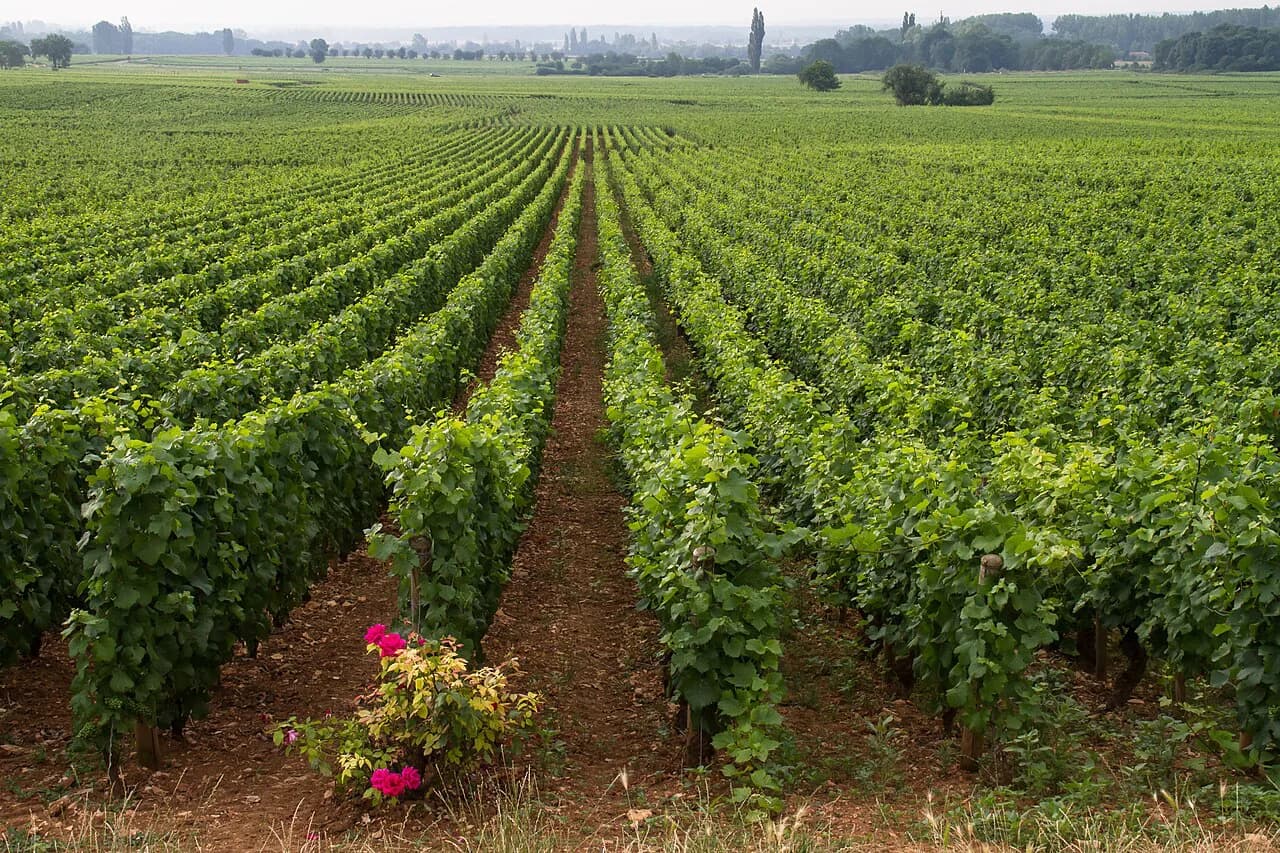
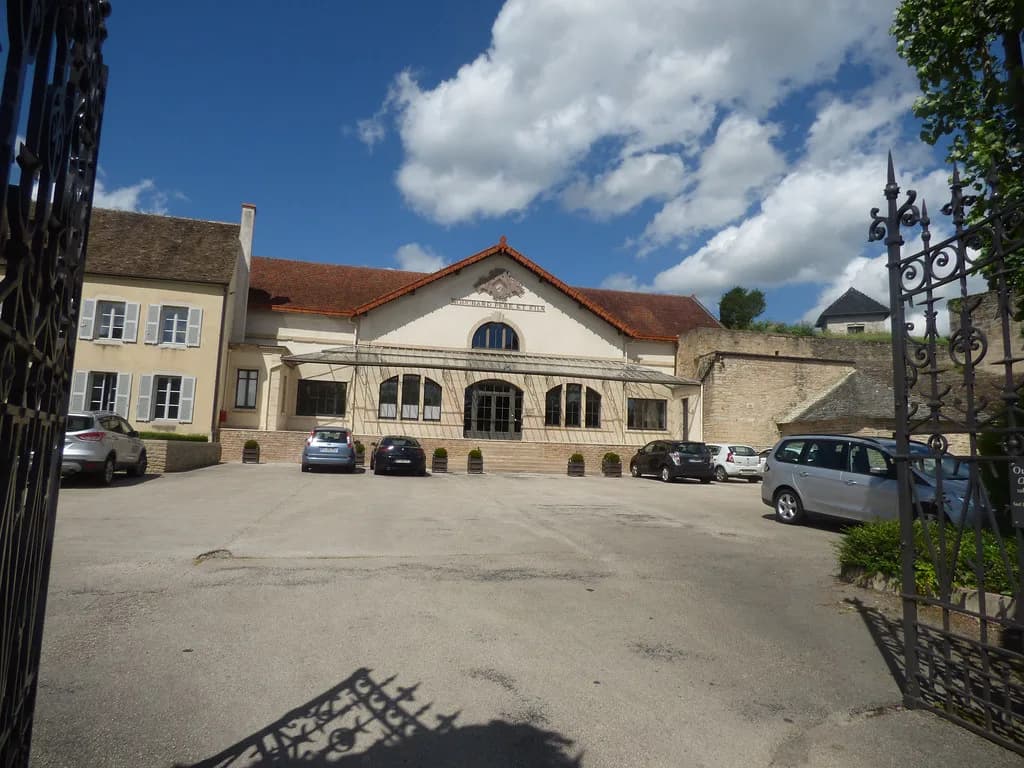
Joseph Drouhin earns a place on a Beaune wine day because it is both a négociant-éleveur with cellars in the old town and a domaine that owns vineyards across Burgundy. That combination shapes what gets poured: wines from the family's own plots alongside a broad range of appellations the house sources and matures. For a visitor on foot in Beaune, it means one stop can cover several corners of Burgundy rather than a single village.
This guide walks through the house's history, the appellation hierarchy that structures its list, and the differences between a cellar tour, a tasting and a vineyard tour. It also separates the Beaune house from the Oregon estates that carry the Drouhin name, which many searchers confuse. For the wider town, see the wine tasting in beaune pillar, which maps the cellars, restaurants and rail links around a single base.
Why Joseph Drouhin Belongs on a Beaune Wine Day
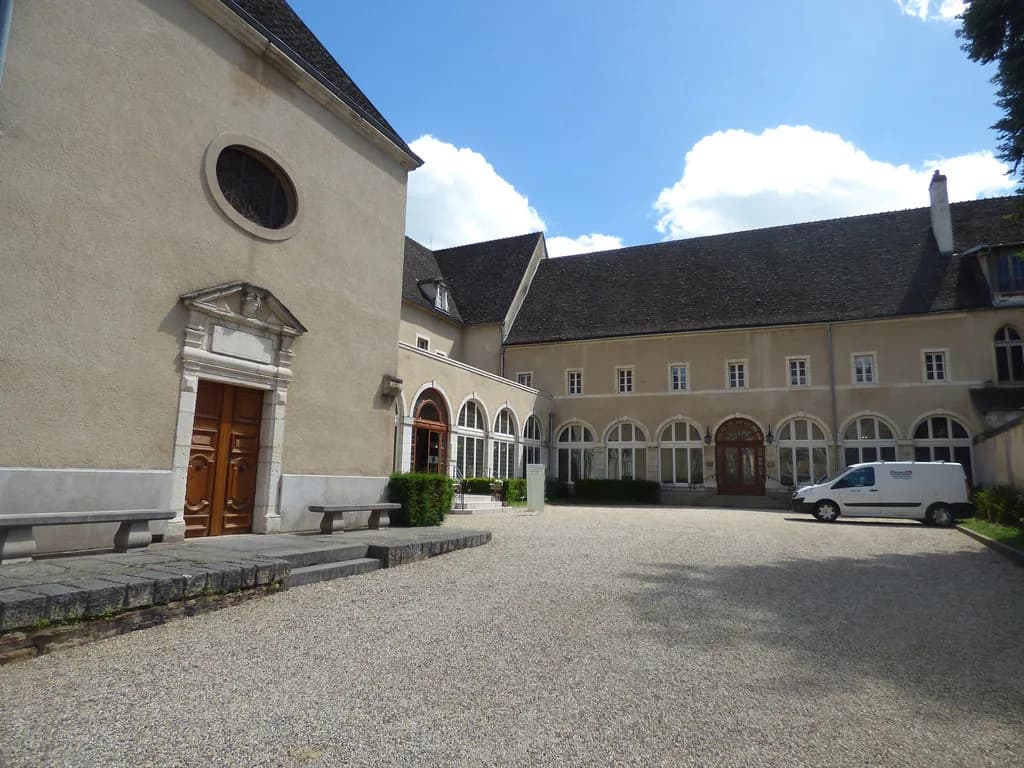
Beaune is compact, and its major négociant houses sit close together, making a Drouhin stop easy to combine with other tasting rooms. The house organizes cellar tours and tastings, alongside vineyard tours and special events, so there is more than one format to choose from. That range matters when you are building a day: a cellar visit can anchor the morning, and a short tasting can fit the afternoon.
The trade-off is between depth and breadth. A cellar tour lets you see the house's underground cellars and understand how a négociant-éleveur works, while a tasting focuses on the glass. If your Beaune day already includes another big house, a shorter Drouhin tasting avoids repeating the same cellar-tour format twice.
The House in Brief: From Chablis to Beaune
Joseph Drouhin moved from Chablis to Beaune in 1880 and began trading wine as a négociant, buying the rights to a winery in the city and naming it Maison Joseph Drouhin. His son Maurice expanded the domaine with notable vineyards, and Robert Drouhin took over in 1957. Robert later founded Primum Familiae Vini, an association of family-owned wineries from several European countries, and the family farmed organically well before certification in 2009.
The house is still family-run, now by Robert and Françoise Drouhin's four children, Philippe, Laurent, Frédéric and Véronique. That continuity explains the dual identity: a firm that matures and sells wines from across Burgundy, and a domaine that owns parcels in the Côte d'Or and Chablis. For a visitor, it means the tasting list can present both house styles and site-specific wines.
Burgundy's Appellation Ladder at a Glance
Drouhin's Burgundy list is organized the way Burgundy itself is: by region, from Chablisien through the Côte de Nuits and Côte de Beaune to the Côte Chalonnaise, Mâconnais and Beaujolais, then by classification from Grand Cru and Premier Cru down to village and regional. It also lists Oregon wines from its American estates. Knowing this hierarchy helps you read a tasting list beforehand, because the classification signals the wine's origin, not simply its price.
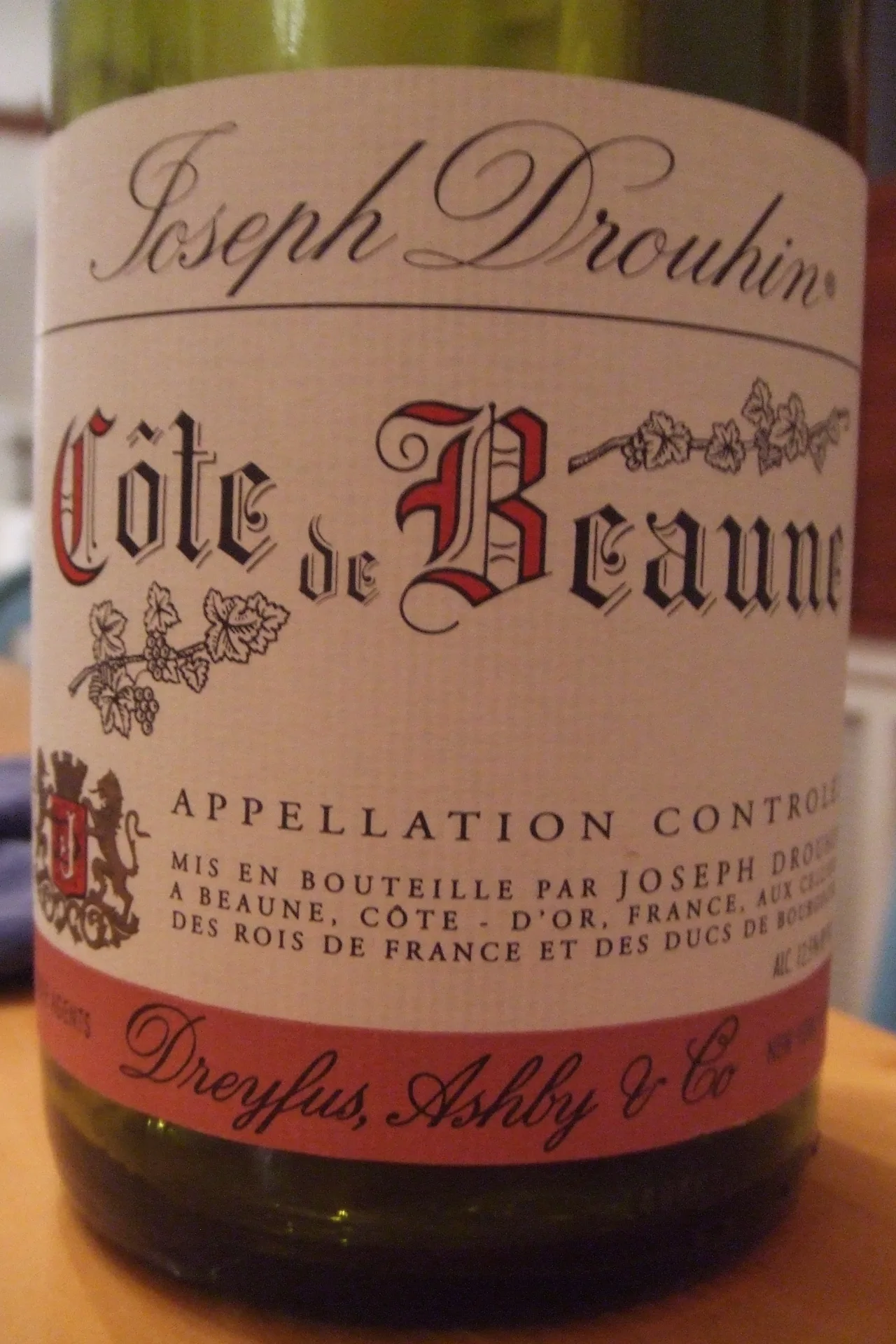
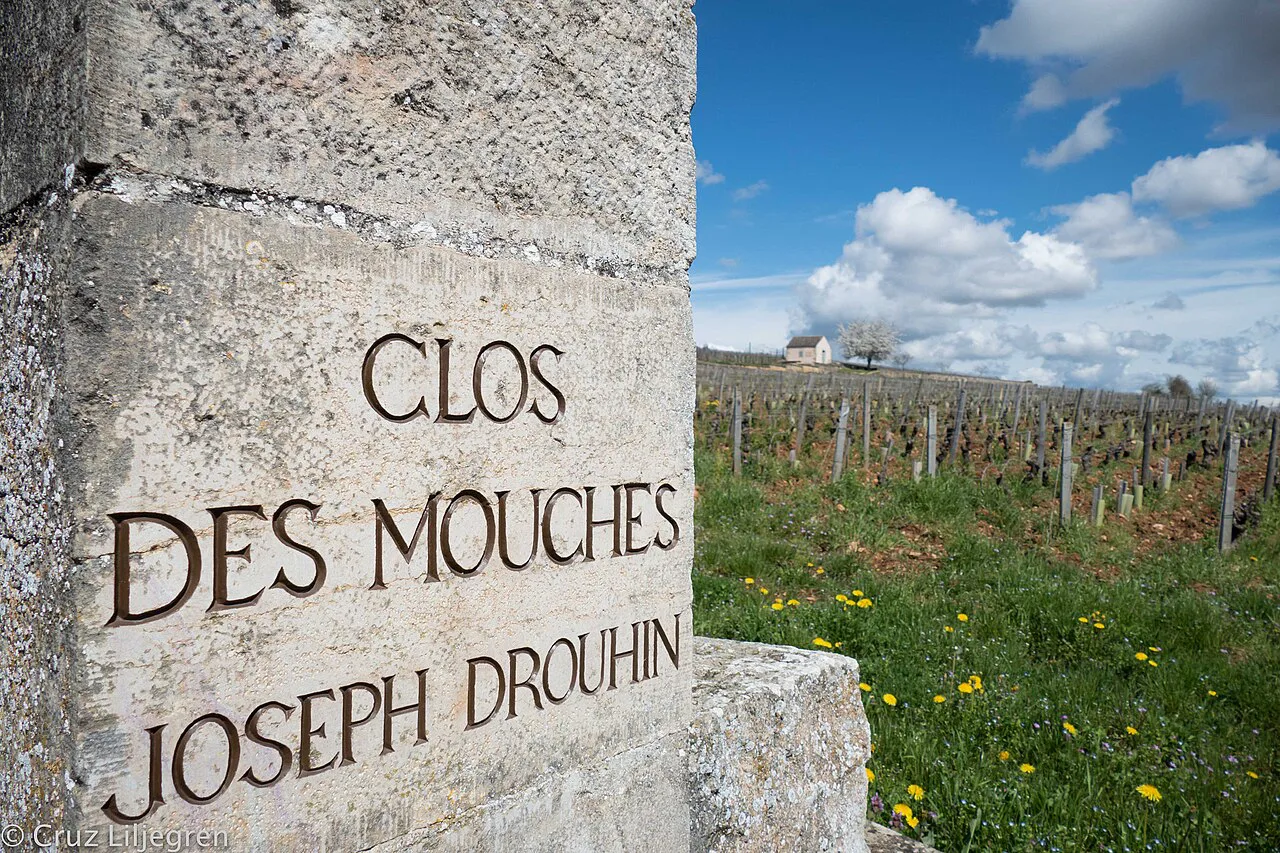
Grand Cru and Premier Cru names such as Musigny, Montrachet Marquis de Laguiche, Clos de Vougeot and Beaune Clos des Mouches sit at the top of the ladder. Village wines carry a commune name like Gevrey-Chambertin or Meursault, while regional wines include Bourgogne Blanc and Bourgogne Pinot Noir. When booking, ask which tier a tasting focuses on, because a flight built around regional wines is a different experience from one that includes Premier Cru sites.
Grapes and Styles to Know Before You Book
Pinot Noir and Chardonnay are the core of the Drouhin range, with Gamay appearing in the Beaujolais wines and Aligoté in a Bourgogne Aligoté. The house also produces eaux de vie, including Marc de Bourgogne. That means a single visit can cover red and white Burgundy plus a Beaujolais cru, giving a useful overview of how the same firm handles different grapes and regions.
If you want to compare the Côte de Beaune with the Côte de Nuits, a tasting that spans both is worth asking about, since the two areas sit at the heart of the Burgundy hierarchy. For a broader view of the region's villages and producers, the beaune wineries page groups the houses that receive visitors and helps you choose which to pair with Drouhin.
What a Visit Involves: Cellar Tours, Tastings and Vineyard Tours
The house organizes cellar tours and tastings, plus vineyard tours and special events, so the first decision is format rather than venue. A cellar tour is the classic introduction to a Beaune négociant: you walk the underground cellars and learn how the house matures and blends. A tasting keeps you above ground and concentrates on the wines, which suits a tight schedule.
Vineyard tours and special events are worth considering if you have a half-day to spare and want context beyond the cellar. The practical trade-off is time: a cellar tour plus tasting takes longer than a stand-alone tasting, so pair it with one other house rather than three. Tour times, tasting flight sizes, durations and any seasonal closures are set by the house and change through the year.
Booking the Visit and Beaune's Appointment Culture
Book through the house's own Visits & Tastings pages rather than a reseller, so you get the current formats and any age or group rules directly from the source. In Beaune, the larger houses operate on scheduled slots while smaller tasting rooms may accept walk-ins, so a firm plan for Drouhin leaves room to improvise elsewhere. If you are traveling as a group, mention the party size at booking, since cellars have limited space on tours.
Many Beaune visits start from Place Carnot, the square near the rail station and the town's main axis, from which the old town and its cellars are walkable. If you prefer a guided structure that handles bookings and transport, beaune wine tours compare the organized options.
Getting There and Around Without a Car
Beaune's cellars sit within the old town, and the rail station is a short walk from the center, so a Drouhin visit fits a car-free day. Trains connect Beaune with Dijon and other Burgundy towns, and local buses serve the surrounding villages, though service is limited and worth checking before you rely on it. On foot, you can group Drouhin with other houses, the Hospices de Beaune and the town's wine bars in a single loop.
For the wider Côte de Beaune, a taxi or an organized tour is more practical than a sparse village bus, especially if you plan to taste at several estates. If you are driving, the driver should not taste: use spittoons, appoint a designated driver, or take a tour or public transport. A wine bar in town, such as those listed in Beaune Wine Bars, is a good way to finish the day without getting back behind the wheel.
The Oregon Chapter: Domaine Drouhin Oregon and RoseRock
The Drouhin family also owns land in Oregon's Willamette Valley. Robert Drouhin bought land in the Dundee Hills in 1987 with his daughter Véronique, a recent oenology graduate, and a gravity-flow winery opened there in 1989. The estate released its first Pinot Noir, Laurène, three years later, then added Chardonnay in 1996. In 2013 the family acquired RoseRock Vineyards in the Eola-Amity Hills, a 112-hectare property with 54 hectares of vines, mostly Pinot Noir.
The family describes both Oregon sites as volcanic in origin, with a cooler microclimate at RoseRock, and draws a stylistic contrast between the two: Dundee Hills wines are described as charming and silky, while Eola-Amity Hills wines are more structured and vibrant. Those estates are a separate trip from Beaune and cannot be visited on a Burgundy day. They appear on Drouhin's Burgundy tasting lists and in its Oregon range, which is where a visitor in Beaune is most likely to meet them.
Drouhin Wines on Burgundy Lists and in Local Shops
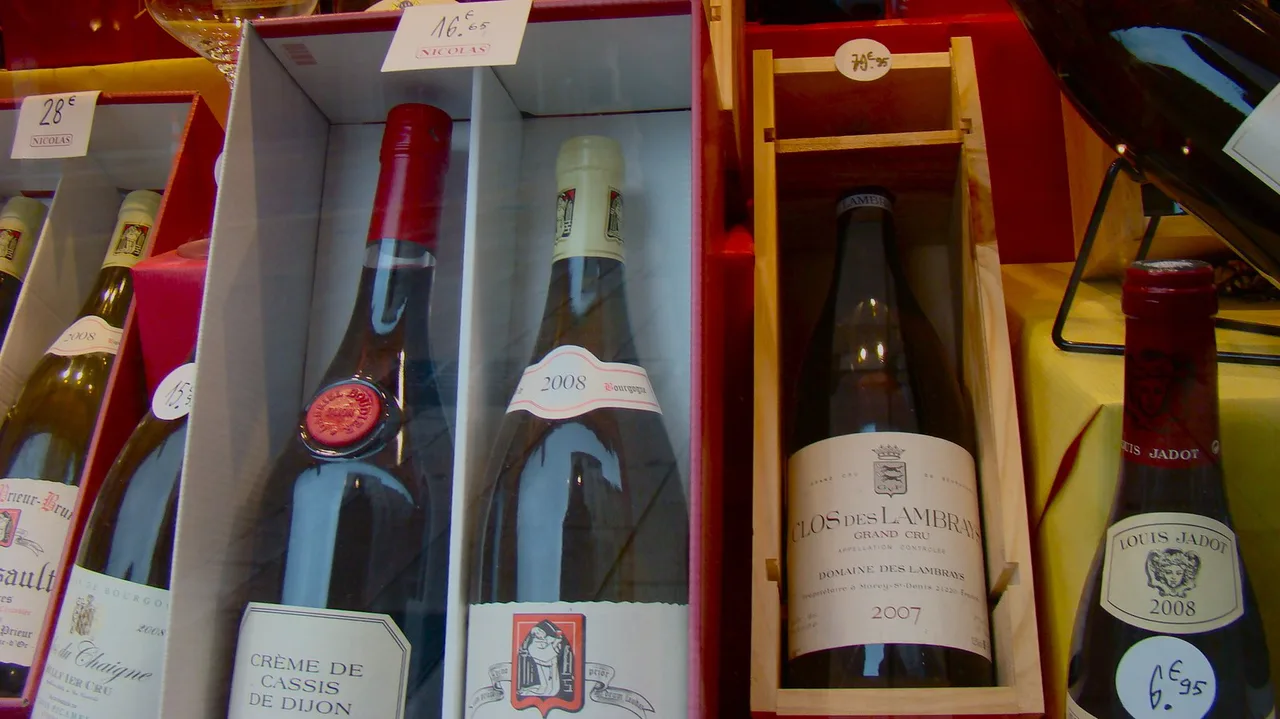
Drouhin's wines appear widely on Burgundy restaurant lists and in Beaune wine shops, so you can sample the range beyond the cellar door. The house lists a broad catalog spanning regional wines to Grand Cru, including Chablis and Beaujolais crus. Tasting at the source gives you context, but a glass with dinner or a bottle from a local merchant is a useful way to compare before you commit to a tasting format.
For a contrast in house style, Albert Bichot in Beaune is another major négociant with its own domaine holdings, including Domaine Long-Depaquit in Chablis. Visiting both across a day or two shows how two Beaune houses interpret Burgundy's appellations differently.
Pairing a Drouhin Tasting with the Rest of Beaune
A balanced Beaune day pairs a cellar visit with the Hospices de Beaune, the town's famous charitable hospital with its tiled roof, and a walk through the old town's other cellars. Save the tasting for after the museum, then finish with a wine bar or dinner. That order keeps the day walkable and avoids driving between stops.
If you want to spread visits over two days, group Drouhin with other houses near Place Carnot on day one and use day two for a Côte de Beaune vineyard excursion. The wine bar list in Beaune Wine Bars is a good fallback for an evening pour after a cellar tour, and the town's compact layout means most of the plan works on foot.
Plan Your Visit
Build a Drouhin visit around the format that fits your day: a cellar tour for context, a tasting for focus, or a vineyard tour if you have a half-day. If you are weighing a second base in Burgundy, wine tasting in Lyon shows how the Beaujolais and Northern Rhône formats compare with Beaune's cellar tours. Book through the house's own Visits & Tastings pages and confirm current details with the winery at the time of booking.
Keep the Oregon estates separate from the Beaune plan, since they are a different trip, and use Beaune's compact center to walk between stops. If you drive, leave the tasting to someone else or use public transport or a tour, and finish with a bar or dinner in town.
Frequently Asked Questions
Does Joseph Drouhin offer cellar tours and tastings in Beaune?
Yes. The house publishes daily cellar tours and tastings, plus vineyard tours and special events. Formats, times and durations are set by the house, so check its Visits & Tastings pages when you book.
Who owns Domaine Drouhin Oregon?
The Drouhin family of Maison Joseph Drouhin in Beaune owns the Oregon estates. Robert Drouhin bought land in the Dundee Hills in 1987, and the family later acquired RoseRock Vineyards in the Eola-Amity Hills in 2013.
What is the difference between Joseph Drouhin in Burgundy and Domaine Drouhin Oregon?
Joseph Drouhin is the Beaune house, a négociant-éleveur with its own vineyards across Burgundy, while Domaine Drouhin Oregon and RoseRock are the family's estates in Oregon's Willamette Valley. The Oregon sites are a separate trip and cannot be visited on a Beaune day, though their wines appear in Drouhin's listings.
Which Drouhin wines should a first-time visitor taste?
Start with the Burgundy range: regional wines such as Bourgogne Blanc and Bourgogne Pinot Noir, then a village or Premier Cru from the Côte de Beaune or Côte de Nuits. Ask which tiers the tasting covers, since flights differ by classification and region.
How do I book a Joseph Drouhin visit?
Book through the house's own Visits & Tastings pages rather than a reseller. Mention your party size, and check formats and any seasonal closures with the winery when you book.
Can I visit Joseph Drouhin without a car?
Yes. Beaune's cellars are within the old town, and the rail station is a short walk from the center. Trains connect Beaune with Dijon, and local buses serve nearby villages, though service is limited.
Sources
Notes for your next wine trip
Optional updates to our winery and wine-town guides.
You might also like
Continue reading
More guides you'll find useful