Château de Pommard Guide: Which Visit to Book from Beaune
Plan a Château de Pommard visit from Beaune: the six wine experiences, how long they run, how to book, and how to reach Pommard without driving.
On this page
Pommard is the first name many travelers learn in Burgundy, and Château de Pommard is the estate most of them picture: a walled clos, two châteaux and a formal tasting programme built for visitors rather than trade. It sits in the village itself, a short hop south of Beaune, which makes it the natural anchor for a Côte de Beaune wine day.
What follows covers how the visit is structured, what the six wine experiences actually offer, how to reserve one, and how to reach Pommard without a car. Prices and current opening hours are not published in the sources used here, so treat the practical questions below as the ones to settle when you book rather than as fixed figures.
Why Château de Pommard Anchors a Beaune Wine Day
Most Burgundy estates receive visitors by appointment only, in a single room, with a short list of wines. Château de Pommard has gone the other way, building a destination around wine education with several formats to choose from. For a traveler based in Beaune with one free day, that range makes it easy to slot a visit around lunch, a market morning or a second stop.
The estate also sits inside its own vineyard, the walled Clos Marey-Monge, so a visit covers both the cellar side and the site itself. If you want a day that mixes a serious named producer with village wandering, this is the stop that does both.
Where Pommard Sits Relative to Beaune
Pommard lies just south of Beaune along the D973, the road that threads through the Côte de Beaune vineyard villages. The estate's listed address is 15 Rue Marey Monge, Pommard 21630, in the heart of the village, and the vineyards begin at the edge of the houses.
The village itself is compact: a church square, a few streets, the mairie and a scatter of domaines, with the walled clos on one side. That scale means you can park once, walk to the château and be back on the road quickly. Coming from the north, drive time from central Beaune is short enough to make a taxi or a bicycle realistic rather than ambitious.
Beaune is the practical base for this stretch of Burgundy: it has the train station, the hotels and the concentration of tasting rooms. Start with the broader picture of what the town offers in the guide to wine tasting in Beaune, then build Pommard into the middle of the day.
The Estate in Brief: Clos Marey-Monge and Pinot Noir
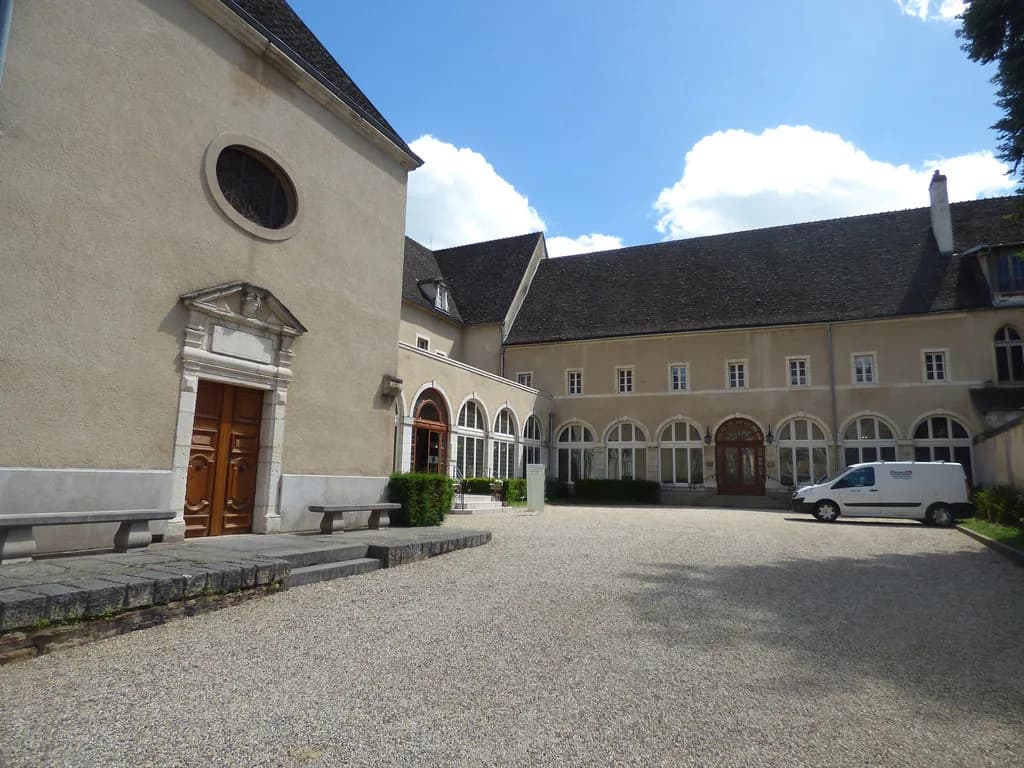
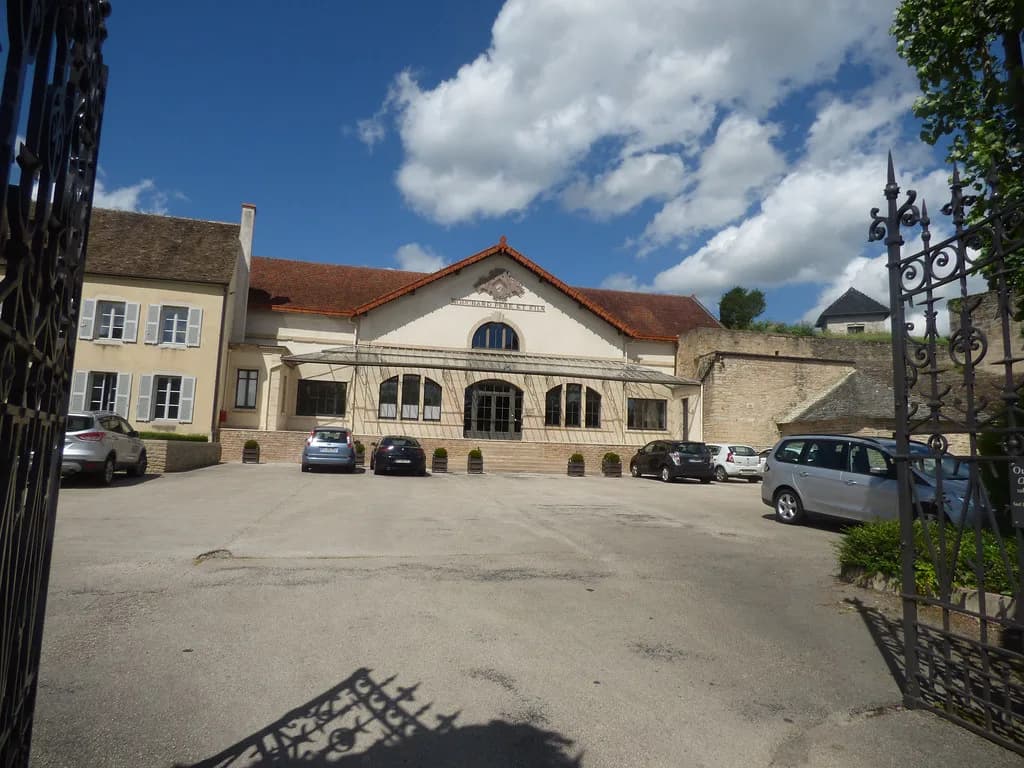
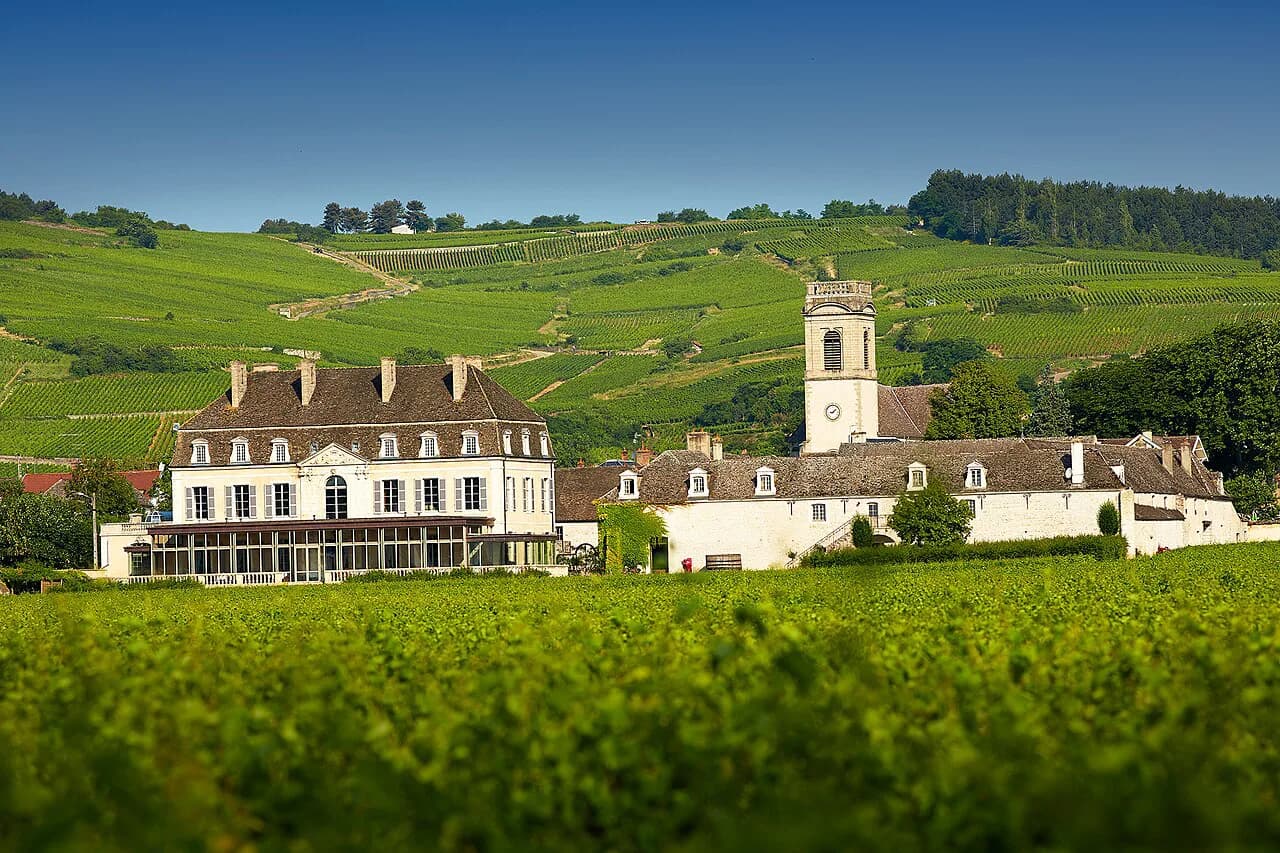
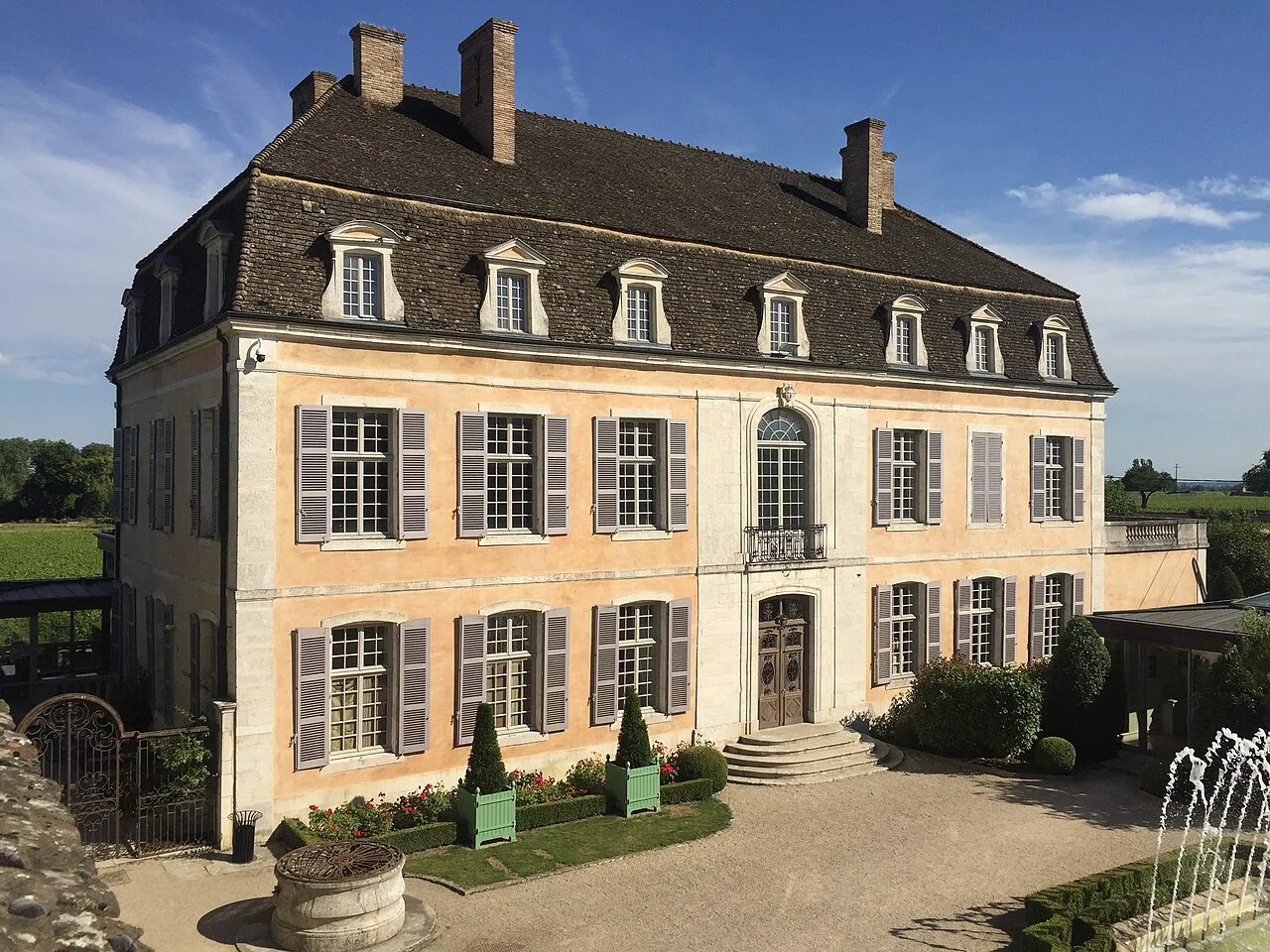
Château de Pommard was established in 1726 and is known for its two châteaux, its gardens and a 20-hectare walled vineyard. The estate is now run by the Famille Carabello-Baum, according to the vineyard listing for the property.
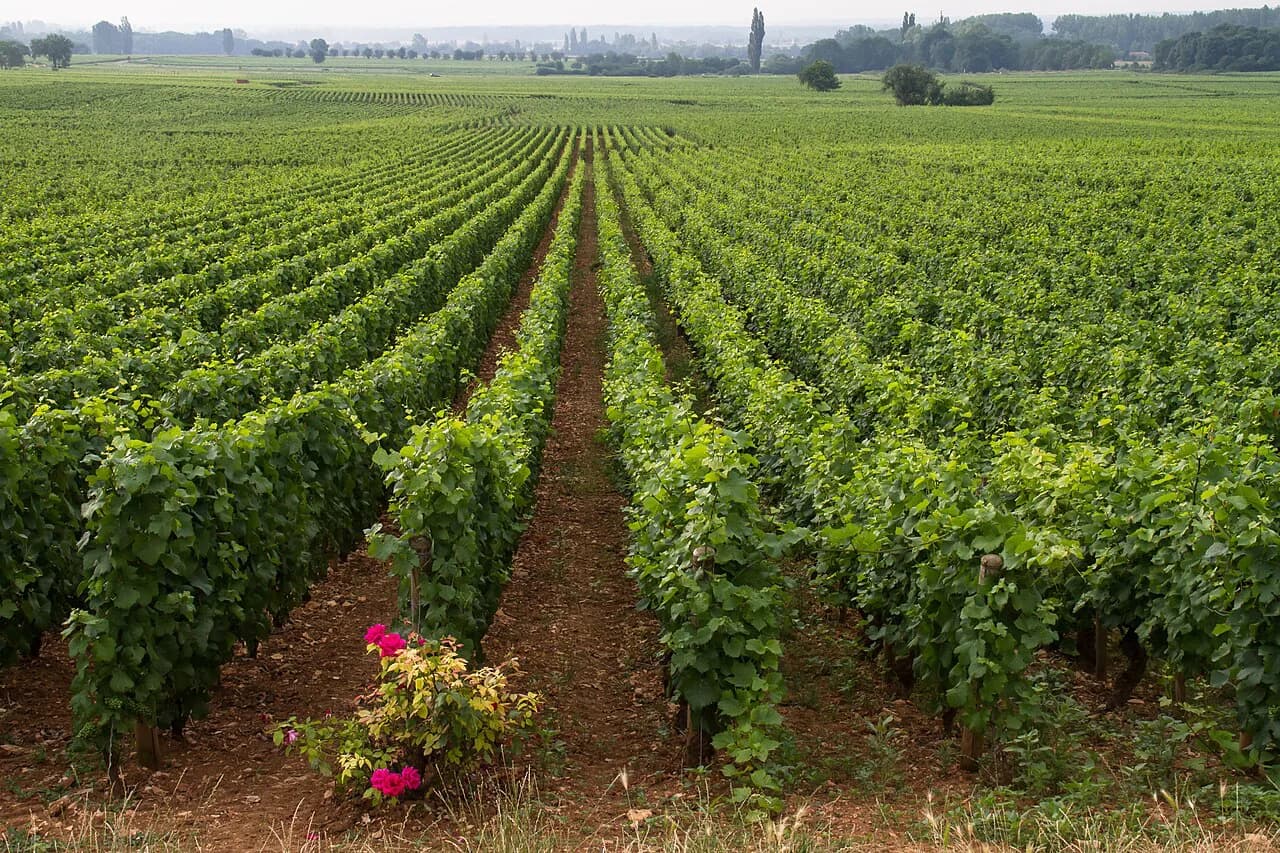
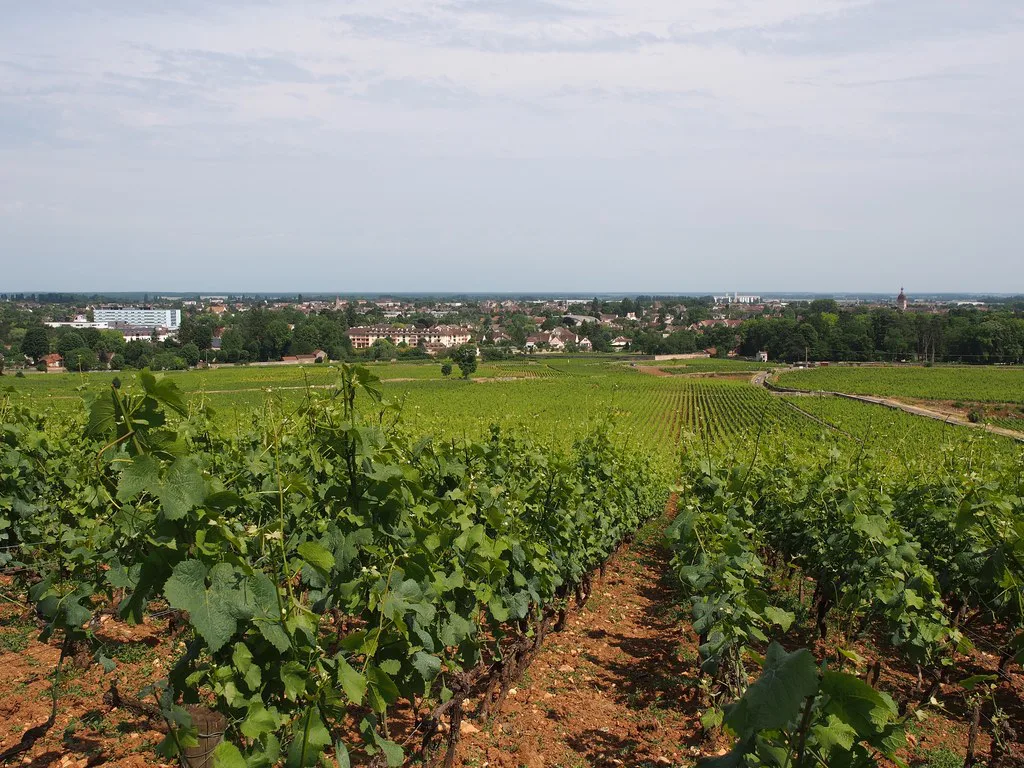
That walled vineyard is Clos Marey-Monge, a monopole divided into seven parcels with distinct clay and limestone soils, all planted to Pinot Noir. The wall around it was erected in 1812, and in 2015 UNESCO recognised the Clos as a protected Climat of Burgundy. The estate farms it biodynamically and sustainably and produces both a clos monopole and a limited cuvée from a single parcel.
Beyond the clos, the estate also makes village, Premier Cru and Grand Cru wines from across the Côte de Beaune and Côte de Nuits. Tasting across those appellations in one sitting is the fastest way to understand how Burgundy's hierarchy translates into the glass.
Reading a Burgundy Label Before You Arrive
Burgundy labels rank land, not brands. A village wine carries the commune name, such as Pommard; a Premier Cru adds the vineyard name, and a Grand Cru stands alone as its own appellation. The broad rule is that the smaller the defined plot, the more specific and usually the scarcer the wine.
Pommard produces red wines from Pinot Noir only, and the appellation is known for structured, firmly built reds rather than delicate ones. There is no Grand Cru vineyard inside Pommard itself, so the village's top wines are its Premier Crus. Neighbouring Volnay to the south gives a softer counterpoint, which makes the two villages a sensible pairing on a tasting day.
The Six Wine Experiences: Formats and Durations
Château de Pommard runs six distinct wine experiences rather than a single standard tour, pitched at beginners, intermediates and experienced tasters. Each is led by sommeliers or WSET-trained staff, and each runs from one to three hours, so the choice of format is really a choice about how much of your day the visit absorbs.
The estate describes the programme as education-led, with formats that combine serious wine knowledge with a more relaxed visit. The published material does not spell out which wines each experience pours or whether food is included, so ask when you reserve if a particular combination matters to you.
For planning purposes, treat the shorter formats as a 90-minute stop that leaves room for a second village, and the three-hour options as the centrepiece of a half day. If you are traveling with someone who is only mildly interested in wine, the shorter education format usually works better than a long cellar session.
Booking: Channels and What to Send
Reservations can be made online, by phone or through one of the estate's travel partners. There is no published email address in the sources consulted here, so use the contact form on the official site rather than guessing an address.
When you enquire, state your date, the number in your party, which of the six experiences you want and whether anyone in the group is not drinking. Ask for confirmation of the start time, the expected duration and the current fee, since none of those are fixed figures you can rely on from a planning article.
Booking ahead matters most in the shoulder months around harvest and in the run-up to Christmas, when Côte de Beaune cellars fill with trade and private groups. A week or two of lead time is usually comfortable; for a group of six or more, give more notice and ask whether the format can be adapted.
Getting There Without Driving
Pommard is close enough to Beaune that a taxi is a short, inexpensive-feeling ride rather than an excursion, and taxis can be booked for a fixed return time. That solves the drinking problem cleanly: whoever is driving elsewhere in the day is not the person tasting.
A bicycle is the other obvious option, since the road from Beaune to Pommard is short and the village is flat once you arrive. The trade-off is weather and the fact that Burgundy's back lanes are shared with farm traffic; if you are not a confident rider, take the taxi instead.
Local bus services link Beaune with the Côte de Beaune villages, but timetables vary by season and are not something to plan around without checking the current operator schedule. Ask at the Beaune tourist office or your hotel for the line that serves Pommard that week, and have a taxi number as a fallback.
Guided options remove the logistics entirely: a driver-guide collects you, handles the reservations and often adds a second estate. The trade-off is less flexibility on which experience you take and how long you linger. Compare operators on what they include before committing, and note that Beaune wine tours generally sell out in harvest season.
Pairing Pommard with Other Côte de Beaune Stops
Geographically, the natural pairing is Pommard with Volnay just south, or with Aloxe-Corton to the north on the way back to Beaune. Keep to two estates in a day if you are tasting properly; three is possible only if one is a brief cellar door stop. If you would rather compare Burgundy's village appellations on a bigger stage, wine tasting in Dijon offers its own set of cellars and estates to weigh against this plan.
Beaune itself fills the rest of the day well: the Hospices, the old town and a cluster of négociant cellars within walking distance of Place Carnot. If your morning is at Château de Pommard, spend the afternoon in town rather than adding another village drive.
For a different scale of visit, the négociant houses in Beaune offer historic cellars and broad appellation ranges, a useful contrast to a single-estate monopole. The guide to Beaune wineries covers which ones receive visitors and how their tastings are structured.
If you would rather finish the day with a glass rather than a cellar, Beaune's wine bars pour Burgundy by the glass and often list Pommard alongside Volnay and Savigny. That is a low-commitment way to compare the villages after a morning at the château.
Practical Planning: Half Day versus Full Day
A half day fits if you take one of the shorter experiences and pair it with a walk through the village and the edge of the clos. A full day makes sense if you book a three-hour format and add a second estate plus lunch in Beaune or in a village square.
Harvest timing shapes the visit: late summer and early autumn bring picking, sorting and busy cellars, and some estates restrict tours during pressing. The estate's own booking page is the place to confirm what is running during your dates, since the published schedules change with the season.
Structure the day so the tasting comes before the driving, not after. Party size matters too: small groups get more of the sommelier's attention, and larger groups may be split or moved to a fixed format. Tell the estate your group size when you enquire so the right room is booked.
Plan Your Château de Pommard Visit
Château de Pommard rewards a little planning: pick one of the six experiences by duration rather than by name, book online or by phone with your date and party size in hand, and arrange a taxi, bike or tour from Beaune so nobody has to drive after tasting. Build the rest of the day around the village or a second Côte de Beaune stop instead of squeezing in a third estate.
Anyone driving should not taste; spittoons, a designated driver, public transport or a booked tour all solve it. Confirm the current start times, duration and fee with the estate when you reserve, and the day will run on your schedule rather than on assumptions.
Frequently Asked Questions
How long does a Château de Pommard wine experience take?
The estate publishes six different experiences, each lasting between one and three hours. Shorter formats suit a half-day plan, while the three-hour options work best as the centrepiece of a day. Confirm the length of the specific format you book, since they are not uniform.
Do you need to book Château de Pommard in advance?
Reservations are made online, by phone or through travel partners, and booking ahead is sensible in harvest season and around the Christmas period. Give your date, party size and preferred experience when you enquire. For groups of six or more, allow extra lead time.
How do you get to Pommard from Beaune without a car?
A taxi is the simplest option for a short ride, and a bicycle is realistic given the short distance from Beaune to the village. Local buses serve the Côte de Beaune villages but run on seasonal timetables, so check the current schedule at the Beaune tourist office. Guided tours include transport and reservations.
What is Clos Marey-Monge?
It is the 20-hectare walled vineyard at the heart of Château de Pommard, divided into seven parcels with distinct clay and limestone soils and planted to Pinot Noir. The wall dates from 1812, and UNESCO recognised the Clos in 2015 as a protected Climat of Burgundy.
Is Pommard a Grand Cru?
No. Pommard is a village appellation with Premier Cru vineyards but no Grand Cru site of its own. Its top-rated wines are labelled Pommard Premier Cru with the vineyard name. Grand Cru labels in Burgundy belong to separate appellations such as Corton.
Who owns Château de Pommard?
The estate is run by the Famille Carabello-Baum, according to the vineyard listing for the property. The château itself was established in 1726 and is known for its two châteaux, its gardens and the walled Clos Marey-Monge.
What do Pommard reds taste like?
Pommard produces red wines from Pinot Noir and is known for structured, firmly built reds rather than delicate ones. Neighbouring Volnay to the south is typically softer, which makes the two villages a useful comparison on a tasting day.
Sources
Notes for your next wine trip
Optional updates to our winery and wine-town guides.
You might also like
Continue reading
More guides you'll find useful