Champagne Tours From Paris: DIY by Train vs Guided Day Trip
Compare a self-guided Champagne day trip by train from Paris with a guided or private tour, and see how many houses fit into one day and how to book tastings.
On this page
Champagne sits roughly 80 miles, or about 127 kilometers, east of Paris, and the TGV puts Reims about 45 minutes from the capital, which makes a day trip genuinely practical rather than ambitious. The catch is logistics: most houses want advance reservations and the best visits are underground, so the day works when you pick one hub and build around it. This guide compares going it alone by train with joining a guided or private tour, and shows how the pieces fit together.
Quick Answer: How a Champagne Day From Paris Actually Works
Plan on one base, two to three house visits, and a firm return train or pickup time. Operators who run this route treat two to three houses as the comfortable ceiling for a single day, with time for a cellar tour, a relaxed lunch, and a stop in the vineyards before heading back. Three visits plus a sit-down lunch in Reims or Épernay is achievable only if you keep transfers short and appointments tight.
The self-guided version suits travelers who want control over which houses they see and are happy to spend an evening booking tastings online. The tour version suits anyone who would rather not drive, wants door-to-door transport from Paris, and prefers a pre-arranged schedule. Be honest about the trade-off: independent travel is cheaper and more flexible, but the booking labor is real, and availability at the famous cellars is limited.
Reims vs Épernay vs Hautvillers: Pick One Hub
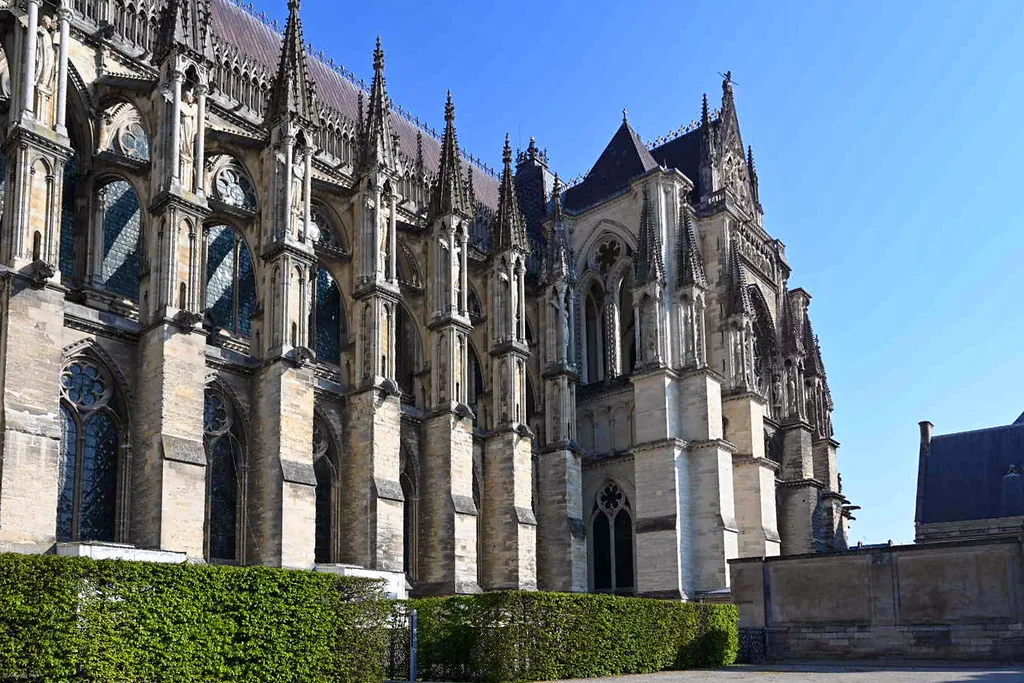
Reims is the easier day-trip city. The train lands you in the center, the cathedral and several major houses are within walking distance, and G.H. Mumm is about a 15-minute walk from the Reims station. If your priority is a stress-free train day with two cellars and a good lunch, base yourself here and skip the countryside.
Épernay is the other logical hub, built around the Avenue de Champagne, where Moët & Chandon, Pol Roger, and Perrier-Jouët sit along one street. Perrier-Jouët is in Épernay, roughly a 30-minute drive from Reims, so trying to combine both towns in one day eats into tasting time. Choose Épernay if the Avenue and its big names are the point of the trip.
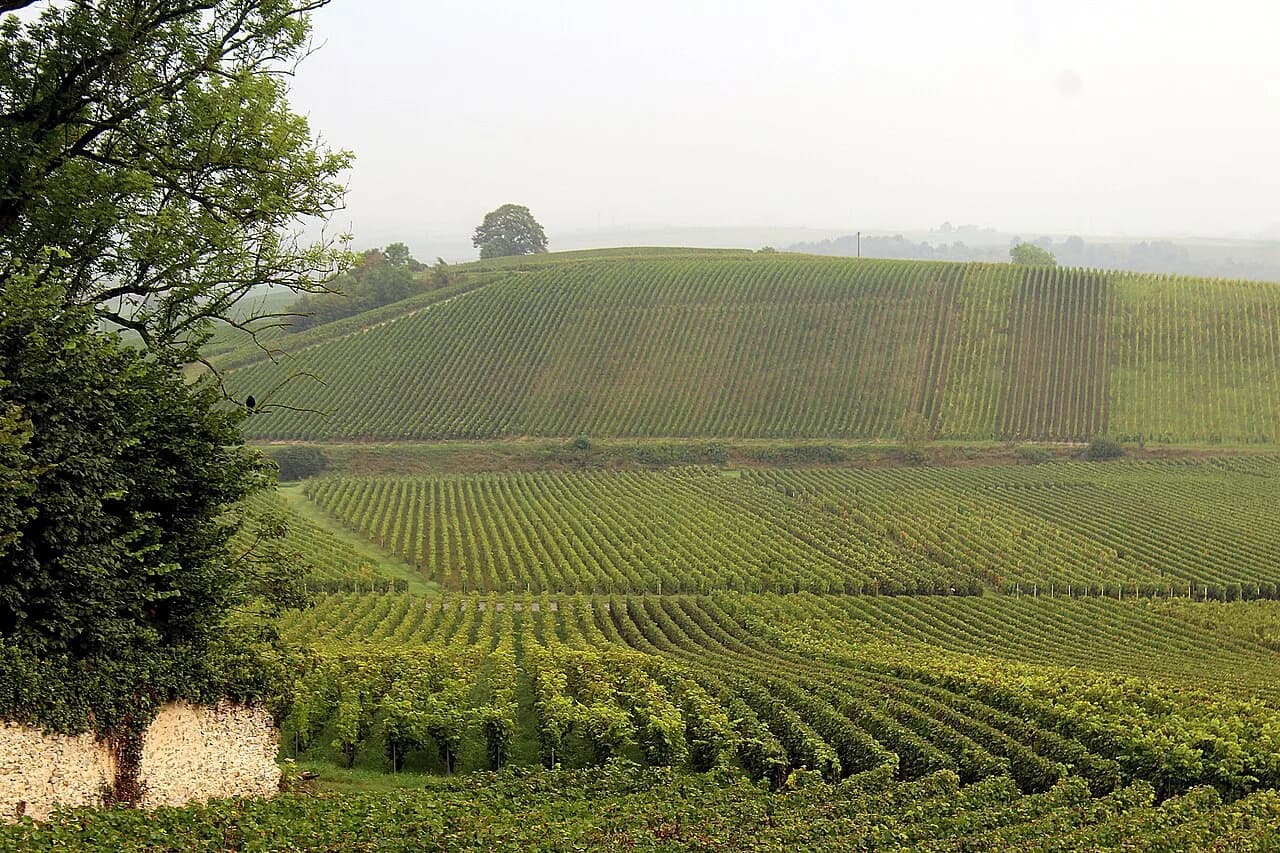
Hautvillers, the village tied to the Dom Pérignon legend, sits in the hills of the Montagne de Reims and works best as a lunch or late-afternoon stop rather than a tasting hub. It has bars and terraces for a glass between appointments, and the surrounding vineyards are the reason to linger. Treat it as scenery and a pause, not a third cellar visit. For more ideas around the city itself, see our guide to wine tasting in Reims.
Getting There Without Driving
The direct train from Paris to Reims takes about 45 minutes, and booking a roundtrip ticket in advance through a rail retailer removes one variable from the day. Once in Reims, the center is walkable and several houses are clustered near each other, so a car is unnecessary for a city-based day. Expect roughly $30 to $50 roundtrip as the source's approximate figure rather than a live fare, and confirm your actual ticket price when booking.
For houses outside the city, book a taxi in advance rather than hoping to flag one in a village, and ask the house whether it can help arrange transport back to the center. Drive times published by travel writers, such as Ruinart being about a 7-minute drive from central Reims, give a sense of scale but are not schedules. Build a buffer before your return train, because rural pickups are less frequent than city ones.
Option A: A Self-Guided Day in Reims on Foot
The simplest independent day groups houses that sit close together near the Reims center, where Champagne Taittinger, Veuve Clicquot, and Domaine Vranken Pommery are described as within walking distance of each other. Pick two of them, put a cellar tour first and a shorter tasting second, and leave the middle of the day for lunch and the cathedral. This is the lowest-cost structure and the one that leaves the most room for wandering.
Published starting prices from a 2025 guide give a rough scale: Veuve Clicquot experiences from €36, Taittinger from €40, Pommery from €27, Lanson from €32, G.H. Mumm from €30, and Ruinart from €85. Those are entry-level figures at the time of that guide, and the premium tours with food pairings cost more. Our Champagne Houses in Reims overview helps you sort which cellars match your budget and appetite.
If a full guided cellar tour is the centerpiece, book that specific experience rather than a bar tasting, since the chalk crayères are the reason the region's visits feel different from any city wine bar. A focused Taittinger Tour in Reims makes a good anchor for a self-guided morning, with the afternoon left free. Reserve online well before you travel, because most houses do not accept walk-ins.
Option B: Guided Small-Group or Private Tours From Paris
A guided day removes the two hardest parts of the trip: booking multiple appointments and staying sober enough to enjoy them. Operators run small-group and private formats that include hotel pickup and drop-off in Paris, a local guide, and pre-booked tastings, with the option to request a personalized itinerary. The trade-off is less flexibility and a higher total cost than doing it yourself, which is the price of an effortless day.
Private multi-day operators structure Champagne around Reims and Épernay with a chauffeured car, weaving in houses at Veuve Clicquot, Pommery, and Taittinger on the Reims side and Gosset and Tribaut in the Épernay and Romery area. Those visits are arranged in advance rather than offered as walk-ins, and pricing is quoted per party and dates rather than posted. If you want that itinerary, request a quote with your travel dates and group size.
For a single day from Paris, most group tours run on a fixed morning departure and return in the evening, which caps you at two or three stops. Ask before booking whether lunch is included, how long the drive from Paris is, and whether the day ends in Reims or back at your hotel. Our Champagne Tours from Reims guide is useful if you would rather base in the region and join a shorter local tour.
Option C: Train to Reims, Then a Local Driver or Tour
A middle path is to take the TGV to Reims and pick up a pre-booked driver or a half-day local tour once you arrive. This suits travelers who want more time in the vineyards than a city walk allows but do not want to commit to a full day trip from Paris. You keep the train fare as a known cost and pay separately for the regional transport.
This option shines if you want to reach Épernay's Avenue de Champagne or a grower in a village such as Romery without renting a car. Arrange the transfer in advance through the house or a local operator, and confirm the pickup point and return time in writing. The main risk is a slow return, so leave at least an hour of buffer before an evening train to Paris.
How Many Houses Fit, and Why 2 to 3 Is the Number
Two to three visits is the working target for a day that starts in Paris and ends there. Operators who run this route describe two to three houses as the sweet spot that allows full cellar tours, a relaxed lunch, and a return to Paris by dinner without the day turning into a checklist. Push to four and the tastings blur together, the drive time dominates, and you lose the spontaneous part of the trip.
If you are based in Reims rather than Paris, you can add a morning visit and still have an unhurried afternoon, since the 45-minute train makes a later return easy. Consider a quick look at Champagne tasting in Reims options if you want to end the day with a glass rather than a full tour. A short bar stop costs less time than another cellar appointment. If you are weighing a second region into the same trip, our wine tasting in Colmar guide covers the Alsace alternative.
Big Maison vs Small Grower: What Changes
A grand maison delivers historic chalk cellars, a polished tour, and the labels you recognize, with Moët & Chandon's cellars beneath Épernay among the largest underground networks in the region. A family estate delivers a smaller, more personal visit and often the chance to meet the person who makes the wine. Neither is better; they answer different questions about how the sparkling wine is made and sold.
The booking mechanics differ too. Big names run frequent, structured tours with fixed slots, while growers may receive only by appointment and answer email slowly during harvest. If you want a grower visit, start inquiries weeks ahead and say how many people are in your party. Many houses in the region produce sparkling wine in the same traditional method, using Chardonnay, Pinot Noir, and Pinot Meunier, which makes any visit a useful primer on the style.
Booking Mechanics: Appointments and the Crayères
Most Champagne houses require reservations rather than accepting walk-ins, so book your cellar visits online before you travel, especially for weekends and harvest season. Ask whether your booking includes a tour of the caves, since the underground chalk cellars are the part of a visit you cannot replicate at a wine bar. If you are flexible, midweek slots are easier to secure than Saturdays.
Cellar temperatures stay cool year-round, so bring a layer even on a warm day, and wear shoes you can walk in on damp chalk floors. Ask at booking whether the visit includes a seated tasting, how many wines are poured, and whether food is served, because those details change the pace of your day. Any published starting price is only the entry point; the tour you actually want usually costs more.
The chalk crayères were originally quarries dug in Roman times and are now protected as UNESCO heritage, which is why the cellar tour matters more here than in most wine regions. Book a tour that includes them rather than a standalone tasting. Check current prices and availability directly with the house before you commit, since published figures shift.
A Day-Trip Timeline That Gets You Back for Dinner
A workable Paris-based day starts with an early train to Reims or a tour pickup around 8 a.m., putting you in a cellar by late morning. A guide-run version of this day leaves Paris at 8:00, tours a grand maison at 10:00, breaks for lunch at 12:30, visits a smaller producer at 2:30, and is back in Paris by 6:30. Use those times as a template, not a schedule.
On your own, aim for a mid-morning first tour, a long lunch, and a second visit that ends by late afternoon, leaving an hour of slack before your train. If you are also seeing the cathedral, put it between tastings rather than at the end of the day. Notre-Dame de Reims is free to enter and sits close to the center, so it fills a gap without eating a tasting slot.
Where to Stay If You Turn the Day Into Two or Three Nights
One day is enough to understand Champagne, but two or three nights lets you split Reims and Épernay and add a grower visit without rushing. Staying in Reims keeps the train simple and puts several major houses on foot; staying in Épernay puts the Avenue de Champagne outside your door. A night in the villages gives you vineyards at dawn, but you will need a car or arranged transfers.
If you stay, build the extra day around the countryside rather than more city cellars: Hautvillers, the Montagne de Reims slopes, and a village producer. This is where the region's landscape starts to explain the wine. To plan that deeper trip, start with our Reims wine tasting coverage and branch out from the city.
Responsible Drinking on a Champagne Day
Anyone driving should not taste, so use the spittoons, appoint a designated driver, book a tour, or take the train. This is one of the strongest arguments for a chauffeured day or a rail-based itinerary. It also keeps the day enjoyable rather than a test of endurance.
Questions to Ask Before You Commit
Before booking, ask how many wines are poured, whether a cellar tour is included, how long the visit lasts, whether there is a minimum party size, and how far the house is from your station or hotel. For a tour, ask what is included in the price, where pickup happens, and when you return to Paris. These five answers tell you more than any brochure photo.
If you are comparing specific houses in the city, our guide to Champagne Houses in Reims sets out which ones sit within walking distance. It helps you avoid crisscrossing town between appointments.
Plan Your Visit
Choose Reims for an easy train day with walkable cellars, Épernay for the Avenue de Champagne, or a guided tour if you want the driving and bookings handled. Whichever you pick, cap the day at two to three houses and reserve your cellar tours well ahead. A relaxed two-stop day with a proper lunch will teach you more about Champagne than four rushed tastings.
Frequently Asked Questions
Can I take a day trip from Paris to the Champagne region?
Yes. Reims is about 45 minutes from Paris by direct train, which makes a single day realistic. Plan two or three house visits with lunch in between, and book a return train that leaves you an hour of buffer.
Is it better to visit Reims or Épernay on a day trip from Paris?
Reims is easier for a train-based day because the center and several major houses are walkable from the station. Épernay suits travelers focused on the Avenue de Champagne, but it is roughly a 30-minute drive from Reims, so combining both towns in one day is tight.
How many Champagne houses can you visit in one day?
Two to three is the comfortable number for a day that starts and ends in Paris. That allows time for a cellar tour, a relaxed lunch, and a second tasting without the day turning into a checklist.
Do you need to book Champagne house tours in advance?
Yes. Most houses require reservations and do not accept walk-ins, so book cellar visits online before you travel. Ask specifically whether your booking includes a tour of the chalk cellars, since that is the part of a visit you cannot replicate elsewhere.
Can you do a Champagne tour from Paris without a car?
Yes. Take the direct train from Paris to Reims and explore the center on foot, or book a guided tour that includes transport. For houses outside the city, arrange a taxi in advance or ask the house to help with a transfer.
What is the difference between a big Champagne house and a small grower visit?
A grand maison offers historic cellars and a polished, structured tour with the labels you recognize. A family estate offers a smaller, more personal visit and often the chance to meet the winemaker. Both are worth doing, and many travelers combine one of each.
Sources
Notes for your next wine trip
Optional updates to our winery and wine-town guides.
You might also like
Continue reading
More guides you'll find useful