Champagne Palmer & Co in Reims: What to Expect
Champagne Palmer & Co is a Reims house founded in 1947, built by grower families with Montagne de Reims vineyards. Here is what to know before you book.
On this page
Champagne Palmer & Co sits in Reims, the Marne city that anchors most Champagne itineraries, and it makes a practical stop for travelers who want a house with real vineyard roots rather than a name borrowed from a Bordeaux château. The house was founded in 1947 and is described as historically established in Reims, with more than 200 hectares of holdings. It suits drinkers curious about grower-family origins and a rosé made by a method borrowed from Jerez.
This guide separates Palmer from the Margaux estate of a similar name, explains the Montagne de Reims vineyard base and the core cuvées, and lays out how booking, transport and timing usually work around a Reims tasting day.
Quick Answer: What Champagne Palmer & Co Is and Who It Suits
Champagne Palmer & Co is a Reims-based Champagne house founded in 1947, according to its own site, and it describes itself as a premium house with over 200 hectares of vineyards. Wikipedia records that the house works with a large network of growers across thousands of hectares in Champagne. In practice that means a négociant-style operation with serious vineyard reach, not a single-estate micro-producer.
It suits travelers who want one house with a clear story — grower families, Montagne de Reims fruit, a solera rosé — rather than a full day of grande-marque cellars. If your Reims wine tasting plans lean toward comparing several houses in one day, Palmer works best as one appointment among two or three. Travelers weighing other French wine regions can follow the same one-appointment logic with wine tasting in Dijon.
Palmer vs Château Palmer: Clearing Up the Margaux Confusion
Champagne Palmer & Co in Reims has no connection to Château Palmer, the classified growth in Margaux in Bordeaux's Médoc. Travelers searching "Palmer wine visit" sometimes land on Bordeaux booking pages or the reverse, and the mistake is easy to make because both names appear in fine-wine retail. Check the address is in Reims, Marne, not in Margaux, Gironde, before booking anything in either place.
The distinction matters for logistics as much as for wine: Reims is roughly 45 minutes by train from Paris Gare de l'Est, while Margaux requires a Bordeaux base and a drive north through the Médoc. If you are building a Champagne trip, a Bordeaux château booking will not fit the itinerary at all. Keep the Champagne house's own site as your reference point for anything you plan to book.
The House in Brief: Grower Families and a 1947 Founding
The house traces its origins to seven grower families who pooled vineyards and ambition to create a Champagne brand of their own, and it was founded in 1947 in Reims. Wine retail material describes the founders as grower families determined to build a grande marque from their own fruit. That origin story explains the house's emphasis on vineyard ownership rather than pure sourcing.
Today the operation is substantial: the house reports more than 200 hectares of its own vineyards, and Wikipedia notes sourcing relationships with hundreds of growers across several thousand hectares. For a visitor, the takeaway is a house with both estate fruit and purchased fruit, which is typical of larger Reims houses. Do not expect a tiny family cellar tour; expect a professional Champagne operation.
The Vineyards: Montagne de Reims Premier and Grand Cru Holdings
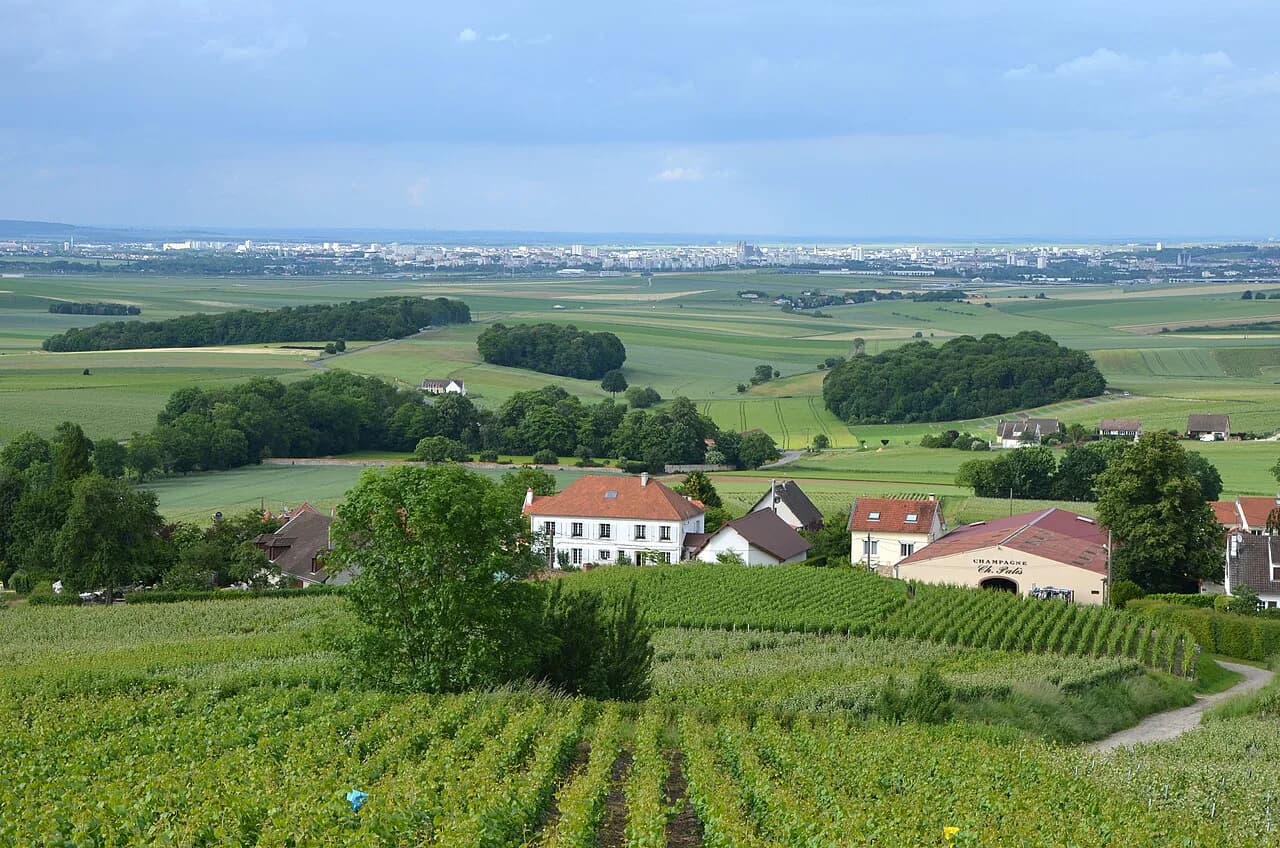
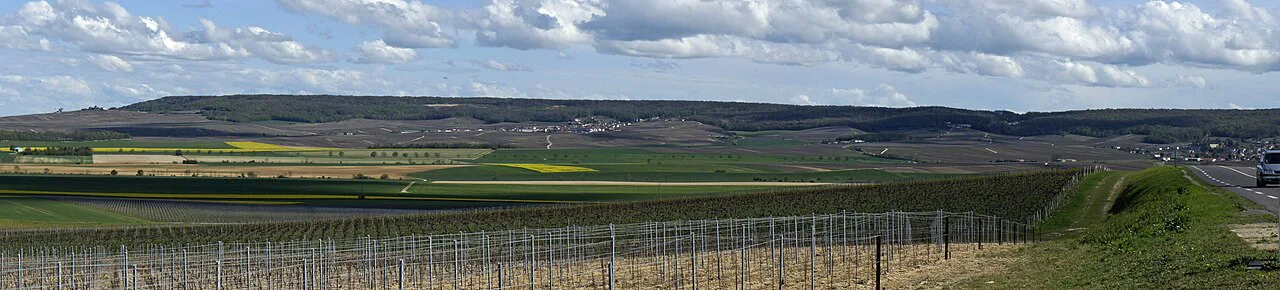
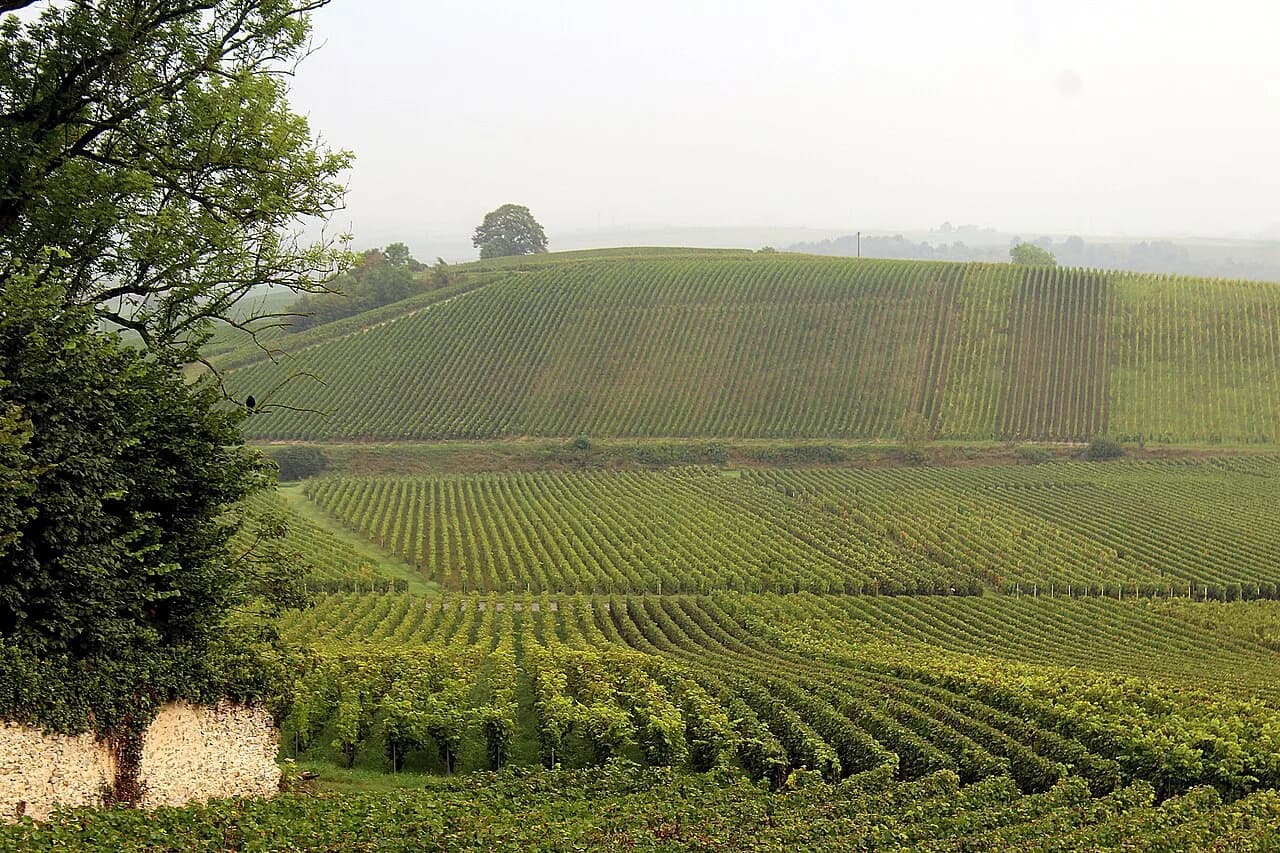
Retail and house descriptions place Champagne Palmer & Co's own holdings in the Montagne de Reims, the wooded ridge south of Reims whose villages supply many of Champagne's most structured Pinot Noir. The estate's vineyards are described as Premier or Grand Cru classified. That classification concerns the villages where the vines sit, not a guarantee stamped on every bottle, so read labels instead of assuming the same cru level holds across the whole range.
Montagne de Reims fruit tends toward Pinot Noir, which gives Champagne body and red-fruit depth, and Palmer's blends lean on that structure. If your palate prefers taut, chalky Chardonnay-driven Champagne from the Côte des Blancs, plan a second appointment in that direction. Grouping a Montagne de Reims-focused house with a Côte des Blancs house makes for a more instructive day than two similar lineups.
What You Will Taste: The Core Range and How the Styles Differ
The range starts with La Réserve, the house's non-vintage brut, and extends through a Blanc de Blancs, the Rosé Solera, vintage-dated wines and prestige cuvées such as Amazone de Palmer. Retail listings show this spread clearly, from entry brut up to library releases. A tasting that covers the brut, the blanc de blancs and the solera rosé gives you the widest read on the house style in three glasses.
Palmer also releases single-vintage Champagnes under names such as Grands Terroirs and a Vintage Collection, which appear in retail catalogs as older library vintages. Whether any of these are poured on a visit depends on the house's current tasting menu, which is not published in the sources consulted here. Ask what the flight includes when you request a booking, and say if you want the solera rosé in the lineup.
The Rosé Solera Explained: A Jerez Method in Champagne
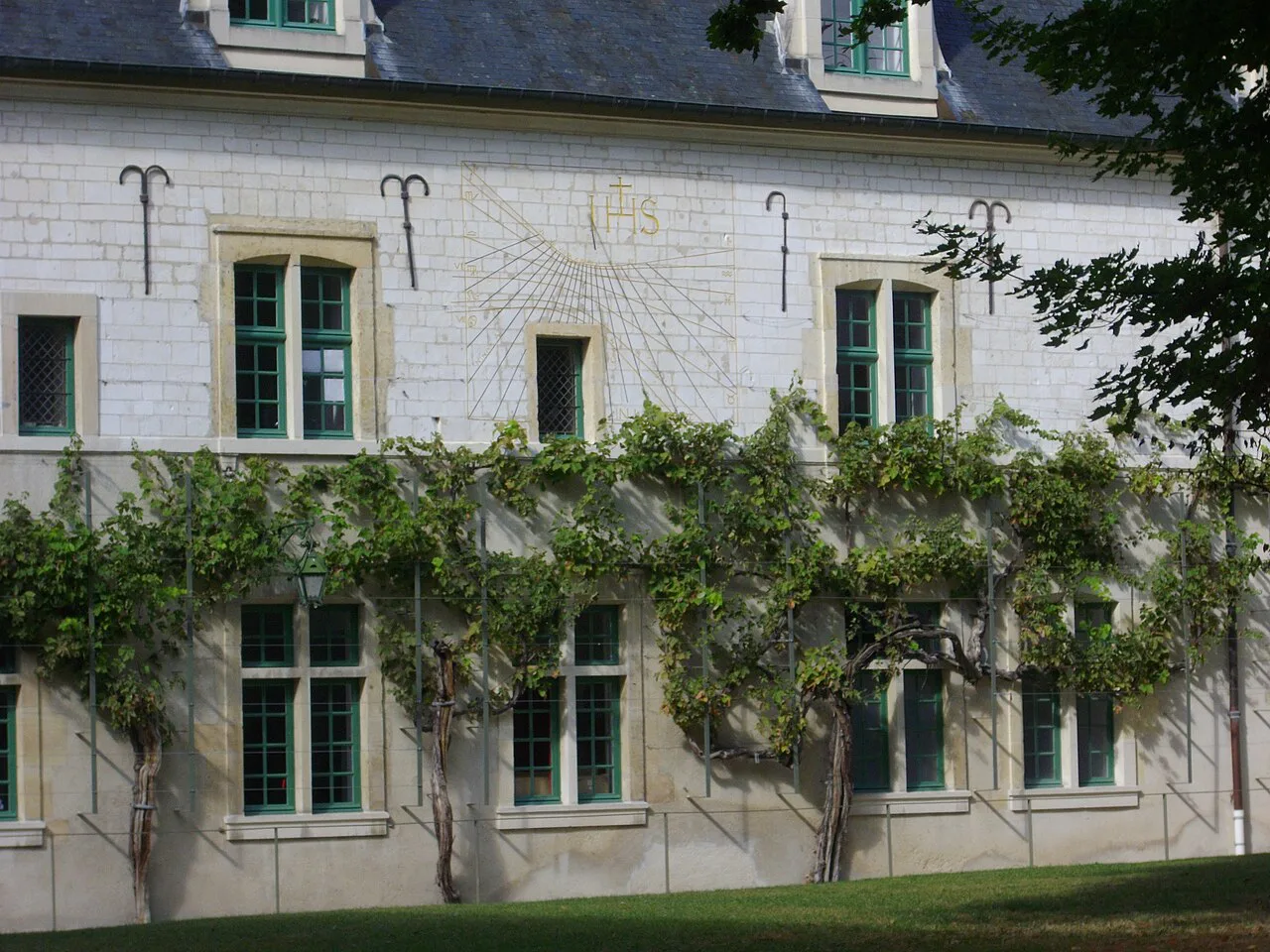
The Rosé Solera is the house's most distinctive cuvée: instead of blending a single year's rosé, Palmer keeps a perpetual reserve that is refreshed each harvest with the new wine, the same logic used in Jerez for sherry. Retail material describes the solera as a layered reserve that gains complexity as vintages accumulate. The result is a rosé Champagne with no single vintage to point to and a house-consistent character year after year.
For a visitor choosing between houses, this is the concrete reason to pick Palmer over a big name on the same street: one wine in the range is made by a method few Champagne houses use. If you only have time for one appointment in Reims, the solera story and the Montagne de Reims base together justify the stop.
How a Visit to a Reims House Typically Works
Visits to Reims Champagne houses generally run on advance bookings, with a cellar walk-through followed by a seated tasting of a set flight; some houses add a short film or a garden stop. Group sizes are usually capped, and tours run in fixed language slots, often French and English. Palmer's own published visitor program, duration and group limits are not detailed in the sources used here, so treat any specific claim you read elsewhere with caution.
Expect a cool, damp cellar of the kind used across the region, so bring a layer even in summer, and wear shoes that handle uneven floors. Tastings usually finish with the option to buy bottles, which is also the moment to ask about vintages not poured. If you want a seated comparison rather than a standing bar pour, say so when you inquire.
Booking: What to Send and When to Ask
Write to the house through the contact channel on its own site with your preferred date, a morning or afternoon window, the number in your party, and the language you need. Add a line about what you want from the visit — a broad range, the rosé solera, or a deeper look at the vintage wines. Smaller parties are easier to place at short notice, but Reims fills up on weekends and during harvest-season events, so inquire well ahead for those periods.
Ask in the same message whether the visit is available on your dates and what the tasting includes: how many wines, whether a cellar tour is part of it, and whether food is served. If you are traveling with non-drinkers, ask about a reduced or alternative option. Confirm the meeting point and arrival time a few days before you go.
Prices and Opening Days: Where to Find Published Rates
The house does not publish a tasting price or tour length in the sources used for this guide, so there is no reliable figure to quote. Retail bottle prices from a US shop are not cellar-door prices and should not be read as what a visit costs. Ask for the current rate when you book, and check the official site for any seasonal closure around the major holidays.
When you receive a quote, note whether it covers the tour, the number of pours and any food, because Reims houses structure this differently. A higher fee that includes a cellar tour and a prestige cuvée can be better value than a cheap two-glass pour. Keep the confirmation email with the meeting address and time on your phone.
Getting There from Central Reims
Reims is compact, and the central train station, the cathedral and the main Champagne houses sit within a walkable core, with the city's tram and bus network covering the outer districts. Palmer is historically established in Reims, and its own site gives the visiting address and contact details. Check the address against your map before setting out, since Reims houses are spread across the city rather than clustered on one street.
For a single appointment inside the city, a taxi or the tram is simpler than moving a car between tastings. If your day stretches to villages in the Montagne de Reims, a pre-booked car or a guided tour removes the transport puzzle entirely. Anyone driving should not taste; use spittoons, a designated driver, a tour or public transport, and save the bottles for home.
Independent Visit vs a Guided Champagne Day Tour
Booking directly with Champagne Palmer & Co gives you control over which flight you taste and how long you linger, and it usually costs less than a tour once you subtract a reseller's margin. The trade-off is that you handle transport, timing and booking emails yourself, and a single house fills only part of a day. Two independent appointments plus a lunch stop makes a solid self-planned itinerary; check current tour prices and dates with each house before finalising.
A guided day tour from Reims bundles transport, a set of houses or grower visits and often a vineyard stop, which is the efficient choice if you have one day, no car, or a group with mixed interests. You give up flexibility on which cuvées you taste and how long you stay at each stop. Compare a licensed operator's published itinerary against the houses you actually want before deciding.
Pairing Palmer with the Rest of a Reims Wine Day
Build the day around two houses with different profiles rather than three similar ones: Palmer for Montagne de Reims structure and the solera rosé, then a Côte des Blancs-focused house for contrast. Leave an hour between appointments for the walk or taxi and a coffee. Many Reims houses keep fixed slots, so book the second visit around the first rather than the reverse.
Between appointments, Reims rewards a slow lunch near the cathedral and an evening stop at a Champagne bar to taste by the glass without another booking. If you have a second day, Épernay is a short train ride away and adds a different scale of house and avenue. A De Castellane épernay visit pairs well with a Reims day for travelers who want both cities.
Practical Notes: Harvest, Spittoons and Timing
Harvest in Champagne generally falls in late summer into early autumn, and that period brings closed roads, busy crews and limited visitor capacity in the villages. Book earlier than usual if you travel then, and expect vineyard views rather than vineyard walks. Spring and late autumn are quieter and easier for last-minute appointments in Reims.
Spittoons are standard at tastings, and using them is normal rather than rude, especially if you have a second appointment or a train to catch. Carry water, eat properly before a morning flight of Champagne, and keep the pace slow across a multi-stop day. Bottles you buy travel better in a padded shipper than in a suitcase.
Plan Your Reims Champagne Stop
Palmer & Co earns a slot in a Reims itinerary through its 1947 grower-family origin, its Montagne de Reims vineyard base and a rosé made by the solera method rather than a single-vintage blend. Book through the house's own channel, ask what the flight includes, and get the price and available dates in writing before you commit.
Then decide how you will move: on foot and by taxi within Reims, or with a tour if you want villages and a driver in one package. Either way, leave room for a second house and a long lunch, and let someone else do the driving if the day includes more than one tasting.
Frequently Asked Questions
Where is Champagne Palmer & Co located?
The house is in Reims, the main city of the Marne in Champagne, and its own site describes it as historically established there. Use the visiting address and contact details published on the house's site rather than a retail listing, and pin the address on your map before you set out, since Reims houses are spread across the city rather than lined up on one street.
Is Champagne Palmer & Co the same as Château Palmer in Margaux?
No. Champagne Palmer & Co is a Champagne house in Reims founded in 1947, while Château Palmer is a classified growth in Margaux in Bordeaux's Médoc. The names collide in wine shops and search results, so confirm that any booking address reads Reims, Marne, and not Margaux, Gironde, before you commit to a date.
Can you visit Champagne Palmer & Co in Reims?
Palmer & Co is a working Reims house with a visitor contact channel on its own site, but the sources used for this guide do not set out a published tour program, duration or group limit. Send a request with your dates, party size and language, and ask what the visit covers. That reply, rather than a general guide, is what settles your itinerary.
What is a solera Champagne, and does Palmer make one?
A solera keeps a perpetual reserve that is topped up each harvest with the new wine, the same principle used for sherry in Jerez, so no single vintage defines the blend. Palmer's Rosé Solera is made this way, according to retail material describing the house, which makes it the most distinctive bottle to seek out if you want to understand what sets the range apart.
How much does a tasting at Champagne Palmer & Co cost?
No tasting rate, tour length or opening calendar is published in the sources used here, so there is no figure to quote and no honest way to estimate one. Retail bottle prices from shops abroad are not cellar-door prices. Ask for the current rate when you request a visit, and confirm whether the fee covers a cellar tour, the number of pours and any food.
How do you get to Champagne Palmer & Co from central Reims without driving?
Reims is compact, with the station, cathedral and many houses in a walkable core and tram and bus lines reaching the outer districts. For one city appointment, walking, the tram or a taxi is simpler than moving a car between tastings. If your day continues into Montagne de Reims villages, a pre-booked car or an organized tour handles the transport.
Sources
Notes for your next wine trip
Optional updates to our winery and wine-town guides.
You might also like
Continue reading
More guides you'll find useful