Champagne Henriot in Reims: Visiting, Wines and How to Book
Champagne Henriot is a family-owned house with vineyards in the Montagne de Reims and Côte des Bar. Here is how to plan a tasting from a Reims base.
On this page
Champagne Henriot sits high on many Reims itineraries because it is a family-owned house rather than a multinational brand, and because its vineyards reach across two very different parts of Champagne. That split sourcing is also the practical key to planning a day around it: the villages you group depend on whether you are chasing Pinot Noir in the Montagne de Reims or Chardonnay further south.
What the house does not publish in an easily found form is a standard visitor offer with fixed times, group sizes and prices. Treat any visit as something to arrange directly rather than a walk-up attraction, and build the rest of your Reims day around tastings and shops you can confirm in advance.
Why Champagne Henriot Belongs on a Reims-Based Itinerary
Reims is the natural base for a Champagne trip: the cathedral city has the densest cluster of houses, the main rail connections, and enough restaurants and tasting bars to fill an evening. From there you can reach the Montagne de Reims vineyards south of the city and the Côte des Bar further south again, though the two are not a sensible pairing on the same afternoon. A broader look at how the city's cellars compare is in our guide to Reims wine tasting.
Henriot earns its place on that itinerary for a specific reason: it is an established, independent family house whose range covers the classic Champagne styles, from a Chardonnay-led blanc de blancs to a blended rosé built largely on Pinot Noir. If you want one appointment that explains the region's grape geography, this is a useful one, provided you arrange it before you travel.
Henriot at a Glance: History and Family Ownership
Champagne Henriot was established in 1808 and remains family-run, according to the merchant profile carried by Flatiron Wines & Spirits in San Francisco. The same profile credits cellar master Laurent Fresnet with shifting the house's focus toward its vineyard holdings, most of which are classed as Grand or Premier Cru.
That combination, an old house with a relatively recent terroir-led reset, is why Henriot comes up in conversations about quality-to-price in Champagne. For a visitor, the practical takeaway is simply that the wines you are most likely to encounter are the Brut Souverain, the Blanc de Blancs and the Brut Rosé, each drawing on a different slice of the house's vineyard map.
Where Henriot Sits in Champagne
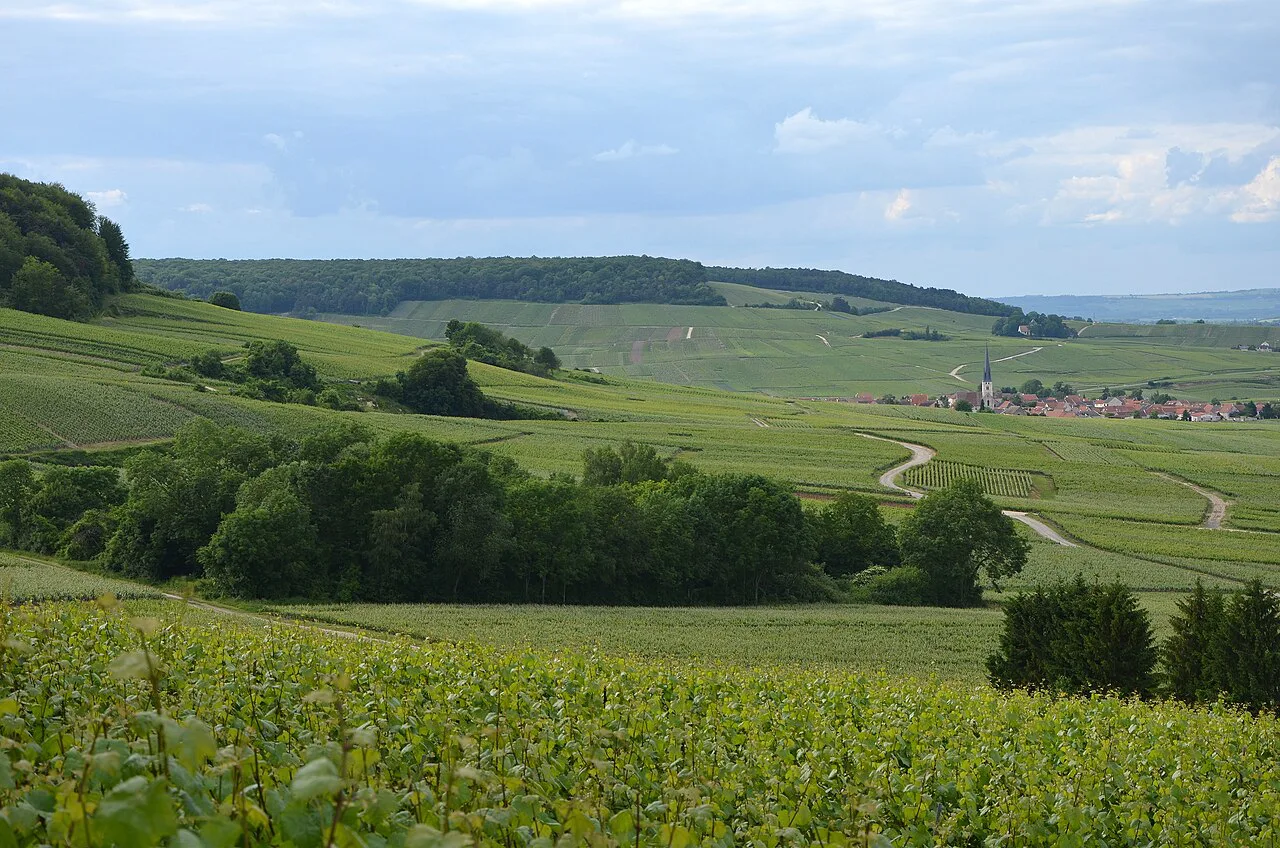
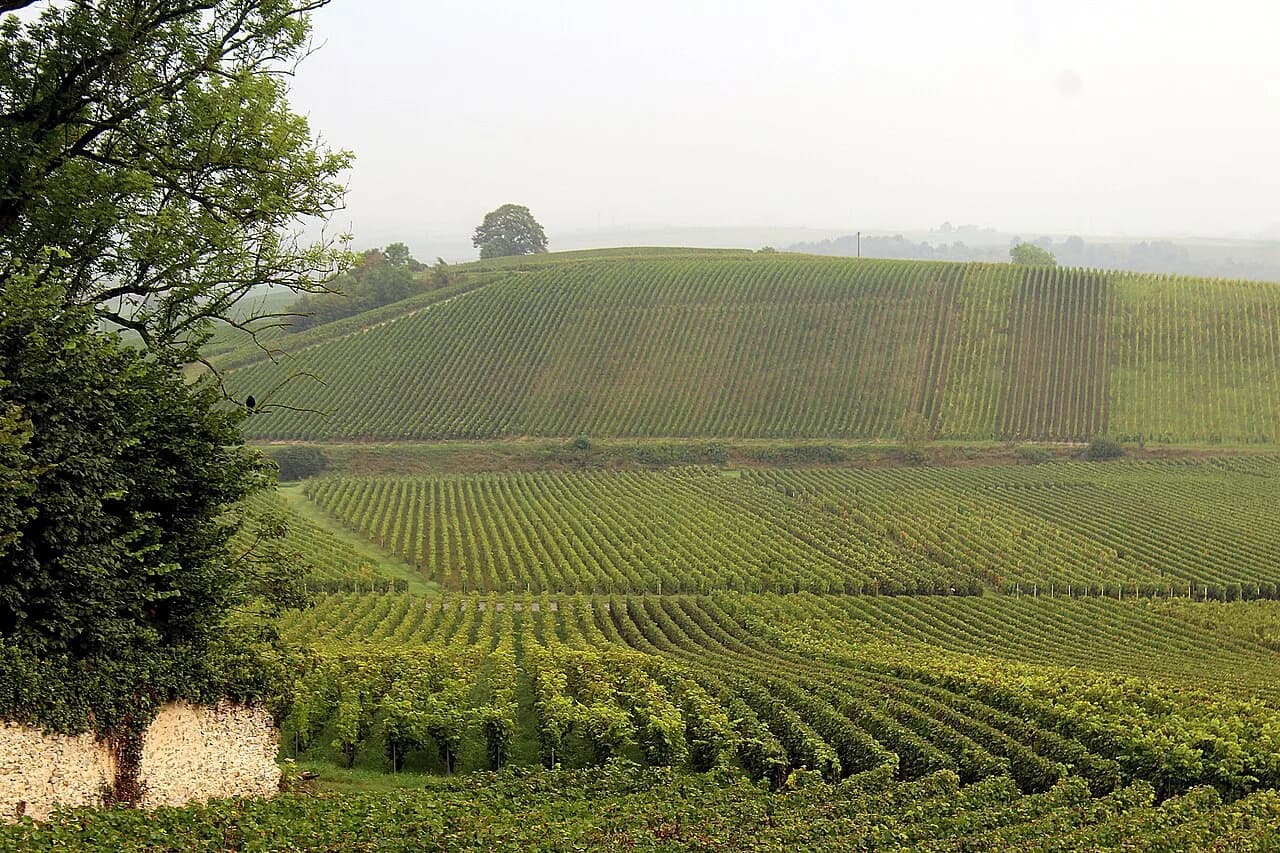
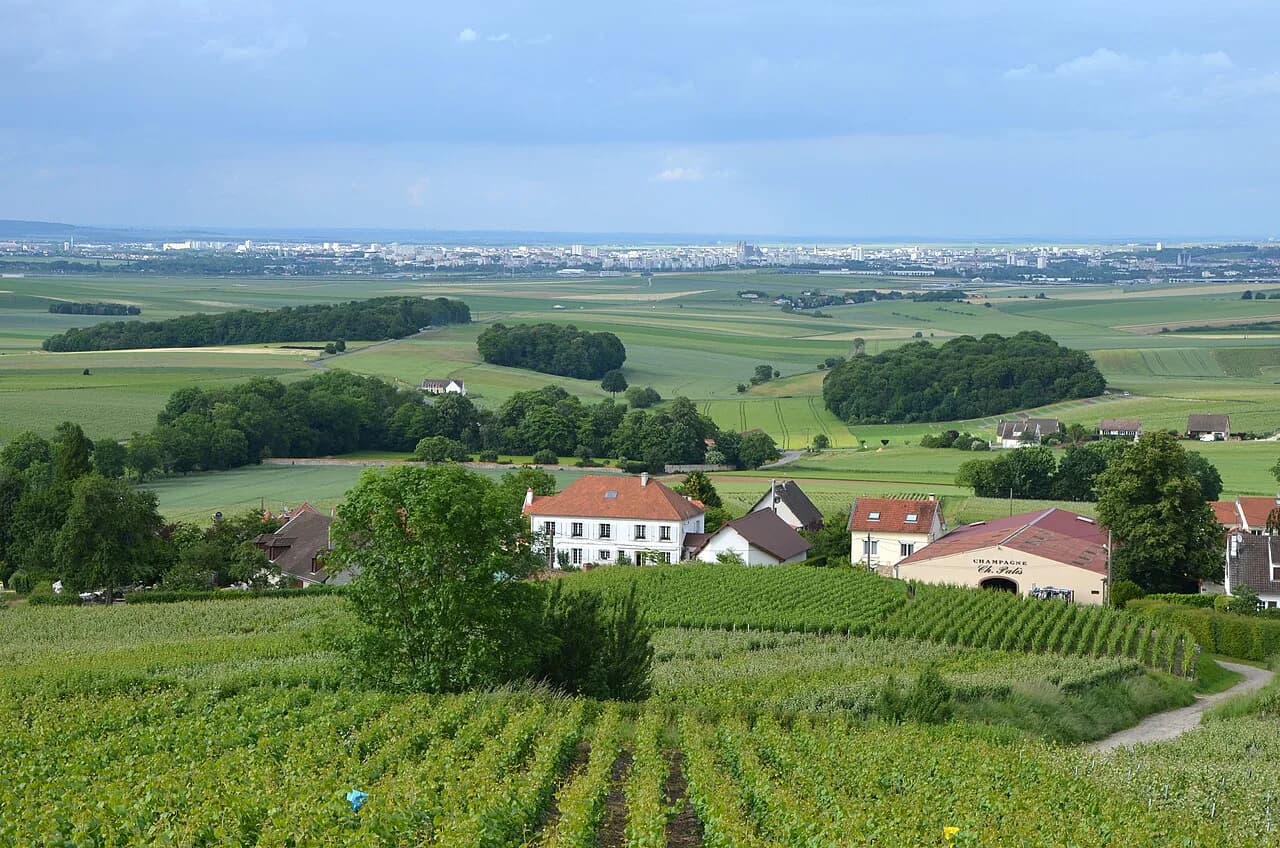
Henriot's vineyards are split between the Montagne de Reims, where Pinot Noir dominates on chalky slopes, and the Côte des Bar, the more southerly, chalk-and-clay district where much of Champagne's Chardonnay and Pinot Noir is grown. Chardonnay for the house also comes from the Épernay area, which places Henriot's sourcing in three distinct zones rather than one village.
For planning purposes this matters more than any single address. The Montagne de Reims is an easy drive or taxi ride south of Reims and can be combined with a morning in the city, while the Côte des Bar is a separate day entirely, better paired with an overnight or a long organized tour. Épernay sits between the two and makes a sensible second base for the southern vineyards. If you prefer to build a trip around village tastings rather than a single city, wine tasting in Colmar offers a comparable small-town base for exploring nearby vineyards.
The House Styles: Brut Souverain, Blanc de Blancs and Brut Rosé
Brut Souverain is the house's flagship non-vintage cuvée, a blend of roughly half Chardonnay with about 45 percent Pinot Noir and the remainder Pinot Meunier, including around 30 percent reserve wine, and it rests more than three years before release. Expect a Champagne in the fresh, bready register rather than an oak-driven style.
The Blanc de Blancs is the Chardonnay-only expression, drawn from the house's chalk-heavy sites, and is the bottle to choose if you want to understand why the Côte des Bar and Épernay-area fruit matter to Henriot. The Brut Rosé moves the other way: a blended rosé in which Pinot Noir from the Montagne de Reims supplies the color and structure, with Chardonnay and Pinot Meunier filling out the middle.
The rosé is described as roughly half Pinot Noir, 40 percent Chardonnay and 10 percent Pinot Meunier, with a dosage of about 9 grams per liter and a recommended serving temperature of 8 to 10 degrees Celsius. That dosage figure tells you it is a dry, aperitif-style rosé rather than a soft, sweet one.
Grape Varieties and Blends in Plain Terms
Champagne's three main grapes do different jobs. Chardonnay brings lift and a chalky edge, Pinot Noir brings body and red-fruit weight, and Pinot Meunier rounds out the blend with early-drinking fruit. Henriot's house style leans on Chardonnay for elegance and on Pinot Noir for backbone, which is why its wines tend to read as precise rather than flamboyant.
If you are tasting several houses in a day, order matters. Start with a blanc de blancs while your palate is fresh, move to a blended brut such as the Souverain, and finish with a rosé, which has the most weight and color. Also note the vintage question: many of the wines you will be offered are non-vintage blends built on reserve wines, so ask what proportion of reserve wine is in the glass if the house does not volunteer it.
Arranging a Henriot Visit: Appointment Culture and What to Ask
Champagne's houses vary enormously in how they receive guests. Large brands run scheduled guided tours with fixed departure times, while smaller family houses, and some large ones, receive visitors only by prior arrangement, often on weekdays and in small groups. Henriot publishes no standard walk-in tour schedule that can be relied on, so the sensible approach is to contact the house directly before you fix your travel dates.
When you write, ask four things: whether visits are possible on your dates, whether the tasting includes a cellar tour, how many cuvées are poured, and whether the visit is in English. Ask about the minimum party size and the cancellation terms at the same time, because small houses may open for a single couple while others require four or six people. A comparison of how the city's cellars handle booking is in our guide to Reims Champagne houses.
Unless the house confirms a published rate, budget for the tasting as an unknown and ask for the price in writing with your confirmation. Some houses quote per person, some per group, and some waive part of the fee against a purchase; the only reliable answer comes from the house itself.
Buying and Tasting Henriot in Reims: The Cave des Sacres Option
If a cellar appointment does not come together, Reims has a concrete alternative for tasting the wines in town. Cave des Sacres, a Champagne shop in the historic heart of Reims, lists the Henriot Brut Rosé at 49 euros a bottle and describes itself as open every day from 9:30 a.m. to 7:00 p.m., with tasting boxes among its services. That makes it a practical stop for a bottle to take home or a short tasting without leaving the city.
Two cautions are worth keeping in mind. The Cave des Sacres is a retailer rather than the Henriot estate, so a visit there is a shop tasting, not a cellar tour. And the same bottle sells for very different sums in different markets: US retail listings for the Brut Souverain, such as the sale price at Flatiron in San Francisco, reflect import and shipping costs and tell you nothing about French shelf prices.
For a wider circuit of tasting rooms and by-the-glass options in the city, our guide to Reims Champagne bars covers where to drink without a booked tour. Buying a bottle from a shop and opening it at your hotel or apartment is often the most economical way to taste Champagne on a short trip.
Tasting boxes, opening days and stock change with the season, so confirm the current offer on the shop's site or by phone before making it the centerpiece of an afternoon.
Getting Around Without Driving: Train, Tour and Taxi Trade-Offs
Champagne's vineyards are villages, not a walkable district, and public transport between them is thin. Reims to Épernay is a short regional train ride, and Épernay is a good jumping-off point for the southern slopes, but the Montagne de Reims villages are poorly served by scheduled buses. That is why most independent visitors either book a driver, join a small-group tour, or limit themselves to houses within the city.
A guided day removes the logistics problem entirely: someone else handles the villages, the bookings and the driving, and you can taste everything poured. The trade-off is cost per person and less control over which houses you see. Our guide to Reims Champagne tours compares the formats, from half-day minivan loops to private driver-guides.
If you plan to visit Épernay as well, the bigger houses there run scheduled tours that are easier to slot into a train-based itinerary than a village appointment. Champagne de Castellane in Épernay is one example of a house set up for drop-in visitors, which makes it a useful anchor for a car-free day.
Taxis exist in Reims but are scarce in the vineyards, and a driver who waits for you through two tastings quickly costs more than a shared tour. Book any return taxi in advance for a village appointment, and agree the pickup time before you start tasting.
What to Taste Alongside Henriot
A good Reims day pairs one appointment with one contrast. If Henriot gives you a Chardonnay-led, terroir-focused view, follow it with a house known for Pinot Noir weight or for a very different cellar style. Grouping by village rather than by brand saves driving: the Montagne de Reims villages cluster within a short drive of each other, while Épernay and the Côte des Bar belong to separate days.
If you would rather not commit to a booked visit at all, a self-guided route through tasting rooms and shops in Reims itself can cover three or four wines in an afternoon without a car. Our roundup of Champagne houses in Reims sets out which cellars take walk-ins and which require reservations.
Serving and Pairing Henriot Cuvées
Serve Champagne well chilled but not icy: the house suggests 8 to 10 degrees Celsius for the rosé, which is roughly 20 minutes in an ice bucket from room temperature. A white wine glass, rather than a narrow flute, lets the bready and citrus notes of a wine like Brut Souverain show more clearly.
For food, the house positions the rosé as an aperitif or a match for red-fruit desserts such as a raspberry millefeuille, a useful cue for a summer evening rather than a full dinner. Brut Souverain's fresh, lemony profile suits oysters, shellfish and simply cooked white fish; the Blanc de Blancs is the more delicate pour and is better with lighter dishes than with rich sauces.
Practical Trip Planning: Season, Harvest and Grouping Villages
Harvest in Champagne generally falls in September, and that is when village roads are busy with fruit trucks and many small houses are too stretched to host visitors. Late spring and early summer are the easiest months for appointments, with long days and vineyard walks, while winter is quiet and cellar visits become the main attraction.
Build your days around one district each: Reims city houses on arrival day, the Montagne de Reims on a driving or tour day, and Épernay or the Côte des Bar only if you have a second full day. Keep one afternoon unbooked for a shop tasting or a walk, and confirm the details of any appointment shortly before you travel.
Plan Your Henriot Visit
Champagne Henriot rewards travelers who plan ahead: contact the house directly about visits, ask what the tasting includes and what it costs, and treat any unreserved cellar stop as unlikely. In town, Cave des Sacres gives you a confirmed way to taste the rosé and pick up bottles, with published opening hours and a listed bottle price for orientation.
However you travel, sort out transport before the first glass, because the villages are not built for spontaneous arrivals. Spittoons, a designated driver, a booked tour or the train back to Reims all do the same job, and one of them should be part of the plan before you taste.
Frequently Asked Questions
Is Champagne Henriot open for visits and tastings?
The house has not published a standard visitor schedule that can be relied on, with fixed tour times, group sizes or rates. The reliable route is to contact Champagne Henriot directly before you fix your dates and ask whether visits are possible, whether a cellar tour is included, how many cuvées are poured and whether the visit is in English. Ask about minimum party size and cancellation terms in the same message, since small family houses often have specific conditions.
Where is Champagne Henriot based, and how do I get there from Reims?
Henriot is a Reims house, and its vineyards are spread across the Montagne de Reims, the Épernay area and the Côte des Bar rather than sitting in a single village. From Reims, the Montagne de Reims is reachable by car, taxi or an organized tour, while the Côte des Bar is a separate, longer day. Public transport between vineyard villages is thin, so a booked driver or small-group tour is the practical car-free option; confirm the meeting point and pickup time with whoever arranges the visit.
What grapes are in Henriot Brut Souverain and Brut Rosé?
Brut Souverain is roughly half Chardonnay, about 45 percent Pinot Noir and the rest Pinot Meunier, with around 30 percent reserve wine in the blend, and it rests more than three years before release. The Brut Rosé is about half Pinot Noir, 40 percent Chardonnay and 10 percent Pinot Meunier, with a dosage of about 9 grams per liter and a recommended serving temperature of 8 to 10 degrees Celsius. The Blanc de Blancs is the Chardonnay-only cuvée.
Can you buy Henriot Champagne in Reims without a cellar appointment?
Yes, through retail rather than the estate. Cave des Sacres, a Champagne shop in the historic heart of Reims, lists the Henriot Brut Rosé and offers tasting boxes, which makes it a workable substitute for a cellar tour if an appointment does not come together. Because it is a shop rather than the Henriot estate, opening days and stock can change with the season, so confirm the current offer on its site or by phone before building an afternoon around it.
How much does Henriot Champagne cost?
Prices depend heavily on where you buy. Cave des Sacres lists the Henriot Brut Rosé by the bottle in Reims, while US retail listings for the Brut Souverain reflect import and shipping costs and say nothing about French shelf prices. For the cellar-gate figure and any tasting fee, ask the house directly when you request a visit, and ask for the price in writing with your confirmation.
Sources
Notes for your next wine trip
Optional updates to our winery and wine-town guides.
You might also like
Continue reading
More guides you'll find useful