Champagne Tours from Reims: Houses, Growers and Minivan Days
Plan a Champagne tour from Reims without a car: compare walkable grand-marque cellars with small-group grower minivan days, published prices and booking rules.
On this page
Reims is the rare wine city where you can taste Champagne without ever leaving town: several grand-marque cellars sit within walking or short taxi range of the cathedral, and their crayères are open to visitors on scheduled tours. The surrounding cru villages, where grower families work small plots, are another matter entirely and need wheels or a guided minivan. Deciding between those two experiences is the single most useful choice you will make when planning a Champagne day.
This guide separates what you can book on foot from what requires transport, compares published ticket prices with per-person guided tour rates, and explains how to reach the vineyards when nobody in your group wants to drive. Prices and seasonal calendars shift, so treat every figure here as the house or operator's posted starting point rather than a fixed rate.
Why Reims Works as a Champagne Tasting Base
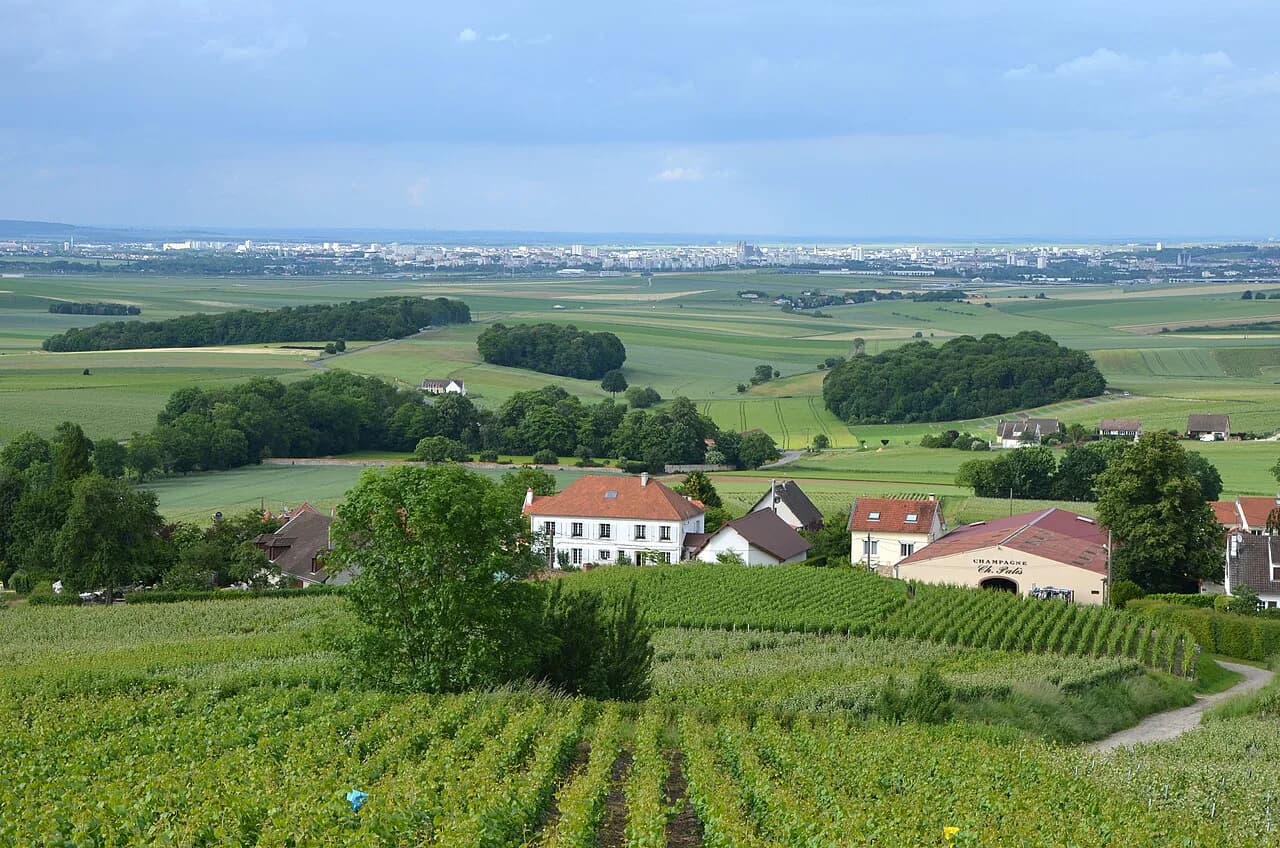
The city's advantage is geography. The big houses cluster around the center and the Saint-Nicaise hill, so a morning cellar tour and an afternoon tasting can be done on foot or with one short cab ride. The vineyard belt starts just beyond the city limits, in villages such as Rilly-la-Montagne and Ludes on the Montagne de Reims side. For a broader survey of what is on offer in town, see this guide to wine tasting in reims.
Champagne itself is a blended sparkling wine built mainly on Chardonnay, Pinot Noir and Meunier, grown across four subregions: the Montagne de Reims, the Vallée de la Marne, the Côte des Blancs and the Côte des Bar. Reims sits at the northern edge of the Montagne de Reims, where Pinot Noir dominates the plantings. Knowing that helps you choose: a city house tour teaches method and history, while a village visit shows you the vineyard landscape behind the blend.
The Three Realistic Formats
First, the city house tour: you book a timed slot, walk or taxi to the cellar, descend into chalk galleries and taste a set lineup. Second, the pre-booked grand-marque experience, which may include a vineyard stroll, a picnic or a café stop on the estate. Third, the guided minivan day, which collects you in Reims and drives you between grower families and, on request, larger houses.
Most travelers mix at least two formats across a trip. A common pattern is one city house on arrival day, a full guided day in the villages, and a final short tasting before the train home. The trade-off is time: a house tour rarely runs beyond two hours, while a minivan day consumes most of a day but covers several producers.
Grand-Marque Cellars in Reims: Locations, Lengths and Published Prices
Veuve Clicquot runs its visitor center at 1 Rue Albert Thomas, about a 30-minute walk from the city center and roughly 10 minutes by car from Reims Champagne-Ardenne station. Its published lineup starts with a one-hour Brut Yellow Label cellar tour and tasting, then moves through longer and more expensive options up to a four-hour La Grande Dame experience. Tickets, seasonal opening windows and the posted calendar are listed on the Veuve Clicquot visit page.
Taittinger's cellars sit at 9 Place Saint-Nicaise, close to the center, and its Roman chalk quarries are among the reasons the Saint-Nicaise hill is inscribed on the UNESCO World Heritage list. Pommery, on the Vranken-Pommery domain, publishes tours seven days a week, and Mumm and Lanson both operate visitor circuits in the city. Starting prices from a third-party booking platform range from around 30 euros at Pommery to about 40 euros at Taittinger, while Boizel in Épernay also starts around 40 euros; those are reseller starting figures rather than official house rates.
A dedicated Champagne Houses in Reims overview is useful if you want to compare the cellars themselves rather than the tour logistics. Book the popular houses well ahead: Veuve Clicquot sells timed slots and asks guests to note accessibility needs at the time of booking, and its public tours can be reached at visitscenter@veuve-clicquot.fr or +33 (0) 3 26 89 53 90.
For a closer look at one of the most rewarding city cellars, a Taittinger Tour in Reims pairs the Place Saint-Nicaise address with the house's chalk quarries and a seated tasting.
Grower and Village Visits: What a Minivan Day Covers
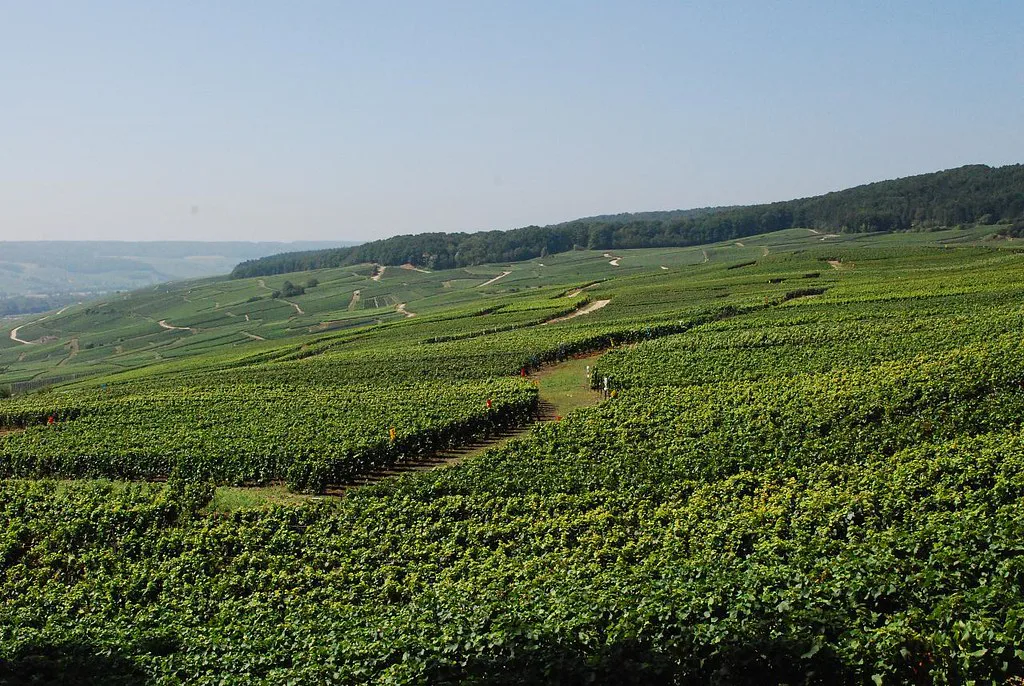
Guided days out of Reims concentrate on the Montagne de Reims and the Vallée de la Marne, stopping in cru villages where family growers receive visitors in small cellars. Sparkling Tour, based in Reims, describes its standard itineraries as grower-focused, with cellar tours and tastings of six to ten Champagnes plus a drive through the vineyards. Larger houses are available on request within private or tailor-made bookings rather than as the default.
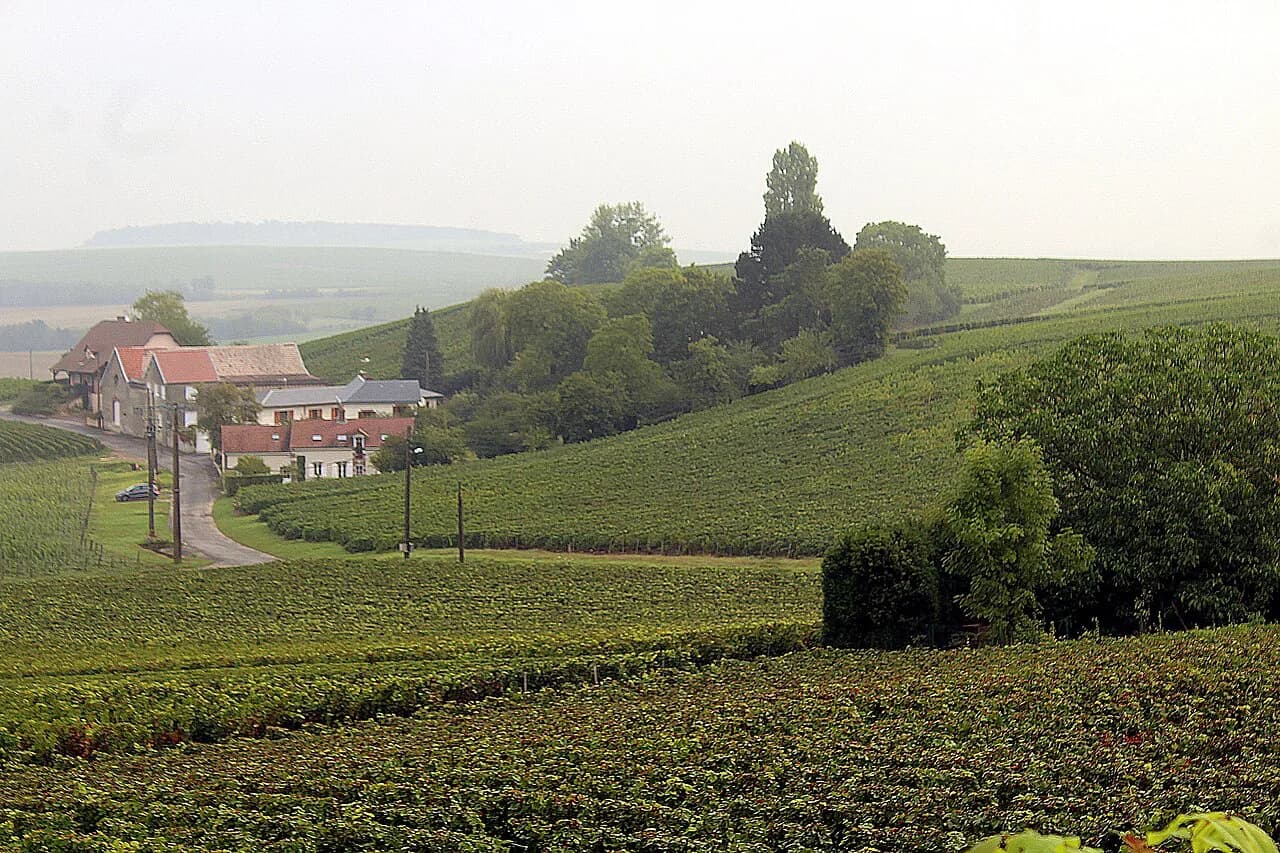
Independent growers around Rilly-la-Montagne, Chigny-les-Roses, Ludes and Villers-sous-Châtillon appear on booking platforms with starting prices from 17 to 30 euros per person, and several are organic or family-run operations with cellars far smaller than the grand marques. A Montagne de Reims day therefore trades spectacle for intimacy: you see fewer meters of chalk gallery but often meet the person who made the wine.
Note that village visits almost never work on foot. Distances between crus are short on a map but poorly served by scheduled transport, and no source here establishes a public bus line to specific growers. That is the practical case for a minivan day or a driver.
Small Group, Private or Tailor-Made: Comparing Guided Formats
Sparkling Tour publishes a small-group half day at 105 euros per person and a full day at 210 euros per person, with private tours starting from the same figures and tailor-made days quoted individually with lunch included. The half and full day formats include a family grower cellar visit, six to ten Champagnes and a drive through the vineyards, with pickup from your Reims or Épernay hotel or the station.
Private formats suit groups of three or four who want to add a named grande marque to the itinerary, since Sparkling Tour handles those requests case by case. Small-group days cost less per head but follow a fixed route and fixed timing. Tailor-made days cost more and require you to state priorities in advance, such as a specific village or a preference for organic growers.
Pickup from Paris is possible on request at extra cost, though the TGV from Paris to Reims takes about 45 minutes, making a Reims-based start simpler and cheaper for most travelers.
What a Typical Guided Day Includes
Expect a morning departure from your hotel or the station in an air-conditioned minivan, a first cellar visit with an explanation of pressing, fermentation and the second fermentation in bottle, and a tasting of several cuvées. A vineyard drive or stop usually follows, then a second producer in a different village. Lunch appears in tailor-made packages but not necessarily in standard half days, so confirm what is included when you book.
Tasting sizes are modest by design, and most cellars provide spittoons. Ask in advance whether a non-tasting seat is available for a driver, since group tours generally price every passenger the same.
Costs in Context: House Tickets vs Guided Rates
A city house tour is the cheapest way to get underground: published starting prices on reseller pages range from about 20 euros at Charles de Cazanove to around 40 euros at Taittinger, with Veuve Clicquot's own site listing its shortest cellar tour at 36 euros and its longest experience at 260 euros.
Guided days cost more because transport, a driver-guide and multiple visits are bundled: around 105 euros per person for a half day and 210 for a full day at Sparkling Tour.
Weigh breadth against depth. Two city house tours might cost less than one minivan day, but they will not take you into the vineyards or introduce you to a grower. A minivan day costs more than a single grand-marque ticket but covers several producers and removes the transport problem entirely. If you are weighing a different wine region for the same kind of day, this guide to wine tasting in Dijon offers a useful comparison.
Getting to Reims and Around Without a Car
The TGV from Paris puts Reims roughly 45 minutes away, and the Champagne-Ardenne station is a short taxi ride from most central cellars. Veuve Clicquot notes a 10-minute drive from that station and a 30-minute walk from the city center, which gives a realistic sense of scale. Once in town, the main houses around Place Saint-Nicaise and the center are walkable, and taxis cover the rest.
For Épernay, the Avenue de Champagne holds a dense row of houses including Mercier, Boizel and Comtesse Lafond, all listed on the booking platform. If you want to compare the two towns, see this guide to Epernay Champagne Houses from Reims before committing your day.
Cycling is viable within Reims itself, and some operators offer e-bike vineyard tours, but the cru villages involve real climbs on the Montagne de Reims. A driver who does not taste, a guided tour or a taxi are the sensible alternatives to self-driving after a tasting.
Going Independent vs Booking a Tour
Independent travel gives you flexibility and lower per-stop cost, but it demands planning: timed tickets at the big houses sell out, and growers often receive by appointment only with small party minimums. You also need to solve transport between villages, which is where independent plans usually collapse.
A guided tour solves scheduling and transport in one booking and adds interpretation, at the cost of fixed departure times and a shared vehicle. Private tours restore flexibility for a higher per-person rate, and tailor-made formats let you name the houses you want if you book far enough ahead. Choose the tour if your time in Reims is one or two days; go independent only if you have a car and a driver who abstains.
Booking Logistics and Seasonal Closures
Grandes marques run on posted seasonal calendars rather than year-round hours. Veuve Clicquot, for example, publishes a winter closure and a reopening schedule that changes by month, with closures on May 1, December 25 and January 1.
Growers keep looser but more restrictive schedules, often closing during harvest in early autumn and on Sundays. When you email, ask three things: the languages the guide speaks, how many Champagnes are poured, and whether the visit includes the cellar or only a tasting room. Fill those details in from the house itself once, close to your date, rather than relying on a reseller page.
Which Option Fits Your Day
First-timers should take one grand-marque cellar tour for the crayères and the method, then add a half-day minivan for contrast. Serious Champagne drinkers will get more from a full grower day plus one prestige tasting at a house such as Veuve Clicquot or Bollinger in Aÿ-Champagne, where the platform lists entry from about 115 euros for the latter.
Couples with a single day often prefer a private half day, which keeps the pace relaxed and allows a lunch stop. Travelers arriving from Paris on the first train should book an afternoon house tour only, since a full minivan day will not fit around the return journey.
Practical Notes and a Pre-Trip Checklist
Anyone driving should not taste: use the spittoons, nominate a designated driver, or book a tour or taxi instead. Cellars stay cool year-round, so bring a layer even in summer, and wear shoes that cope with damp chalk stairs.
Before booking, match your party size against minimums, check the cancellation terms on the producer's own website, and keep the house's email or phone number handy. Ask whether your chosen date falls inside a posted closure, and give yourself a buffer between a cellar tour and a train departure.
Plan Your Reims Champagne Day
Reims lets you taste in UNESCO-listed cellars in the morning and stand in a grower's vineyard by afternoon, but only if you choose the right format. Book a city house for depth and history, and a small-group or private minivan day when you want breadth, villages and someone else at the wheel.
Use the published prices in this guide as a starting point, then check the current calendar on the house or operator's own page before you commit. A short email to the cellar or tour company resolves most of the remaining uncertainty about timings, languages and group minimums.
Frequently Asked Questions
Can you walk from Reims city center to Veuve Clicquot?
Yes. Veuve Clicquot describes its visitor center at 1 Rue Albert Thomas as about a 30-minute walk from the city center and a 10-minute drive from Reims Champagne-Ardenne station. The walk is flat and manageable in dry weather, though a taxi is quicker if you are carrying luggage or heading straight to a timed tour.
Do you need a car for Champagne tours from Reims?
No. The main grand-marque cellars are within walking or short taxi distance of the center, and guided minivan days collect you from your Reims hotel or the station and handle all driving between villages. A car is useful only if you want to visit growers independently on your own schedule.
Is it better to base in Reims or Épernay?
Reims suits travelers arriving by TGV from Paris, with more city cellars reachable on foot. Épernay concentrates houses along the Avenue de Champagne and sits closer to the Côte des Blancs vineyards. Many visitors do both, staying in Reims and taking a guided day that includes villages on either side.
How far in advance should you book a Champagne cellar tour?
Book the big houses as soon as your dates are fixed, especially for weekend slots and prestige tastings, because tours run to timed capacity. Grower visits require direct contact and often a small party minimum, so allow at least a few weeks. Private and tailor-made minivan days should be requested well ahead if you want specific producers included.
How many Champagnes do you taste on a guided day?
Sparkling Tour describes its grower-focused itineraries as including tastings of six to ten Champagnes, spread across the producers visited. Individual house tours pour a smaller set defined by the ticket you buy. If a specific number matters to you, ask the tour company or house directly, since menus change.
Are Champagne tours worth it compared with visiting independently?
Guided days solve transport between villages and add interpretation, which is the main practical obstacle to independent travel in the cru villages. Independent visits cost less per stop but need timed bookings and a driver who abstains. If your time in Reims is short, a half or full guided day usually delivers more producers with less friction.
What should a non-drinking driver do during a tasting?
Most cellars provide spittoons, and group tours generally price every passenger the same whether or not they taste. Ask in advance whether a non-tasting seat or a reduced rate is available, and use taxis or public transport for a night out in the city so nobody has to choose between tasting and driving.
Sources
Notes for your next wine trip
Optional updates to our winery and wine-town guides.
You might also like
Continue reading
More guides you'll find useful