Charles Heidsieck: Reims House Visit and Crayères Guide
Plan a visit to Charles Heidsieck in Reims: the blend-led house, its chalk crayères, the Champagne Charlie story, and how it differs from Piper-Heidsieck.
On this page
Charles Heidsieck is one of Reims's established Champagne houses, founded in the city in 1851, and the reason to put it on a short list is specific: a winemaking style built on blending across many villages, matched to an unusually large chalk cellar network known as the Crayères. A visit here is an underground and in-glass experience rather than a walk through vineyards, which suits anyone basing a Champagne trip in Reims.
This guide covers what the house is known for, the wines you are likely to encounter, the founder story behind the Champagne Charlie cuvée, and the practical decision of Charles Heidsieck versus Piper-Heidsieck. It sticks to what the house and published sources actually state, and points you to the official contact page for booking rather than quoting tour times or rates that change.
Where Charles Heidsieck Sits in Reims
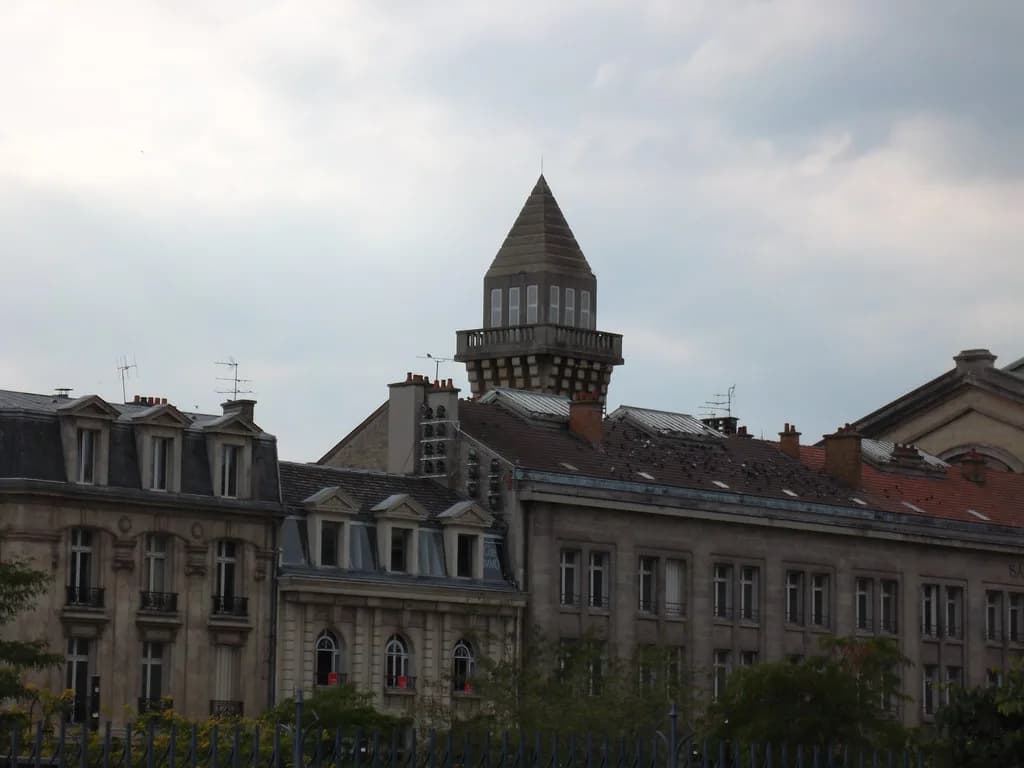
The house is based in Reims, not on a vineyard estate, so the visit centers on cellars and a tasting rather than a drive between parcels. That shapes your day: you are in an urban Champagne house, and the logistics revolve around the city rather than the surrounding countryside.
For orientation, treat the Maison's own site as the authority on where it receives visitors and how to reach it, since addresses and access arrangements are the kind of detail that shifts. The site also carries its contact form, which is the right place to open a booking conversation.
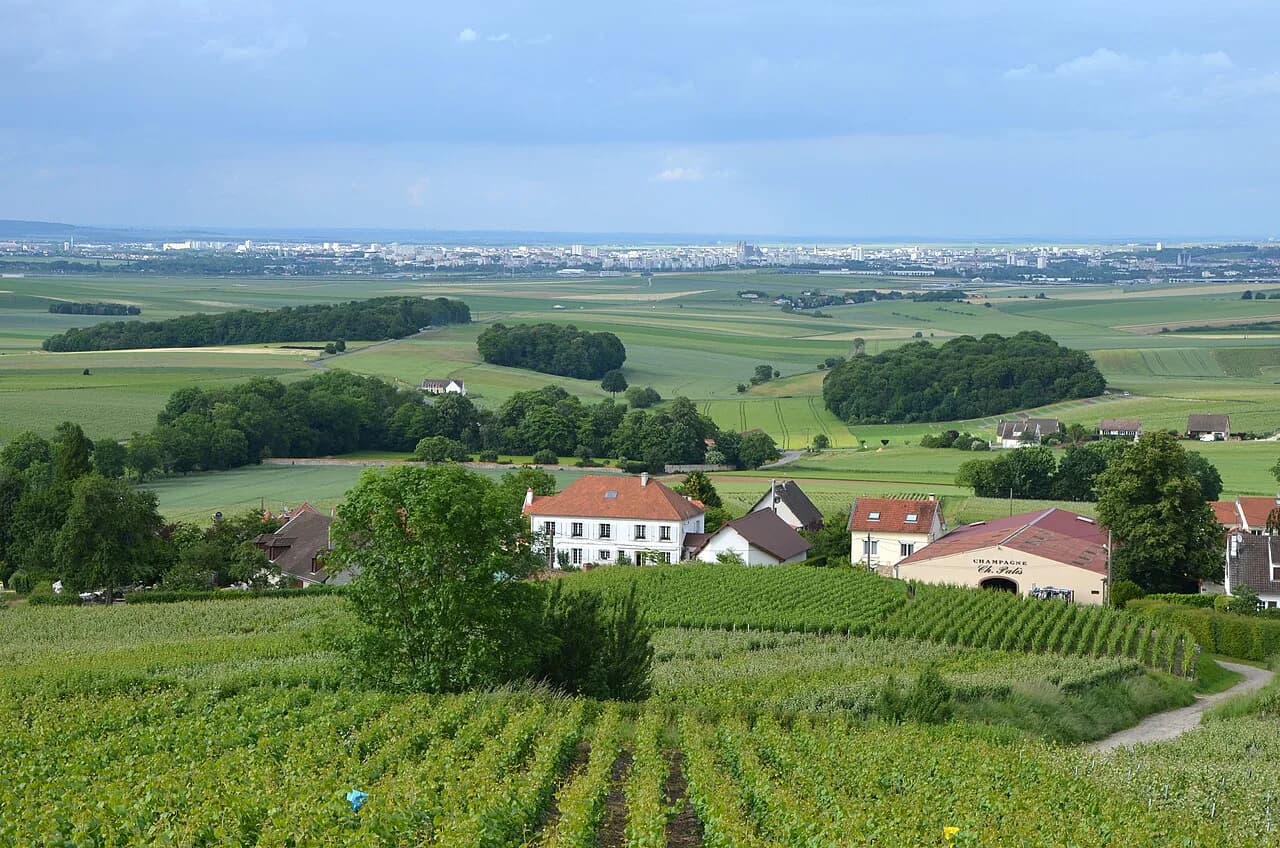
The wider Champagne region splits into districts, and Reims sits at the edge of the Montagne de Reims, the wooded ridge associated with Pinot Noir. If you want to add vineyard time to a cellar visit, plan that as a separate half-day rather than expecting it at a city house.
What the House Is Known For
Charles Heidsieck built its reputation on blending rather than on promoting a single cru, and that philosophy still defines the range. Third-party product data for the Brut Réserve describes a blend limited to around 60 crus, roughly 40 percent Pinot Noir, 40 percent Chardonnay and 20 percent Meunier, with a substantial share of reserve wines in the mix.
That reserve-wine proportion is the practical thing to look for if you want to understand the house style before you travel. The same listing notes more than 36 months of ageing in chalk cellars for the Brut Réserve, which connects what you taste in the glass to what you walk through underground.
The house's own site sets out the full range, from non-vintage Brut and Rosé through Blanc de Blancs and vintage Millésimé releases to Blanc des Millénaires and Champagne Charlie. Reading that list before you book helps you decide whether a broader or a more focused tasting matters more to you, and which cuvées you would most like to taste in the cellars.
The Crayères Explained
The Crayères are the reason to go underground here. The house bought the chalk cellars in 1867; the galleries themselves date back to the third century, run roughly five miles in total, sit about 100 feet below ground and hold several million bottles.
Knowing those numbers changes how you plan the visit: this is a substantial network of galleries, not a single small cave, so allow real time for the underground portion and wear something warm, since deep chalk cellars stay cool year-round. Ask when you book whether the cellar route involves stairs or uneven ground if anyone in your party has mobility concerns.
If chalk cellars are the draw, Reims has other houses with comparable underground networks, and comparing them is a sensible way to spend a second day. A Taittinger tour is a natural pairing because it puts another set of historic crayères in the same trip, and travelers weighing a longer trip can use wine tasting in Dijon to compare cellar visits in Burgundy.
The Wines You May Meet
Expect the range to be represented by the Brut Réserve as the entry point, with the Rosé Réserve alongside it, then Blanc de Blancs for a Chardonnay-focused pour. Above those sit vintage releases, Brut Millésimé and Rosé Millésimé, and the prestige cuvées Blanc des Millénaires and Champagne Charlie.
Which of these appear in a given tasting depends on the format you book, so the useful question when you write is which cuvées the tasting includes and whether the top wines are poured or only shown. That is more valuable than asking for a fixed list, because flight composition changes with the season and the stock in the cellar.
A single-village still wine, Coteaux Champenois from Ambonnay, also appears in the house portfolio, which is worth knowing if you want to taste Champagne beyond bubbles. Mention it when you inquire if that interests you.
Champagne Charlie: The Founder and the Cuvée
The founder, Charles-Camille Heidsieck, was born in 1822 and started his own house in 1851 rather than staying inside the family firm. He sailed for Boston in 1852 and set out to build an American market, with a stated ambition of selling 300,000 bottles overseas, a target he had surpassed by 1861.
American customers gave him the nickname Champagne Charlie, and his later years were eventful: he was accused of being a Confederate spy during the Civil War and was briefly a landowner in Denver. He died in 1893, and the house now makes a cuvée named for him.
The Champagne Charlie cuvée first appeared in 1979, was discontinued in 1985 and was relaunched in 2022, two centuries after the founder's birth. The current version draws on reserve wines, some aged on the lees for up to 25 years, which is the concrete link between the story and what is in the bottle.
Untangling the Heidsieck Name
The Heidsieck name appears on more than one Champagne label, which causes real confusion when people book. The original house was founded in 1785 by Florens-Louis Heidsieck and Agathe Pertois; it later split into Heidsieck & Co. Monopole and Piper-Heidsieck after a partnership with Henri-Guillaume Piper in 1838, and Charles Heidsieck was Florens-Louis's grand-nephew.
For planning purposes, that means the three names are separate businesses with separate cellars and separate booking systems. If you want to compare them, treat each as its own appointment and confirm which house you are writing to before you send a date request.
Charles Heidsieck vs Piper-Heidsieck
If you have time for only one Reims house, the decision comes down to format and style rather than prestige. Both share family history, but they are distinct operations, so look at what each one publishes about its visit, then choose based on whether you want a specific cellar experience or a specific range of wines.
A practical approach is to anchor the day on Charles Heidsieck for the Crayères and the blend-led wines, then add a second house within Reims if energy and budget allow. Public transport, a taxi, or a guided tour removes the driving question between appointments.
Booking a Visit
Reims runs on appointments, so start with the house's official contact page rather than a third-party reseller. Write with your preferred dates, party size, and whether you want a cellar tour included, and ask what languages the visit is offered in.
Ask three questions in the same message: how long the visit lasts, what the tasting includes, and whether there is a minimum party size or a set time slot. Those answers determine whether the visit fits a tight train schedule or needs a half-day.
Weekday slots are generally easier to secure than weekends, and harvest season is the least predictable window because cellar teams are busy. Confirm current details directly with Charles Heidsieck before you build a trip around a specific date.
Getting There and Building a Day
Because the house is in Reims rather than out among the vines, you can reach it without a car: walk from the center if you are staying centrally, take a taxi, or use a bike. That makes Charles Heidsieck easy to combine with other city houses and with Champagne bars in the same afternoon.
A workable two-house day pairs an underground cellar visit in the morning with a tasting room or bar in the late afternoon, leaving a proper lunch in between. If you would rather hand the logistics to someone else, a guided tour covers transport and appointments in one booking.
Anyone driving should not taste: use the spit buckets, nominate a designated driver, or book a tour or public transport instead. It is a simple rule that keeps a Champagne day enjoyable for the whole group.
Taste Before You Travel
The Brut Réserve is the sensible first bottle if you want to decide whether the house style suits you before booking. As a US retail reference point, one listing prices it at $75, which is a shop price rather than a cellar-door or French price.
On the back label, look for disgorgement information and any note about reserve wines, which tells you how the bottle relates to the house's blending approach. That reading habit is more useful than memorizing scores, and it carries over to whatever you taste in Reims.
Plan Your Visit
Charles Heidsieck rewards planning: ask the house directly about dates, tasting formats, and cellar access, then build the rest of the day around Reims itself. The Crayères are the strongest reason to go, and understanding the blend-led approach makes the tasting more than a parade of labels.
If you are still choosing between houses, compare published visit formats rather than reputations, and remember that the Heidsieck name covers three separate businesses. Book early, go for the cellars, and taste a bottle at home first if you want a preview.
Frequently Asked Questions
Can you visit Charles Heidsieck in Reims?
Charles Heidsieck is based in Reims and receives visitors by arrangement, so the right first step is the official house site, which carries a contact page for inquiries. Ask about available dates, what the visit includes, and whether the chalk cellars are part of the route. The house publishes its own range and cellar information, and that is the reliable source for visit formats.
How do you book a tour of the Charles Heidsieck crayères?
Contact the house through its official website rather than a reseller. In your message, give your preferred dates, party size, and whether you want the underground cellars included, and ask about the languages offered and any minimum party size. Reims works on appointments, so write before you fix your travel dates.
What is the difference between Charles Heidsieck and Piper-Heidsieck?
They are separate houses with shared family history. Florens-Louis Heidsieck founded the original house in 1785, and it later split into Heidsieck & Co. Monopole and Piper-Heidsieck after a partnership with Henri-Guillaume Piper in 1838. Charles Heidsieck, founded in 1851 by Florens-Louis's grand-nephew, is its own business with its own cellars and booking process.
Why is Charles Heidsieck called Champagne Charlie?
The nickname refers to the founder, Charles-Camille Heidsieck, who built a market for his Champagne in the United States in the 1850s and was known for his charm. American customers gave him the name. The house later created a prestige cuvée called Champagne Charlie, first released in 1979, discontinued in 1985 and relaunched in 2022.
How long are Charles Heidsieck wines aged in the chalk cellars?
Ageing varies by cuvée. Third-party product data for the Brut Réserve notes more than 36 months of ageing in chalk cellars, while the current Champagne Charlie blend includes reserve wines aged on the lees for up to 25 years. Ask the house about the specific cuvée you plan to taste.
What wines does Charles Heidsieck make?
The range includes Brut Réserve and Rosé Réserve, Blanc de Blancs, vintage Brut Millésimé and Rosé Millésimé, the prestige cuvées Blanc des Millénaires and Champagne Charlie, and a Coteaux Champenois from Ambonnay. Which wines are poured depends on the tasting format, so ask when you book.
Where are the Charles Heidsieck cellars located?
The Crayères are in Reims beneath the house. The chalk galleries date back to the third century and were purchased by the house in 1867; they run roughly five miles, sit about 100 feet below ground and hold several million bottles. Confirm access details with the house when you arrange your visit.
How should I get to Charles Heidsieck without driving?
The house is in Reims, so walking from the city center, a taxi, a bike or a guided tour all work. If you plan to taste, leave the car behind: a driver should not taste, so use spittoons, a designated driver, a tour or public transport.
Sources
Notes for your next wine trip
Optional updates to our winery and wine-town guides.
You might also like
Continue reading
More guides you'll find useful