Champagne Houses Reims: Which Cellar Tour to Book
Reims is Champagne's cellar capital. Compare big houses and small growers, tour formats, booking rules, and how to reach the houses without a car.
On this page
Reims is the practical base for anyone who wants to tour Champagne cellars without spending the day in a car. The city sits above a network of chalk quarries, the crayères, that the grand houses converted into cellars, and the Montagne de Reims vineyard arc begins just south of town. That combination means you can walk between major houses in the center and still reach vineyard villages in under half an hour by road.
The trade-off is choice: a grand house delivers spectacle and scale, a small grower delivers conversation and context, and most visitors only have time for two or three visits in a day. Decide what you want from the cellar first, because tour formats and booking channels differ sharply between the two, and the same grand-house-versus-grower choice shapes wine tasting in Dijon.
Why Reims Works as a Champagne Base
The city's cellar district grew out of its chalk subsoil, which holds a steady temperature and humidity for aging wine. Several houses in the center sit directly above their crayères, so a tour is often a short walk from the street rather than a drive into the vineyards. That density is what makes Reims unusually easy to visit on foot.
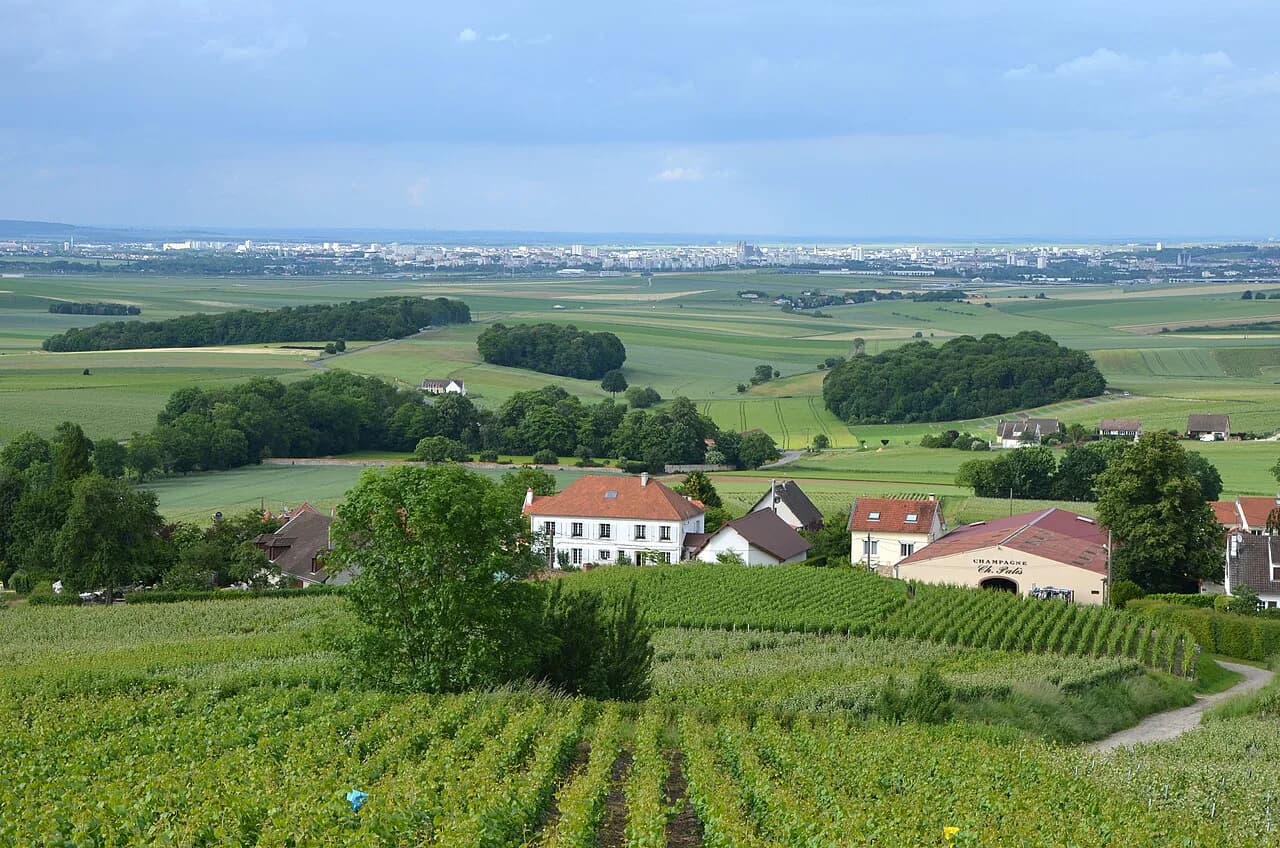
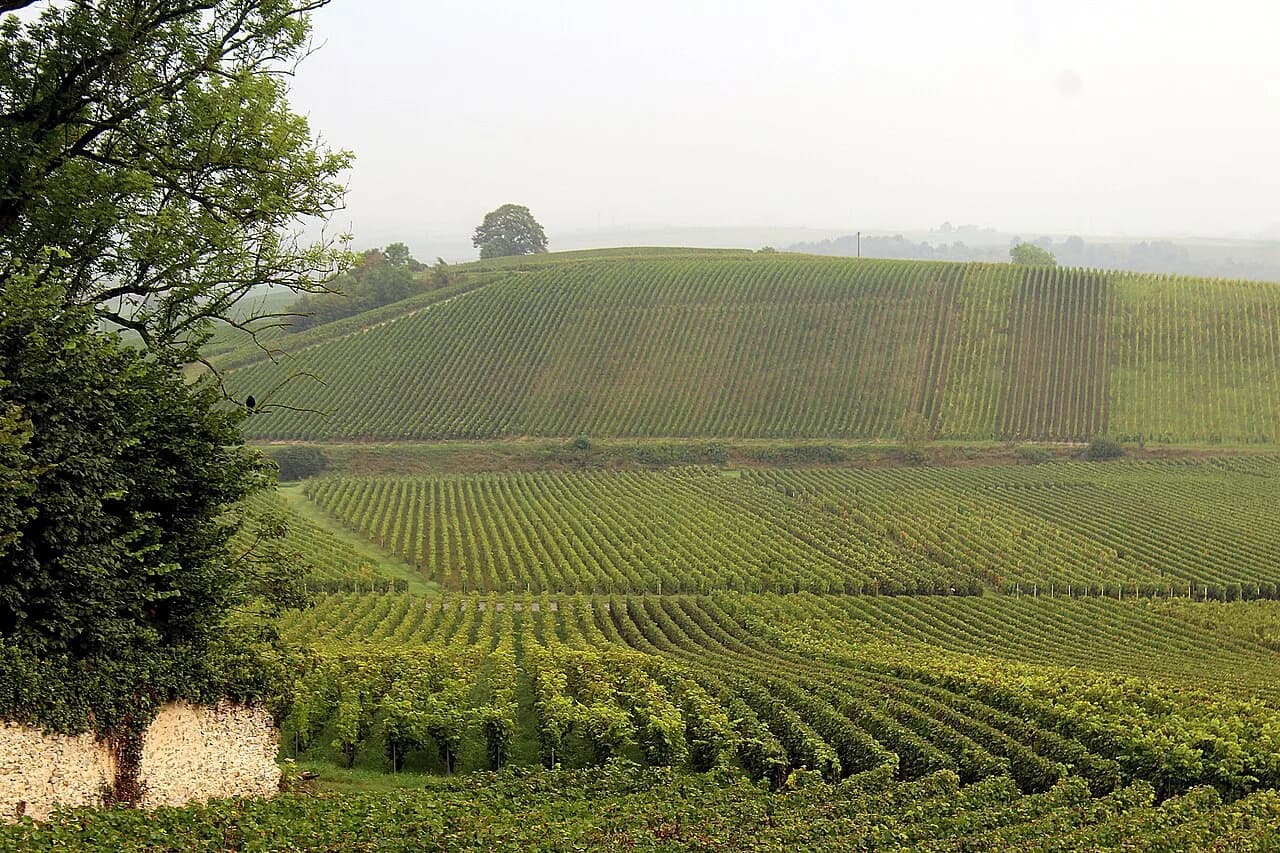
Around the city, the Montagne de Reims forms a wooded ridge with villages and Premier and Grand Cru sites on its slopes. Growers and cooperatives there receive visitors by appointment, and the driving distances are short once you leave the city ring. Grouping a morning of cellar tours with an afternoon in a village like Chigny-les-Roses or Rilly-la-Montagne is a workable shape for a day.
Travelers comparing bases should know that Épernay concentrates houses along a single celebrated avenue, while Reims spreads them through a working city with a cathedral, restaurants and a train station at its edge. If your priority is walking between cellar tours, Reims has the edge; if it is a compact strip of tasting rooms, look at Épernay.
Big House vs Grower: What Each Visit Delivers
A big-house tour in Reims is built around the cellars themselves: you descend into chalk galleries, hear how the house blends across vintages and vineyards, and finish with a seated tasting. The scale is the point, and the storytelling is polished because these houses host visitors constantly. Book this format if you want the architecture and the history in one contained visit.
A grower visit runs on a different rhythm. You are usually received by the family or a member of the team, the cellar may be small enough to see in minutes, and the conversation turns on parcels, vintages and dosage rather than house style. The trade-off is comfort and predictability: fewer languages, tighter availability and less polished visitor infrastructure.
A sensible split for a first trip is one grand house in the morning and one grower in the afternoon, which gives you the contrast without overloading your palate. If you only have one slot, choose the grand house for a first visit to Champagne and the grower for a return trip.
Taittinger: The Saint-Nicaise Chalk Cellars
Taittinger is one of the Reims houses travelers most often plan around, and its cellars are cut into the chalk beneath the Saint-Nicaise area of the city. A visit is a cellar tour plus a tasting rather than a vineyard walk, so it fits neatly into a city day. The house appears repeatedly on the Reims tour circuit, which makes it easy to combine with other stops nearby.
Tour formats, tasting levels and the length of the visit are set by the house and published on its own booking pages, so compare the options there before committing. Plan on arriving a little early, since cellar tours run to a schedule and latecomers are often folded into a later slot.
Ruinart: The Oldest House on the Reims Circuit
Ruinart is described in travel coverage as the first established Champagne house, and its cellars are among the most storied in the region. The house appears on Reims itineraries alongside Taittinger, which makes the two a natural pair for a single day in the city.
Like other grand houses, Ruinart sells visits through defined formats, and availability depends on the day and season rather than on walk-up capacity. Treat the published calendar as the real answer on whether a slot exists for your dates, and book as soon as your travel dates are fixed.
Travel blogs that cover Reims and Épernay houses are useful for understanding which visits pair well geographically, but they are not a reliable source for current tour times or inclusions. Use them to shortlist, then confirm the specifics with the house.
How House Visits Are Sold: Direct vs Tour Operator
Most grand houses sell their own visits through their websites, with a booking engine that shows language, time and tasting level. Booking direct usually gives you the widest choice of slots and clear information on what the tour includes. It also puts you in the house's own cancellation and arrival rules rather than a third party's.
Tour operators bundle transport, two or three visits and sometimes a meal, which suits anyone who does not want to drive. One travel blog reports private tours starting around $340 USD, which gives a rough sense of the scale of a chauffeured day rather than a fixed price for any specific itinerary.
The choice comes down to control versus convenience. Direct booking gives you the exact house and time you want but leaves you to arrange transport between stops, while an operator solves the logistics at a higher total cost. If you are traveling alone or as a couple, price both routes before deciding.
Appointment Culture: Lead Times and Party Sizes
Appointment requirements vary by house, and no single rule covers Reims. Grand houses tend to run scheduled tours that you reserve in advance, while smaller growers often receive visitors only by prior arrangement and may have a minimum party size or a fixed number of slots per week. Ask about both when you make contact.
Lead times stretch in peak season, particularly for weekend visits in spring and early autumn. Contact the house as soon as your dates are settled and state your party size clearly, since a group of six may be handled differently from a pair. If you need a tour in a language other than French or English, raise it at the booking stage rather than on arrival.
For growers, an email or phone call to the estate is often the only route, and the reply will tell you whether the visit is possible on your dates. Keep the exchange in writing so the time, the number of wines and any fee are clear before you travel.
Getting to Reims and Around Without Driving
Reims is reachable by train from Paris, with the journey commonly reported at about 45 minutes, which makes it feasible as a day trip or an overnight base. The station sits close to the center, so you can walk to several houses and to the restaurant district without arranging a car.
Within the city, walking covers the central houses and the cathedral area comfortably, and taxis bridge the gap when a booking sits further out. Travelers who stay in the region report that pre-booked taxis are the practical way to move between villages after a tasting, and that some rural villages have narrow roads without footpaths, which rules out a casual stroll between estates.
For vineyard villages, a booked driver, a taxi arranged in advance or a guided tour is the realistic option if you intend to taste. A driver should not taste at all, so use spittoons or hand over the keys for public transport or a hired car with a driver.
Grouping a Day: City Cellars or a Vineyard Loop
A city-only day in Reims is the simplest plan: two cellar tours with a lunch between them, all on foot or a short taxi ride. This works well in poor weather because the crayères are indoors, and it leaves the evening free for the city's restaurants and Champagne bars.
A vineyard day trades the second cellar for landscape. Drive or ride out to the Montagne de Reims villages in the morning, visit a grower, eat lunch in a village, and return to Reims for a late-afternoon house tour. Distances are short, but each stop needs an appointment, so a firm schedule matters more than on a city day.
Travelers who want to see Épernay's avenue of houses can add it as a separate day rather than squeezing it into a Reims itinerary, since the two towns are distinct bases with different atmospheres.
Adding a Small Producer to a Reims Trip
Grower visits around Reims reward a little planning. In Hautvillers, a village in the Montagne de Reims, small houses such as Champagne Joseph Desruets and Champagne Fedyk receive visitors, and the village also has a well-regarded Champagne bar for a meal or a flight by the glass. A travel blog notes that Hautvillers has very limited food shopping, so plan lunch and water in advance of arriving.
Staying in a village with a grower downstairs or next door is one way to build tasting into a trip without extra driving, and it gives you the chance to taste the same producer's range more than once. Ask whether the tasting is seated, how many wines are poured and whether a cellar visit is included, since small estates vary widely.

What to Ask Before You Book
Four questions separate a good booking from a disappointing one: how many wines are poured and at what level, whether the cellar is part of the visit, how long the whole thing lasts, and whether food is served. A grand house may answer all four on its website, while a grower may need an email. Getting the answers in advance keeps expectations aligned.
Also ask about language, group size and arrival time, and check whether the tour ends with a seated tasting or a standing one. If you are visiting in a group, confirm the maximum party size and whether a deposit is required. These details decide how many visits you can realistically fit into a day.
Harvest Timing and Seasonal Patterns
Champagne harvest generally falls in the late summer and early autumn, and that period is the busiest and least predictable time to visit, since estates are focused on picking and pressing. Cellar tours usually continue, but grower visits may be restricted while the team is in the vines. If you want to see activity in the vineyards, ask the house whether visits are running normally during your dates.
Outside harvest, late spring and early autumn are comfortable for walking between houses in Reims, while winter visits are quieter and often easier to book at short notice. Cellars hold a steady temperature year-round, so the weather affects the vineyard rather than the tour itself.
Budgeting a Reims Cellar Day
Costs split into three lines: tour fees, transport and food. House tour fees depend on the format and tasting level and are published by each house, while private tours carry a much higher total because they bundle transport and multiple visits. A reported figure of around $340 USD for a private tour gives a sense of that gap without pinning down any one house.
Transport is the line travelers most often underestimate. A pre-booked taxi between villages after a tasting is a real cost, and rural roads without footpaths make walking impractical, so either budget for a driver or choose a city-only day where walking covers the ground.
For a clearer picture of what a day in the region can cost, including the transport trade-offs, the tour comparison is a useful starting point before you price individual houses.
Plan Your Reims Cellar Day
Start with the format you want, then pick the houses that deliver it: a grand house for the chalk cellars and the history, a grower for the conversation and the parcels. Book direct when you want the exact slot, and use an operator when you would rather not arrange transport between stops.
Build the day around one cluster rather than three distant stops, and leave the evening free for the city. Confirm the specific time, taste level and party rules with each house before you travel, and if anyone is driving, plan for spittoons or a hired driver.
Frequently Asked Questions
Which Champagne houses in Reims can you actually visit?
Taittinger and Ruinart both receive visitors and appear on Reims tour itineraries, and many other houses in the city and the surrounding villages sell visits through their own booking pages. The reliable way to build a list is to check each house's site for its published visit formats and calendar, since not every house accepts visitors and formats change.
Do you need to book Reims Champagne cellar tours in advance?
Yes in practice. Grand houses run scheduled tours that you reserve through their booking systems, and smaller growers usually receive visitors only by prior arrangement, sometimes with a minimum party size. Availability tightens in spring and early autumn and at weekends, so book once your dates are fixed.
How much does a Champagne house tour in Reims cost?
Each house sets its own tour fees by format and tasting level and publishes them on its booking pages, so compare there rather than relying on secondhand figures. Private, chauffeured tours cost considerably more because they bundle transport and several visits, so ask operators for their current rates when you request a quote.
Can you visit Champagne houses in Reims without a car?
Yes for the central houses, which you can reach on foot from the station and city center, with taxis for the rest. Vineyard villages are harder: roads between them often lack footpaths, so plan on a pre-booked taxi, a hired driver or an organized tour if you want to taste outside the city.
Is it better to tour big houses or small growers in Champagne?
They deliver different things. A grand house gives you the chalk cellars, polished storytelling and a structured tasting, while a grower gives you a family reception, a small cellar and a conversation about parcels and vintages. A first trip often pairs one of each.
How long does a Champagne cellar tour take?
Duration varies by house and format, and the house states it on its booking page, so treat the listed time as the figure to plan around. Build in time to arrive early, and avoid scheduling tours back to back if you want to linger over the final tasting.
What is the difference between visiting Reims and Épernay for Champagne houses?
Reims spreads its houses through a working city with a cathedral and a main station, and the chalk cellars sit beneath the center. Épernay concentrates houses along a single avenue and works well as a compact tasting strip. Many travelers use one as a base and visit the other on a separate day.
When is harvest in Champagne and does it affect visits?
Harvest generally falls in the late summer and early autumn, when estates focus on picking and pressing. Cellar tours usually continue, but grower visits may be limited while the team works in the vineyards, so ask the house whether visits run normally on your dates.
Sources
Notes for your next wine trip
Optional updates to our winery and wine-town guides.
You might also like
Continue reading
More guides you'll find useful