Champagne Tasting in Reims: Houses, Prices and How to Book
Plan a champagne tasting in Reims with the houses that take visitors, from Taittinger to Pommery, plus transport, booking steps and tour trade-offs.
On this page
Reims makes an efficient base for a champagne day because several big houses sit inside the city rather than out among the vines. You can walk between some of them, reach others by tram or a short taxi ride, and still fit a half-day underground plus a tasting. The planning question is not whether to taste but which format suits your time and budget.
Two distinct experiences are on offer. A cellar tour takes you through Gallo-Roman chalk pits, lasts roughly an hour to two hours, and ends with a tasting, while a shorter tasting-room stop concentrates on the wines. Where a house publishes its rates, they are worth reading before you commit, because the spread between an entry ticket and a prestige tasting is wide.
How Reims Is Laid Out for Tasting
Taittinger and Ruinart sit in the Saint-Nicaise district on the city's north side, where chalk quarries, the crayères, were dug and later reused as cellars. Taittinger is at 9 place Saint Nicaise and Ruinart at 4 Rue des Crayères, close enough to pair on foot. Veuve Clicquot occupies a separate site at 1 Rue Albert Thomas, a short taxi or bus hop away.
Vranken-Pommery anchors the other end of the center at 5 Place du Général Gouraud, an easy walk from Reims station and the cathedral. Lanson is further out at 66 Rue de Courlancy, on the city edge rather than in the historic core. Group your day by geography: Saint-Nicaise in the morning, Pommery and its neighbor Villa Demoiselle in the afternoon.
Where the Famous Names Actually Are
Moët & Chandon is not in Reims. Its cellars run beneath the Avenue de Champagne in Épernay, and the tourist board there describes some 28 kilometers of underground galleries, among the largest in the region, with tastings of cuvées including Moët Impérial. If Moët is on your list, treat it as a separate day or half-day trip rather than a stop on a Reims walking route.
The same source places Bollinger in the village of Aÿ, where the house keeps around 4,000 oak barrels. That makes a natural pairing with Épernay if you have a car or a driver, but it is not walkable from Reims. Booking platforms list dozens of smaller growers across the villages north and south of the city, which is where a driver earns its keep.
Taittinger: Chalk Cellars in Saint-Nicaise
Taittinger's cellars occupy former Saint-Nicaire abbey chalk pits, and the house has redesigned its visitor experience with a short introductory film before the underground walk. Its tasting tiers run from L'Instant Rosé, pairing the Brut Réserve with the Prestige Rosé, to L'Instant Signé, which adds the Comtes de Champagne Blanc de Blancs. Public listings put tickets from 40 euros per adult.
The house publishes daily opening with hours that shift by season, roughly 9:30 AM to 6:00 PM, and a new gastronomic restaurant, Polychrome, adjoins the tasting room. Parking is available on site in the courtyard, which matters if you are driving from outside the city. Book ahead for weekend slots, when the Saint-Nicaise addresses fill first.
Veuve Clicquot: The One-Hour Tour
Veuve Clicquot on Rue Albert Thomas is the practical choice if you want a full cellar visit without giving up half a day. The Brut Carte Jaune visit runs about an hour and is listed from 36 euros per adult, with higher tiers climbing to the La Grande Dame tasting. The cellars tell the story of Barbe-Nicole Ponsardin, who took over the house at 27 and reshaped how sparkling wine was made.
The published calendar is Tuesday to Sunday, roughly 9:30 AM to 5:30 PM, and secondary sources report a seasonal pattern in which the cellars close in winter and reopen in spring, so confirm dates before building a trip around it. Café Clicquot's terrace is open to visitors whether or not you tour. This is the house where the short-tour format works best.
Pommery and Vranken-Pommery: Steps, Art and Audio Guides
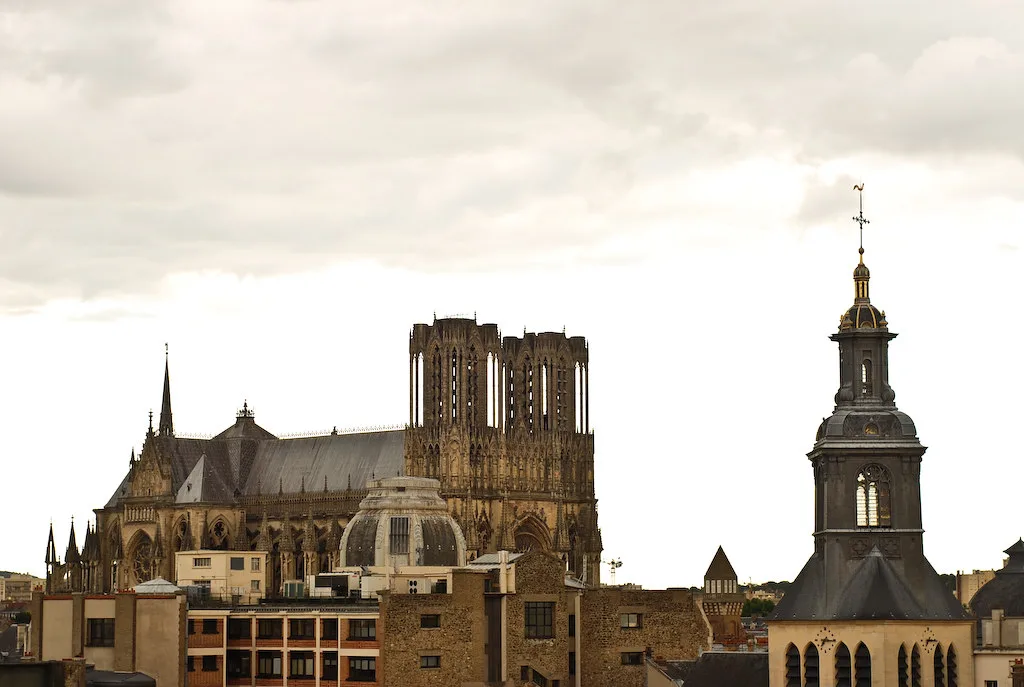
Pommery is the most theatrical visit in Reims. You descend 116 steps into 18 kilometers of Gallo-Roman chalk galleries, 30 meters below ground, where a monumental staircase and carved bas-reliefs line the route. Visits are self-paced with an audio guide, and a contemporary art exhibition fills the cellars, renewed each year.
Tickets are listed from 30 euros per adult with a tasting of the Brut Royal, and the house opens seven days a week with free on-site parking. The 116 steps down are the key mobility consideration: there is no lift option on the standard route, so plan accordingly. Villa Demoiselle, the Art Nouveau and Art Deco villa across the road, can be visited separately, and its own cellars list tastings from around 30 euros.
Ruinart: The Long, Expensive, Serious Visit
Ruinart, founded in 1729, is the oldest house in Champagne, and its chalk pits reach 40 meters deep. The visit includes a guided tasting of two cuvées with commentary from a sommelier and runs about two hours, which makes it the longest of the standard Reims tours. Tickets are listed from 90 euros per adult, and a child ticket is available for ages 7 to 17.
A new reception center opened in 2025 so the visit begins in a contemporary space before descending. The house also runs a weekend brunch with its chef in residence, served in the garden, which is a reason to book a Saturday slot rather than a weekday. If your budget allows one premium visit, this is the one to weigh against Taittinger's top tier.
Lanson: The City Vineyard
Lanson, established in 1760, is the only grande maison in central Reims whose tour includes a working walled Clos, a one-hectare Chardonnay vineyard with the cathedral towers in view. The route follows the wine from vine to vat room to cellar, and the house deliberately avoids malolactic fermentation, a detail explained on the tour. Tickets are listed from 32 euros per adult.
Visits run about 1.5 to 2 hours in French and English, and the nearest tram stop, Courlancy, is roughly 450 meters from the door. That makes Lanson the easiest major house to reach without a car, since you skip the taxi entirely. Compare it on cost with Pommery's ticket and decide whether the vineyard setting or the chalk galleries appeal more.
Beyond the City: Canard-Duchêne in Ludes
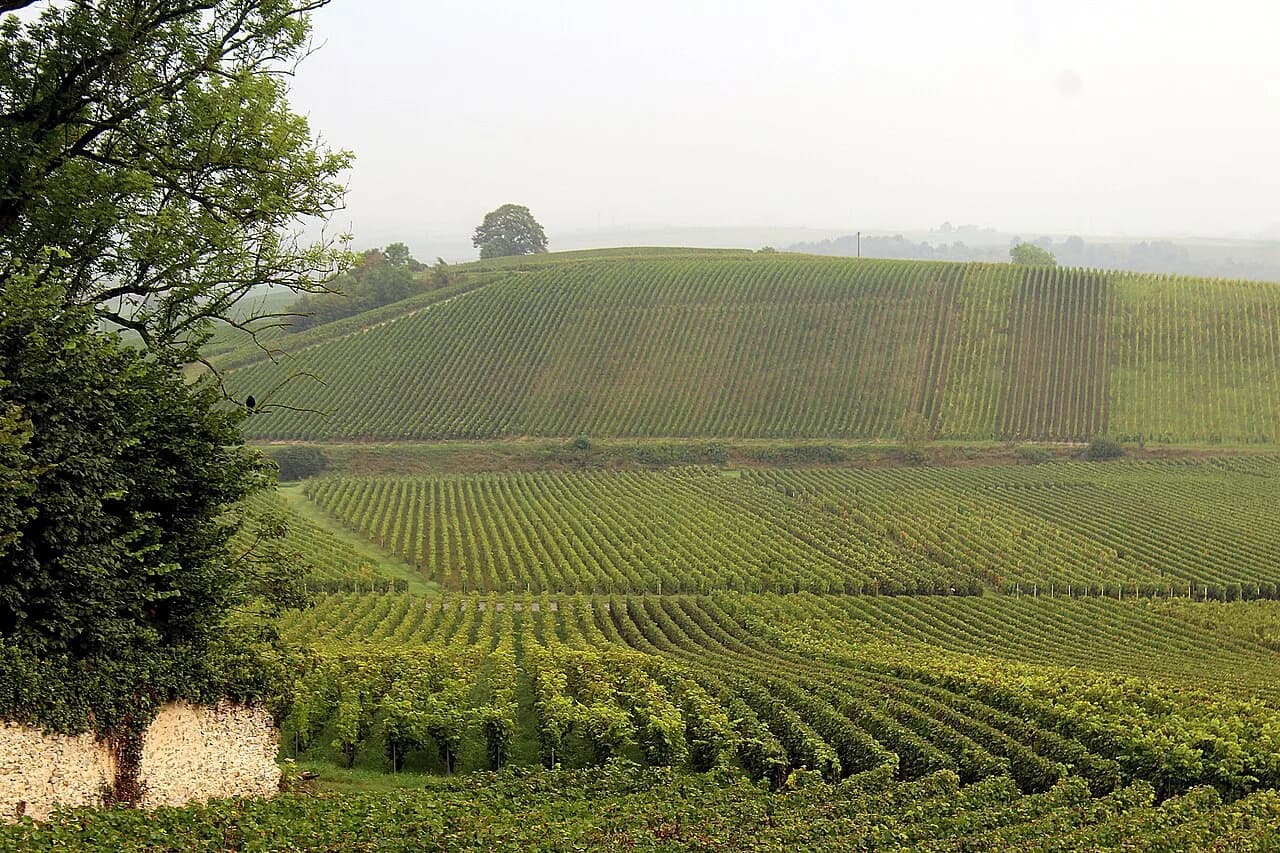
Canard-Duchêne sits in the village of Ludes, a 15 to 20 minute drive from Reims through the vineyards, not in the city itself. The house publishes a sabrage experience, opening a bottle with a sabre, alongside standard tours, and on fine days the tasting moves into gardens at the foot of the vines. Entry is listed from 21 euros per adult, with the sabrage session reported around 95 to 100 euros.
Opening follows a seasonal pattern: Monday to Friday in January and February, Monday to Saturday from March to December, with guided tours at set times. Without a car you need a taxi or a pre-booked tour, since no convenient public transport links Reims to Ludes. The reward is a smaller-house feel in a genuine vineyard village rather than a city center address.
What a Ticket Actually Buys
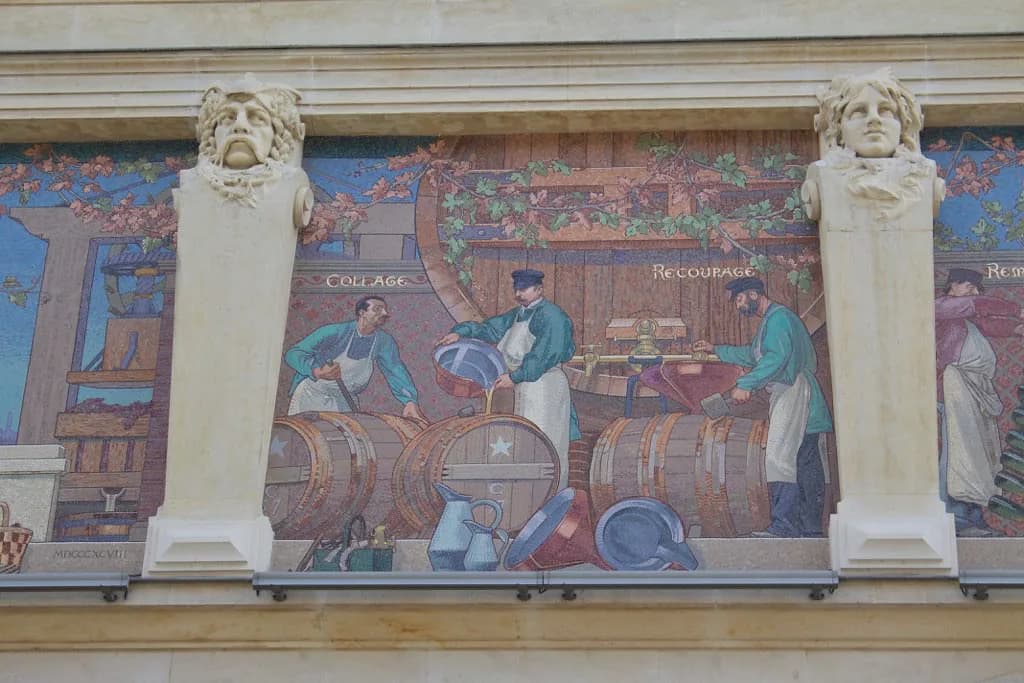
Tickets across Reims houses vary in three dimensions: tour length, number of wines poured, and whether you go underground. Pommery gives you long galleries, art and one wine at the entry price; Ruinart gives you two cuvées, a sommelier and two hours; Taittinger sits between them. Paying more usually buys older or prestige cuvées rather than a longer walk.
Booking platforms list dozens of other addresses around Reims and Épernay, from Boizel in Épernay to Mailly Grand Cru in the Montagne de Reims villages, with entry prices in the high teens and twenties. A grower visit often costs half a big-house ticket and pours wines you cannot buy at home. Many houses offer English-language departures but only at certain times, so ask when you book.
Getting Around Without Driving
Reims is compact enough that the Saint-Nicaise houses, Pommery and the cathedral sit within walking distance of the center. Lanson needs the tram to Courlancy, and Veuve Clicquot is a short taxi or bus ride from the station. Taittinger and Pommery both have on-site parking if you arrive by car.
Anyone driving should not taste: use the spittoons, appoint a designated driver, or take public transport and taxis between houses. The alternative is a guided day tour that drives you between a big house and a grower, which removes the logistics entirely but locks in someone else's schedule. For a first visit with limited time, the tour usually wins on efficiency.
Independent Visits vs. Guided Day Tours
Self-booking works best if you have two or three days and want to choose your own cuvées. You book each house online, set your own pace and can linger over lunch in Épernay. The cost of individual tickets plus taxis can add up, but you control where the money goes, whether that is Ruinart's top tier or a grower's entry-level tasting.
Guided champagne tours from Reims usually combine one major house with a smaller producer and include transport, which is the main advantage if you want to taste seriously without worrying about the drive. They move at a fixed pace and rarely allow time for an unscheduled second tasting. If you already know which houses you want, book them directly and use taxis instead.
Booking Mechanics and Timing
Most Reims houses sell timed slots online, and weekend and harvest-season dates go first. Book at least a few weeks ahead for Saturday visits, further out for prestige tastings, and check whether your chosen slot is in French or English. Ask about minimum party sizes and cancellation terms when you reserve.
Three tastings in one day is the practical maximum for most visitors; two cellar tours plus a shorter tasting-room stop is a saner rhythm. Space them with a real lunch and plenty of water, and put the longest visit, Ruinart or a top-tier Taittinger, in the morning when attention is highest. Some calendars close in winter, so check dates for January and February trips.
Grapes and Styles in Brief
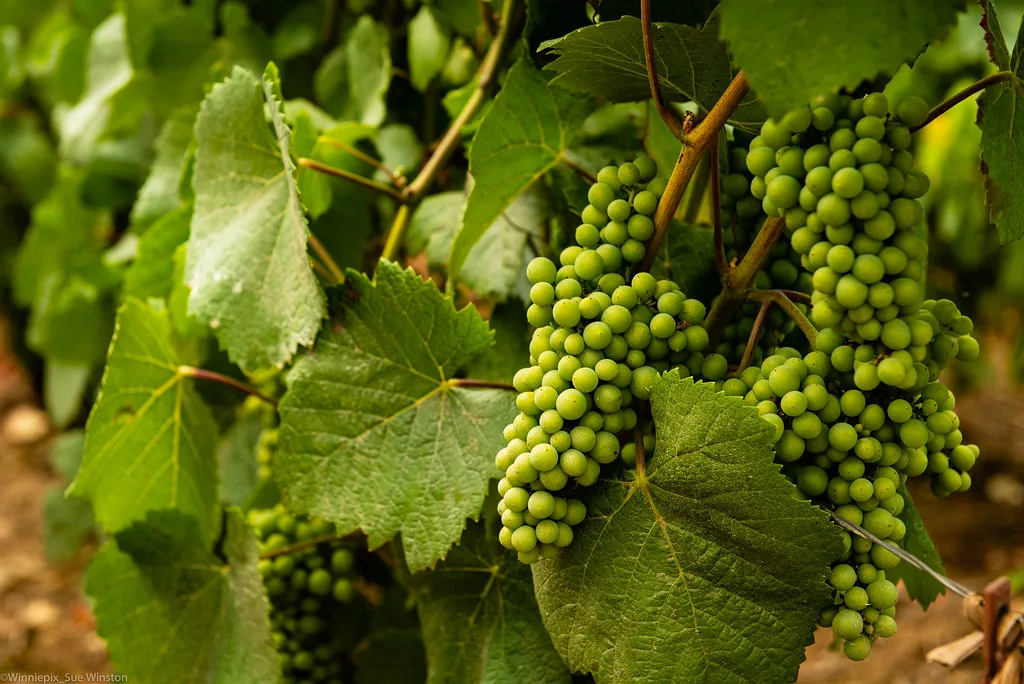
Champagne blends three grapes: Pinot Noir for body and structure, Chardonnay for freshness and lift, and Meunier for fruit and approachability. Blanc de blancs means Chardonnay only, blanc de noirs means the dark grapes without skin contact, and rosé comes from blending a little red wine or leaving skins in contact briefly. Understanding this helps you pick a house whose style matches your taste rather than just the biggest name.
Brut is the standard dry style; extra-brut is drier, and dosage levels shape how sweet the finish feels. Houses like Lanson skip malolactic fermentation for a crisper profile, while others favor rounder, oak-influenced styles. Mentioning your preference when you book can steer you toward the right tasting tier.
Plan Your Visit
A realistic Reims plan runs two or three houses over a day and a half, mixing one long chalk-cellar tour with a shorter visit and a grower's tasting room. Put the biggest investment where it matters to you: Ruinart for prestige and history, Pommery for drama and art, Lanson for convenience and the vineyard. Whatever you choose, book timed slots before you travel and leave slack for a slow lunch. If you want to compare this same cellar-tour-versus-tasting-room decision in a still-wine region, the Colmar wine guide covers Alsace's village wineries and tastings.
Add Épernay as a second day if Moët & Chandon or the Avenue de Champagne is on your list, and use a driver or a tour for any visit outside the city center. If you plan to drive, use spittoons and choose a designated driver so everyone gets home safely. Check current prices and opening days directly with the houses when you book, since published rates shift between seasons.
Frequently Asked Questions
Can you walk between champagne houses in Reims?
Several of the best-known ones are close together. Taittinger on place Saint Nicaise and Ruinart on Rue des Crayères are in the same district, and Pommery is a walk from the center. Veuve Clicquot on Rue Albert Thomas and Lanson on Rue de Courlancy are further out and easier by taxi, bus or tram.
What champagne houses are in Reims rather than Épernay?
Reims itself has Taittinger, Veuve Clicquot, Vranken-Pommery, Ruinart and Lanson, among others. Moët & Chandon is in Épernay on the Avenue de Champagne, and Bollinger is in the village of Aÿ. Plan Reims and Épernay as separate days unless you have a driver.
How long does a champagne cellar tour take in Reims?
Veuve Clicquot's standard visit runs about an hour, Lanson's runs roughly 1.5 to 2 hours, and Ruinart's tour with a two-cuvée tasting takes around two hours. Pommery is self-paced with an audio guide, so you set the time. Budget a half-day per house including arrival and the tasting.
How much does a champagne tasting cost in Reims?
Rates vary widely by house and by tasting tier. Each house publishes its current price list on its own website, and booking platforms show the range across Reims and Épernay. Check the official page for the specific visit you want before booking, because prices change between seasons.
Do you need to book Reims champagne houses in advance?
Yes for the major houses, especially on weekends and during harvest. Most sell timed slots online, and weekend and prestige tastings fill first. Book a few weeks ahead for Saturday visits and ask whether your slot is in French or English when you reserve.
How do you get to Ludes without a car?
Canard-Duchêne in Ludes is a 15 to 20 minute drive from Reims and has no convenient public transport link, so you need a taxi or a pre-booked tour. Booking a driver for the round trip is usually simpler than trying to find a return taxi in the village.
What are the different types of champagne?
Brut is the standard dry style, with extra-brut drier still, and dosage levels shape how sweet the finish feels. Blanc de blancs is Chardonnay only, blanc de noirs is made from the dark grapes, and rosé is either blended with a little red wine or made by short skin contact. Knowing your preference helps you choose a tasting tier.
Is the Veuve Clicquot tour worth it?
It is the most efficient full cellar experience in the city: about an hour, Tuesday to Sunday, with a seasonal calendar. The tour covers the history of Barbe-Nicole Ponsardin and the house's innovations, and the Café Clicquot terrace is open whether or not you tour. If you want the deepest chalk-cellar experience instead, Ruinart or Pommery may appeal more.
Sources
Notes for your next wine trip
Optional updates to our winery and wine-town guides.
You might also like
Continue reading
More guides you'll find useful