Pommery Reims: Cellar Tours, Prices & Booking Guide
Pommery's Reims cellars lie 30 metres underground in Gallo-Roman chalk pits. Compare tour formats, published prices, durations and booking options.
On this page
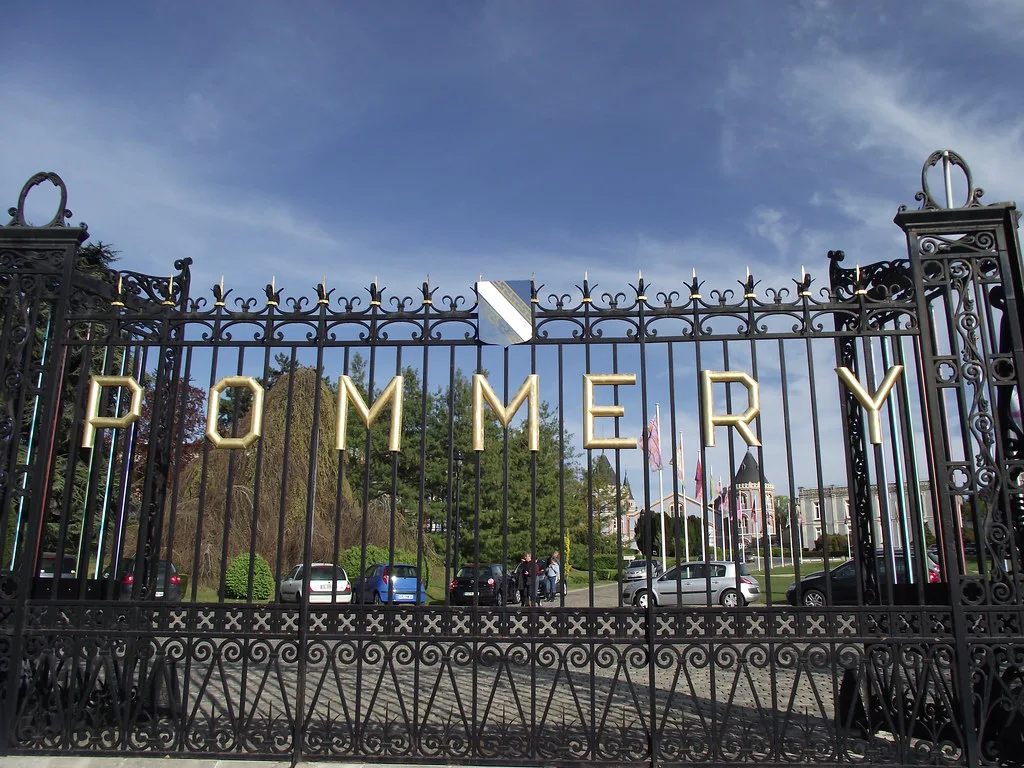
Pommery is one of the Champagne houses that define a Reims visit, not only for what is poured but for where it is poured: the cellars sit in Gallo-Roman chalk pits turned into interconnected galleries in the 19th century. The house publishes its tour lineup with prices and durations, which makes Pommery one of the easier major cellars to plan around. This guide sets out each format so you can choose the one that fits your trip.
What Pommery Is and Why It Matters in Reims
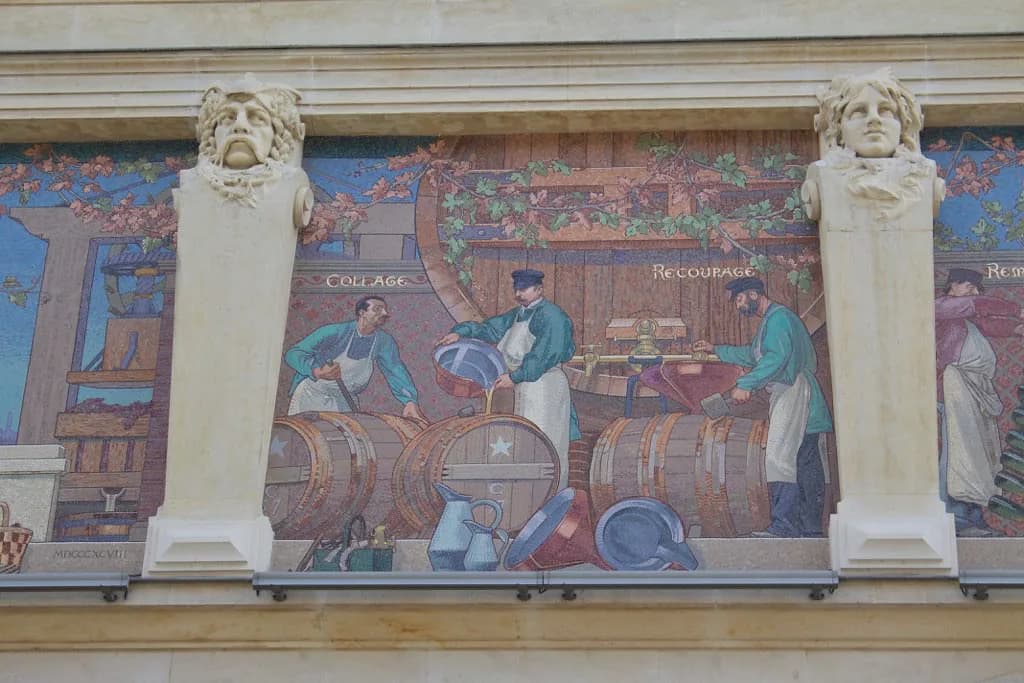
Pommery is a Champagne house in Reims, founded in 1858, and it is known for two things beyond its wines: the conversion of the city's chalk pits into cellars and the creation of Brut Champagne in 1874. The house's own account credits Madame Pommery with both moves, including relocating production on the St Nicaise hill and launching what it calls the construction site of the century in July 1868.
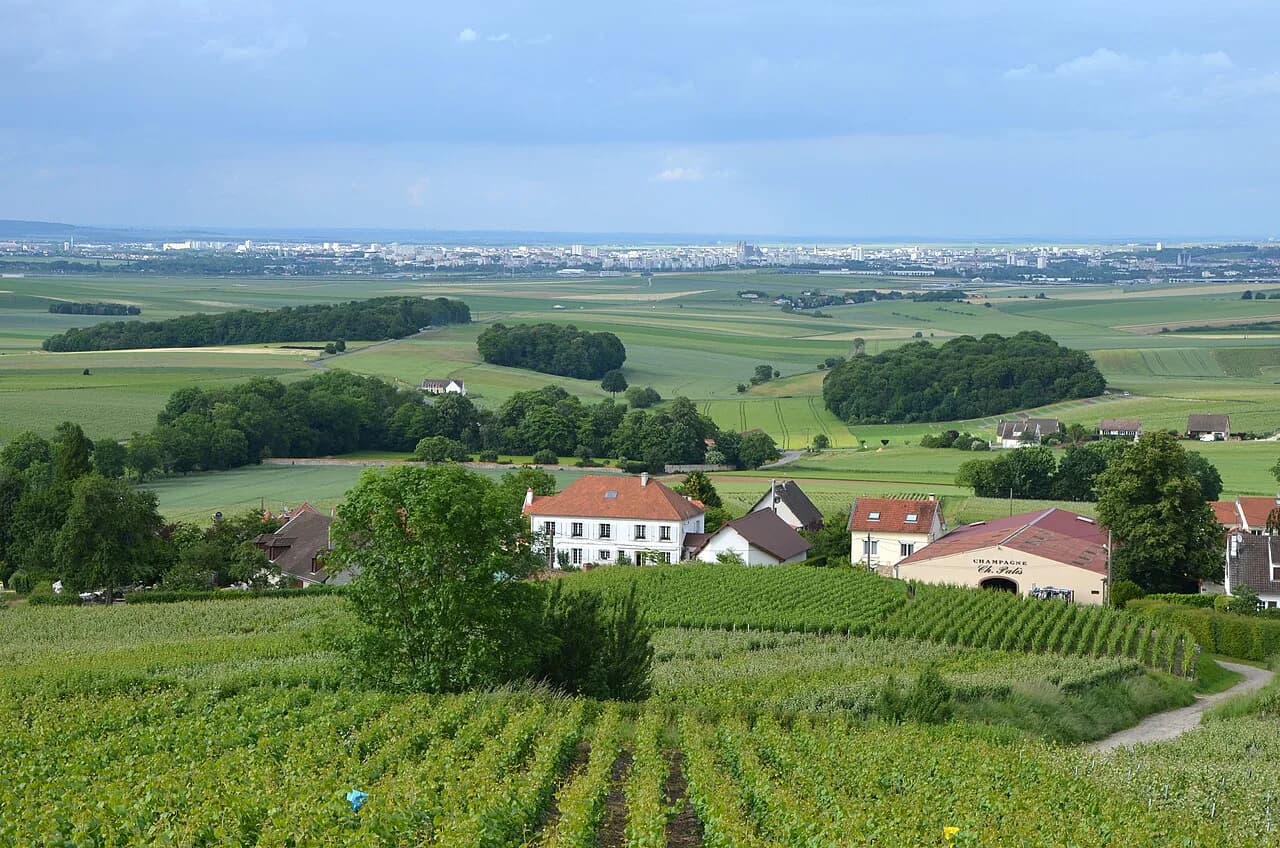
That history matters for the visit because the cellars are the attraction, not a side room. The estate occupies a 50-hectare plot inside the city, and the cellar tour walks you through the interlinked crayères and the contemporary art exhibition staged in them. If you are assembling a full day of Champagne visits, Pommery works well as the house that gives you both a historic underground and a gallery in one stop; see our broader wine tasting guide to compare it with other stops.
Where the Estate Sits in Reims and How to Reach It
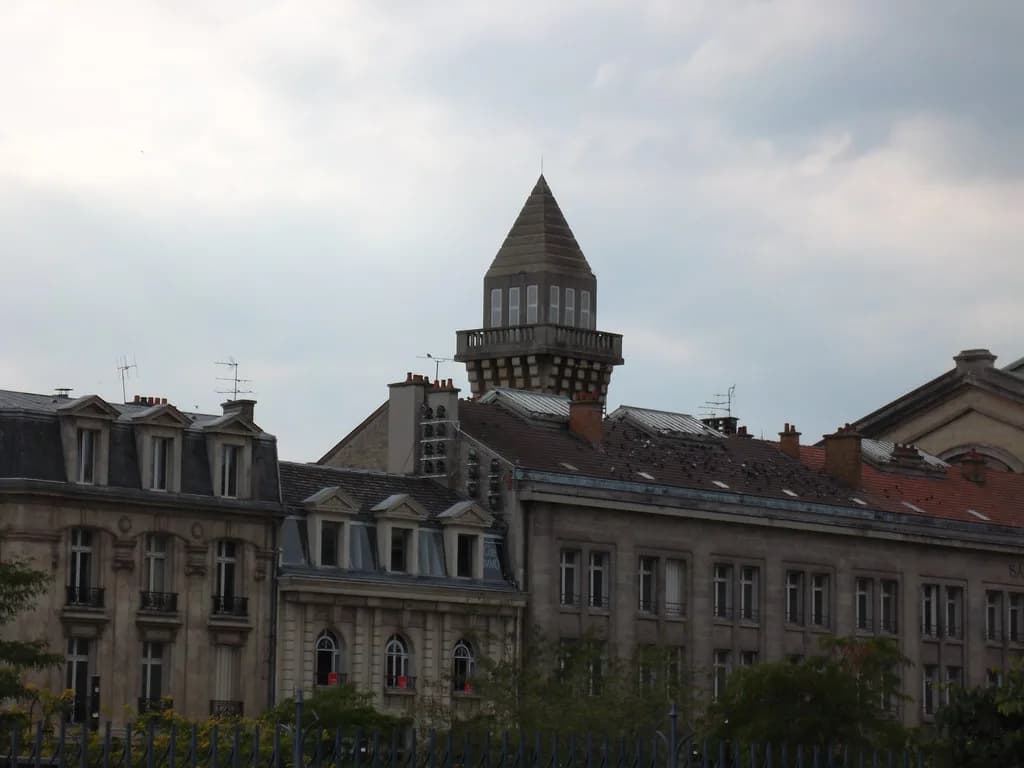
The Pommery estate and its visitors' entrance sit on the St Nicaise hill within the city of Reims, in the northern part of the center rather than out among the vineyards. That places it within walking distance of the central station area for most visitors staying in town, and a short taxi or bus ride from the cathedral quarter. The house notes that it is roughly 45 minutes from Paris by TGV, which makes a day trip from Paris feasible if you book the cellar in advance.
Since the cellar is inside Reims, you do not need a car to visit, and a driver in your group can skip the tasting entirely without missing the tour. Use the walking route from the center, a local taxi, or the city transport network, and remember that whoever is driving should not taste; spittoons, a designated driver, a tour bus, or public transport all solve that cleanly.
The Crayères: What Makes These Cellars Different
The cellars are built from more than 60 Gallo-Roman chalk pits linked by more than 18 kilometres of galleries, with a staircase of 116 steps leading down into the complex. Pommery's visit page describes the underground temperature as a constant of about 10 degrees Celsius and humidity of 98 percent, conditions the house credits with its style of aging. Expect the descent and the underground stretch to be cool and damp regardless of the season, so bring a layer even on a warm day.
The scale of the carved chambers, some with monumental bas-reliefs sculpted into the chalk, is why the estate functions as a historic monument as much as a working cellar. Pommery describes its cellars and crayères as inscribed on the UNESCO World Heritage List, a status tied to the Champagne region's underground heritage. Anyone with limited mobility should ask about the staircase and lift arrangements when booking, since the 116 steps are part of the standard route.
Tour Formats Compared: Self-Guided, Guided and Combos
The entry-level option is the Brut Royal Visit, a 45-minute underground tour that includes the cellars, the crayères and the current contemporary art exhibition, finishing with a glass of Pommery Brut Royal. It runs in a self-guided version with a downloadable digital and audio itinerary, and in a guided version with a live guide, so you choose between pacing yourself and hearing the commentary in person.
The Henry Vasnier Visit extends the story to the Villa Demoiselle, the Art Nouveau and Art Deco residence restored by the estate's owners, and comes in two versions: a non-guided format with a digital and audio tour lasting about two hours, and a guided version of the same length. The Double Visit pairs the Domaine Pommery cellars with the Villa Demoiselle for travelers who want both the underground and the decorative arts.
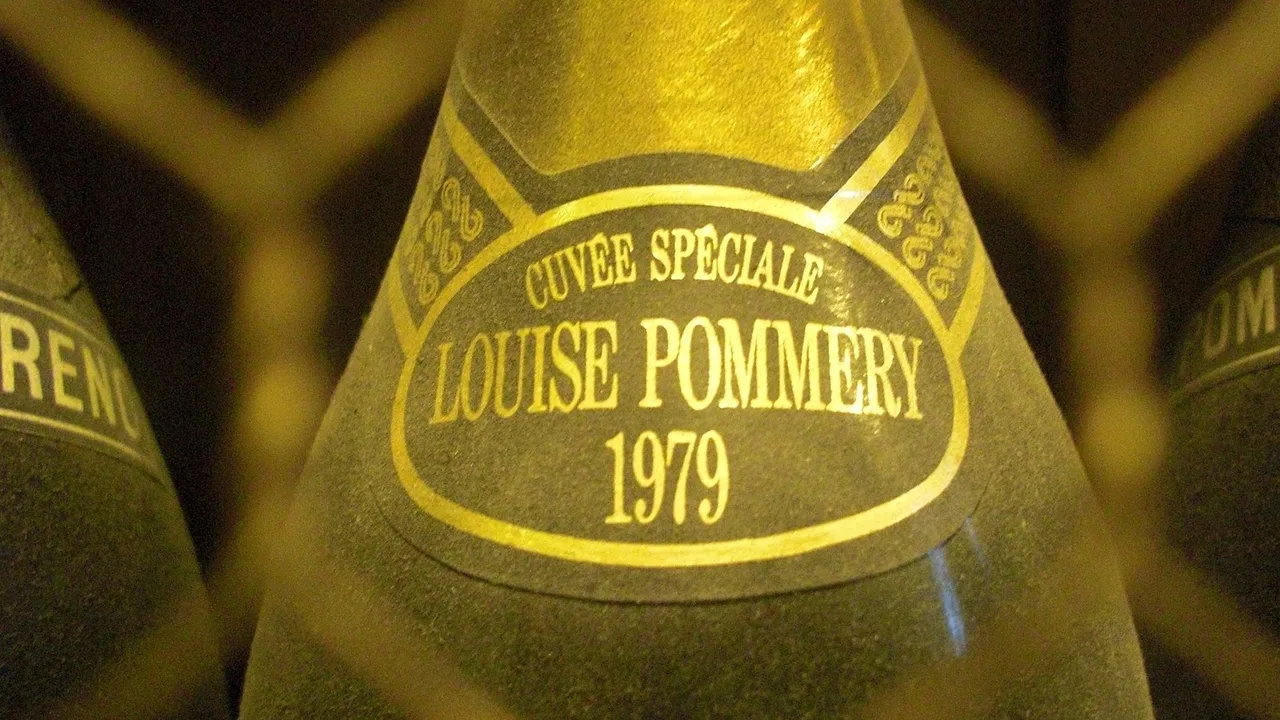
For a fuller meal, the Gastronomic Visit runs about three hours with a guide through the cellars followed by lunch or dinner in the estate's restaurant, with Champagnes paired to the menu. At the top end, the Master Class is a private tasting workshop with a sommelier built around Pommery's prestige cuvées, including Apanage Brut, Grand Cru Royal Vintage and Cuvée Louise Vintage, and it can be combined with a self-guided cellar walk.
Published Prices and Durations by Tour Type
Pommery publishes per-person prices for each format, and they change over time, so treat the figures below as the current published rates rather than fixed forever. The self-guided Brut Royal Visit is the cheapest entry at 30 euros, with the guided version at 36 euros; both last 45 minutes and pour Brut Royal. The non-guided Henry Vasnier Visit costs 55 euros and pours Brut Royal plus Demoiselle Tête de Cuvée, while the guided version costs 65 euros and pours Apanage and Diamant Brut, both lasting two hours.
The Villa Demoiselle is sold as its own visit: an hour and a half with a digital and audio tour that ends with a glass of Demoiselle Tête de Cuvée. The published price is 30 euros for the self-guided formula and 36 euros for the guided one. Because this is a separate product from the cellars, you can book it alone if Art Nouveau interiors interest you more than the underground galleries.
The longest format is the Gastronomic Visit at 150 euros per person, a three-hour guided experience with a meal and matched Champagnes, and it is worth booking well ahead because restaurant capacity limits the number of places. If you are deciding between the Gastronomic Visit and a standard tour plus a separate lunch in Reims, weigh the convenience of eating on site against the flexibility of choosing your own restaurant in town.
Experience Pommery: Contemporary Art Underground
Since 2002 Pommery has invited artists to install work in the chalk pits, and the current Experience Pommery exhibition is included in the standard cellar and crayères route. The art sits in the same chambers where the wine ages, which means you walk past installations and sculpture in spaces carved for storage rather than museum display. That gives even the 45-minute Brut Royal Visit a second dimension beyond the wine.
The artist lineup and theme change from one edition to the next, and Pommery does not publish a fixed annual calendar you can rely on for a trip far in advance. If a particular exhibition is the reason for your visit, ask Pommery directly which edition is currently on when you reserve, since the show you read about may no longer be hanging in the cellars.
Villa Demoiselle as an Add-On
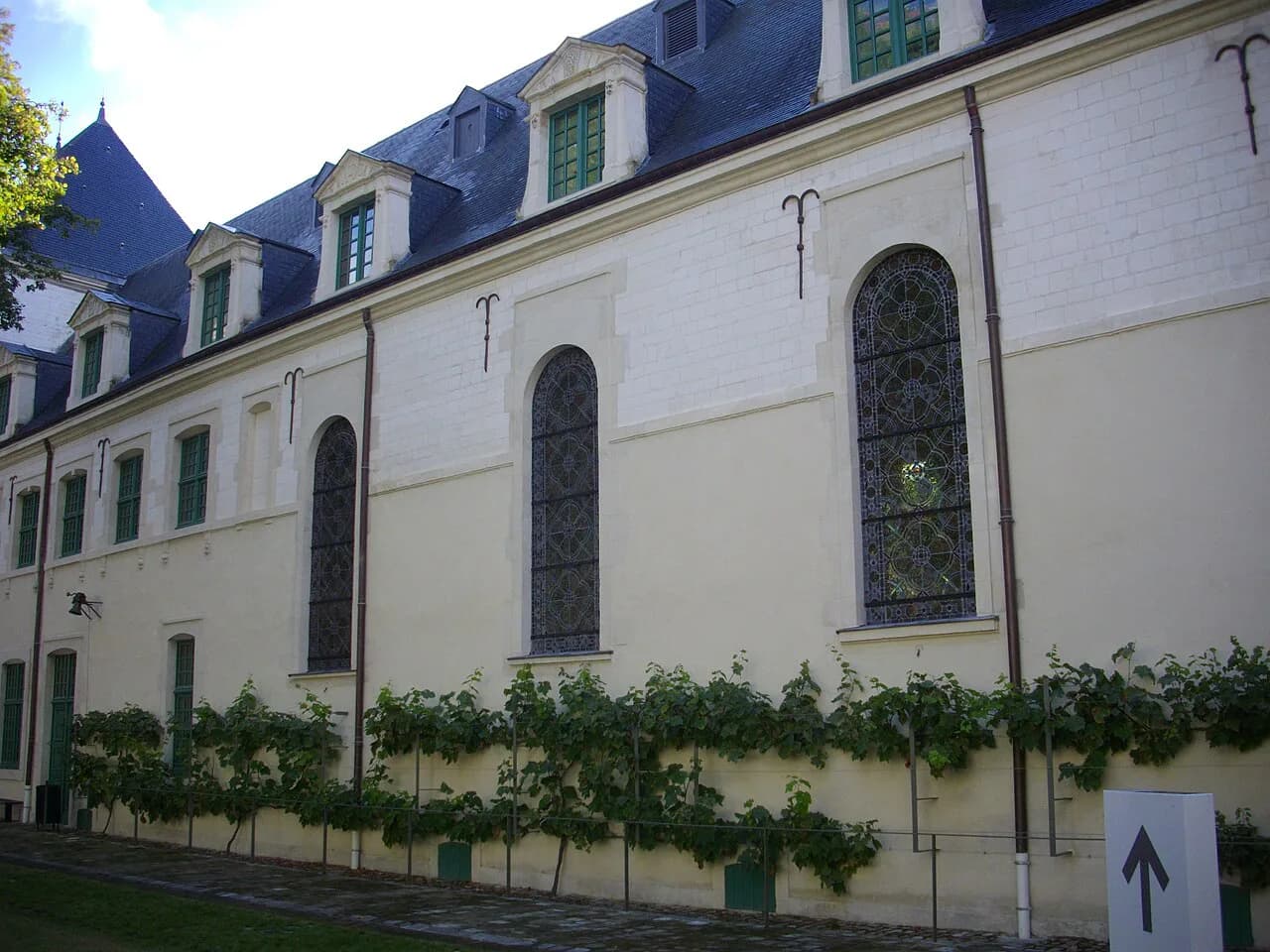
Villa Demoiselle is a separate address and a separate visit from the cellars, an early 20th-century house combining Art Nouveau and Art Deco with a collection that includes pieces by Majorelle, Lalique and Gallé. It was restored over several years after decades of abandonment and now functions as the estate's showcase for decorative arts and craftsmanship.
Because the villa is sold in stand-alone and combined formats, it works as a flexible add-on: pair it with a cellar visit if you have a half day, or book it alone if your day is already crowded with other Champagne houses. If you are comparing Reims houses, our guide to the Champagne Houses in Reims sets Pommery against other cellar tours in the city so you know what you are choosing between.
How to Book, Languages and What to Request
Bookings run through the estate's online reservation system, and the visit pages list which languages each format is offered in, currently English and French for most options. The self-guided formats use a downloadable digital and audio itinerary, with a paper version available, so you can move through the cellars at your own pace without a guide. Book ahead for guided slots and any weekend, since those language slots sell out first.
When reserving, specify the format, the language, and the number of non-tasters in your party if you have drivers who will not drink. Also ask Pommery's booking team about accessibility around the 116-step staircase and the underground sections before you book if anyone in your group needs step-free access. For a different comparison point in the city, our Taittinger Tour in Reims guide shows how another major house structures its visits, which is useful if you plan to do two.
Getting There Without a Car and Tour Trade-Offs
Pommery is city-bound, so the independent approach is simple: walk or take a taxi or the local bus network from central Reims. The trade-off against a guided day tour is autonomy versus logistics: doing Pommery yourself means you choose the time slot and can linger in the art installations, but you handle the booking and transport between stops on your own.
Guided Champagne day tours from Reims solve the transport problem, group several houses into one route, and remove the drinking-and-driving issue entirely because someone else drives. The cost is that you trade some flexibility for a fixed schedule and a set list of visits, which can mean less time in the cellars you care about most. If that format suits you, browse our champagne tours from Reims to see typical itineraries and how Pommery fits into them.
Pommery also makes a sensible anchor for a day that continues into the vineyards or into town afterward. From the house you can head out to the Montagne de Reims for a vineyard walk, or return to the center for a glass at one of the bars covered in our Champagne Tasting in Reims guide.
Champagne Basics Before You Choose a Tour
Champagne blends three main grapes: pinot noir for structure, pinot meunier for fruit and approachability, and chardonnay for freshness and ageing potential. Pommery's Brut Royal is a non-vintage blend of all three, while its prestige Cuvée Louise is a vintage wine built on chardonnay and pinot noir, which is why the tours pouring it sit at a higher price point. Knowing the blend behind each glass makes the tasting comparisons between formats easier to judge.
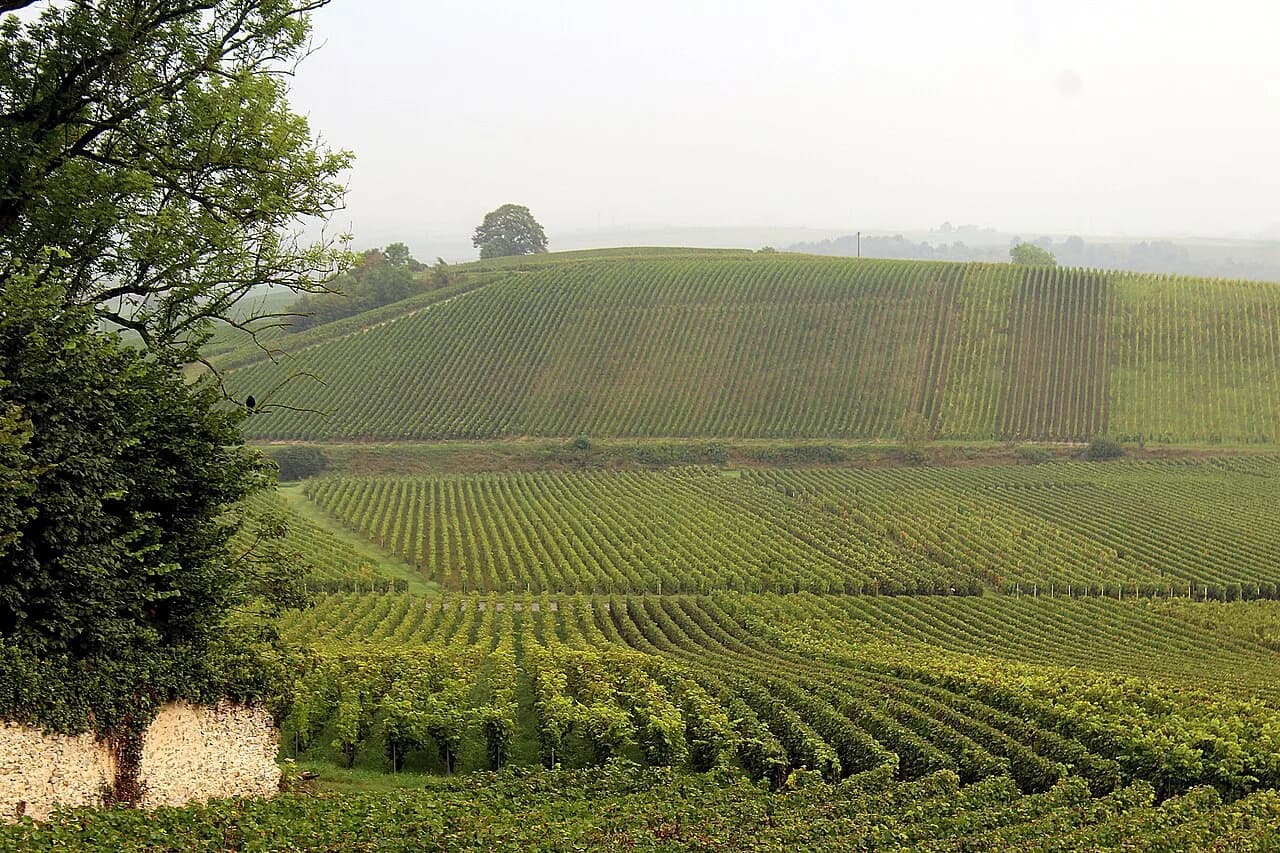
The rest of the Champagne region works the same way: the Montagne de Reims is pinot noir country, the Côte des Blancs is chardonnay, and the Marne valley leans on meunier. Pommery's own vineyards sit within the walled Clos Pompadour on the estate, a 25-hectare plot inside Reims itself. If you plan more than one day, our wine tasting guide lays out how these districts fit into a broader Reims itinerary.
Practical Timing and Confirming Your Slot
Allow about 90 minutes for the basic cellar visit including check-in, the underground walk and the tasting, and closer to half a day for the Henry Vasnier or Gastronomic formats with the villa or a meal. Harvest typically runs from late August into September, when the region is busy and some houses restrict visitor access, so book earlier if you travel in that window. The estate has not published fixed opening hours in its visitor information, so confirm your slot time when the booking is confirmed.
Reims itself is easy to pair with another Champagne town: Épernay is a short train ride away and makes a natural second day of tasting. If you would rather compare a second region, wine tasting in Dijon shows how Burgundy's cellar visits are structured just a train ride further south. Keep a driver sober by using trains, tours or spittoons, and plan your return to Reims before the last service of the day.
Plan Your Pommery Visit
Pommery rewards a little planning: choose self-guided if you want the lower price and your own pace, the guided version if you want the story told properly, and the Gastronomic Visit if you are making the cellar the centerpiece of a day. The villa is a separate product, so decide early whether Art Nouveau interiors belong in your plan. Reserve online, specify your language and any non-tasting drivers, and you will have the logistics settled before you reach Reims.
Frequently Asked Questions
How much does a Pommery cellar tour cost?
Pommery publishes a per-person rate for each format, with the basic self-guided cellar visit at the low end and the guided, villa and gastronomic options priced higher. Rates change, so check the current figures on the house's booking page before you commit rather than relying on an older guidebook.
Do you need to book Pommery in advance?
Reservations go through Pommery's online system, and guided slots in each language are limited, so booking ahead matters most for weekends and the guided formats. The self-guided formats are the more flexible option, but a place still has to be reserved.
How long does the Pommery tour take?
The Brut Royal cellar visit takes about 45 minutes, the Henry Vasnier and villa formats run around 90 minutes to two hours, and the Gastronomic Visit lasts roughly three hours. Allow extra time for check-in and for lingering over the art installations underground.
Is there a self-guided tour at Pommery?
Yes. Pommery offers a downloadable digital and audio itinerary, with a paper version available, for travelers who prefer to move through the cellars at their own pace. The self-guided version is also the cheaper of the cellar tour options.
Sources
Notes for your next wine trip
Optional updates to our winery and wine-town guides.
You might also like
Continue reading
More guides you'll find useful