Veuve Clicquot Tour in Reims: Which Cellar Visit to Book
Compare Veuve Clicquot's Reims cellar tours by length and published price, then sort out transport from the center or station and how to reserve a slot.
On this page
A Veuve Clicquot tour is an underground visit. The house in Reims shows visitors its crayères, the chalk cellars carved into the city's bedrock and listed as part of a UNESCO World Heritage designation, and it finishes with a tasting rather than a walk through vines.
That matters when you plan a day. There is no vineyard here to stroll, so you are choosing between cellar experiences by length, price and which champagnes are poured, then fitting the slot around Reims Cathedral, lunch and the other Champagne Houses in Reims.
Where Veuve Clicquot Sits in Reims
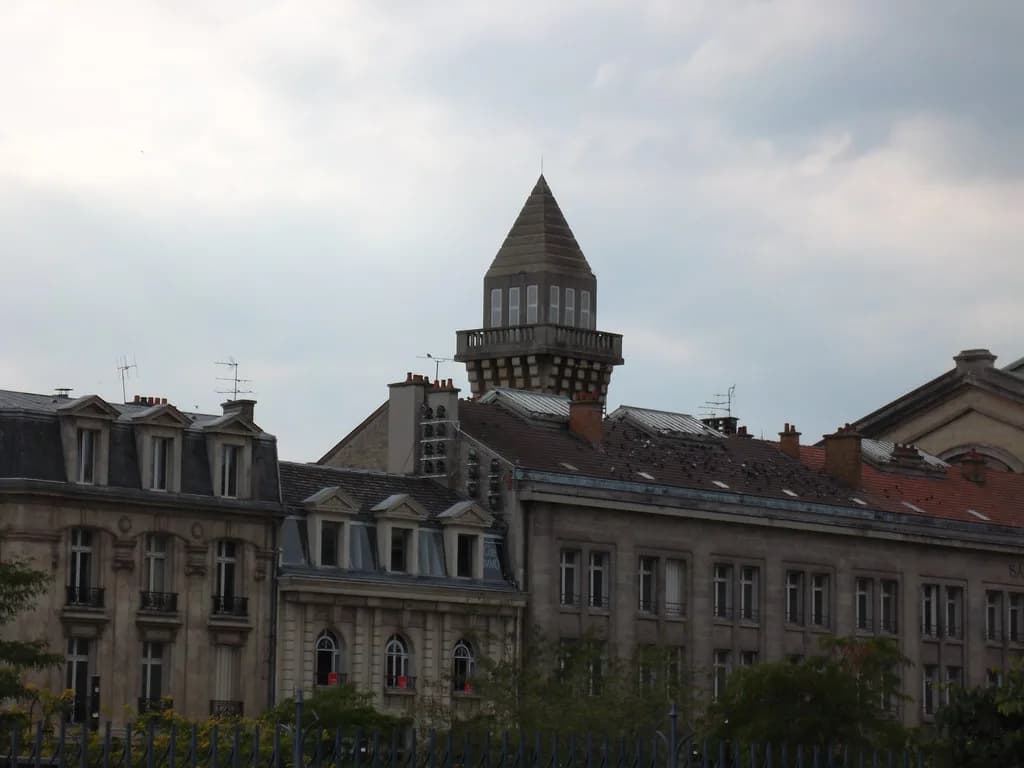
The visitor center is at 1 Rue Albert Thomas, 51100 Reims, the address the house publishes for its cellars and boutique. From the city center it is roughly a 30-minute walk, and the house describes a 10-minute drive from Reims Champagne-Ardenne TGV station and about 15 minutes by car from the city-center station.
If you arrive by TGV and go straight to the cellars, a taxi is the cleaner decision than dragging luggage across town, and taxis can drop you directly at reception. Drivers get a visitor car park with space for 20 cars and 5 buses, plus bicycle parking; the visitor center and boutique are accessible for people with reduced mobility, and access must be arranged when you book.
The Tour Menu Compared
The house sells five standard cellar experiences, each combining a guided cellar tour with a tasting, and the difference is time and what you drink. The shortest, themed on Brut Yellow Label and the birth of the house style, runs one hour and is published at €36; a second one-hour tour covers the invention of rosé Champagne by blending and is listed at €60.
The middle tier is a 1.5-hour visit explaining how the house makes its Champagne, priced at €80; the 2-hour Art of Aging experience around exceptional vintages is €160. At the top, a 4-hour tasting built around the prestige cuvée La Grande Dame is published at €260, and it can also be privatized.
The official pages sometimes read about the format, the tasting and the cellar tour without a pour count for each tier, so ask when you reserve if the number of champagnes matters to you. One published review of the 1.5-hour tour describes four champagnes being poured at the end, which is a useful indication rather than a guarantee.
Which Tour Fits Which Traveler
For a first visit to Champagne and a tight schedule, the one-hour Brut Yellow Label tour is the efficient choice: it covers the cellars, the history and the signature wine in the time many travelers would spend on lunch. Couples or anyone curious about how rosé Champagne is made by blending can take the other one-hour option before a cathedral visit.
The 1.5-hour tour is the natural middle ground if you want the production story properly explained and a longer sit-down tasting. The 2-hour and 4-hour experiences suit travelers who already know the house or are treating the cellar as the main event of the day, since a 4-hour slot uses most of a Reims afternoon.
Day-trippers arriving from Paris on the TGV should avoid the longest formats and book the earliest slot they can comfortably reach. That leaves room for the cathedral and a glass elsewhere before the evening train rather than a rushed dash between cellars.
How Booking Works
The house asks visitors to reserve their visit, and the official site lets you book the standard experiences directly. Public tours are handled through visitscenter@veuve-clicquot.fr and +33 (0) 3 26 89 53 90, while private cellar and vineyard tours go through privatetours@veuve-clicquot.fr and +33 (0) 3 26 89 42 64.
Book around the day and hour, not just the date. Cellar groups run on fixed slot times, and a popular weekend in harvest season fills earlier than a midweek morning in town, so reserving as soon as your train is confirmed is the practical move.
Opening Days and the Seasonal Calendar
The published schedule is seasonal rather than year-round, and visitors should read it against their travel dates before booking. The calendar published on the official site most recently covered a cycle that opened Tuesday to Sunday from 7 April to 28 June 2026, ran daily from 29 June to 30 August 2026, returned to Tuesday to Sunday from 1 September to 1 November 2026, and switched to Wednesday to Sunday from 4 November 2026 to 3 January 2027, after closing from 28 December 2025.
Hours are published as 9:30 to 17:30, with closures on 1 May, 25 December and 1 January. That calendar explains why a January or late-December city break can miss the cellars entirely and why an early-November visit may need to land on a Wednesday or later.
What the Cellars Add: Madame Clicquot and the Crayères
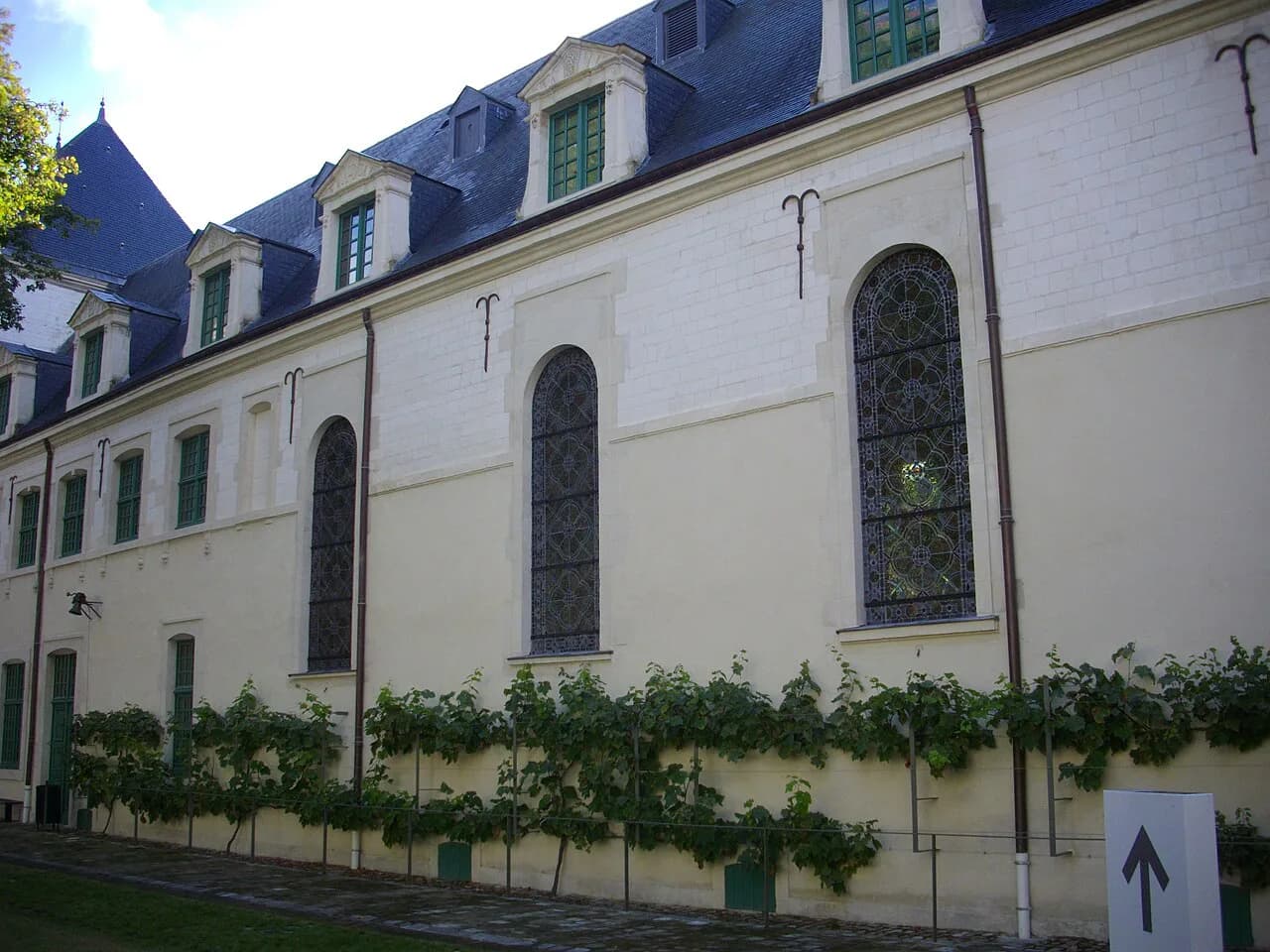
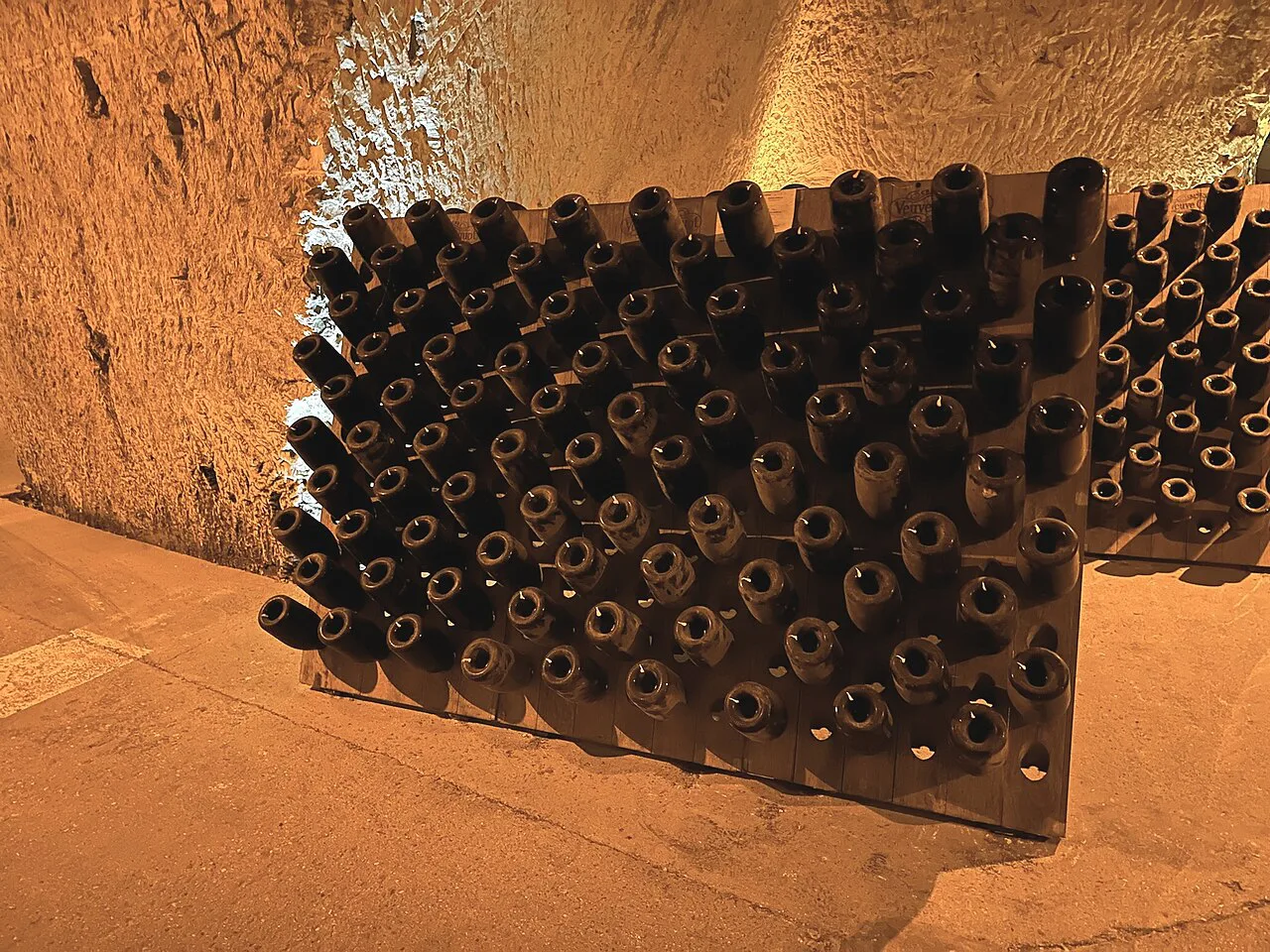
The tour is as much a history lesson as a tasting. Barbe-Nicole Ponsardin, the widow Clicquot, took over the house after her husband's death and pushed through techniques including the riddling table used to clear sediment, and the cellar route uses her story to explain how modern Champagne was shaped.
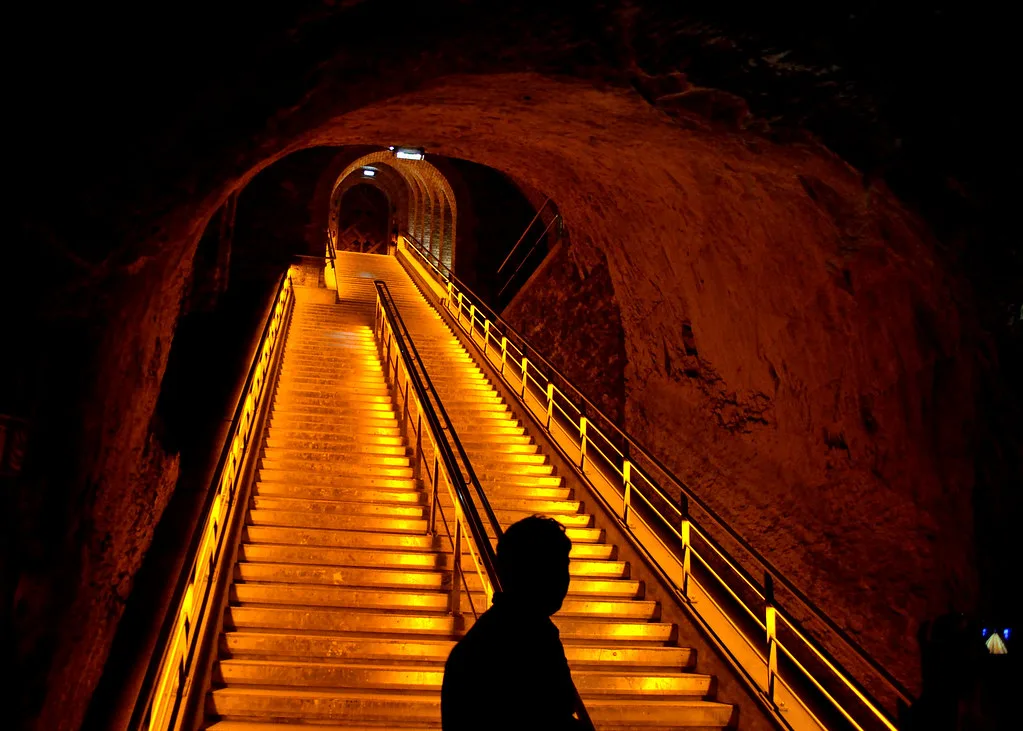
Expect to be on your feet, with stairs and uneven chalk passages, so comfortable shoes are a better investment than a second pair of heels. The visit also includes a boutique and the on-site Café Clicquot, which makes a reasonable stop before or after you return to the surface.
Getting There Without Driving
From the center of Reims, walking takes about half an hour and needs no planning beyond weather; from the TGV station the 10-minute taxi ride is the sensible option with bags. Reims also has a bike-sharing culture, and the house provides bicycle parking, so a morning ride from the center to the cellars is workable if you are comfortable in traffic.
The most relaxed option may be not to think about transport at all. A chauffeured private day tour picks up at Reims or Epernay hotels or Reims train station, combines the Veuve Clicquot tour with a family estate and cathedral visit, and returns guests around 5 p.m., with rates set by operator France Guided Tours and varying by party size.
Independent Visit Versus Guided Day Tour
Going on your own gives you control over the pace and lets you fit the cellar into a day built around the cathedral, restaurants and other houses. That said, you arrange transport and timings yourself, and you see one estate unless you plan further visits.
The private day tour bundles more into a single window, including tasting at a family estate in villages such as Ambonnay or Damery, and the operator's published rates vary by group size rather than being a single price. The trade-off is money and a fixed itinerary; the benefit is that a driver handles the region's roads and you can taste without worry.
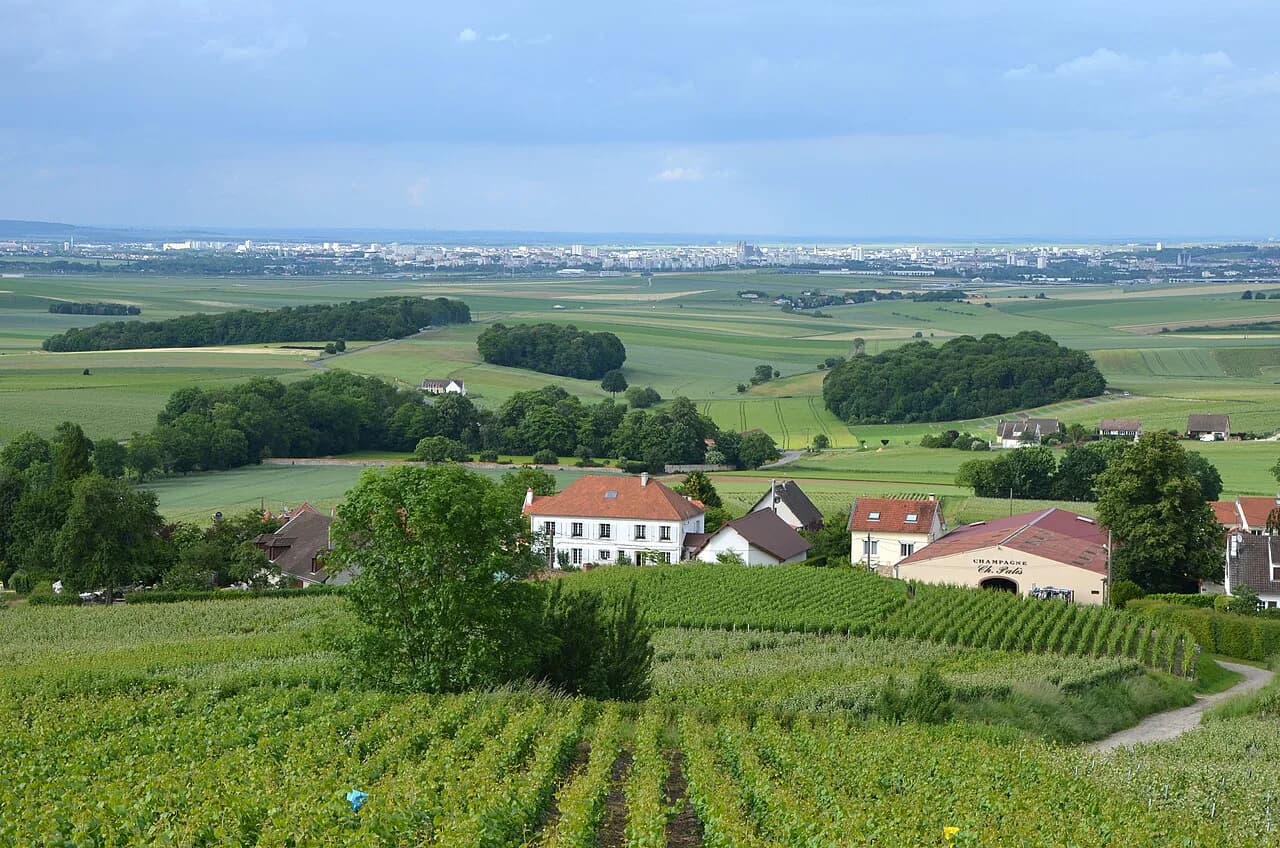
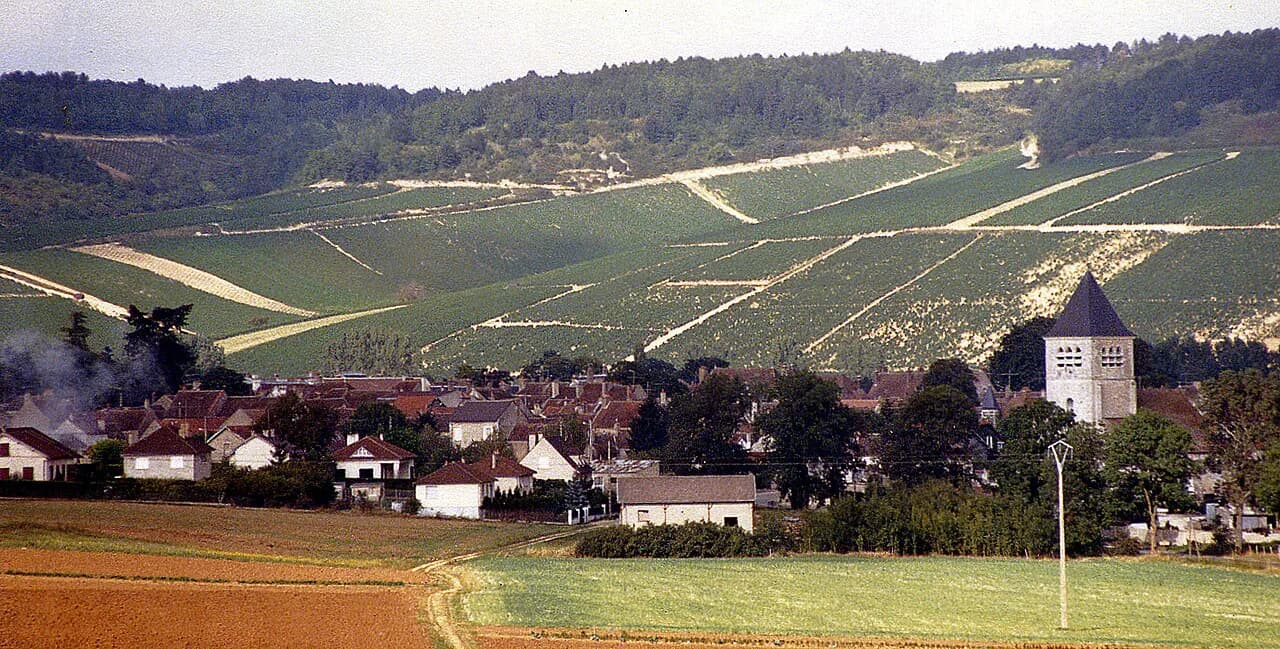
If you prefer to stay in control but still want a driver, build the day yourself using Reims as the base and compare what is available. The Montagne de Reims vineyard villages lie in the hills south of the city and reward a half-day loop when the cellars are done. For travelers weighing other French city bases, wine tasting in Colmar works as a useful Alsace counterpart.
Pairing the Cellar With the Rest of Reims
The Veuve Clicquot cellars sit in the same city as the Cathedral of Reims, a UNESCO-listed Gothic landmark, and most visitors can see both in one day if the cellar slot is booked early. A noon cellar visit, a late lunch and a cathedral visit is a realistic order; the reverse often collides with the tasting schedule.
If you plan to visit more than one Champagne house, spread them across days or take the shortest cellar format at each, because consecutive tastings get tiring. The broad layout of the Champagne region and its famous villages is worth a look before slotting other houses into the trip.
Champagne Basics for Choosing What to Taste
Champagne is mostly a blended wine from three grapes: Pinot Noir for structure, Chardonnay for finesse, and Meunier for fruit. Veuve Clicquot's style is traditionally Pinot Noir-led, which is why the house's brut and prestige cuvée tours make a coherent pairing for anyone who likes a structured Champagne.
The range runs from non-vintage brut to rosé and from vintage to prestige cuvée bottlings, and the top wines like La Grande Dame get longer aging. That logic helps explain the price jumps between the shortest and longest tours: you are buying cellar time, a longer tasting and rarer wines.
Can You Bring a Dog to Veuve Clicquot?
For visitors who travel with a pet, the practical question is whether a dog can join you underground. The sourced material on the Veuve Clicquot cellars does not state any pet policy, and it also does not mention dogs among the rules or features of the visit. Because no source describes a dog-friendly arrangement, there is nothing here to confirm that an animal would be admitted to the crayères or the tasting areas.
What the sources do describe is a walking experience with real physical demands. A first-hand account of the 1.5-hour tour, booked for €75, recommends comfortable shoes because there is some walking and quite a few stairs involved. That detail matters if you were hoping to carry a dog or keep one beside you through the cellars: the route is not a flat, open space, and the tasting that closes the visit takes place after the underground walk.
The wider tour menu gives a sense of the formats available and the time you would spend apart if your dog cannot accompany you. The house lists a 1h00 tour with Brut Yellow Label tasting at €36, a 1h00 tour on the art of rosé champagne at €60, a 1h30 tour at €80, and a 2h00 tasting experience around exceptional vintages at €160. Somebody travelling with a dog could use these durations to plan a walk before or after the visit, since the shortest option is one hour and the longest is two.
A separate option is the private day tour from Reims, which includes a guided tour of Reims Cathedral and tastings at Veuve Clicquot and a family Champagne estate. Its published details describe transportation in a minivan with a maximum of eight passengers, an English-speaking driver guide, and pickup at 9.00AM at a hotel in Reims or Epernay or at the Reims train station. The sources say nothing about dogs in connection with this tour either, so the day tour shares the same gap on the question rather than answering it.
Plan Your Visit
Decide your priority first, then book the matching Veuve Clicquot tour: one hour if time is short, 1.5 hours for the fuller production story, and two hours or more only if Champagne is the purpose of the day. Build transport around your arrival point, and keep the seasonal opening-day pattern in mind when a late-year date is fixed.
If anyone in the group is driving, they should skip the tasting or use a spittoon, and the simplest alternative is a designated driver, the train back to Reims or a chauffeured tour. Confirm the day's schedule on the house's booking page before you travel, then leave the rest to the cellars.
Frequently Asked Questions
How long is a Veuve Clicquot tour in Reims?
The house publishes five standard cellar experiences lasting one hour, 1.5 hours, two hours or four hours, depending on the tasting theme. The one-hour Brut Yellow Label and rosé visits are the shortest; the four-hour La Grande Dame experience is the longest.
Do you need to book a Veuve Clicquot tour in advance?
Yes, the house asks visitors to reserve a slot, and tickets are bookable online. Popular weekend and holiday dates fill first, so reserve once your travel day is fixed.
Can you visit without joining a tour?
The cellars are shown as part of a guided tour that ends with a tasting, so the standard route is a booked experience rather than a self-guided walk underground. The visitor center and boutique are part of the same stop.
How do you get to Veuve Clicquot from Reims center or station?
The visitor center is at 1 Rue Albert Thomas, roughly a 30-minute walk from the city center, and around 10 minutes by taxi from Reims Champagne-Ardenne TGV station. The city-center station is about 15 minutes away by car.
Is Veuve Clicquot open in winter?
Not on every date. The house publishes a seasonal calendar with months of Wednesday-to-Sunday opening and closures around late December and January, so check the dates for your trip before booking a train.
Is the Veuve Clicquot tour worth it?
It is a strong fit if you want a historic cellar, a guided explanation of Champagne method and a tasting of a well-known house in the center of Reims. If you want vineyard scenery or many producers in one day, pair the cellar with a regional day tour or add a second village.
How many champagnes do you taste?
The number of pours per tour is not stated on the official booking pages, so ask when you reserve. A published review of the 1.5-hour tour reported four champagnes, which gives an idea of the format but may not match every date.
Sources
Notes for your next wine trip
Optional updates to our winery and wine-town guides.
You might also like
Continue reading
More guides you'll find useful