Épernay Champagne Houses: Day Trip from Reims
Plan an Épernay day trip from Reims: which Champagne houses take visitors, how booking works, and how to arrive by train or guided tour.
On this page
Épernay is the second city of Champagne and the natural counterweight to Reims: smaller, flatter, and built around a single ribbon of grand houses rather than a cathedral square. Treat it as a day trip rather than a checklist, because one cellar tour plus one sit-down tasting fills an afternoon comfortably. The bigger constraint is not distance but reservations, since most houses in the region schedule tours and tastings in advance.
This guide separates the houses in and around Épernay that genuinely receive visitors from the famous names that do not, groups the nearby villages so you can cluster your day geographically, and explains how to arrive without driving.
Quick Answer: Épernay as a Day Trip from Reims
A realistic Épernay day means one house in the morning and one in the afternoon, with a meal or a walk along the Avenue de Champagne in between. Attempting three or four visits in a day turns cellar tours into a blur and leaves no margin for a missed train or an overrunning tour. Champagne houses book up in advance, so the itinerary triangle is reservation time, transport, and travel back to Reims; fix the reservations first and build the day around them.
The practical rule most visitors follow is one morning visit and one afternoon visit, which keeps the day within a sensible return to Reims in the evening. Reims to Épernay is a short hop by high-speed train, and Épernay's houses cluster tightly enough that you can walk between a station arrival and a downtown tasting room rather than hiring a car for the day.
How Épernay Is Laid Out
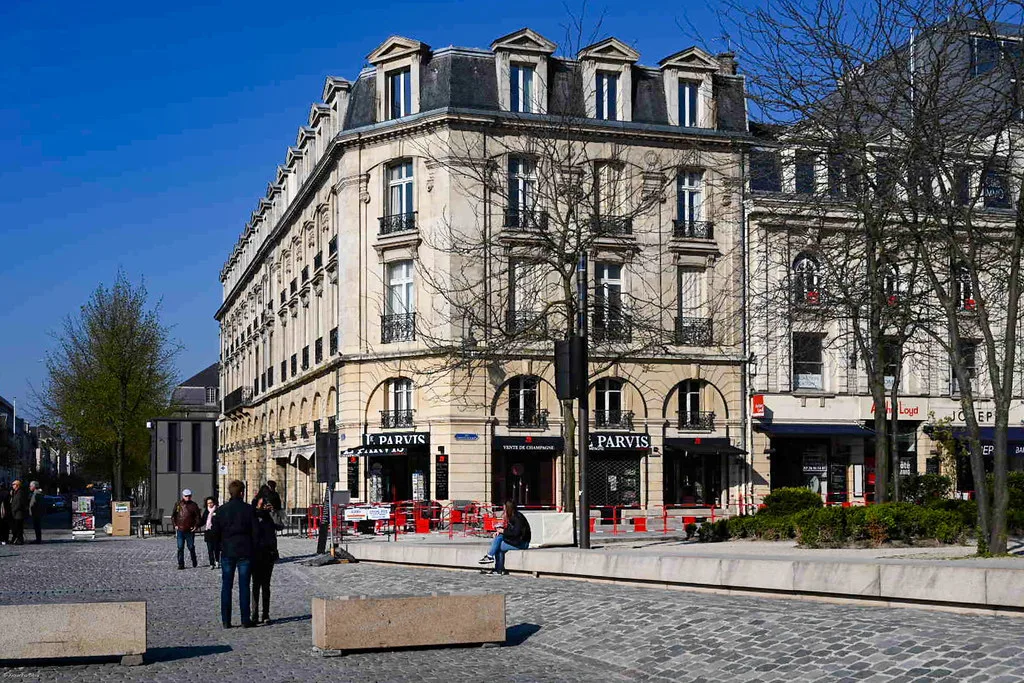
The Avenue de Champagne is the spine of the town: a broad, gently rising boulevard lined with the head offices and visitor facilities of major houses, with the cellars running out beneath the street. DeVenoge sits in downtown Champagne with a bar and tasting lounge open to the public, which makes it one of the easiest places to simply walk in and try wines rather than commit to a full tour.
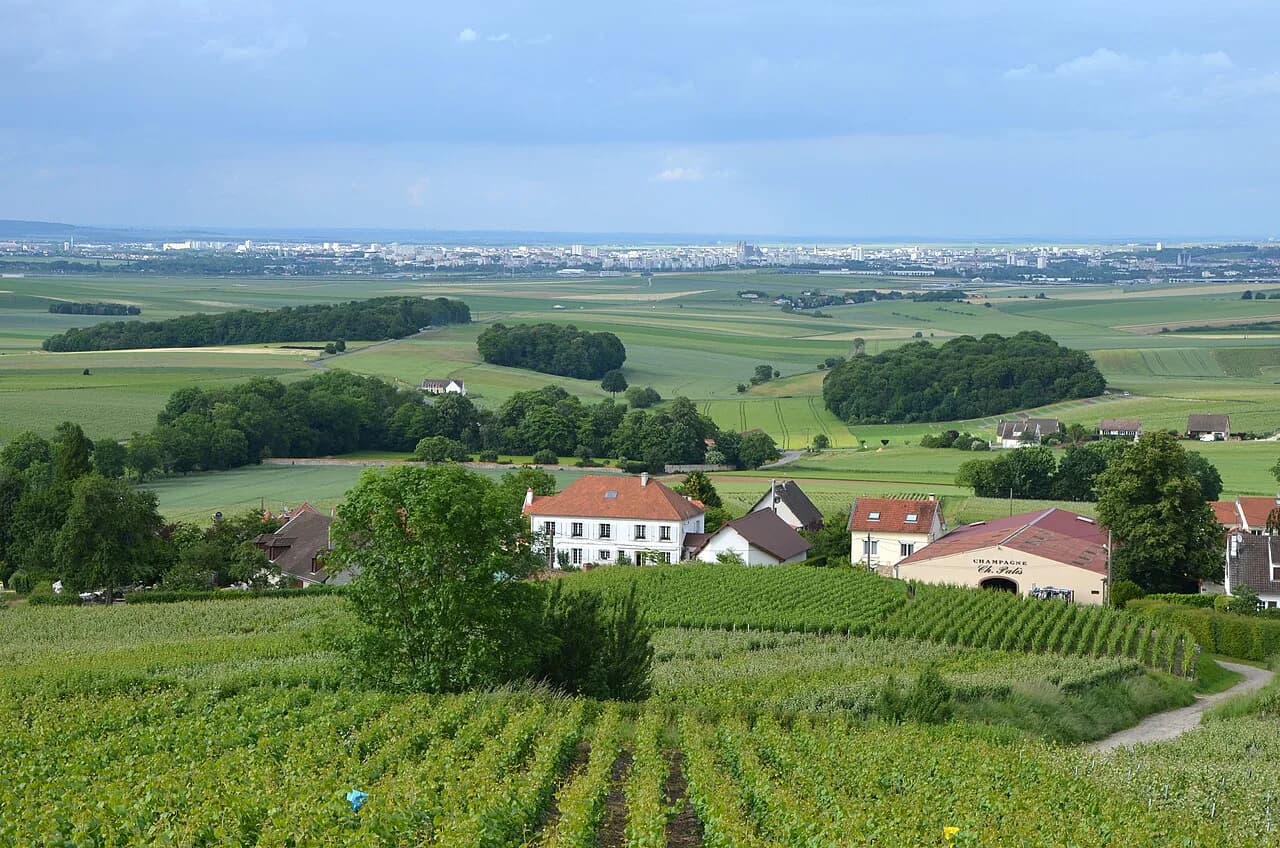
Beyond the avenue, Épernay's town center is compact and walkable, with the station on one side and the vines rising on the slopes beyond the houses. The surrounding villages matter as much as the town itself: Mareuil-sur-Aÿ and Aÿ lie to the east, Avize sits south on the Côte des Blancs, and Chavot-Courcourt lies southwest toward the Côteaux Sud d'Épernay. Grouping your visits by these villages is the difference between a relaxed day and a frantic one.
Reims vs Épernay vs Aÿ: Choosing a Base
Reims suits travelers arriving by train from Paris and wanting cathedral, restaurants, and a concentration of cellars within walking distance; the Montagne de Reims is the natural vineyard loop from there. Épernay suits anyone who wants the Avenue de Champagne atmosphere and easier access to the Côte des Blancs and the Marne Valley. Aÿ, effectively part of the Épernay cluster, appeals to tasters chasing smaller houses and the Pressoria museum on the region's terroir. Tasters weighing a different region altogether can compare this cellar-town format with wine tasting in Dijon, where the model shifts from grand houses to cellars and estates.
If you are staying in Reims for several days, Épernay is a single day out rather than a second base, and you can cover the rest of your Champagne drinking through the Champagne Houses in Reims already on your doorstep.
Getting There Without Driving
The high-speed train from Paris to Reims runs to about 45 minutes, and the region is served by rail, but the packet does not publish specific Reims-to-Épernay timings or fares, so look up current schedules on the French rail operator's site before fixing your reservations. Once in Épernay, the walk from the station to the Avenue de Champagne and the town center tasting rooms is short enough to do on foot, which removes any need for a car on a one-day visit.
Local businesses in Champagne offer bicycle and e-bike rentals, and cycling is a popular way to reach vineyard villages when the weather cooperates. Hotels can typically arrange taxi services, and guided half-day or full-day tours run from both Reims and Épernay for travelers who would rather hand over the transport and the appointments.
Houses in Épernay That Take Visitors
Champagne DeVenoge is the straightforward Épernay pick for a walk-in tasting: its downtown bar and tasting lounge receive the public, and the house also runs a small boutique hotel, so a tasting can double as an overnight stop. A family-owned alternative is Champagne Michel Gonet, which hosted a tour of its winemaking facilities followed by a tasting and lunch, giving a good sense of how a smaller house operates compared with the grand boulevard names.
Worth the Detour: Villages Around Épernay
Champagne Philipponnat sits in Mareuil-sur-Aÿ, a short drive or cycle east of Épernay, and runs a tour that includes a walk through the Clos de Goisses vineyard, a cellar visit, and a tasting of five wines. That structure makes it the strongest single booking for anyone wanting vineyard context rather than only cellars; the address is in the village, not the town center, so plan transport accordingly.
Champagne Laherte Frères in Chavot-Courcourt is known for Meunier-led Blanc de Noirs and rosé styles, and it makes a natural counterpoint to the big houses for tasters curious about a grower approach. Champagne Varnier-Fanniere in Avize, on the Côte des Blancs, offers Grand Cru wines in a family-run setting, with tastings hosted by owner Valerie Varnier. Both are village visits, so pair one with an Épernay morning rather than trying to fit both.
Famous Names That Are Not Open to the Public
Dom Pérignon does not receive the public, and Krug works by invitation, hosting collectors and press rather than drop-in visitors. Veuve Clicquot's Hôtel du Marc, the house's private residence, is equally closed to the public even though the maison's cellars in Reims are visitable.
The practical consequence is simple: do not build a Champagne itinerary around a brand name alone. For the cellars that do open their doors in Reims, the Champagne Houses in Reims guide covers what each visit includes, and a focused Taittinger Tour in Reims is a good anchor for a first-timer's cellar experience.
How Booking Works in Champagne
Most producers in Champagne require advance reservations, and the larger houses book up well ahead even though some keep an on-site bar for walk-in tastings. Booking is the main planning constraint here, not price, so once your dates are fixed, email or reserve online through each house's own site and give the party size up front.
When you reserve, ask four things: whether the visit includes a cellar tour or tasting only, how many wines are poured, whether food is served, and whether the group is capped. Small-group limits are common at family houses, and timing matters because a tour that overruns will collide with your return train.
What a Visit Typically Includes
A standard big-house visit pairs a guided cellar tour with a tasting of several Champagnes, often three to five wines, sometimes finished with a prestige cuvée. Taittinger, for example, runs tailored tours including an Instant Gourmet experience that pairs canapés with Champagne, alongside its cellar tours and guided tastings such as the Brut Reserve, Prelude, and Comtes de Champagne lineup.
Smaller houses tend to replace the theatrics with direct contact: at Varnier-Fanniere the tasting is typically hosted by the owner and may include a look at historic equipment such as a classic press. Pairings are more common than full meals, and lunch is usually a separate stop in Épernay or a village restaurant rather than part of the tour.
Pacing, Dress, and Cellar Comfort
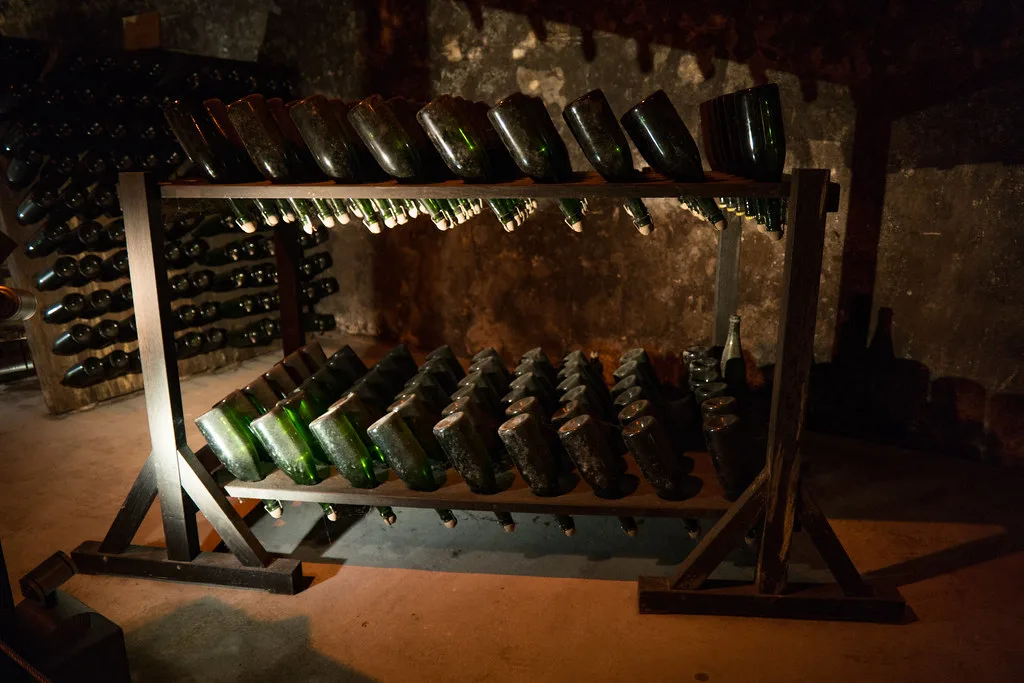
Cellars are cool and damp year-round, so bring a layer even in summer, and wear shoes that handle uneven chalk floors and stairs. Keep the day to one morning and one afternoon visit, book a lunch table in between, and leave a buffer before your train. If you are tasting in Reims rather than Épernay, the same pacing applies and champagne tasting reims options fit neatly into an afternoon.
Harvest and Quiet Months
Harvest in Champagne generally runs from late September into October, with climate change pushing it earlier in some years, and many houses close their doors to visitors during the busiest picking weeks. Rather than guessing dates, check the house's own visitor page for its seasonal calendar before you commit, and treat any published closure as fixed for the year.
Late spring and early summer are recommended for a quieter trip with green vineyards, while July is busier with better weather and August quiets down as locals take holidays. If your dates fall in harvest or August, secure appointments earlier and keep one flexible slot for a bar tasting such as DeVenoge's instead of a full tour.
Responsible Drinking on the Day
Whoever is driving should not taste: use the spittoons at each house, designate a driver, or take the train and a taxi instead of a car. The train makes this easy on a Reims-to-Épernay day, and guided tours remove the question entirely. Water between visits and a proper lunch also keep the afternoon tasting legible.
A Practical Épernay Day Plan
Start with a mid-morning reservation in Épernay itself, either a cellar tour at a major house or a tasting at Michel Gonet, then walk the Avenue de Champagne and eat lunch in town. Take an early afternoon visit in a village such as Mareuil-sur-Aÿ or Avize if transport allows, and return to Reims on an early evening train with time to spare.
If your taste runs to the grand cellars rather than the town, the Champagne Tasting in Reims options make an equally satisfying day, and a Taittinger Tour in Reims is the easiest first booking to build around. Whichever direction you go, reserve before you travel and confirm the day's details with each house once your dates are set.
Frequently Asked Questions
Can I visit Épernay Champagne houses without an appointment?
Some downtown tasting rooms, including DeVenoge's bar and tasting lounge, receive walk-in guests, and larger houses sometimes keep an on-site bar. Cellar tours and seated tastings almost always require advance reservations, so treat walk-in access as a bonus rather than the plan.
How do I get from Reims to Épernay without a car?
Take the train and then walk or use a taxi in Épernay, or join a guided half-day or full-day tour that departs from Reims. Rail timetables vary by season, so check current schedules before you fix your tasting times.
How many Champagne houses should I visit in one day?
One in the morning and one in the afternoon is the sensible limit once you account for travel and a proper lunch. Three or more visits in a day compresses the tours and leaves no margin for a delayed train.
Is Dom Pérignon open to visitors?
No. Dom Pérignon does not receive the public, Krug works by invitation for collectors and press, and Veuve Clicquot's Hôtel du Marc is a private residence. Book visitable houses instead and treat these names as bottles to look for, not stops on the itinerary.
Are Champagne houses closed during harvest?
Many houses close to visitors during the harvest weeks, which generally fall from late September into October and can shift earlier with the weather. Each house publishes its own seasonal visitor calendar, so check that for closure dates.
What should I wear for a cellar tour in Épernay?
Cellars are cool and damp, so bring a light layer even in summer and wear shoes suited to chalk floors and stairs. Avoid anything that needs delicate handling, since tours involve walking through working tunnels.
Sources
Notes for your next wine trip
Optional updates to our winery and wine-town guides.
You might also like
Continue reading
More guides you'll find useful