Perrier-Jouët in Épernay: Visiting the Maison on Avenue de Champagne
Perrier-Jouët's house at 28 avenue de Champagne is Épernay's oldest preserved property on the avenue. Plan the visit, the walk and the trip from Reims.
On this page
Avenue de Champagne is not a museum street: it is a working line of maisons, courtyards, cellars and tasting rooms that runs through the middle of Épernay. Perrier-Jouët's property at number 28 is one of the oldest pieces of built heritage on it, which makes the address a natural first or last stop on an on-foot tour of the avenue.
This guide treats the avenue as the unit of planning rather than a single visit. You will find the house's location, the history that distinguishes it from purpose-built visitor centers, how to combine it with other houses in town, and how to get there from Reims or Épernay by train, on foot or by taxi.
Why Perrier-Jouët Matters on Avenue de Champagne
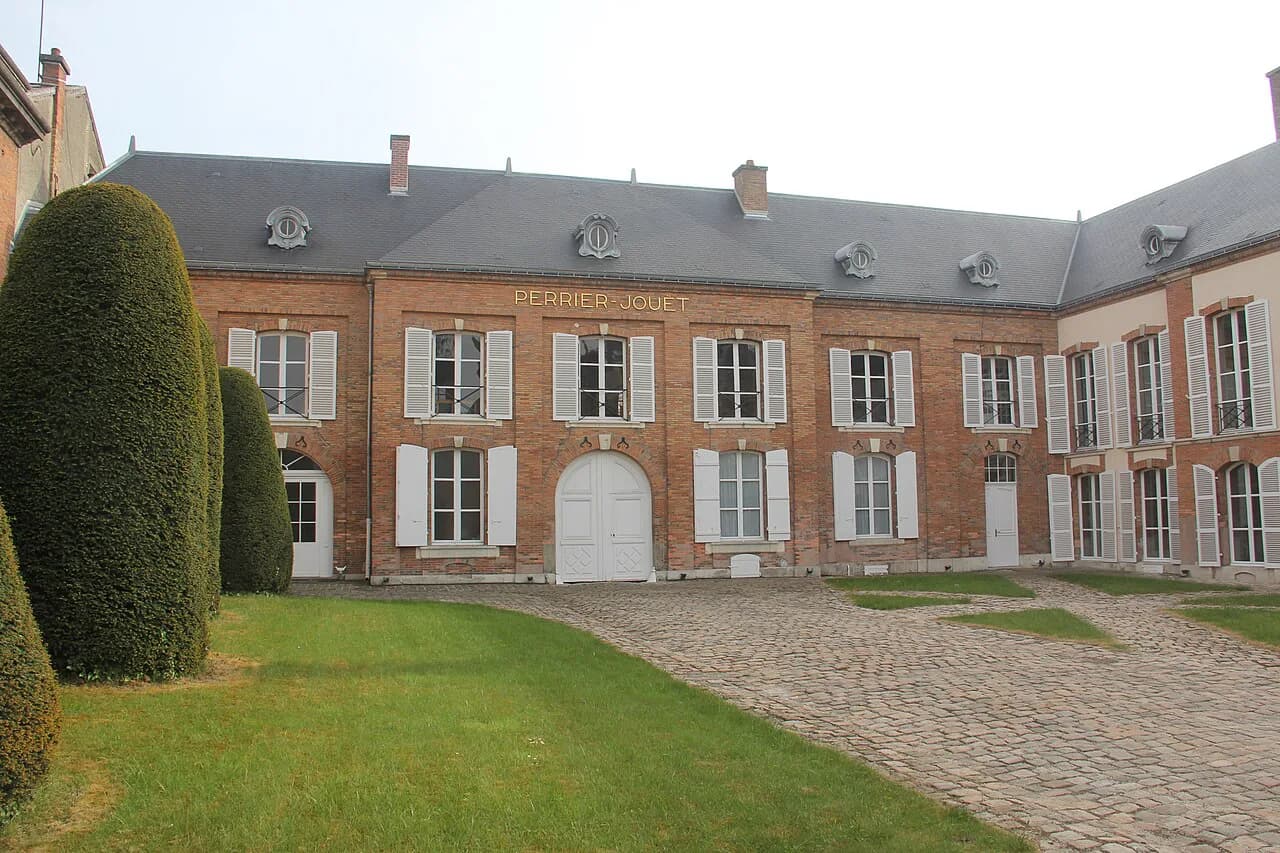
The Perrier-Jouët house appears to be the oldest preserved property on Avenue de Champagne, and a 1778 travel guide already described its main building set at right angles to the street. Ownership passed through several hands — Pierre Lochet-Duchainet in 1791, Jean-Louis Chanoine in 1825, Henri-Guillaume Piper in 1853, then Marie Salmon, daughter of Eugène Mercier — before the Veuve A. Devaux house took it on and Perrier-Jouët acquired it in 1927.
That lineage matters to a visitor because the stop is architectural as much as it is gustatory. You are looking at a residential complex that grew in phases rather than a modern reception building dropped onto a vineyard, and the street address itself is part of the Champagne hillsides, houses and cellars listing.
Where the House Sits on the Avenue
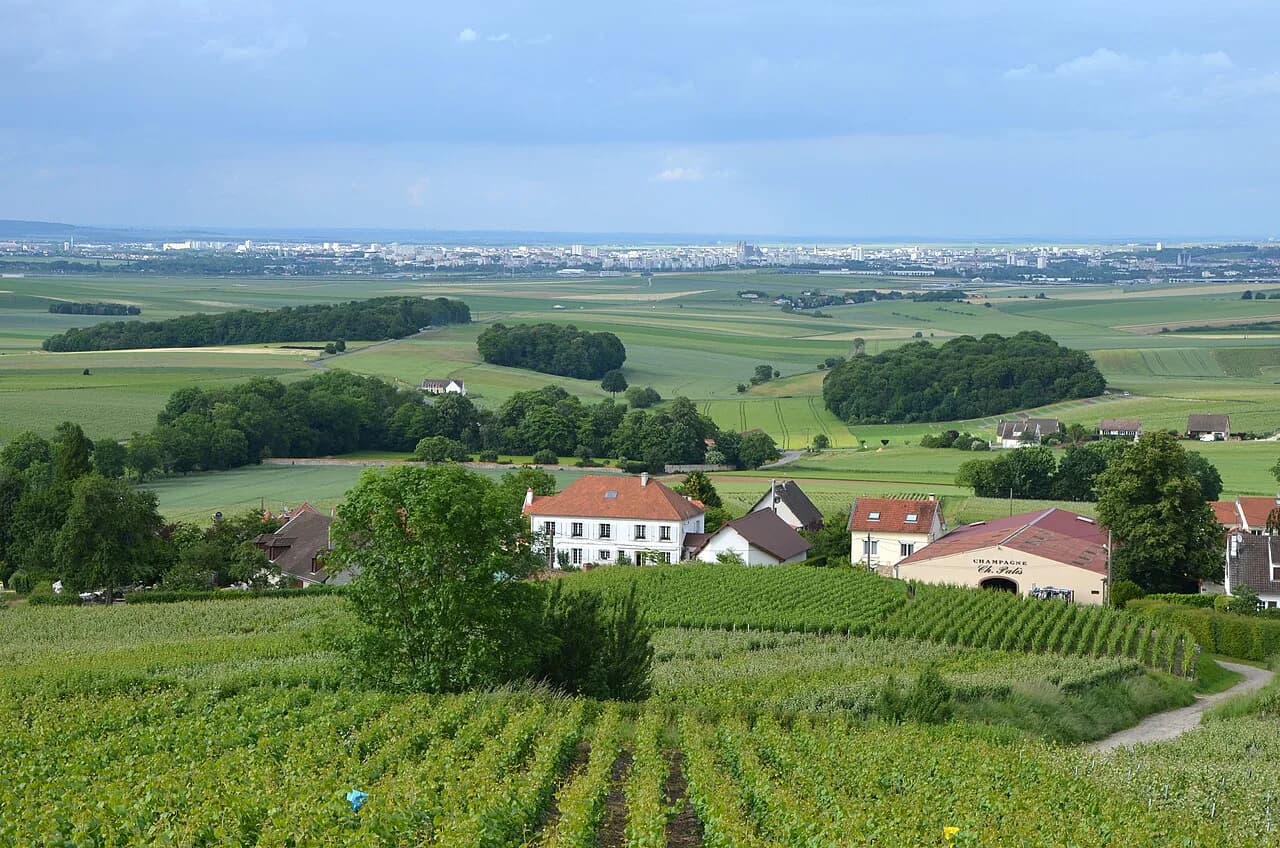
The address is 28 avenue de Champagne, 51200 Épernay, at the upper, town-end stretch of the avenue. The avenue runs roughly a kilometer from the center of Épernay out toward the vineyards, so number 28 is convenient if you arrive on foot from the town or the station.
Plan the avenue as a single walkable spine. Moët & Chandon's site and the Hôtel Moët sit close to the town end; Perrier-Jouët, Boizel, de Castellane and Pol Roger follow along the same street; the avenue's prestige mansions, including the Château de Pékin, mark the far end. Grouping two or three addresses within a few hundred meters is realistic; trying to cover the whole avenue plus a cellar tour in one afternoon is not.
Épernay's own heritage extends beyond the avenue: the Château Perrier, now a champagne museum, and the town's vineyard viewpoints give the day variety if a morning visit finishes early. The tourist office publishes a map of the avenue that makes the sequence of house numbers easy to follow.
The Property Itself: Courtyard, Gateway and Cellars
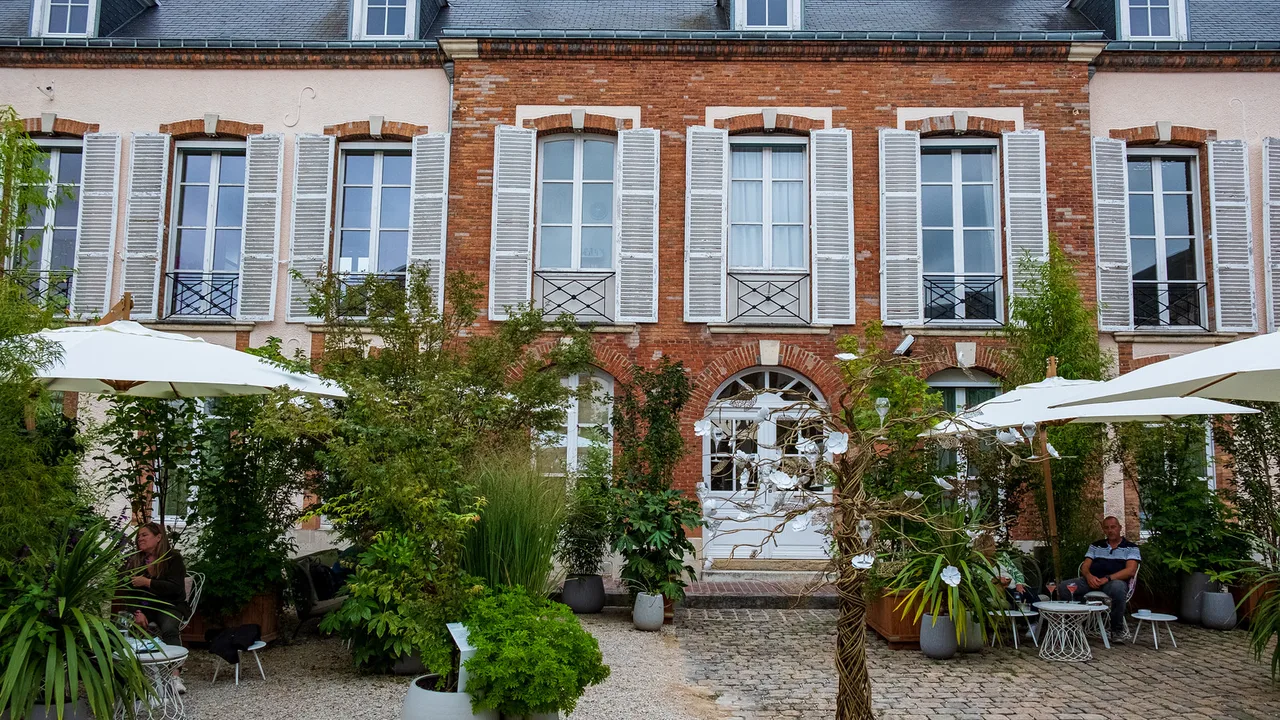
The 18th-century main building separated a paved courtyard from a garden, both facing the street. The courtyard was enclosed by a low wall with cast-iron railings and a gateway in Egyptian style — columns with pyramid-shaped overhangs crowned with sphinxes — which remains the most distinctive detail on the facade.
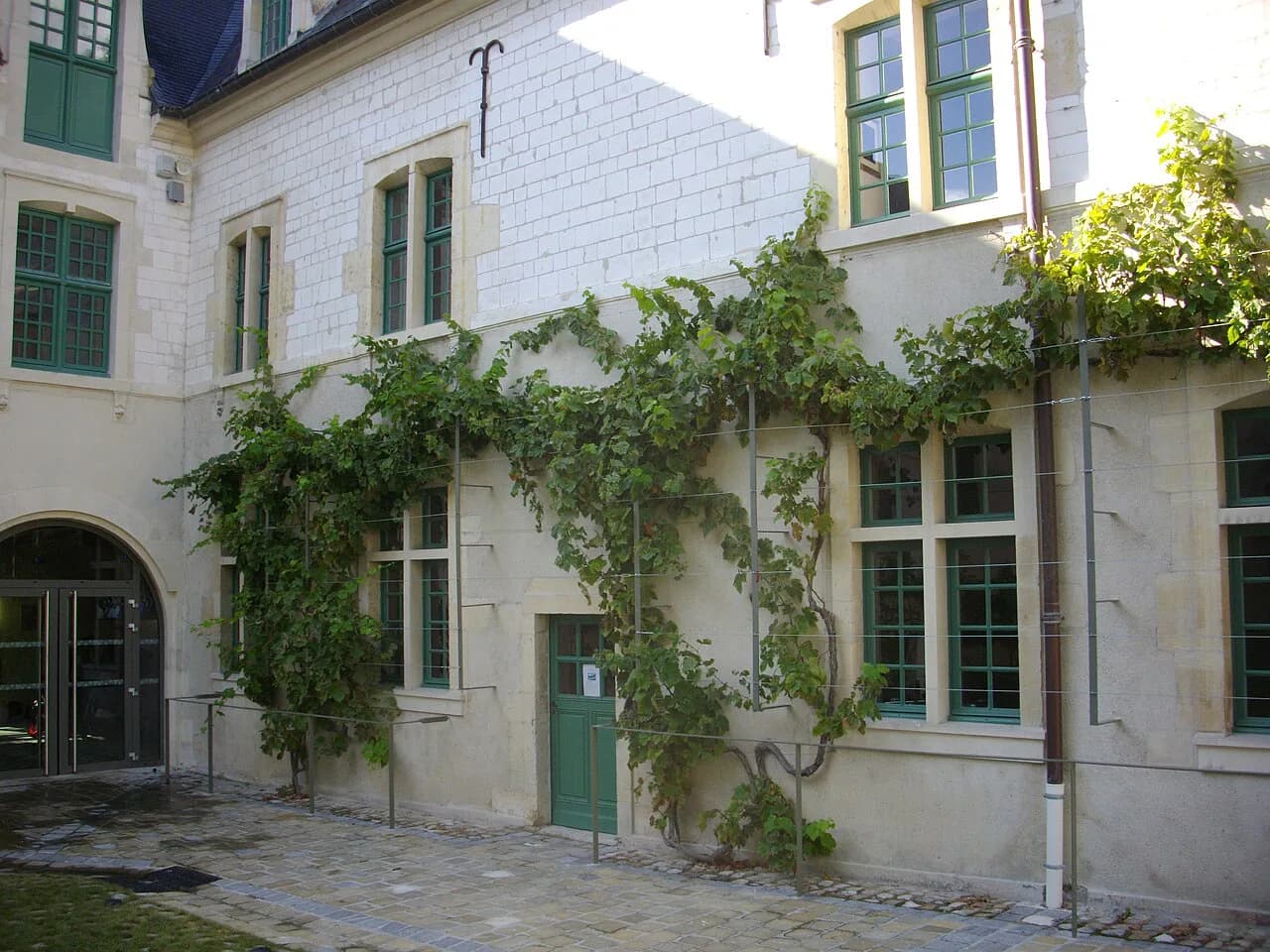
Inside, the older west wing, built before 1778, keeps its classical volumes, large windows and period interiors with marble fireplaces and curved wooden panelling. Under the First Empire a brick wing was added at right angles to create a second set of living quarters, giving the complex its layered, lived-in character.
Beneath it all, extensive cellars were built in the mid-19th century. That underground footprint is typical of the avenue, where chalk extraction and cellar excavation shaped the street as much as the facades did — a reason to look at the ground you are walking on, not just the buildings.
The Wines in Brief: What Perrier-Jouët Is Known For
Perrier-Jouët is associated above all with Chardonnay-led blends, a style rooted in the Côte des Blancs vineyards south of Épernay. The house's prestige cuvée is Belle Époque, recognizable by its anemone-decorated bottle, and the Maison Belle Époque is the name attached to the Art Nouveau mansion that forms part of the property.
Champagne itself is a blended wine: Chardonnay brings line and freshness, Pinot Noir structure, and Pinot Meunier roundness and early charm. Knowing this helps you read a tasting list on the avenue, where houses lean in different directions — Chardonnay-led, Pinot Noir-led or a balance of the three. To see how the same Chardonnay emphasis shapes another region's cellars, the Burgundy comparison in the Dijon wine guide is a useful next read.
For a broader frame on the region's styles and villages, the wine tasting in Reims guide covers the Montagne de Reims and Côte des Blancs appellations in more depth before you commit to a single house.
Planning the Visit: Booking Culture at a Champagne Maison
Visits at the grandes maisons on Avenue de Champagne generally run by appointment or by timed slot, with groups small enough for a guide to lead through the cellars. Walk-in tasting is more common at the avenue's smaller houses and wine bars; at a house of this scale, arriving without a booking during high season risks finding the day's slots already allocated.
The house's own website — Perrier-Jouët publishes one under its own name — is the place to look for the current visitor offer and to send a booking request or ask for the reservations email. The UNESCO heritage page gives the street address and the house's telephone number if you prefer to call.
Perrier-Jouët also operates a terrace and courtyard space at the house, which visitors have described as a quiet, patio-like spot for a stop along the avenue. Whether the terrace is open to non-booked guests depends on the season and the day, so treat it as a bonus rather than the plan.
Before you book, settle four things in writing: the language of the tour, how many cuvées are poured and which, whether the cellars are included or the visit is tasting-only, and whether food is served or can be arranged. These vary by house and by package, and they change what the day costs you in time.
Visiting from Reims vs. Staying in Épernay
Reims is the larger city, with the cathedral, the major houses and more hotels and restaurants, but Épernay is the base that makes an avenue day effortless. If you stay in Épernay, the avenue is a short walk from the town center and you can start early, break for lunch and continue without watching a clock.
From Reims, the practical no-car option is the regional train to Épernay, then a walk of roughly twenty minutes from the station to the middle of the avenue. Services run through the day rather than on a fixed hourly pattern, so build in slack for the return and buy a flexible ticket if the day may run long.
For the Reims side of the trip, the champagne houses in Reims page sets out which houses you can visit in the city and how they compare with the Épernay maisons, which helps you decide whether to split the two towns across two days or pick one.
Doing the Avenue Without a Car
The train from Reims to Épernay is the backbone of a car-free day, and once in town everything on the avenue is on foot. A taxi from the station to number 28 is worth it if you are carrying luggage or arriving close to a booked slot; a local taxi rank or ride-hailing app covers the return when legs are tired.
Bicycles are another sensible option: the avenue is flat and the ride from Épernay center takes minutes. The catch is that a bike leaves you exposed to weather and, more importantly, tempts you to taste and ride — so treat cycling as transport to the tasting, not between tastings.
If you would rather hand over the logistics, champagne tours from Reims handle the drive, the bookings and the route between houses, usually with a small group and a fixed schedule. The trade-off is less flexibility on the avenue itself: a tour gives you a curated two or three stops but not the freedom to linger in a courtyard or add an unplanned tasting.
Pairing Perrier-Jouët With Other Avenue Houses
A realistic single day on the avenue is two cellar visits plus one relaxed tasting or terrace stop. A sensible sequence starts near the town end for a morning visit, walks the avenue to Perrier-Jouët for a midday slot, and finishes with a smaller house or a wine bar where no reservation is needed.
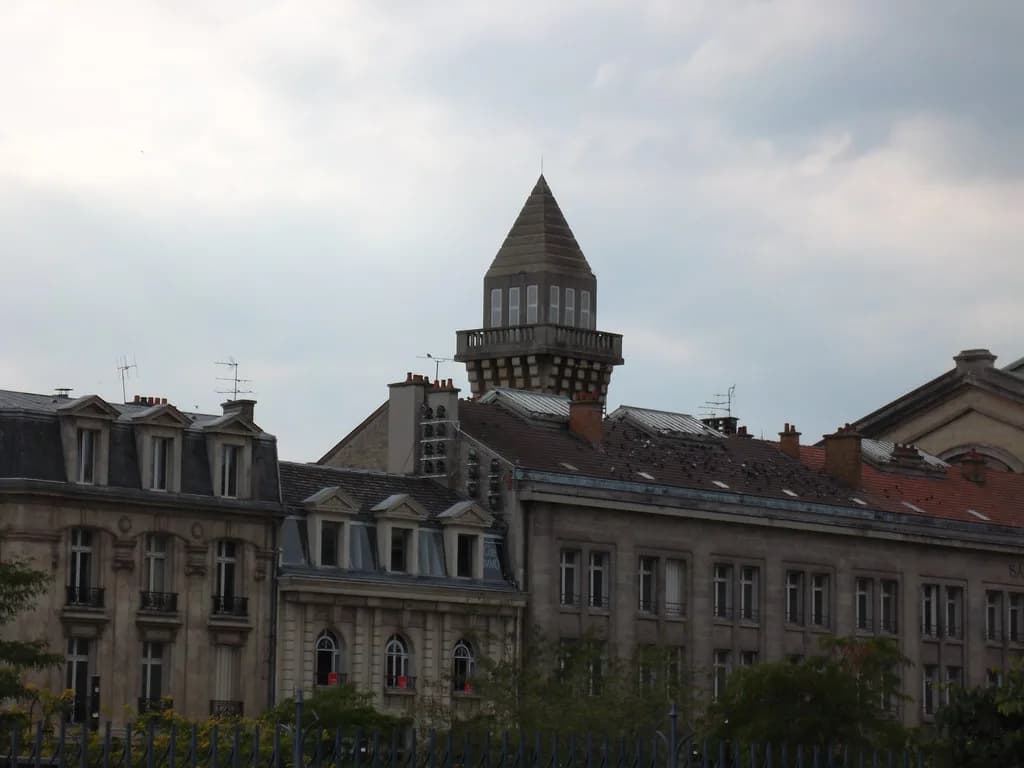
Perrier-Jouët pairs naturally with the heritage walk itself: de Castellane's tower, the Hôtel Moët and the Château de Pékin all sit on the same street and can be seen from outside without a booking. Save the deeper visits for houses whose style you actually want to compare, since three cellar tours in one day tend to blur together.
If Reims is on your itinerary too, a Taittinger Tour in Reims offers a useful counterpoint: Saint-Nicaise chalk crayères under the city rather than Épernay's avenue cellars. Seeing both makes the scale of Champagne's underground architecture clear.
Practical Timing: Seasons, Weekdays and Half-Days
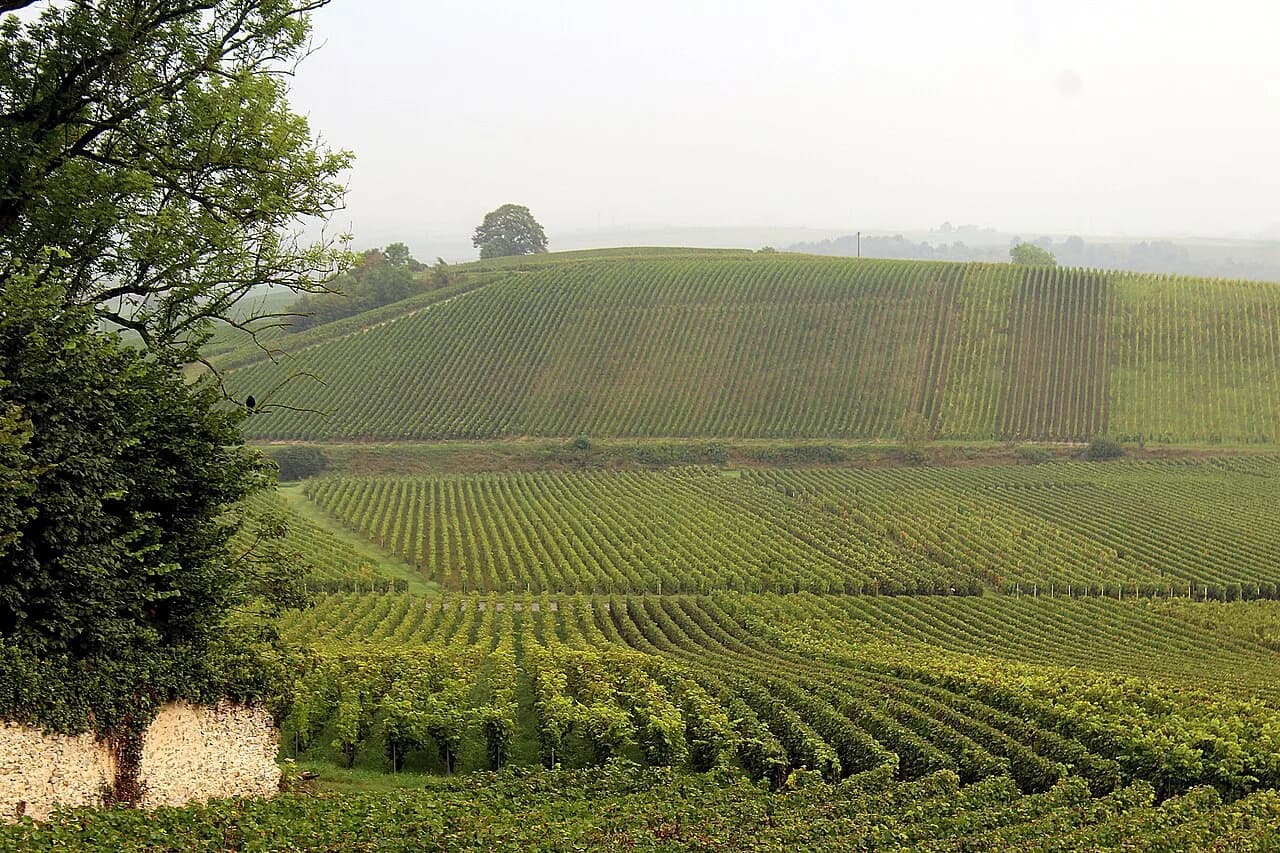
The Champagne harvest generally runs from late August into September, and the weeks around it are busy in the vineyards and in town. Late spring and early autumn are the most comfortable for walking the avenue, while deep winter is quiet, cold and the season for cellar visits rather than vineyard views.
Midweek visits are easier to book than Saturdays, when local visitors and day-trippers from Paris fill the slots. A half-day structure works well: one booked cellar visit in the morning, a walk along the avenue with a terrace stop, and a second tasting only if the first left you wanting more.
Check the house's published visitor calendar before fixing your dates, since cellars close for maintenance and staff holidays at points in the year. Building one flexible afternoon into a multi-day trip means a closed door never costs you the whole day.
What to Ask When You Book
Ask how long the visit lasts and how much of it is walking versus standing in a cellar, because chalk cellars involve stairs and cool, damp air. Ask how many people are in the group, whether the tour language is English, and whether photography is allowed in the cellars.
Ask which cuvées are poured and whether the prestige Belle Époque is included or available as an upgrade. Prices and package contents differ by house and by season, and the house publishes its current visitor prices on its own booking pages rather than on third-party listings.
Finally, give the house your mobile number and a realistic arrival time, especially if you are coming from Reims by train. Late arrivals for timed cellar slots are the most common way a booked visit is lost.
Plan Your Day on Avenue de Champagne
Perrier-Jouët's house at 28 avenue de Champagne is the historical anchor of an avenue that rewards slow walking: a documented 18th-century building, an Egyptian gateway, a 19th-century cellar and a house style built on Chardonnay. Book a visit through the house's own channel, confirm the package details, and give yourself time for the street itself.
One responsible-drinking note: if you are driving, do not taste — use the spittoons, nominate a designated driver, or take a tour or the train back to Reims. Champagne rewards the visitor who plans the transport first and the tastings second.
Frequently Asked Questions
Where is the Perrier-Jouët house in Épernay?
It is at 28 avenue de Champagne, 51200 Épernay, on the town-end stretch of the avenue. From Épernay station the walk takes roughly twenty minutes; a taxi covers it in a few minutes.
Can you visit Perrier-Jouët without an appointment?
Maison visits in Champagne usually run by appointment or timed slot, and a house of this size is best booked in advance through its own website. Walk-in tasting is more realistic at smaller avenue houses and wine bars, and the courtyard terrace may be open without a booking depending on the day.
Who owns Perrier-Jouët today?
Perrier-Jouët has owned the property at 28 avenue de Champagne since 1927, according to the heritage record for the avenue. The house continues to operate the site as its Champagne base in Épernay.
How do you get to Avenue de Champagne from Reims without a car?
Take the regional train from Reims to Épernay, then walk about twenty minutes to the avenue or take a short taxi ride. Services run through the day rather than on a fixed hourly pattern, so allow slack for the return journey.
Which Champagne houses can you visit on Avenue de Champagne in one day?
Two cellar visits plus one relaxed tasting or terrace stop is a realistic day. Perrier-Jouët, Boizel, de Castellane and Pol Roger all sit on the avenue, with the Hôtel Moët and the Château de Pékin visible from outside without booking.
How much does a Perrier-Jouët tasting cost?
The house publishes its current visitor prices and package contents on its own booking pages, and they vary by season and by which cuvées are poured. Ask for the latest price list when you request a date rather than relying on third-party listings.
Is Avenue de Champagne walkable from Épernay train station?
Yes. The avenue runs about a kilometer from the town center out toward the vineyards, and the walk from the station to the middle of it takes roughly twenty minutes on flat streets. Comfortable shoes matter more than distance, especially for cellar stairs.
Sources
Notes for your next wine trip
Optional updates to our winery and wine-town guides.
You might also like
Continue reading
More guides you'll find useful