Santorini Wine Museum: Cave Visit, Tasting and Getting There
What the Koutsoyannopoulos cave museum in Vothonas includes, how tours and tastings work, seasonal opening hours, and how to get there without driving.
On this page
The Santorini Wine Museum that most travelers mean is the Koutsoyannopoulos Wine Museum & Winery in Vothonas, an inland village on the road between Fira and the airport side of the island. It is not a museum in Fira or Oia, and it is not perched on the caldera: the whole point is that you go below ground into a cave carved out of the volcanic rock. Plan it as a half-day inland excursion rather than a stroll from a caldera-view hotel.
Where the Koutsoyannopoulos museum sits in the wider picture of wine tasting in Santorini is worth understanding, because the island's wine stops fall into two rough groups: caldera-edge wineries with the famous view, and inland estate or museum visits built around the wine itself. If your trip is still at the outline stage, the broader wine tasting guide is the place to start; use this page to decide how the cave museum fits your day. The same inland-estate-versus-view split shapes wine tasting in Chania, so the Chania wine guide is a useful comparison if you are weighing Greek islands.
What the Santorini Wine Museum Actually Is
The Koutsoyannopoulos Wine Museum & Winery occupies a natural cave eight meters below ground and about 300 meters long, laid out as a labyrinth of exhibits. The family behind it traces four generations of winemaking and built the museum to show the working life of Santorini vine-growers from the 1600s to the present. That combination, a museum route plus a functioning winery, is the reason to come; it is not a small display room attached to a tasting bar.
The address is in Vothonas, Santorini 84700, and the site publishes phone numbers and an email address for contact alongside its online booking. Because the museum is underground and inland, it has no caldera view and no sunset terrace; if a view is your priority, the caldera-side wineries belong on a different part of the itinerary. Treat the museum as the educational, cooler, more structured stop of a wine day.
Where Vothonas Sits in the Santorini Wine District
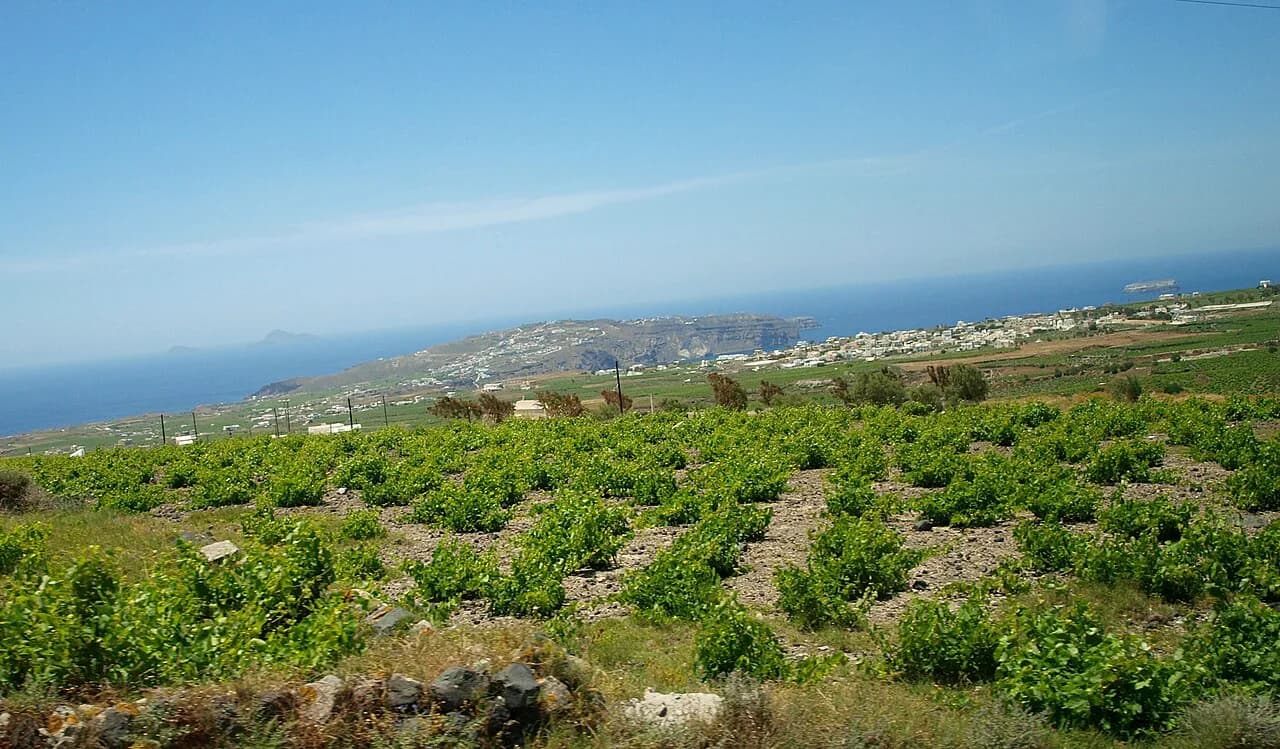
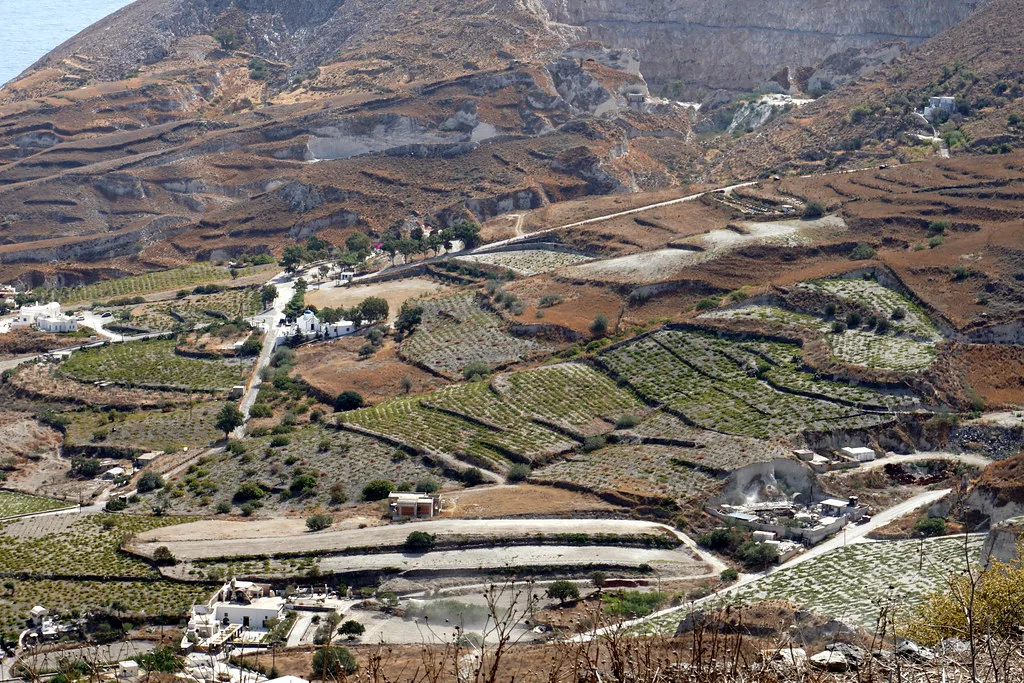
Santorini's wine country is small but scattered. Vothonas sits inland, roughly in the middle of the island, within easy reach of Pyrgos and Megalochori, both of which have their own historic village cores and nearby wineries. A sensible route groups the museum with those inland villages rather than trying to shuttle between the cave and the caldera rim in the same hour.
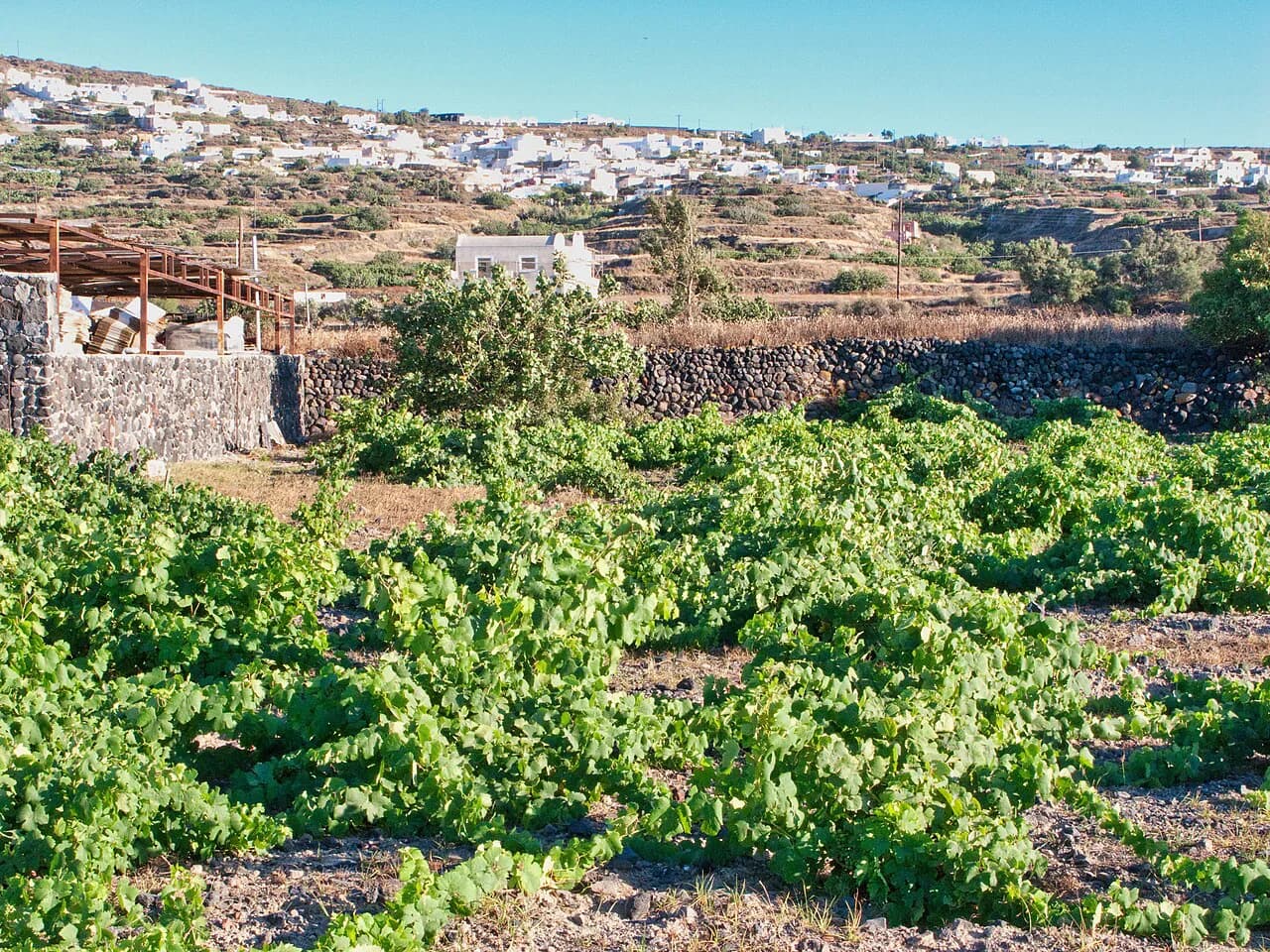
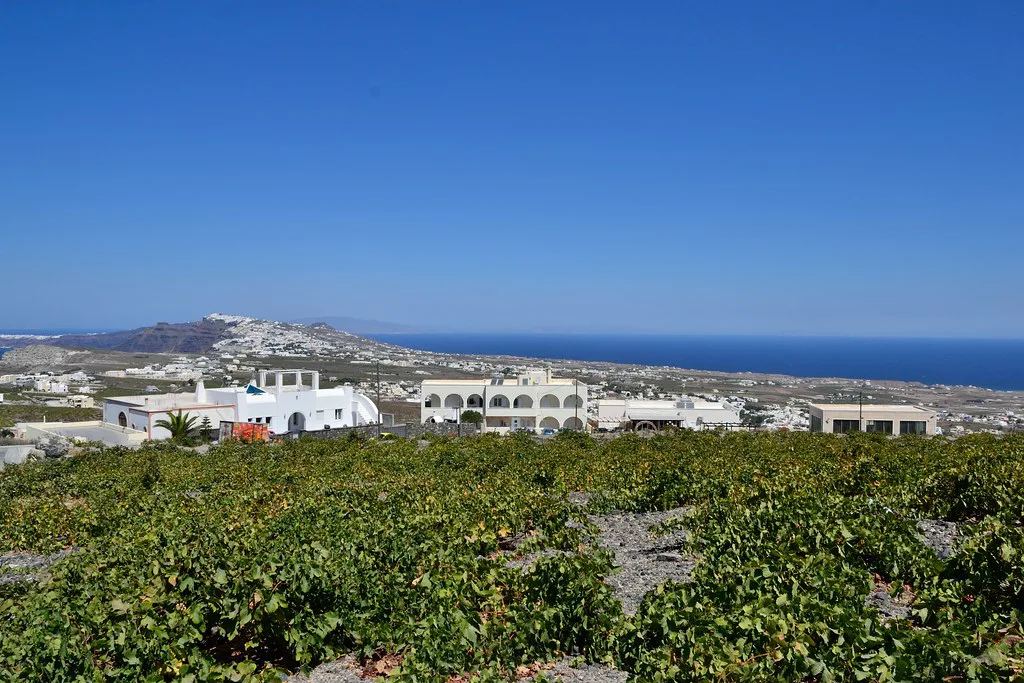
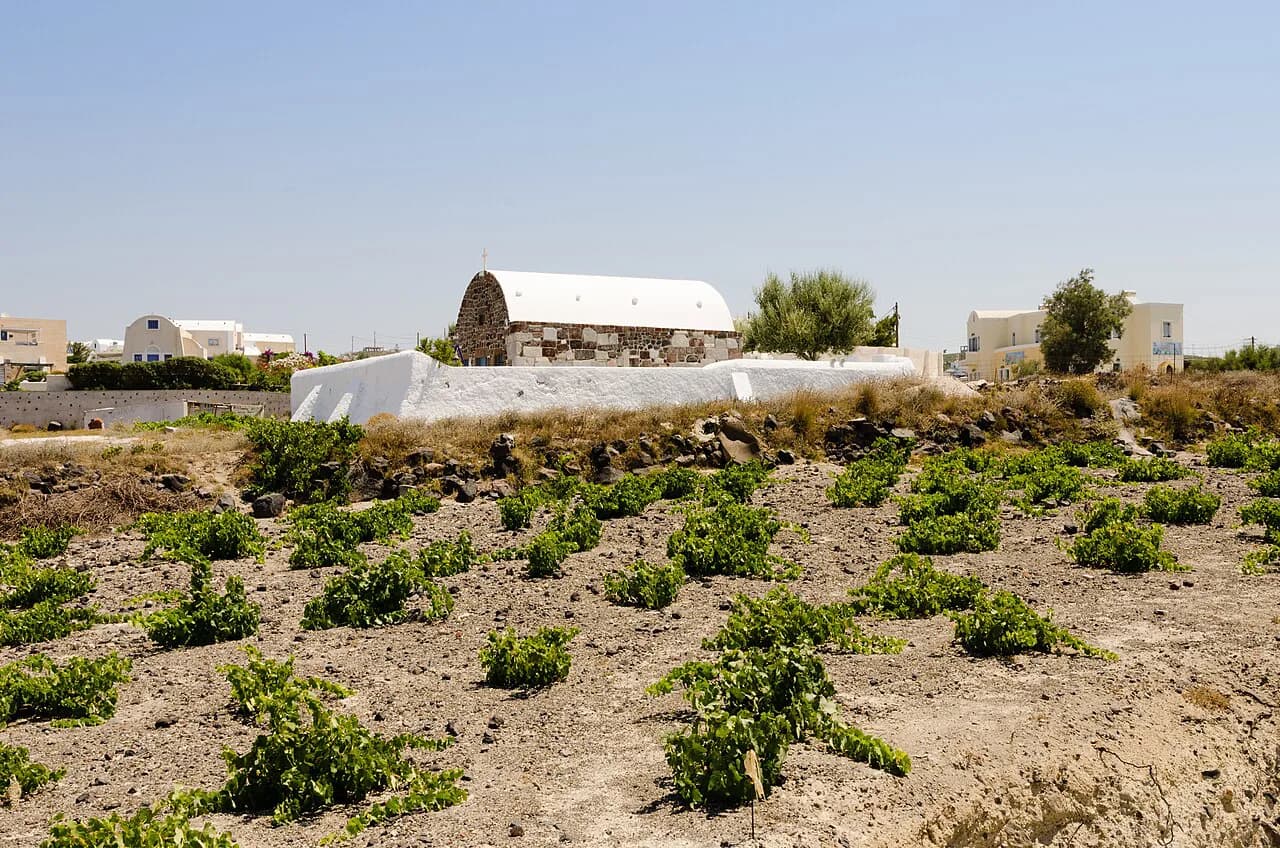
The island's vineyard landscape is distinctive: low bush vines trained into basket shapes to shelter grapes from wind, on volcanic soil. Assyrtiko is the grape that defines the island's dry whites, and Vinsanto is its historic sweet wine made from sun-dried grapes. Knowing those two names before you arrive makes the tasting room easier to navigate, and the Santorini PDO framework explains why the island's appellation rules matter to what ends up in your glass.
What You See Underground
The cave route traces the winemaking year from ploughing the vineyards through harvest, grape pressing and weighing, and on to the machinery and tools used across the generations. Exhibits include rare equipment once used by the family's great-grandparents, so the visit is as much agricultural history as wine appreciation. Allow time to read rather than powering through.
An automatic audioguide is available in 14 languages, and a printed guide in 22 languages, which makes the museum unusually accessible for a mixed-language group. If you are traveling with people who prefer to read at their own pace, the printed guide is the better option; the audioguide suits anyone who wants to keep hands free while walking the 300-meter route.
The Tasting That Comes With Entry
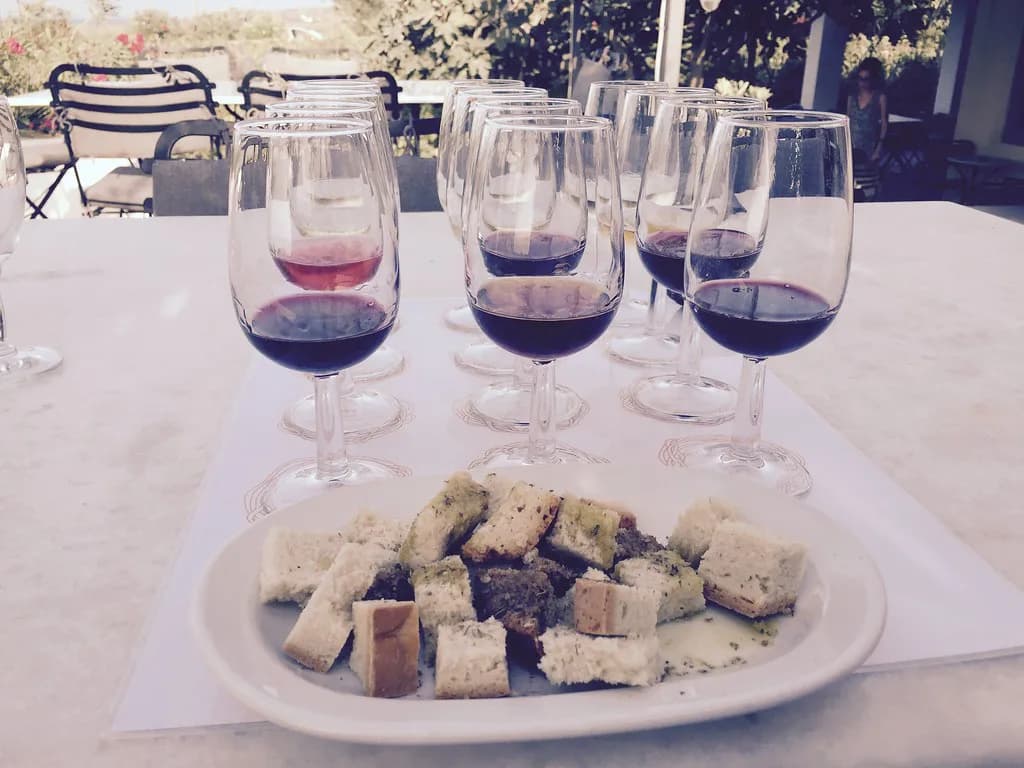
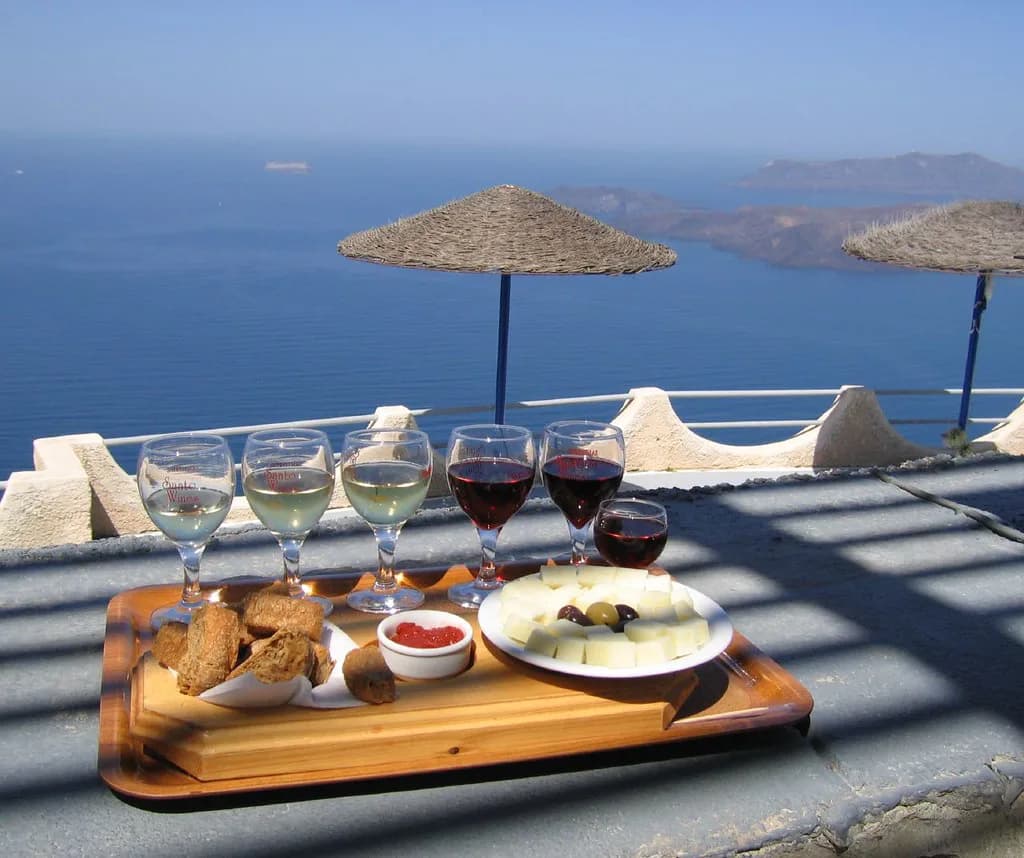
The visit ends with a tasting of four of the estate's own wines in a dedicated tasting area. The official page describes the four wines as among the winery's best and does not name specific bottles, so expect the selection to reflect what is available at the time rather than a fixed menu. Ask in the tasting room which grapes and styles you are being poured if the labels are not explained.
Museum access works as a single combined experience: separate museum-only tickets are not sold, so the tasting is part of the visit rather than an optional add-on. That matters for planning, because travelers who only want the historical exhibits still pay for and go through the tasting setup. Groups with non-drinkers should raise that when booking rather than on arrival.
Opening Hours and Seasons
Hours change with the season. From November to March the museum opens 09:00 to 17:00 Monday to Saturday and 10:00 to 17:00 on Sunday, with last entrance at 16:00. From April to October it opens 09:00 to 19:00 Monday to Saturday and 10:00 to 19:00 on Sunday, with last entrance at 18:00, so a late-afternoon arrival in high season still leaves an hour of cave time before the door closes.
Those cutoffs are last entrance, not closing time for the tasting, so budget at least an hour for the route plus the pour if you arrive near the end of the window. Shoulder-season visitors in late March or early April should check which schedule is in force on their dates, because the two blocks differ by two hours in the evening. The museum publishes the seasonal framework clearly, but the calendar boundary is worth confirming around the changeover.
Tickets, Prices and Booking
The museum sells its wine experiences through an online booking flow on its own site, and the official page points visitors to reserve entry there. Published ticket prices are not listed in the material available here, so check the booking page for the current rate rather than relying on secondhand figures, especially for family or group rates. Book ahead in high season if your dates are fixed, since last entrance times cap how many late arrivals can be absorbed.
The site also lists a phone number, a second line and an email address, which is the practical route for group events or anything unusual such as a large party or accessibility questions. The museum does not publish minimum party sizes or a walk-in policy in the pages reviewed, so check current details by phone the day before if you are arriving without a reservation. For broader options across the island, compare the organized wine tours that already include this kind of stop.
Getting There Without a Car
Vothonas is inland and not on the caldera, so the trip is a short taxi or pre-booked transfer from Fira rather than a walk. Organized cave-museum tours with hotel pickup are sold on the island, which removes the transport question entirely and typically bundles the museum with a tasting and other stops. Independent travelers should arrange a return taxi in advance, because flagging one down in a small inland village at the end of an afternoon is unreliable.
If you are combining the museum with other wineries, a driver or a tour solves the whole day rather than just one leg. Anyone behind the wheel should skip the tasting altogether, and the same applies to a scooter or ATV rental: use the spittoons, name a designated driver, or book transport. That single decision shapes the rest of your itinerary more than any opening hour.
Independent Visit or Cave-Museum Tour With Pickup
Doing it independently gives you control over timing: you can linger in the cave, take the tasting at your own pace and pair the museum with Pyrgos or Megalochori on the same afternoon. The trade-off is logistics, because you are managing a taxi or transfer to an inland village and back. Reserve the return leg when you arrive at the museum rather than hoping for a passing cab.
A tour with pickup trades flexibility for simplicity. You get door-to-door transport, usually a guide or at least a fixed schedule, and no need to think about parking or driving, which matters if your group intends to taste seriously. What you give up is the ability to change plans mid-day or stay longer than the schedule allows. Compare the two against how many other stops you want that day, not just against each other.
Pairing the Museum With Other Tasting Stops
A coherent day pairs the cave museum with one or two more stops rather than cramming in four. The museum's cave route takes real time, and the four-wine tasting adds more, so inland stops in Pyrgos and Megalochori make better companions than a dash to the caldera edge. Build the day around a morning or early-afternoon museum slot and let the rest follow.
Caldera-side wineries are the other half of the story, and some, such as Santo Wines near Pyrgos, sit close enough to the inland loop to fit a second stop without a long drive. If Assyrtiko is your reason for coming, a visit to Domaine Sigalas, Santorini's best-known estate in the north, works well as a separate half-day rather than being squeezed into a museum day.
Santorini Wines to Know Before You Go
Assyrtiko is the island's signature white: high in acidity, grown on volcanic soil, and often described as mineral and saline. It is the wine to order first if you want to understand what Santorini tastes like. Vinsanto, made from sun-dried grapes, is the historic sweet wine and is usually poured in small measures, so it suits the end of a tasting rather than the beginning.
Athiri and Aidani appear in blends, and the island's reds tend toward lighter styles; the Santorini PDO rules shape what can carry the name. Knowing that framework helps you read labels and ask useful questions in the tasting room, and it makes a visit to the museum's working winery more than a walk through old tools. If your trip is built around the island's wines more broadly, the wine tasting in Santorini guide covers the practical landscape.
Practical Notes for the Cave Visit
The route is underground and 300 meters long, so wear shoes that handle uneven floors and carry a layer even in summer, since cave temperatures stay cool. The museum opens late enough in high season that a pre-dinner slot is feasible, but last entrance at 18:00 from April to October means arriving by then, not starting the drive at that hour.
Groups planning to stay overnight in the area should look at the winery hotel santorini options, which put you closer to the inland wine stops and reduce the amount of taxi time in the day. The museum itself does not publish accommodation details, so arrange lodging separately and confirm transfer arrangements at the same time as your booking.
Plan Your Cave Museum Visit
The Koutsoyannopoulos Wine Museum works best as a structured inland half-day: book the combined museum-and-tasting experience online, arrive before the seasonal last entrance, and sort out transport to Vothonas before you set off. Pair it with Pyrgos or Megalochori rather than the caldera rim, and keep the day to one or two tasting stops so the cave route and the four wines get the time they deserve.
Check the booking page for the current price and any group arrangements, and ask about party size or accessibility when you write or call. If you are building a wider Santorini itinerary around the island's wineries, use the winery guide to plan the rest of the trip around the museum rather than the other way round.
Frequently Asked Questions
Is the Santorini Wine Museum worth visiting?
It is worth it if you want the history and production side of Santorini wine rather than only a caldera view. The cave route covers the working life of island vine-growers from the 1600s onward, and the visit ends with four estate wines. Travelers who mainly want sunset terraces should build a separate caldera-side stop.
How long does the Koutsoyannopoulos wine museum take?
Budget at least an hour for the 300-meter cave route plus the four-wine tasting at the end. Reading the exhibits and using the audioguide or printed guide adds time. Arriving near the last entrance leaves very little margin, so aim for earlier in the day.
Do you need a reservation for the Santorini Wine Museum?
The museum sells its wine experiences online and points visitors to reserve there, and booking ahead is sensible in high season when last entrance times cap late arrivals. Walk-in availability is not published, so call or email if you are arriving without a booking, especially with a group.
Does the museum ticket include wine tasting?
Yes. Museum access is sold as a combined experience with a tasting of four estate wines, and separate museum-only tickets are not offered. That means the tasting is part of every visit, which is worth knowing if some members of your group do not drink.
How do you get to the Santorini Wine Museum without a car?
Take a taxi or pre-booked transfer from Fira to Vothonas, and arrange the return leg in advance since the village is inland. Organized tours with hotel pickup are also sold on the island and bundle transport with the museum visit and tasting.
What are the opening hours of the Santorini Wine Museum in winter?
From November to March the museum opens 09:00 to 17:00 Monday to Saturday and 10:00 to 17:00 on Sunday, with last entrance at 16:00. Summer hours from April to October run two hours later in the evening, with last entrance at 18:00.
What wines are poured at the Koutsoyannopoulos tasting?
The official page describes four of the winery's best wines without naming specific bottles, so the selection can vary by availability. Expect Santorini styles such as Assyrtiko and, often, Vinsanto among the pours, and ask the tasting room staff to explain what you are drinking.
Can you visit the museum without doing the tasting?
No. Separate museum tickets are not available, and the cave can only be visited as part of the wine tasting experience. Non-drinkers in a group should raise that with the museum when booking rather than on arrival.
Sources
Notes for your next wine trip
Optional updates to our winery and wine-town guides.
You might also like
Continue reading
More guides you'll find useful