Venetsanos Winery, Santorini: A Guide to Tastings & Views
Plan a visit to Venetsanos Winery above Athinios port: gravity-flow cellars, caldera-view tastings, booking rules and how to arrive from Fira without driving.
On this page
Venetsanos is the Santorini winery you choose for the setting as much as the glass: a working winery cut into the caldera wall above Athinios port, with a terrace that looks straight down on the ferries and the water. It is not a vineyard walk in the countryside, and it is not the island's most acclaimed cellar. Treat it as a cliffside stop that pairs naturally with Megalochori village and with nearby Santo Wines, and the day plans itself.
The practical questions are narrow: where it sits, how its 1947 gravity design shaped what you tour, which of the bookable formats suits you, and how to arrive from Fira without driving. This guide answers those, names the grape varieties behind the styles you will meet, and flags the one rule that matters most when reserving, the roughly 48-hour advance online window that the winery's booking page enforces.
Why Venetsanos Sits Where It Does
Venetsanos is in Megalochori, on the caldera side of the island just above the port of Athinios, and the location is the whole proposition. Rather than a flat vineyard estate, you get a winery built into the cliff, with the caldera and the port below the terrace. That makes it a good match for an afternoon that combines a tasting with the quieter streets of Megalochori rather than a full day of vineyard visits.
Santo Wines and Venetsanos are both just outside Fira heading toward Megalochori, so they are the easiest pair to combine by car, taxi, or the public buses that serve the Fira–Perissa route. If your Santorini list is shorter than you expected, spend the extra hour here and then walk the village; if you are chasing the island's most serious cellar work, put your effort into an appointment elsewhere and keep this as the sunset stop.
The 1947 Gravity-Flow Design: What You Actually See
The winery opened in 1947, when electricity on the island was scarce, so the family designed it to let gravity move wine and must downhill through the building instead of pumping it. Only a small structure shows at street level; the working parts are beneath, cut into the caldera. That is why a visit here feels like entering a cellar rather than a tasting room, and why the building itself is the main thing to look at between pours.
Inside, vintage winemaking instruments and a small museum display trace the winery's early years, and the terrace above looks out over the caldera and the Port of Athinios. The tour formats that include the museum are the ones to pick if you want that history explained rather than simply read off a wall label. If you have already done a cave-style wine museum elsewhere on the island, you can skip the museum add-on and go straight to a seated flight.
Choosing a Tasting Format
The winery lists several distinct experiences rather than a single walk-up menu: a wine tasting with lunch, a museum tour combined with a tasting, and a sunset-at-Venetsanos experience. Choosing between them is mostly a question of time and appetite. The lunch option suits a long midday stop; the museum-plus-tasting suits a first visit where you want the 1947 building explained; the sunset format suits travelers who want the caldera light as the main event.
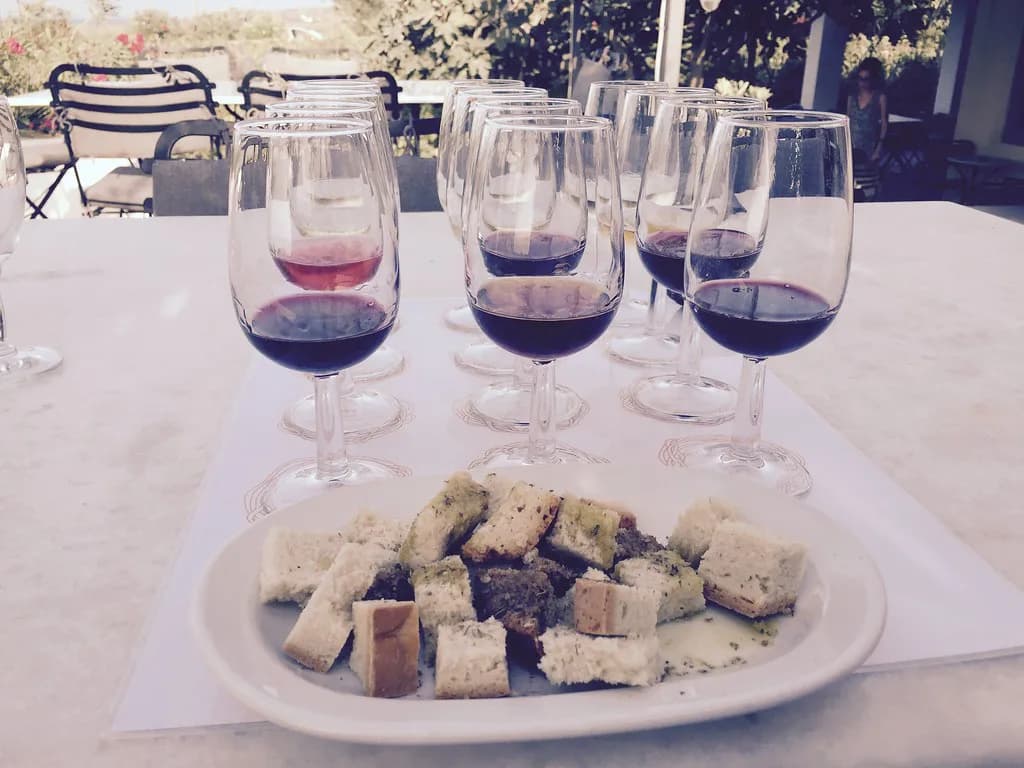
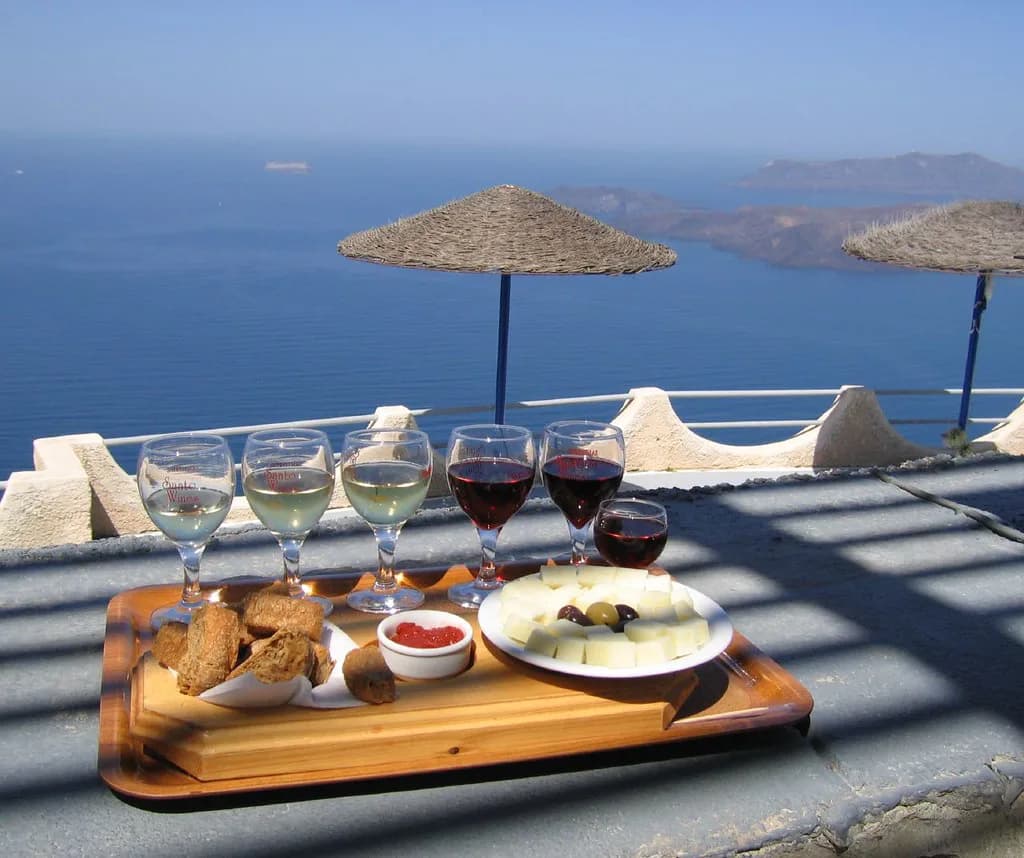
The winery also promotes a light lunch and wine tasting that pairs its wines with local flavors on the caldera terrace, which is a useful shorthand when you are comparing the bookable packages. Pairings and small plates are part of the draw here, so arrive hungry rather than treating it as a quick three-glass stop. Ask at booking how many wines each format includes and whether food is built in or ordered separately, since the formats differ on both counts.
Where Venetsanos Fits in a Santorini Wine Day
A sensible day links Santo Wines and Venetsanos as a cliffside pair, with a walk through Megalochori in between or after. Santo Wines is the larger, busier cooperative experience with the broadest flights and food menu; Venetsanos is the quieter, more atmospheric stop where the building and the view carry the visit. Doing both back to back gets crowded and repetitive, so put the village in the middle to break it up.
If you want a family-run contrast, add Gavalas in Megalochori, an old stone winery whose courtyard tasting is a different register entirely from the caldera terraces. If your priority is the island's most serious whites and a proper kitchen, book an appointment at a northern estate instead and keep Venetsanos for the late afternoon. Organized wine tours routinely swap wineries based on availability, so check which estates your tour actually guarantees before booking, and if you are weighing a second island in the same trip, wine tasting in Chania makes a useful comparison for a similarly compact, bookable set of winery formats.
Getting There Without Driving
The no-car plan starts on the Fira–Perissa bus route, which has a stop at Santo Wines; from there you can walk to Venetsanos. Tell the driver where you are getting off, and carry cash, because bus fares on Santorini are paid in cash rather than by card. The trade-off is timing: buses run on a schedule you do not control, so build slack around a booked tasting slot instead of cutting it fine.
Taxis are the simpler option if you are staying in Fira or near Megalochori and want to arrive at a fixed time without the walk. A driver in your group should not taste at all: use spittoons, appoint a designated driver, or take a tour or public transport so the day stays safe. Tours that include pickup and drop-off solve the logistics but lock you into a group schedule and a fixed set of estates.
Booking: The 48-Hour Online Window and Walk-Ins
Online reservations for Venetsanos must be made about 48 hours before your visit, according to traveler reporting, and the winery accepts bookings through its own website. That window is the single most useful planning fact: a same-day online booking will not work, so reserve as soon as your dates are fixed, especially for summer and for larger groups. Ask which format you are booking, how many wines it covers, and whether the museum is included.
Walk-ins have been accommodated in quieter periods, but that is reported experience rather than a standing policy, so do not build a tight schedule around it. For the sunset slot, reserve early; the caldera-facing terrace fills first. Opening days and seasonal hours are the winery's to publish, and they change with the season, so check the winery's own site for the dates you need before finalizing.
The Wines in Context
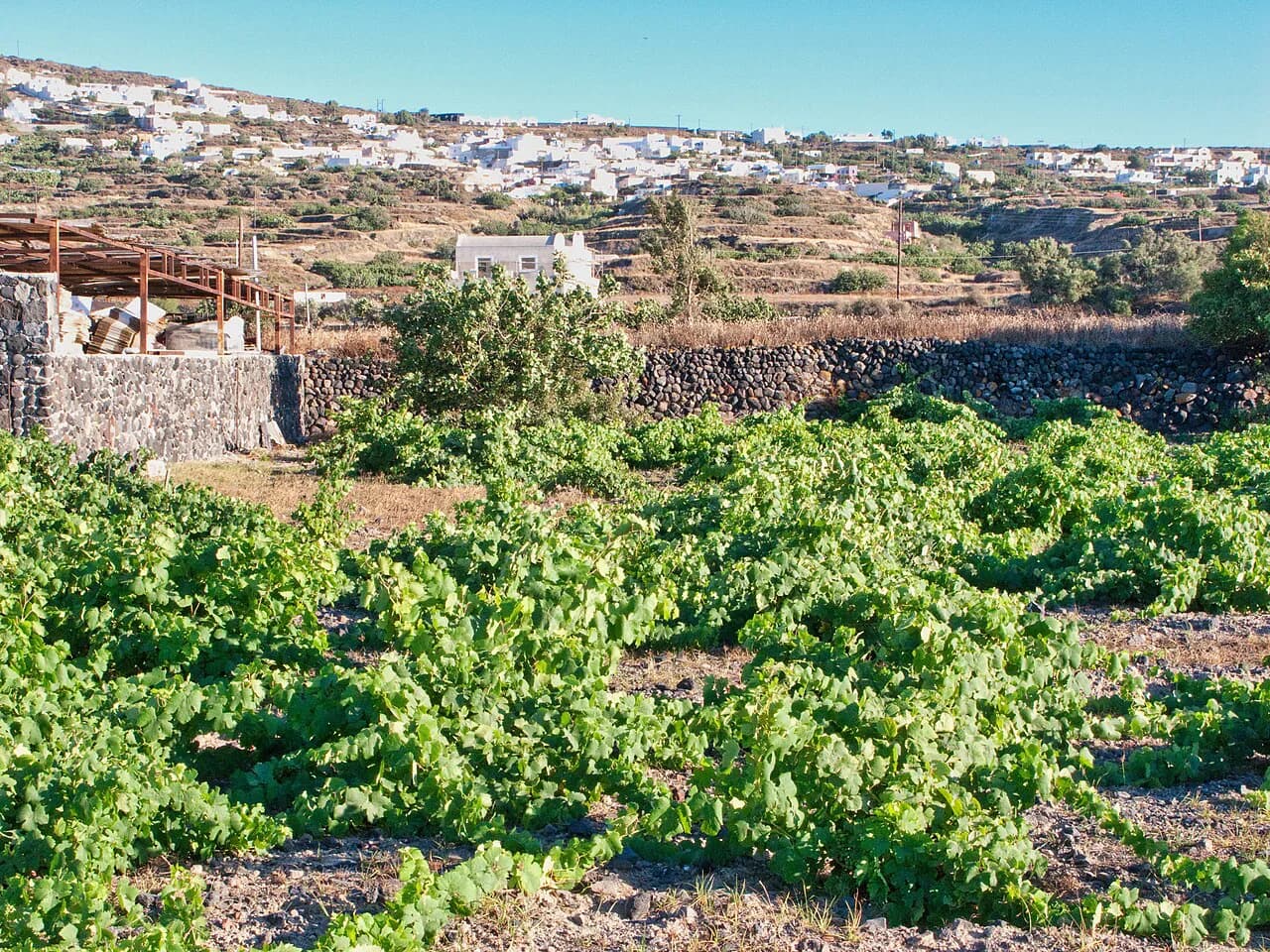
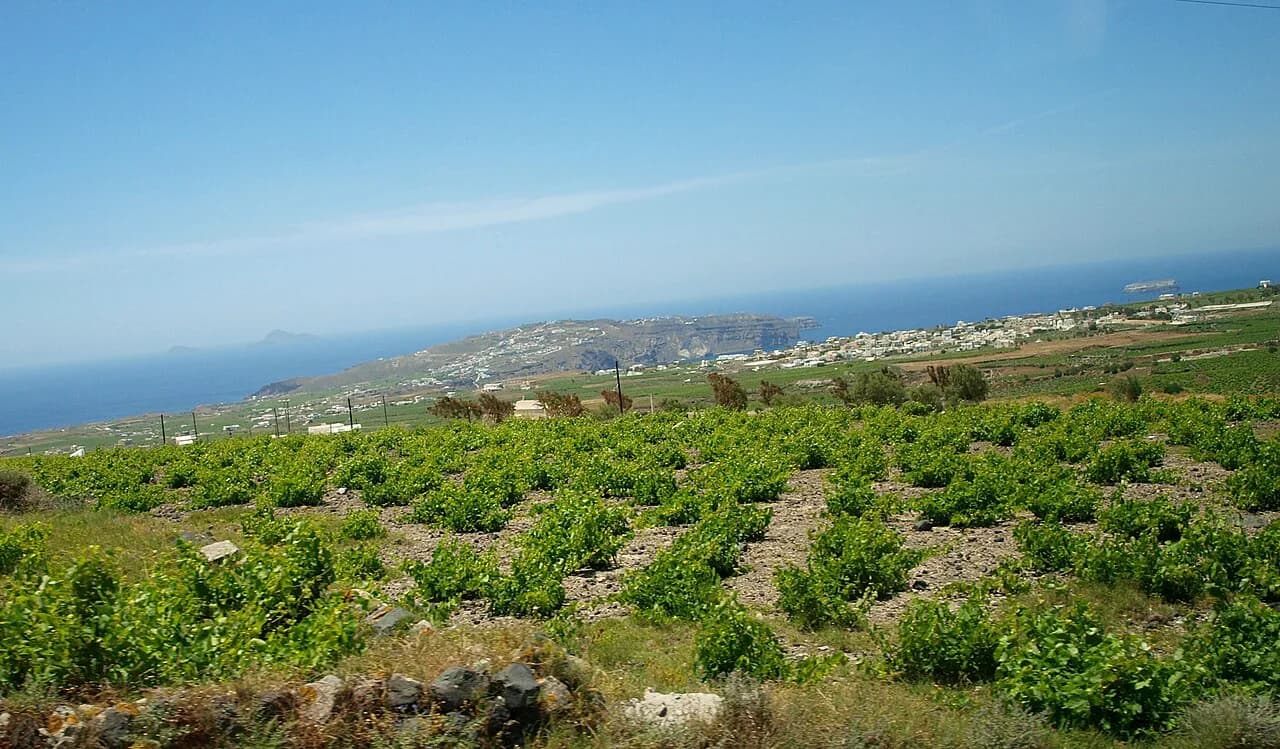
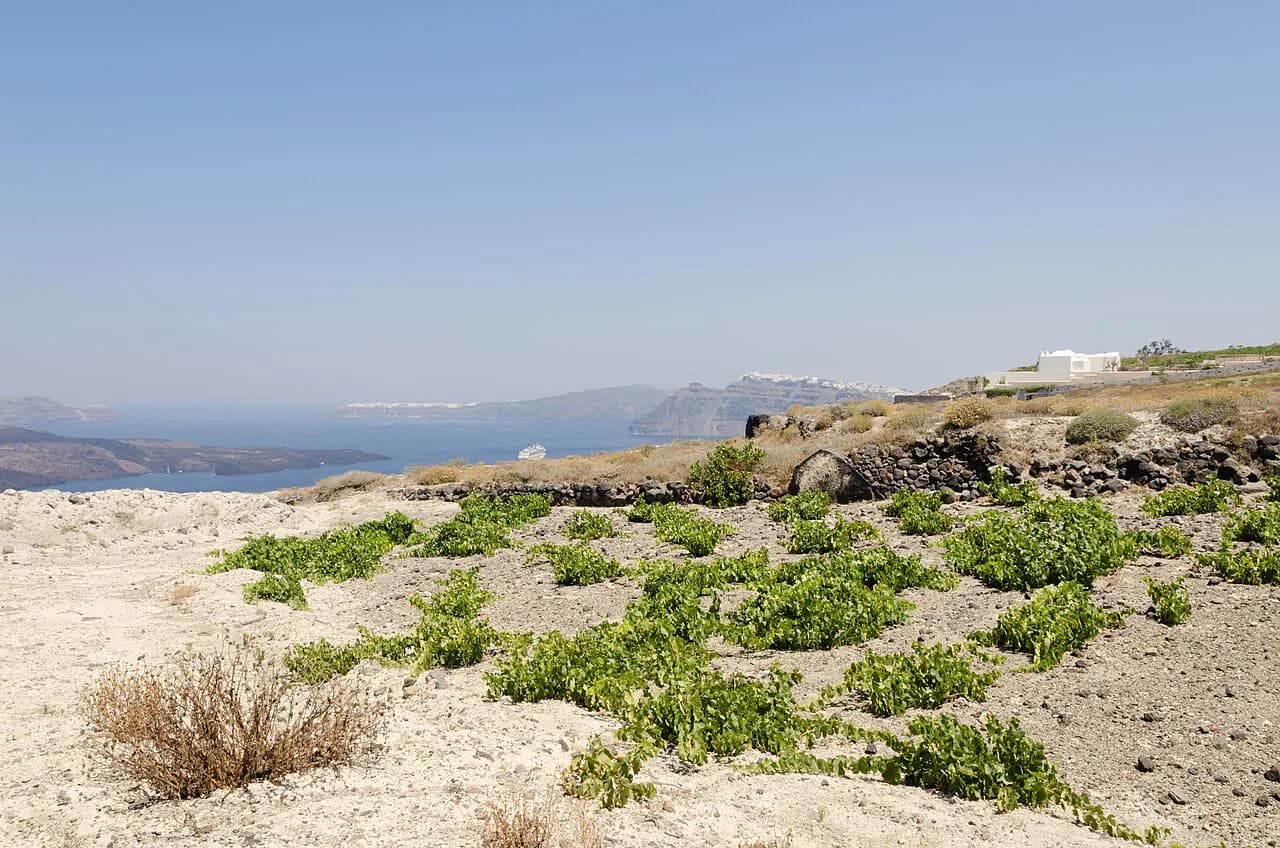
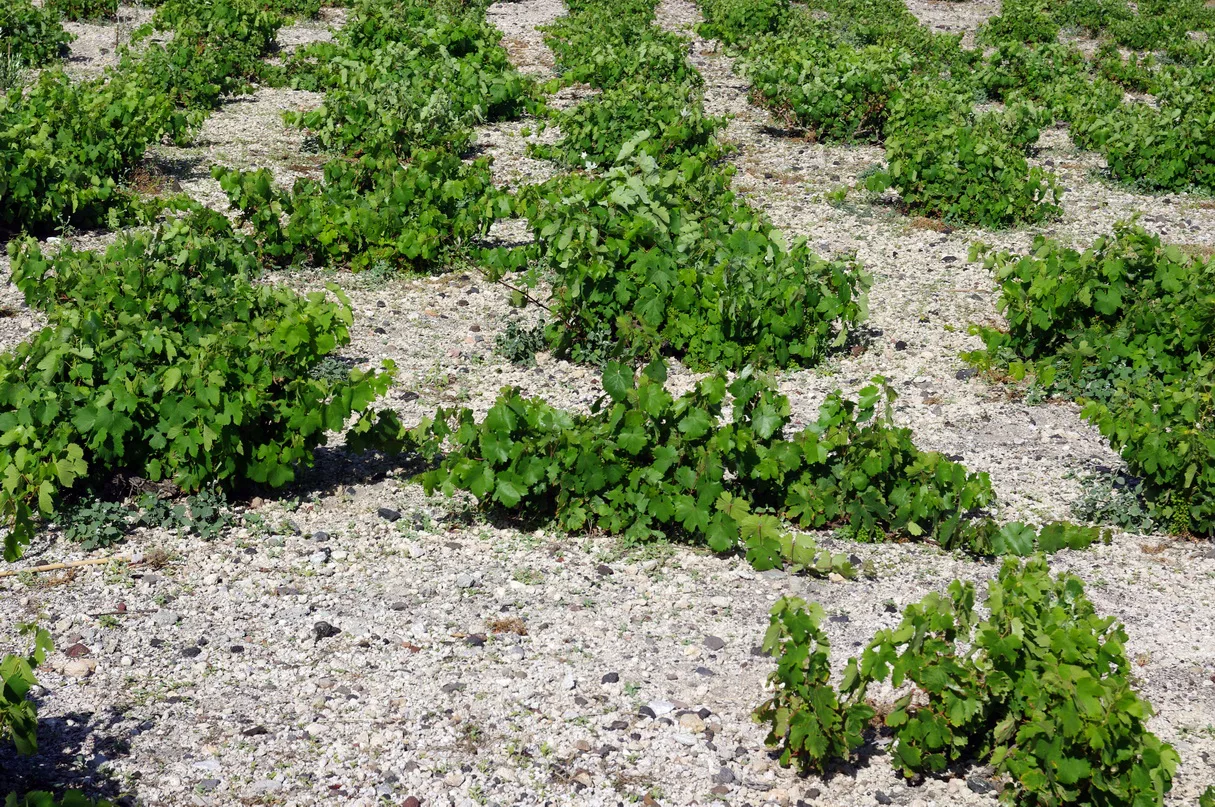
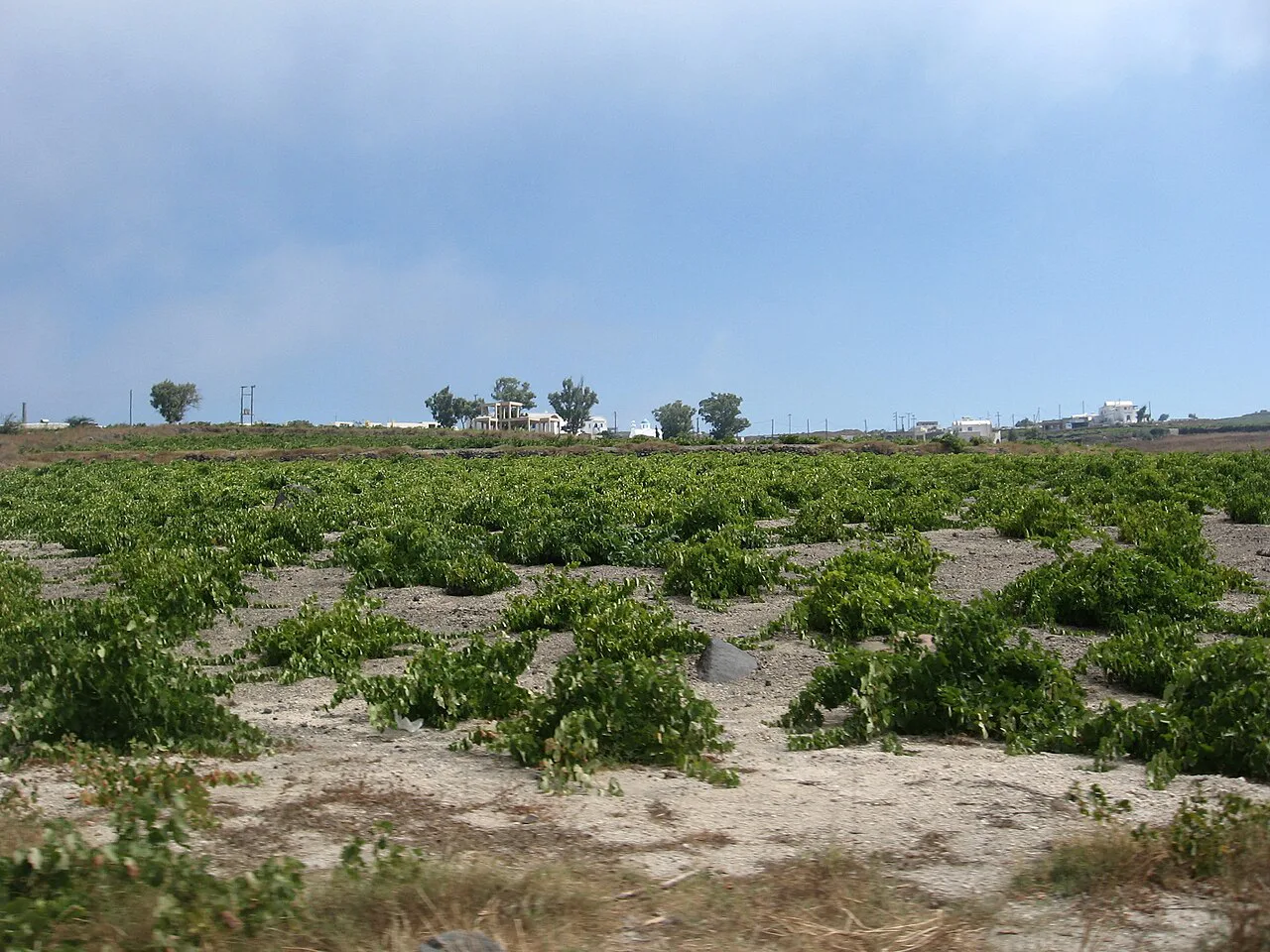
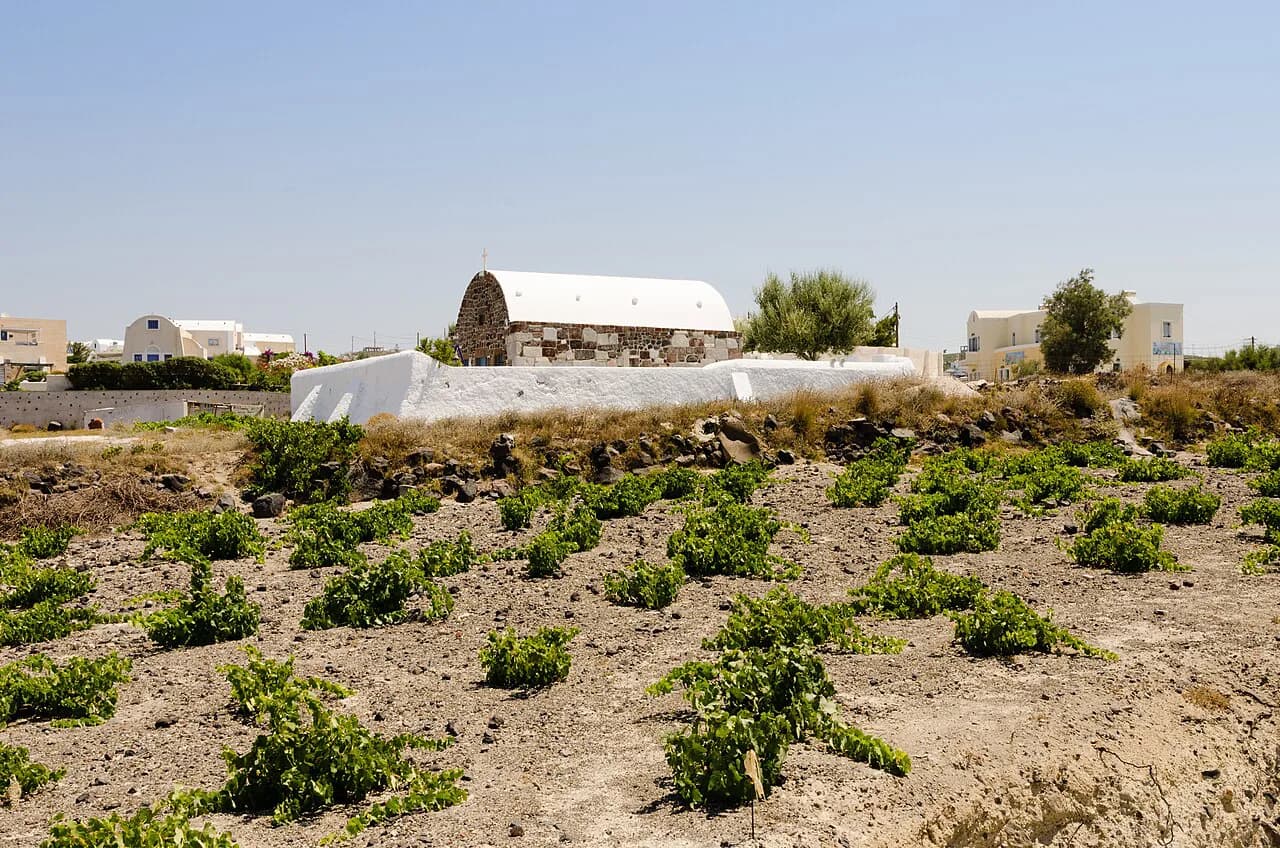
Santorini's fame rests on Assyrtiko, the high-acid white that accounts for roughly three-quarters of the island's plantings and is grown in low basket-shaped vines called kouloura to withstand wind and sun. Nykteri is the traditional barrel-aged white style, historically made from grapes picked at night, while Vinsanto is the sweet wine made from sun-dried Assyrtiko, Aidani, and Athiri. Aidani is the aromatic white that softens blends; Athiri adds fragrance alongside it.
Reds on the island lean on Mandilaria, which gives a medium-bodied, fruity wine, and Mavrotragano, the once-nearly-lost variety now made in a fuller style. Venetsanos also makes rosé and white blends from combinations of Assyrtiko, Aidani, and Mandilaria, so a flight here is a good place to see how the same grapes behave in different hands. The Santorini PDO rules cover both dry and sweet wines made on the island, which is why labels can be trusted on origin.
If you want to line up a second, more deliberately wine-focused stop, an appointment at an estate known for single-vineyard Assyrtiko makes a strong contrast with the cliffside formats here. Book that visit separately rather than folding it into a Venetsanos afternoon, because the two work at different paces.
Megalochori as a Base or a Lingering Stop
Megalochori is quiet and traditional compared with Fira and Oia, and staying or lingering there removes the ferry-and-bus scramble from a Venetsanos visit. The village puts Gavalas within walking distance and Venetsanos and Santo Wines a short drive or taxi ride away. If you are based in Fira, you can still make the afternoon work by taking the bus toward Perissa and walking between the two cliffside wineries.
Staying in the south of the island is another option: it puts the black and red beaches and the Akrotiri site closer, and the bus network is better than first-time visitors expect. The trade-off is that Oia and Fira dinners become a longer return trip in the evening. Group the wineries by geography, not by reputation, and you will spend less time in the car.
How Long to Allow, and What to Skip
Give Venetsanos about two hours for a seated tasting plus a look at the cellar and museum display, and add time if you book the lunch format. Arriving in the late afternoon gets you the best caldera light and the easiest walk-in odds outside peak season, but it is also when the sunset slots book out. If you only have one afternoon, skip the museum add-on and split the time between Santo Wines and Venetsanos instead.
Santorini roads are narrow and busy in season, which is the main argument for a taxi, a licensed tour, or the bus rather than a self-drive loop of several wineries. If you do drive, treat the car as transport only and use the spittoons at every stop. Either way, leave a buffer before any ferry or sunset dinner reservation.
Plan Your Venetsanos Visit
Book the format first, not the date: decide whether you want lunch, the museum tour, or the sunset experience, then reserve through the winery's own site with at least the 48-hour online window in mind. Once that is set, build the rest of the day around it: Santo Wines and the Megalochori village in the same afternoon, a second appointment on a different day, and a bus or taxi plan if nobody wants to drive.
Treat Venetsanos as a setting-and-hospitality stop rather than a wine-critique stop, and it will reward you with the caldera view, the 1947 building, and a relaxed terrace. Confirm the day's opening hours and the exact contents of your chosen tasting on the winery's website before you go, since seasonal schedules and package details change.
Frequently Asked Questions
Where is Venetsanos Winery located in Santorini?
It sits in Megalochori, on the caldera side of the island just above the port of Athinios, a short drive from Fira on the road toward Megalochori. Santo Wines is nearby on the same stretch, which makes the two easy to combine in one afternoon.
Do you need to book Venetsanos Winery in advance?
Online reservations should be made about 48 hours ahead, according to traveler reporting, and the winery takes bookings through its own website. Walk-ins have been accommodated in quieter periods, but that is not a standing policy, so reserve ahead for summer and for the sunset slot.
What wines can you taste at Venetsanos Winery?
The list centers on Santorini grapes: Assyrtiko, Aidani, Athiri, Mandilaria, and the island styles Nykteri and Vinsanto, plus rosé and white blends. Exact wines poured vary by the tasting format you book, so ask which flight your reservation covers.
How do you get to Venetsanos Winery without a car?
Take the Fira–Perissa public bus to the Santo Wines stop, then walk to Venetsanos, and carry cash for the fare. Taxis are the simpler option if you want a fixed arrival time; tours with pickup are the alternative if you prefer a group schedule.
Is Venetsanos Winery good for sunset?
Yes: it offers a dedicated sunset experience on a terrace that looks over the caldera and the port of Athinios. The caldera-facing tables fill first, so book that format well in advance rather than relying on a same-day request.
How long does a tasting at Venetsanos Winery take?
Allow about two hours for a seated tasting plus the cellar and museum display, and longer if you book the lunch format. Build extra time around the bus schedule if you are arriving without a car.
Sources
Notes for your next wine trip
Optional updates to our winery and wine-town guides.
You might also like
Continue reading
More guides you'll find useful