Château Sainte Roseline: Tasting & Visiting from Cannes
Plan a day at Château Sainte Roseline near Les Arcs-sur-Argens: tasting formats, cellar tours, the chapel, art and how to arrive from Cannes without a car.
On this page
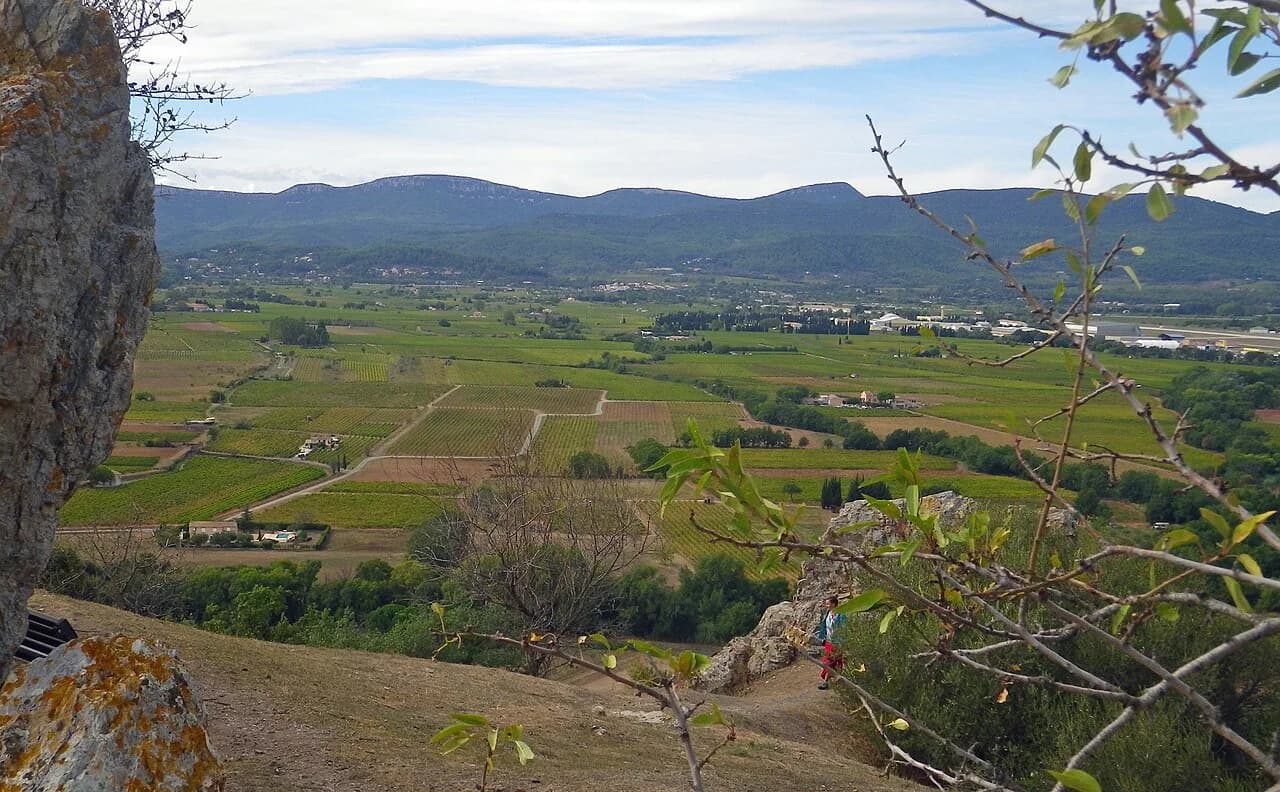
Most wine days from Cannes point west toward the Côtes de Provence heartland around La Motte and Cogolin. Château Sainte Roseline sits in the Var instead, at Les Arcs-sur-Argens, on the far side of the Massif des Maures, which makes it a different kind of outing: longer to reach, but with a chapel, contemporary art and several distinct tasting formats on one site. Deciding between those formats matters more than deciding whether to go; the estate lists a counter tasting, a private guided tasting, the Roseline Wine Bar, a guided cellar tour, a private group visit and an interactive vineyard trail.
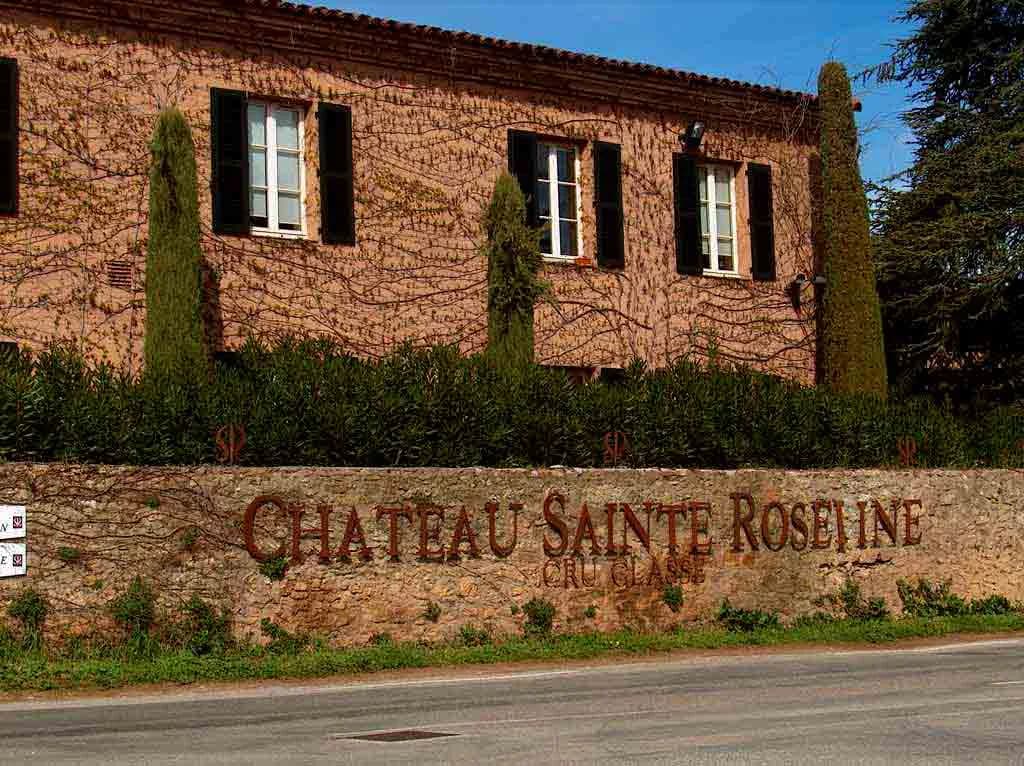
The estate has been classified as an AOP Côtes de Provence Cru Classé since 1955, according to a profile published by Avenue des Vins. That designation places it among a small group of named Provence estates rather than among the region's everyday cooperatives, and it is the main reason the property justifies the extra travel time from Cannes.
Where Château Sainte Roseline Is
The estate stands at 1854, route de Sainte-Roseline in Les Arcs-sur-Argens, a Var village inland from Fréjus and Saint-Raphaël. The winery's own site gives that address and a telephone number, 04 94 99 50 30, for reaching the reception directly.
From Cannes, the practical route is the coastal autoroute east toward Fréjus, then inland to Les Arcs. Treat any drive-time figure you see online with suspicion, because traffic around Cannes and Saint-Raphaël in summer can add substantial time, and build a generous margin if you are joining a timed tour.
Les Arcs–Draguignan is the nearest mainline station, on the line that runs along the coast and turns inland toward Draguignan. It puts the village within reach of travelers staying in Cannes without a car, though the station sits outside the center and the estate is not a walk from the platform.
The Wines in Brief
Château Sainte Roseline works within the Côtes de Provence AOP, the sprawling appellation that covers the Var and parts of the Alpes-Maritimes. Rosé dominates volume and attention here, as it does across Provence, but the estate is classified for its wines as a whole, so a tasting is a chance to compare styles rather than a single pink pour.
The Cru Classé label is the detail worth understanding before you arrive. It is a historical classification of named estates within Côtes de Provence, not a ranking of individual bottles, so it tells you about the property's standing rather than about any particular wine you will be offered.
Independent retail listings show the estate's prestige rosé sold internationally, which is a useful signal that visitors may encounter wines in the tasting room that they have seen at home. Retail prices are set by merchants and vary by market, so check the shop or the estate's own boutique page for what a bottle costs on site rather than relying on an overseas listing.
Choosing Your Visit Format
The estate publishes four distinct paid experiences alongside free-to-enter spaces, and picking deliberately is the single biggest factor in how the day feels. The formats are a counter tasting, a private commented tasting, a guided discovery tour, and a private group tour, each listed on the winery's activities page with its own description and booking route.
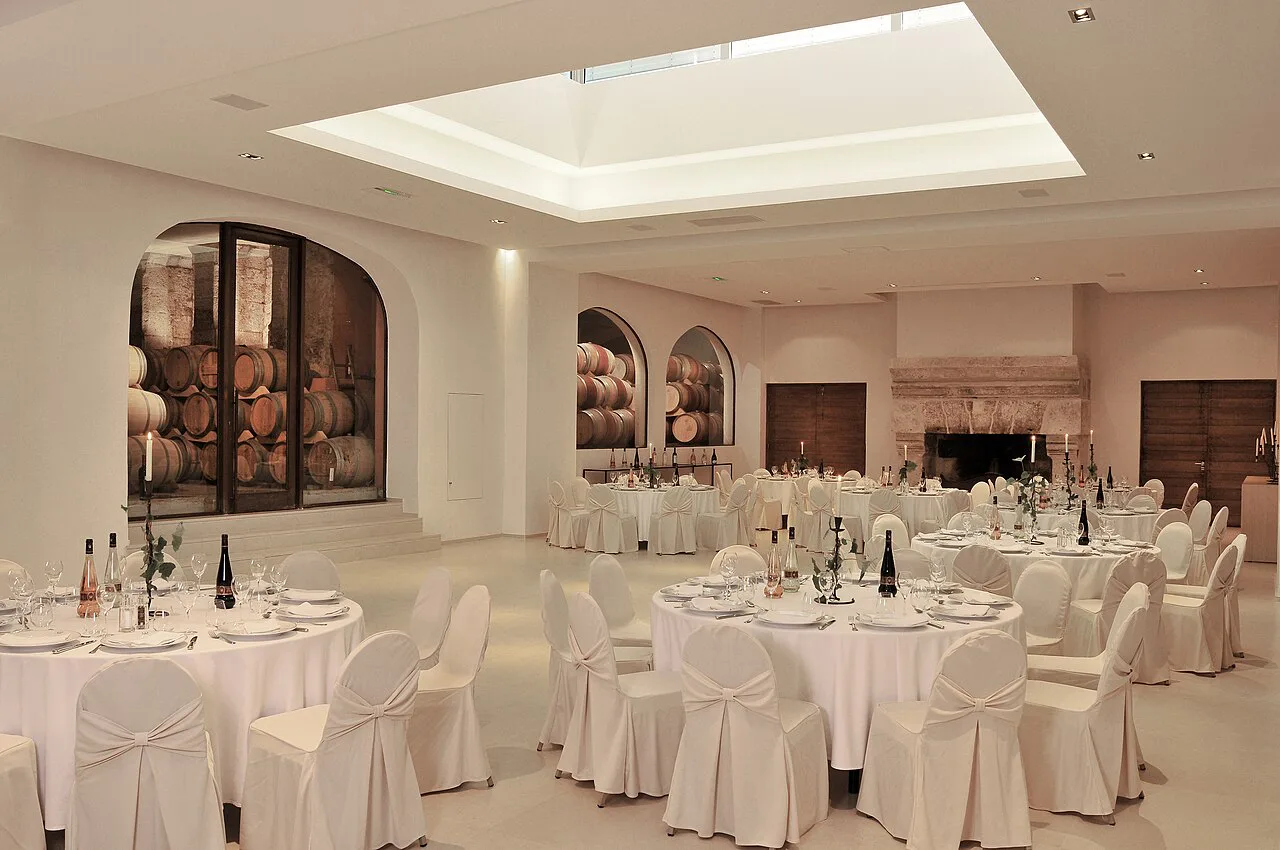
The counter tasting is the shortest and most flexible option, suited to travelers who arrive by train with limited time or who want to try before buying in the boutique. The private commented tasting goes further, with a host walking a group through the wines in a reserved setting, which suits couples or small groups who want conversation rather than a quick flight.
The guided discovery tour adds the cellars and the property's history to the glass, so allow meaningfully more time than for a counter tasting. The private group visit is the format for larger parties and is arranged as a block booking rather than something you join individually; the estate's page sets out how to request it.
Prices and durations for these formats are published by the estate on its booking pages rather than fixed in a guide, and they change with the season. The winery lists each experience separately, so compare the current figures there before committing to a format, particularly if you are weighing a private tasting against a full tour.
Cellars, Chapel and Contemporary Art
The guided visit covers the working side of the property, the cellars where the estate's wines are made and aged. For anyone who has only met Provence rosé in a chilled glass on a terrace, this is where the scale and the logistics behind it become concrete.
The Chapelle Sainte-Roseline is a communal chapel on the site rather than a private estate building, and it is listed as its own visitor experience on the winery's activities page. It carries Romanesque fabric and a famous mosaic, and it draws pilgrims and art historians as much as wine visitors, which changes the rhythm of a stop here.
Contemporary artworks are distributed across the property and are presented as a separate attraction in their own right, so a visit can be part wine, part sculpture park. If art is the priority, plan the tasting around the walk rather than the reverse, and leave enough time that the chapel and the grounds are not squeezed into the final twenty minutes.
Wine Bar and Boutique Without a Full Tour
Not every visitor wants a scheduled tour. The Roseline Wine Bar and the on-site boutique are listed as standalone activities, which means you can stop for a glass and a bottle purchase without booking one of the guided formats. That flexibility suits travelers tacking the estate onto a wider Var day.
A wine-bar stop is also the sensible choice if you are uncertain about committing an hour or more to a formal visit before you have seen the property. Order a glass, look at the boutique selection, and decide from there whether a return trip with a booked tasting is worth it.
The bar and shop keep their own service arrangements, which the estate publishes on its site and updates with the season. If your day depends on either being open when you arrive, the reception number is the quickest way to establish that before you set out from Cannes.
The Vineyard Trail
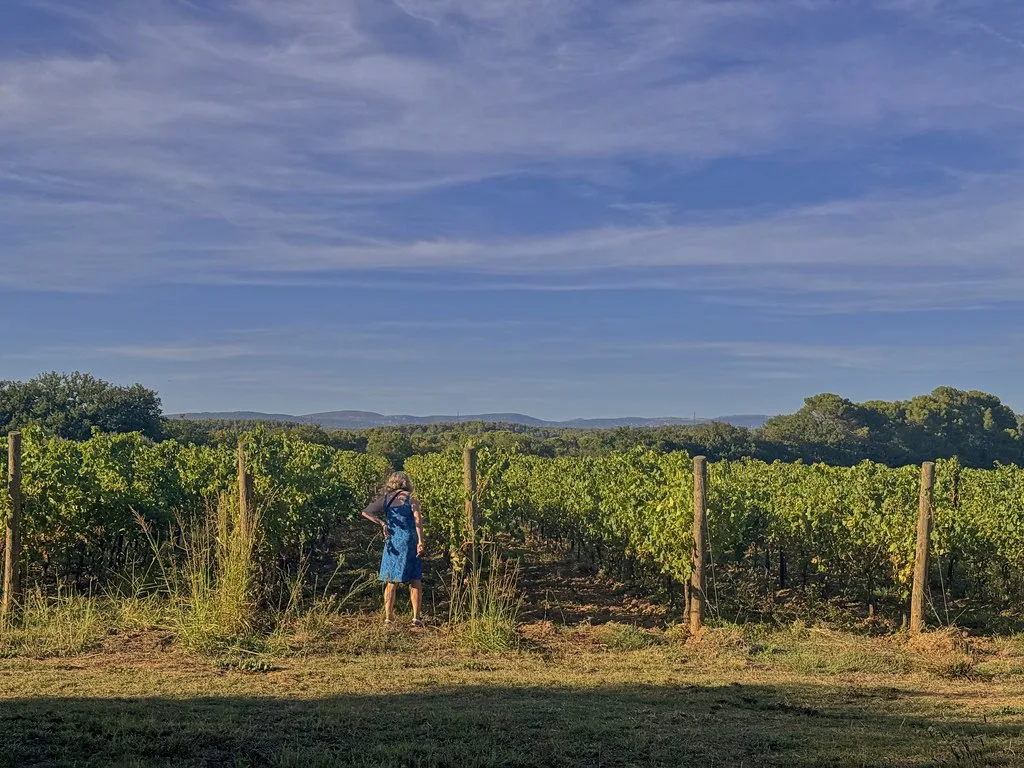
An interactive sentier, or trail, runs through the vines and is marketed as a self-guided activity for couples, families and groups. It gives the property a purpose for non-drinkers in the party and for children, who cannot join a tasting but can walk the vineyard.
Treat the trail as a substitute for, not an addition to, a guided cellar tour if your time is tight. Doing both properly takes most of a visit, and the walking is exposed in the Var heat, so an early start or a shoulder-season date is more comfortable than a July afternoon.
Booking and What to Write
Reserve the private tasting, the guided discovery tour and the private group visit in advance through the channels the estate publishes, using the contact form, email or telephone listed on its activities page. Walk-in access applies to the boutique and wine bar; the hosted formats are scheduled and should be arranged ahead.
A useful booking message states four things: the number of adults, the format you want, the language you prefer for the commentary, and whether anyone in the party will not be drinking. Adding your arrival time and whether you are coming by train helps the estate slot you into a workable session rather than an awkward one.
Groups should ask explicitly about minimum party sizes and lead times for the private group tour, since block bookings are arranged differently from individual places. The estate confirms the applicable terms when it responds, and those terms are the ones that count.
Getting There Without Driving
The no-car plan runs on the train to Les Arcs–Draguignan followed by a short taxi ride to the estate, or a bike if you are comfortable with the distance and the Var hills. Neither leg is bookable as a package from Cannes, so line up the taxi at the station or in the village before you travel; a taxi rank is not guaranteed at every hour.
The alternative is a guided tour that handles the driving, which costs more per person but removes the transfer planning and often pairs the estate with another stop. Compare the two honestly: independent travel gives you control of time and cost, while a tour lets everyone in the group taste.
If you drive yourself, the driver should not taste. Use the spittoons at the counter, book a tour with a driver, or split the day so one adult stays sober for the return leg along the autoroute.
Structuring a Half Day or a Full Day
A half day works best around a single format: a counter tasting plus the boutique and wine bar, or the vineyard trail with a glass afterward. Keep it to one winery if you are relying on trains, because the connections back through Les Arcs are not frequent enough to gamble on a second estate.
A full day allows the guided tour, the chapel and the art walk, with time for lunch in Les Arcs or on the coast. From Cannes that means an early departure and a late return, and it is worth checking the last train back before you commit to a long afternoon.
Côtes de Provence is large enough that you should not try to combine Sainte Roseline with the western estates around La Motte in one day. Group your wineries geographically: the Var estates on one outing, the Gulf of Saint-Tropez estates such as the one behind the Whispering Angel label on another. If you would rather base a wine day closer to the coast, compare this outing with wine tasting in Marseille before committing to the drive.
Plan Your Visit
Château Sainte Roseline rewards a deliberate choice of format more than most Provence estates, because the counter, the private tasting, the guided tour and the group visit are genuinely different days out. Decide what you want from the stop, book the matching experience, and let the chapel and the art fill the rest of the time.
Build the transport plan before the wine plan: train and taxi if you are going independently, a guided tour if the whole party wants to drink. Confirm the current schedule, prices and availability with the estate when you book, and let the driver stay dry on the way home.
Frequently Asked Questions
Is Château Sainte Roseline worth the trip from Cannes?
If you want a Cru Classé Côtes de Provence estate with more than a tasting counter, yes. One site combines a chapel, contemporary art, a vineyard trail, a wine bar and four hosted formats, which is more variety than most single estates offer. The trade-off is distance: Les Arcs-sur-Argens lies east of the Massif des Maures, so it fills a day rather than an afternoon.
Do you need to book a tasting at Château Sainte Roseline?
Book the private commented tasting, the guided discovery tour and the private group visit in advance through the estate's published contact channels. The boutique and the Roseline Wine Bar are listed as standalone activities rather than scheduled tours, so they suit a spontaneous stop. Larger parties should ask about minimum numbers and lead time when they enquire.
What wines can you taste at Château Sainte Roseline?
The estate works within the Côtes de Provence AOP and has held Cru Classé status since 1955, with rosé the dominant style across Provence. Which specific wines are poured in each format is set by the estate and changes, so ask when you reserve rather than assuming a fixed lineup from the counter to the private tasting.
How do you reach Château Sainte Roseline without a car?
Take the train to Les Arcs–Draguignan, then a taxi to the estate on route de Sainte-Roseline; a bike works for confident cyclists given the Var hills. Neither leg is sold as a package from Cannes, so arrange the taxi in advance. A guided tour from Cannes is the simpler alternative and lets the whole group taste.
How long does a visit to Château Sainte Roseline take?
A counter tasting with a look at the boutique is the shortest stop, while the guided discovery tour adds the cellars and the property's history and needs meaningfully more time. Adding the chapel, the contemporary art and the vineyard trail turns it into a half day or more. The estate publishes the duration of each format with its booking details.
Sources
Notes for your next wine trip
Optional updates to our winery and wine-town guides.
You might also like
Continue reading
More guides you'll find useful