Domaines Ott from Cannes: Provence Tasting Guide
Domaines Ott spans three Provence estates: Château de Selle, Clos Mireille and Château Romassan. Here is how they differ and how to plan a visit from Cannes.
On this page
Domaines Ott is the name most travelers associate with serious Provence rosé, yet it covers three separate estates rather than a single gate you drive up to. Two sit in Côtes de Provence, at Taradeau inland and at La Londe-les-Maures on the coast, while the third makes Bandol red and rosé in the western Var. Knowing which is which decides everything about a day trip from Cannes.
This guide groups the estates by geography, explains the grapes and appellations in plain terms, and sets out how to approach the Var by train plus taxi or with a guide. It also separates two questions that get muddled online: whether an estate receives visitors, and whether its wines are available to buy. For the wider regional picture, start with our wine tasting in Cannes planning hub and come back here for the Ott specifics.
Why Domaines Ott Is the Reference Provence Rosé House
The name carries weight because the family built a Provence wine business that has lasted more than a century. Marcel Ott, an agronomic engineer from Alsace, arrived in Provence in 1896 and gradually acquired estates whose vineyards had been devastated by phylloxera, replanting them with what the house describes as noble grape varieties. Domaines Ott was absorbed into Champagne Louis Roederer in 2004, which placed a Provençal rosé specialist inside one of France's most established Champagne houses.
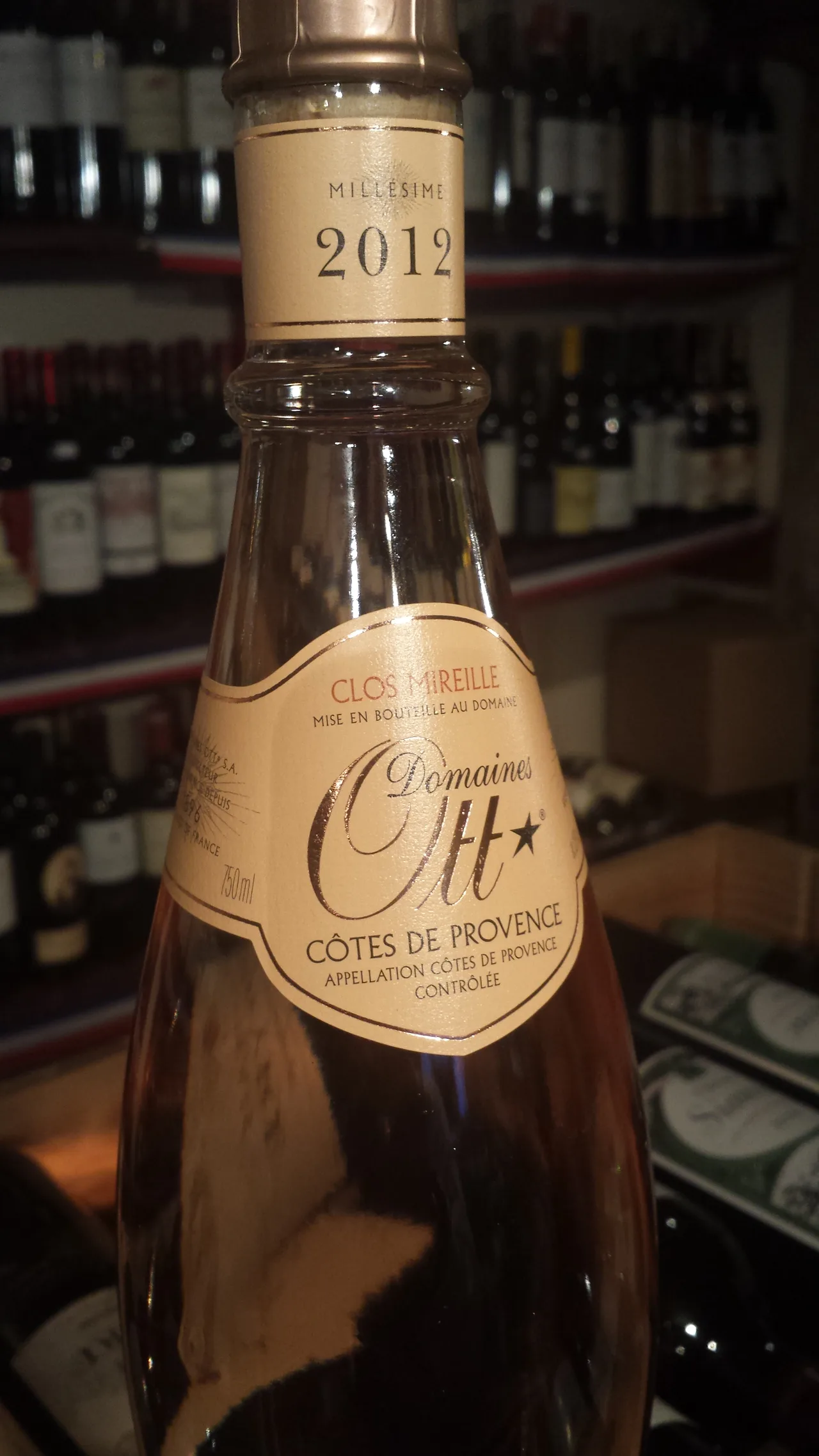
The estate's own bottle shape, designed by René Ott in 1930 and modelled loosely on classical amphorae, became a recognizable marker of quality in restaurants and wine lists well beyond France. The wines are exported widely, with the US among the leading markets, which is why many travelers know the label before they ever plan a trip to the Var. That commercial reach is worth remembering when you try to book: this is a substantial producer, not a small family cellar that opens its doors on a whim.
For a visitor based in Cannes, the practical consequence is that a visit is a regional excursion, not a stroll from the Croisette. Cannes sits in the Alpes-Maritimes, and both Ott clusters lie well into the Var, so the trip needs a plan rather than a spare afternoon. Treat the estate websites and the regional tourist offices as the authoritative source for whether visits are currently offered, on which days, and at what cost.
The Three Estates at a Glance
The three properties are genuinely distinct in size and setting. Château de Selle, in Taradeau, covers 84 planted hectares of a 195-hectare property. Clos Mireille, in La Londe-les-Maures, has 56 planted hectares out of 174. Château Romassan, in the Bandol zone of the western Var, is the most densely planted at 90 hectares out of 95.
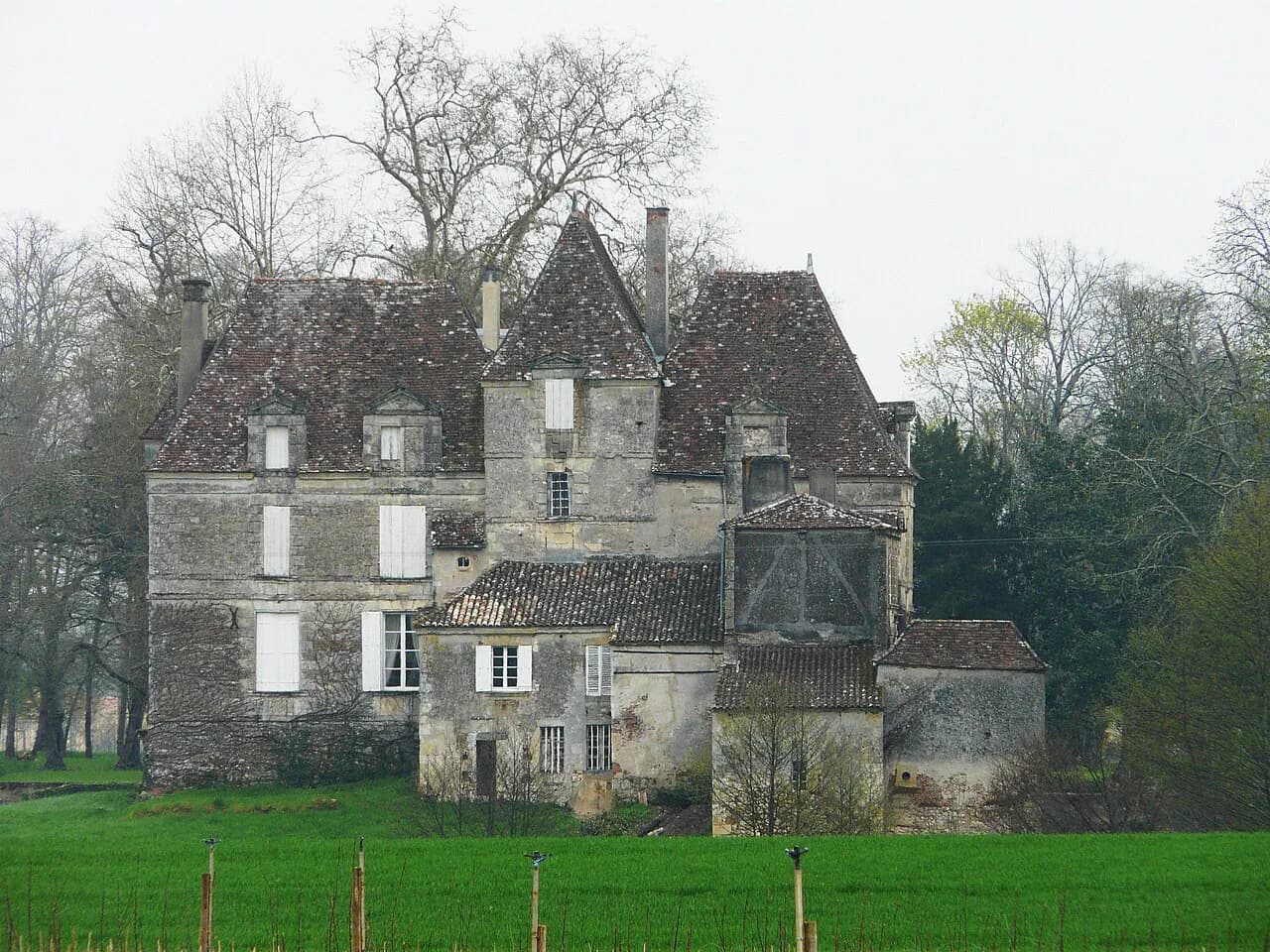
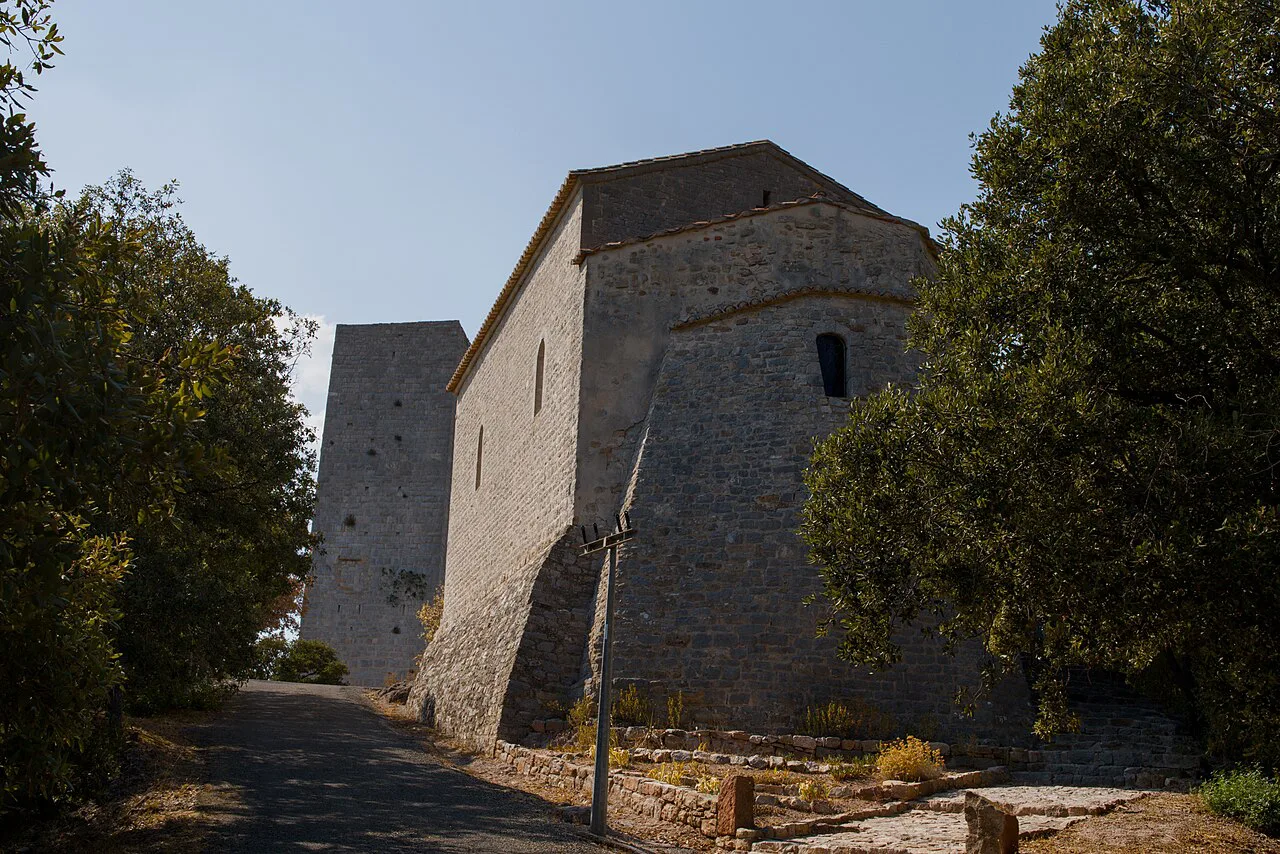
Château de Selle was the first acquisition, bought in 1912, and sits on high limestone hills inland where the stony soils contain a small proportion of fertile clay. Clos Mireille was acquired in the 1930s; it overlooks the Mediterranean and includes an 18th-century building associated with Benedictine monks, with vines on schist and clay. Château Romassan joined in 1956, its vines planted on poor limestone, sandstone and marl.
For a day from Cannes, the geography matters more than the history. Château de Selle and Clos Mireille are the Côtes de Provence pair, reasonably compatible in one long day if you plan transport carefully. Château Romassan sits further west near Bandol and is better treated as its own excursion, or combined with a coastal stop on a different day rather than squeezed into the same afternoon.
Château de Selle in Taradeau: The Inland Estate
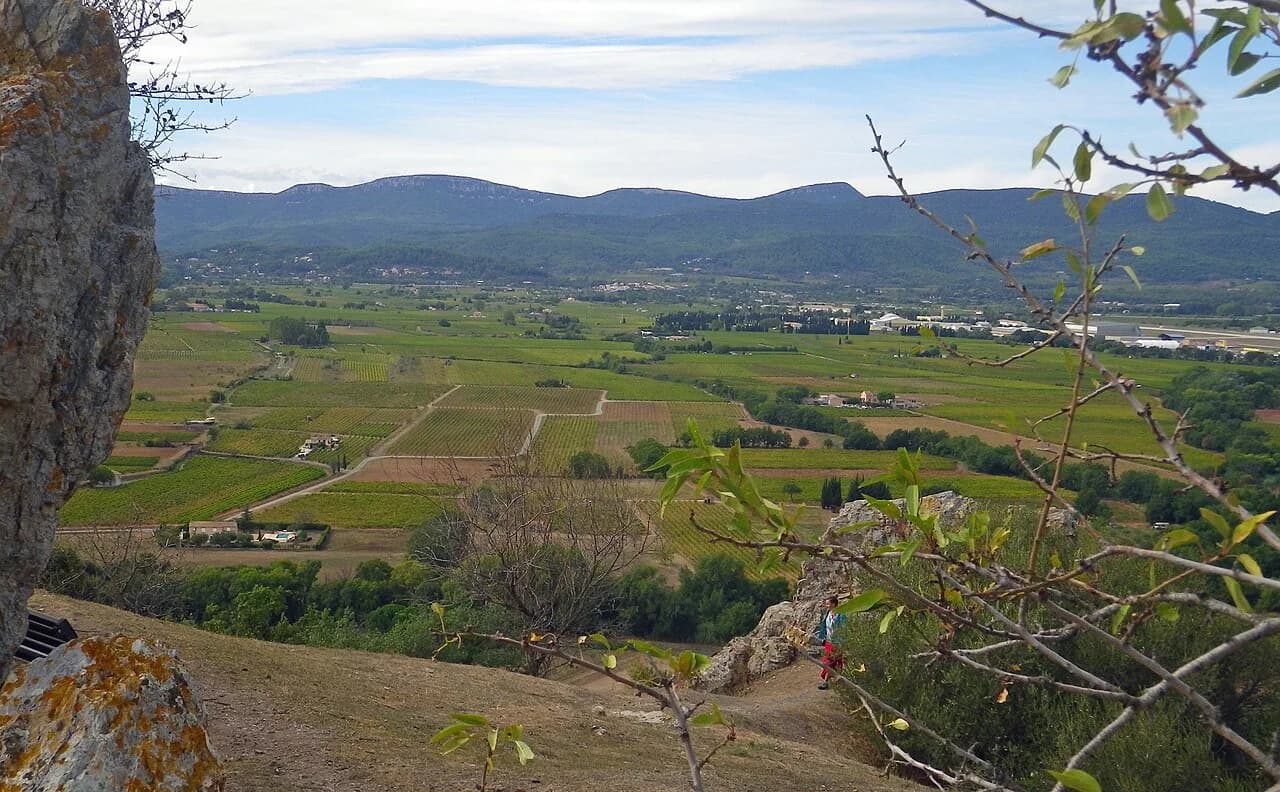
Château de Selle lies at Taradeau, a village tucked into the limestone hills of the central Var. The property produces Côtes de Provence from cabernet sauvignon, grenache, cinsault and syrah, planted on terraced plots and restanques, a landscape that photographs well but also makes the vineyard less accessible than flat coastal sites. Average vine age is around nineteen years.
The estate's rosé and white wines are its signature, and the inland position gives them a cooler, more structured character in general terms than wines grown beside the sea. If you want to understand the range in one stop, this is the most natural first visit from Cannes, because it lies closer to the eastern Var than the other two properties. Whether the estate opens for tastings, whether you need an appointment, and what a visit includes are questions to put directly to Domaines Ott, since those arrangements change with the season.
Clos Mireille in La Londe-les-Maures: The Coastal Estate
Clos Mireille is the estate nearest the sea, located at La Londe-les-Maures on a stretch of coast between Hyères and Le Lavalette. The vines grow on schist and clay with direct Mediterranean exposure, and the property includes an 18th-century building that gives the setting its character. Sourcing the wines is straightforward; seeing the place is another matter, and that distinction is worth holding on to while you plan.
Because the estate sits near Hyères, it pairs naturally with a day that includes the coastal road and a stop in the town for lunch. Parking around small Provençal estates is often tight, and the access lanes near coastal vineyards can be narrow. A car is the simplest way to reach this estate, but if nobody in your group wants to drive, a private guide or taxi from Hyères or Toulon is the alternative, and the hyperlocal detail on our wineries near cannes page is useful for comparing how other estates in the region handle appointments.
Château Romassan in Bandol: Mourvèdre Country
Château Romassan is the westernmost of the three, sitting in the Bandol appellation where mourvèdre leads the red blends and is supported by grenache, cinsault and syrah. The vines, averaging around twenty-five years old, grow on poor soils of limestone, sandstone and marl on the western Var, and the property takes in an 18th-century building that was restored after the Ott family bought it in 1956.
Bandol reds are the reason to make the longer drive. They are usually fuller-bodied and more structured than the Côtes de Provence wines, built for ageing in a way rosé is not, and mourvèdre gives them a firm, savory spine. If your palate on this trip is more interested in red wine than pink, this is the estate to prioritise and possibly the only one you attempt in a single day from Cannes.
Bandol is a small town with a working harbor, and the surrounding vineyards are scattered across hills that rise steeply behind the coast. The drive from Cannes is long enough that a round trip in one day leaves little margin once you add an appointment slot. Consider basing yourself in Toulon or Bandol for a night, or use the train and a local taxi, which keeps the day simpler and means the driver can skip the wines.
What a Visit Can Involve, and What to Ask
Visits to Provençal estates generally follow one of a few formats: a cellar walk-through followed by a seated tasting, a tasting of the current range with a short explanation of soils and grapes, or a guided walk among the vines in season. Domaines Ott has not published a fixed visitor programme covering every estate, so the format and length of a visit depend on the property and the season. Ask which cuvées are poured when you book your visit.
When you contact the estate, ask four things in one message: whether visits are by appointment only, how many wines are included, how long the visit runs, and whether there is a fee or a minimum purchase. Those answers let you compare the estate honestly with a tour operator, and they also tell you whether a visit suits a family group or a couple with limited time on the coast. It is also worth asking whether the tasting happens in a cellar or outdoors, because that shapes what to wear.
Appointment culture in Provence is real and not a formality. Even estates that welcome visitors prefer a day's notice so that someone can receive you, and smaller properties close during harvest and public holidays. The single most useful habit is to confirm your slot in writing the day before you travel, especially if you are crossing the Var by train. A short email in French or English is almost always enough.
Getting There Without Driving
For the Côtes de Provence estates, the practical rail approach is to take a train from Cannes toward the Var and get off at Les Arcs-Draguignan or Toulon, depending on which property you are targeting, then continue by taxi. Both stations serve the wider region rather than the vineyards themselves, so the last leg is a local cab. Schedules vary by season and the taxi ride is not cheap, so book the return leg when you arrive or through a local firm rather than hoping to flag one down. If you would rather base yourself further west, wine tasting in Aix-en-Provence covers the estates around that city in similar detail.
For Bandol, the train line along the coast runs through Toulon and on toward Bandol itself, which is a straightforward option if you are prepared to walk or take a short taxi from the station. Trains in the region are regional services rather than high-speed expresses, so the journey is slower than the map suggests. Check the SNCF Connect app or the station departure board on the morning of travel for the actual timetable.
If your plan involves two estates in one day, the taxi costs stack up quickly and the timetable can unravel. That is where a guided wine tours from cannes arrangement becomes the pragmatic choice, because it absorbs the driving and the waiting. If you are travelling independently, commit to one estate per day and use the rest of the day for the villages rather than trying to see everything.
Independent Trip vs Guided Tour from Cannes
Going independently gives you control. You decide how long to linger, you can stop at a village on the way, and you avoid the fixed itinerary of a group. The costs are the taxi legs, the risk of missing a connection, and the fact that one of your party cannot drink if they are driving. For a couple based in Cannes with a flexible schedule, this often works well for Château de Selle, which is the most accessible of the three from the eastern Var.
A guided tour trades flexibility for simplicity. Someone else drives the winding roads, you get an introduction to the region in the car, and you can taste without counting glasses. The trade-off is a set timetable and a price that bundles transport, tasting and sometimes lunch, which can be more than you would spend independently and less convenient if you want to spend an hour photographing the vines. Compare the included tastings carefully: the number of estates visited matters more than the marketing copy.
The sensible split is to tour one day and travel independently another, or to pair an Ott estate with a village walk you can manage on foot. If Provence rosé is the reason for the trip, the neighbouring estates offer an easy second anchor; Château Minuty Visits from Cannes covers that property's own visitor setup, and guided options in the Var can fill the days an Ott estate cannot accommodate you.
Côtes de Provence and Bandol in the Glass
Côtes de Provence is a large appellation and overwhelmingly known for rosé, though it also produces white and red. The rosés are typically pale, fresh and dry, built from grenache, cinsault and syrah among other grapes, and designed to be drunk young. Whites lean toward freshness, and the reds are a smaller share of production. If you want a structured comparison across the region without committing to the Ott estates, our guide to Côtes de Provence covers the styles in more depth.
Bandol is a different proposition. Mourvèdre is the defining grape, and the reds are required to include a significant share of it, giving them grip, depth and ageing potential. The rosés are also mourvèdre-led and often more savory than the Côtes de Provence style. Tasting both appellations on one trip is the clearest way to understand why Provence produces more than one kind of wine.
Domaines Ott's own range reflects these positions: the Côtes de Provence estates focus on rosé and white, while Château Romassan produces both Bandol red and Bandol rosé. That means a visit to Romassan is the better fit for a red-wine drinker, while Château de Selle and Clos Mireille reward anyone who wants to understand why Provençal rosé commands the prices it does. The wines are also the point of comparison when you look at bottle prices.
Wine to Buy vs Wine to Taste
Retail prices for Domaines Ott bottles run into the tens of euros for entry-level rosé and into the hundreds for large formats and older Bandol reds. At one specialist merchant, standard bottles of Château de Selle rosé and Clos Mireille rosé were listed in the mid-thirty euro range, a six-bottle case of Château Romassan Bandol red ran above three hundred euros, and a magnum of Étoile rosé was listed at €255. Those are shop prices, not tasting fees, and they should never be read as what a visit costs.
Read the bottle prices as a signal of positioning rather than a budget for your day. They tell you that a visit to a Domaines Ott estate is likely to be a formal experience with structured tastings, whether or not a fee is charged, and they explain why tasting several wines at the estate is a better use of an afternoon than buying a single bottle at retail. Where the estate sells directly, prices at the cellar door may differ from retail listings, and Domaines Ott's own visitor service can confirm availability and conditions for your date.
For broader context on what other producers in the region offer and how their visitor arrangements compare, the wineries near cannes page and the Whispering Angel winery profile are useful reference points. Château d'Esclans and Château Minuty both receive visitors in the Côtes de Provence, and seeing how they structure tastings helps you judge whether an Ott estate visit fits your trip.
Timing: Harvest, Seasons and Grouping Estates
Harvest in Provence generally falls in late summer into early autumn, with rosé grapes picked first and mourvèdre for Bandol reds later. That is the busiest period for the estates, and it is when visitor capacity is most stretched and small properties are least likely to receive casual callers. If you are travelling in September or October, contact estates well before your trip rather than the week of arrival, and expect vineyard work to be visible around the property.
Spring and early summer are the most comfortable seasons for a visit from Cannes: the coast is not yet crowded, the vines are in leaf, and tasting rooms are quieter. Winter is the quietest period, but opening hours shrink and some estates close altogether, so confirm before you build a day around one. The Mistral wind blows through the Var in winter and spring, which is a real factor for anyone planning to cycle between estates.
Grouping estates into one realistic day means accepting a rule: two Côtes de Provence estates at most, or one Bandol estate. Château de Selle and Clos Mireille can be linked in a long day with a car, since both sit within the Côtes de Provence zone and are roughly connected by the coastal road. Château Romassan belongs on a separate Bandol day. Trying to do all three in one day from Cannes means hours on the road and little time at any gate.
A Visit That Respects the Drive
If you are driving, the driver should not taste; use the spittoons, or take a designated driver, a tour, or public transport so that everyone in the group can enjoy the wines. Tasting rooms across the Var provide spittoons as standard, and no one minds them being used. Responsible drinking is simple to arrange when the trip is planned around it, and it removes the awkwardness of watching the clock.
Provence rewards slow travel. A single estate visit, a leisurely lunch in a village square, and a walk through the vines will tell you more about Domaines Ott than a rushed circuit of all three properties. Keep the itinerary light enough that the day feels like a holiday rather than a schedule, and leave room for the unplanned detour that turns out to be the best stop.
Alternatives Worth Pairing with an Ott Day
If an Ott estate cannot accommodate you on your dates, the Côtes de Provence has no shortage of alternatives with established visitor arrangements. Château Minuty is one of the best-known names on the Saint-Tropez peninsula, and its own visitor pages explain what to expect there. For a rosé-focused comparison, the Whispering Angel winery at Château d'Esclans near La Motte receives visitors and makes a natural companion to an Ott estate visit in the eastern Var.
If your base is fixed in Cannes and you prefer not to drive at all, the Côtes de Provence cluster near the coast is the practical choice, and the wine tasting guide for the region lists options that work with public transport or a guided car. Whichever route you take, the visit is worth the planning: seeing where these wines come from gives the bottle on your table a context you cannot get from a shop shelf.
Plan Your Visit
Domaines Ott is a three-estate house in the Var, not a single destination, so decide first which version of the trip suits you: the inland Côtes de Provence estate at Taradeau, the coastal estate at La Londe-les-Maures, or the Bandol property in the western Var. Book through Domaines Ott's own channels, ask about format and fee at the same time, and check your slot shortly before you travel in case walk-in access is unavailable.
From Cannes, the simplest reliable plan is one estate and a village lunch, reached by train plus taxi or by a guided tour. Choose Château de Selle for proximity, Clos Mireille for a day that combines coast and vines, or Château Romassan if red Bandol is the point. Keep the driver sober, use a spittoon, and let the day be about the place as much as the glass.
Frequently Asked Questions
Can you visit any of the Domaines Ott estates?
Domaines Ott operates three estates in the Var: Château de Selle at Taradeau, Clos Mireille at La Londe-les-Maures and Château Romassan in Bandol. The house does not publish a single fixed visitor programme covering all three, so the format and availability of visits depends on the property and the season. Contact the estate you want to see through Domaines Ott's own channels and ask whether visits are by appointment only, how many wines are included and whether a fee applies.
Do you need an appointment to taste at a Domaines Ott estate?
Provençal estates generally expect advance notice even when they welcome visitors, and that applies to larger houses as well as small family properties. Email or call before you travel rather than arriving at the gate, especially during harvest, when visitor capacity is stretched. Confirming your slot in writing a day or two before the visit protects you against harvest closures and public holidays.
How far are the Ott estates from Cannes?
Cannes sits in the Alpes-Maritimes, while all three estates lie in the Var, so a visit is a regional excursion rather than a short hop. Château de Selle at Taradeau is the most accessible from the eastern side, Clos Mireille at La Londe-les-Maures sits near the coast around Hyères, and Château Romassan is furthest west in Bandol. Plan one estate per day unless you have a car and a long schedule.
Which Domaines Ott estate should a red-wine drinker choose?
Château Romassan in Bandol is the one to prioritise. Bandol reds are mourvèdre-led, fuller-bodied and more structured than the rosé-dominated Côtes de Provence wines, and the estate produces both red and rosé under the appellation. Château de Selle and Clos Mireille suit anyone more interested in understanding Provence rosé and white. Grouping Romassan with the other two in one day from Cannes leaves too little time at each gate.
Why are Domaines Ott wines so expensive?
The wines are positioned as a premium Provençal range, and specialist merchants list standard bottles of the Côtes de Provence rosés in the mid-thirty euro range, with Bandol reds and large formats far higher. In addition to winemaking choices the house describes itself, the estate has a long history and wide export reach, with the US among its leading markets. These are retail shop prices, not tasting fees, and they tell you about positioning rather than what a visit costs.
Sources
Notes for your next wine trip
Optional updates to our winery and wine-town guides.
You might also like
Continue reading
More guides you'll find useful