Gattavecchi Winery Montepulciano: Tasting & Visit Guide
Plan a Gattavecchi winery visit in Montepulciano: the historic town-centre cellar, the Vino Nobile lineup, bookings, and how to arrive car-free.
On this page
Montepulciano rewards travelers who plan around the town rather than a string of estates. Gattavecchi is one of the producers operating a cellar inside the hill town itself, which changes how a wine day works: you walk between addresses instead of driving between vineyards.
Use this guide to decide whether the cellar setting justifies a stop, what the Gattavecchi portfolio includes beyond Vino Nobile, how to request a tasting and a table, and how to reach the town without a car. The details that shift fastest, hours and tasting terms, are handled as things to confirm when you book.
Why Gattavecchi Fits at the Center of a Montepulciano Wine Day
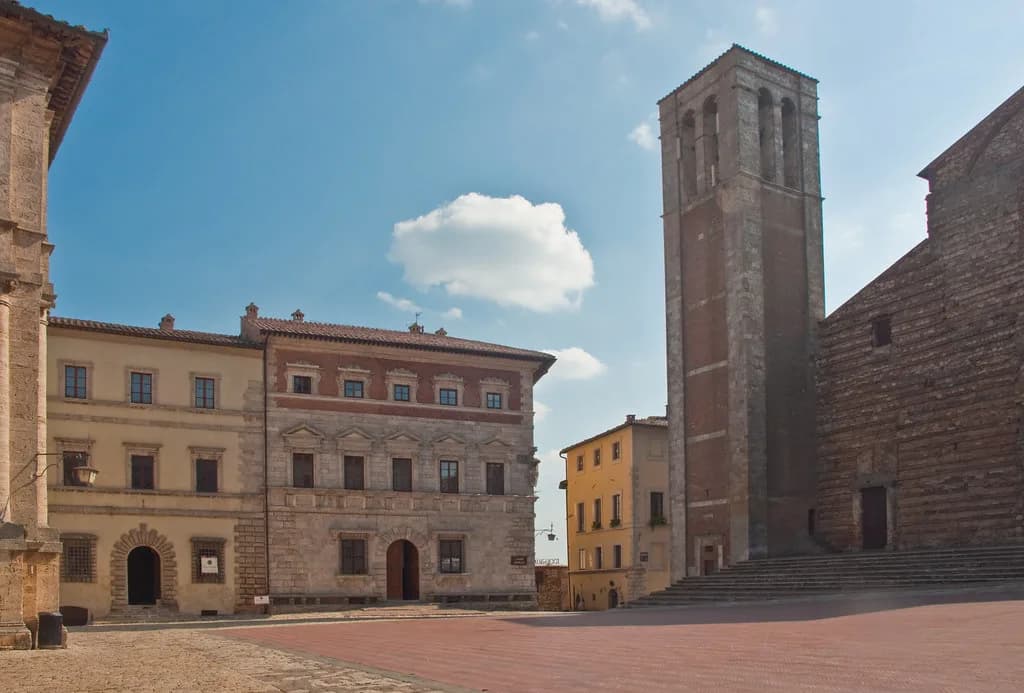
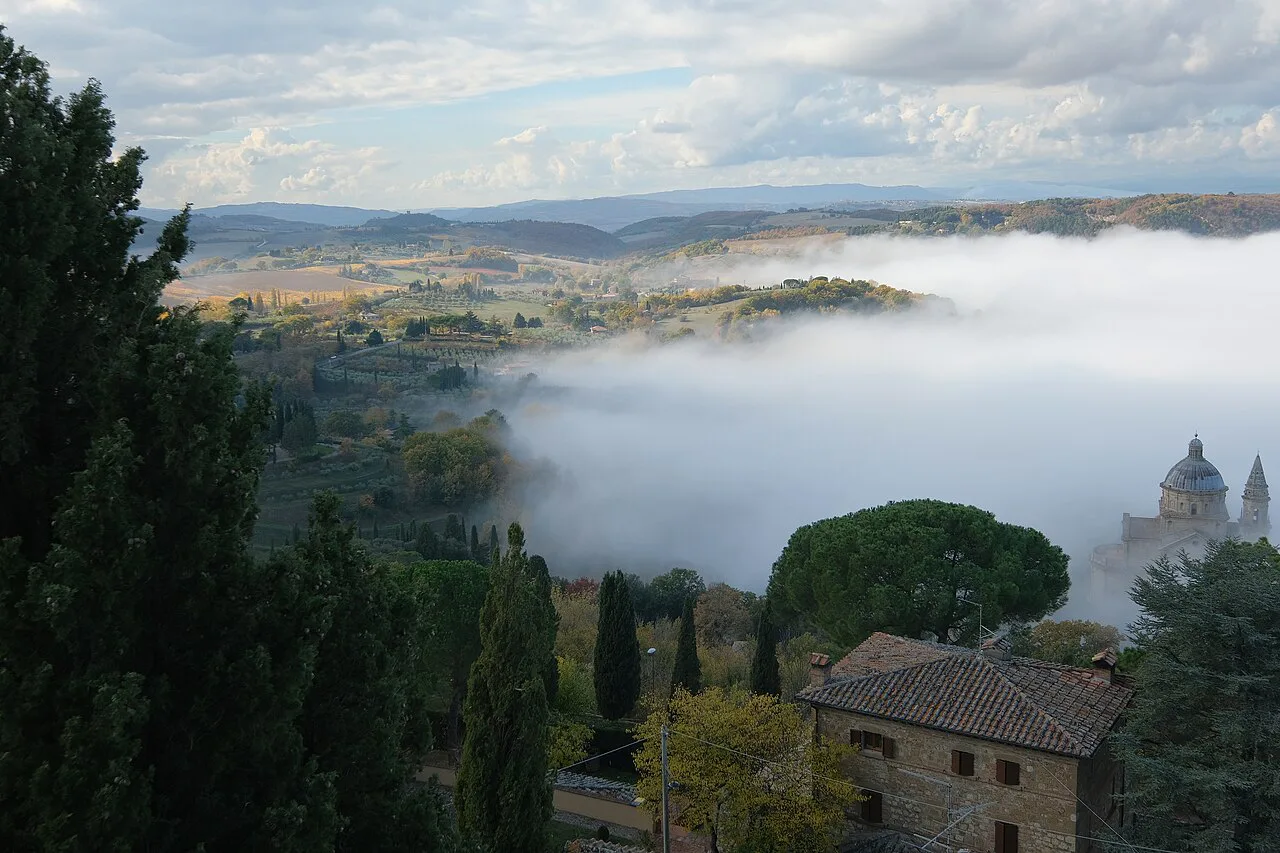
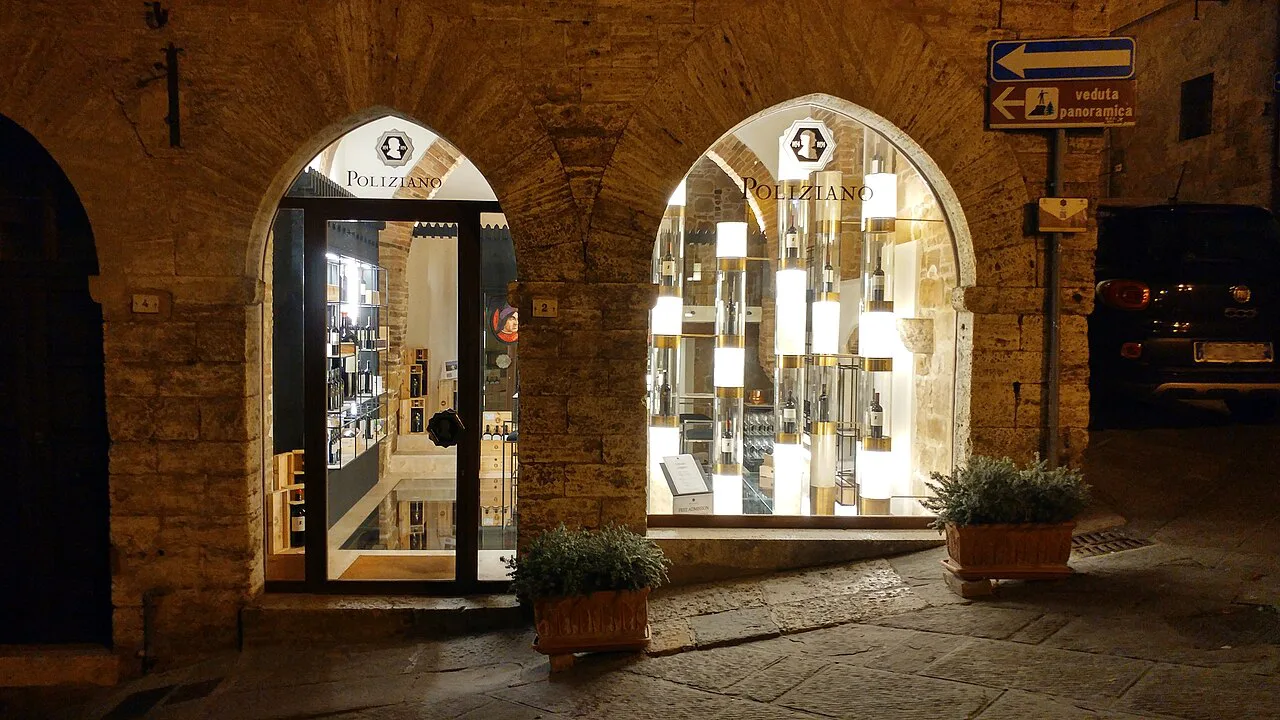
Gattavecchi is a working winery with historic cellars in the heart of Montepulciano, not a farm estate out among the vines. That matters for planning: an in-town cellar trades the vineyard view for walkability, so you can pair the tasting with the town's other cantine, restaurants and sights on the same afternoon.
The estate presents its production across Montepulciano and neighboring zones and invites visitors to see the cellars and vineyards as part of the story. On a short trip, the cellar is the practical half of that story, since it sits where you are already walking.
Where Gattavecchi Is in Montepulciano
Gattavecchi appears at Via di Collazzi 74 in Montepulciano in a business directory listing, while Toppetta, the group tied to the Gattavecchi labels, publishes its head office at Via delle Chiane 3 on the SP30 outside the historic center. In practice, ask when you book which address the tasting entrance uses, because the two are not the same and the difference decides whether you walk or drive.
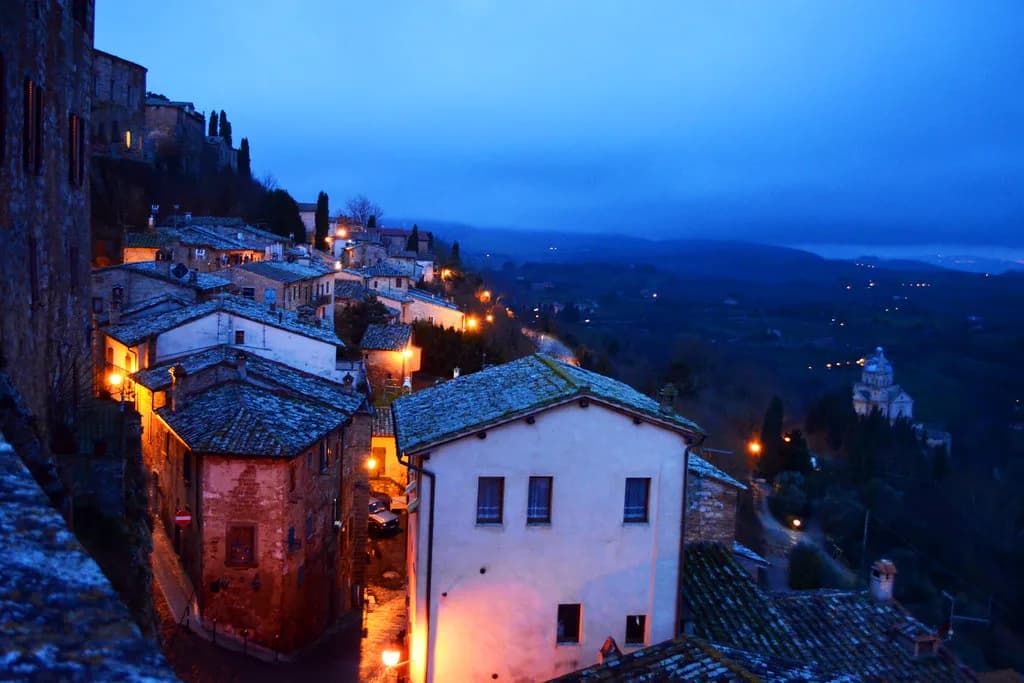
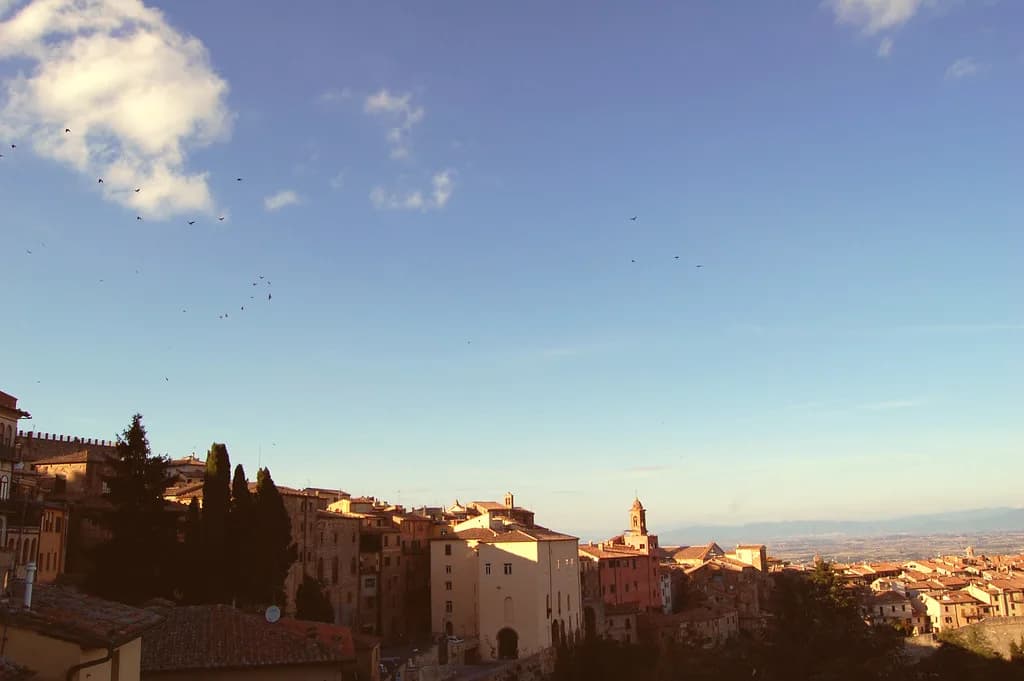
Montepulciano is built along a long ridge, with the main street climbing from the lower gates to the Piazza Grande at the top. Cellars cluster through the historic center, so the sensible plan is to pick two or three addresses within a short walk and taste at each in turn, allowing the hill itself to set the pace.
Group your stops by elevation rather than by reputation. Starting low and working uphill means the return leg is downhill, which is welcome after a couple of cellar visits; the wider list of Montepulciano wineries shows how many addresses sit inside the town walls.
Montepulciano Wine in Brief
Montepulciano's flagship red is Vino Nobile di Montepulciano DOCG, made chiefly from Prugnolo Gentile, the local name for Sangiovese. Rosso di Montepulciano is the younger, lighter-bodied companion wine from the same area, aged less before release. Knowing the two apart helps you read a tasting list quickly.
Be careful with the name: Montepulciano d'Abruzzo is a different grape from a different region, so a bottle labeled simply Montepulciano deserves a second look. Gattavecchi's own lineup mixes Vino Nobile with IGT Toscana bottlings and a Chianti DOCG, so expect a spread of appellations in one tasting rather than a single denomination.
What Gattavecchi Pours: The Reference Lineup
The portfolio published under the Gattavecchi name lists a Vino Nobile Riserva di Montepulciano DOCG, Marlone IGT, Collepio IGT and Chianti DOCG. That gives you a clear ladder: the Riserva is the flagship age-worthy red, the IGT bottlings are freer blends from Tuscany, and the Chianti comes from outside the Montepulciano zone.
When you request a tasting, say which of these you most want to try. A request that names the Vino Nobile Riserva alongside the IGTs tells the cellar what to open, while a generic booking may default to the wines the estate is pushing that month. The differences among the labels are style and origin, not quality tiers, so taste across them rather than chasing the top bottle.
The Cellar Visit: What the Historic Setting Adds
The draw at Gattavecchi is the historic underground cellar rather than a vineyard walk. Visitor commentary describes an ancient cellar with an adjoining tomb that lends the visit an immersive quality, a reminder that Montepulciano's winemaking sits in layers beneath the streets.
Because the setting is the attraction, allow time to look rather than treating the cellar as a corridor to the tasting table. Ask at booking whether the cellar is included in the tasting or offered as a separate walk-through, since estates vary and the answer shapes how long you should plan for.
Booking a Tasting at Gattavecchi
Gattavecchi takes tasting enquiries through the contact channels published on its site, including an email address and phone number. Put the date, preferred time, party size and language in your message, plus any wines you specifically want to taste, so the reply can confirm terms in one exchange.
Treat a request form as an inquiry, not a reservation: nothing is held until the estate replies. In Montepulciano, small cellars fill around harvest and on weekends, so send the request well ahead if your dates are fixed, and keep the confirmation with you on the day.
Booking the Restaurant
The table booking runs on a separate form and a separate phone line from the tasting enquiry. Toppetta lists the restaurant number as +39 0578 757110 with the address ristorante@poggioallasala.com, while the winery contact is +39 0578 767224 and info@toppetta.it. Using the right channel saves a round of forwarding.
Lunch plus a tasting is the efficient way to spend one day: you eat, then walk into the cellar without moving the car or hunting a taxi. Ask for the table early in the service and the tasting after, so the afternoon stays free for the rest of the town.
Hours, Timing and What to Verify
A third-party directory lists the winery as closed on Monday with a midday window of 12:30 to 3:00 PM, last updated in October 2026. Treat that as indicative rather than confirmed: directory hours for small Italian cellars age quickly with seasons and harvest.
Your confirmation reply is the reliable schedule. When you write, ask which days the tasting room is open in your month, whether the kitchen and cellar keep the same hours, and whether anything closes around the vendemmia, the late-summer and early-autumn harvest that reshapes staffing at many Tuscan estates.
Prices: Bottles and Tasting Terms
The estate's shop lists specific bottle prices: Marlone IGT at 25.00 €, Collepio IGT at 10.00 € and Chianti DOCG at 9.50 €. The Vino Nobile Riserva shows as 0.00 € on the same page, which means the listing is incomplete rather than free, so don't read a price into it.
Bottle shop prices are not tasting fees. Gattavecchi publishes no tasting price on the pages reviewed, so ask for the fee, what it covers and whether it is waived against a purchase when you send your request. That single question settles the budget before you commit.
Getting There Without a Car
If you are staying in Montepulciano, the in-town cellar is walkable, with the climb from the lower gates to the center being the real effort. Driving into the historic center is constrained by limited-traffic zones and tight parking, so most visitors leave the car at a lot below the walls and walk up.
For a base elsewhere in Tuscany, regional trains on the Chiusi–Siena line stop at Montepulciano station in the valley below town, with local buses covering the final climb to the center. Schedules change by season, so confirm the connection for your date before relying on it rather than assuming a late return.
Taxis in a hill town this size are few, so book one in advance for a fixed return rather than hoping to flag one. A guided tour removes the transport problem entirely if your group is small or your base is rural; compare that against the freedom of walking to Gattavecchi and staying as long as you like.
Independent Visit vs Guided Wine Tour
Doing it yourself suits travelers based in Montepulciano: you book the tasting directly, walk to the cellar, and set your own pace through the town's other addresses. The trade-off is that you handle the climbing, the booking correspondence and any transport from a valley base on your own.
A tour solves the logistics and often bundles several estates into one day, but it fixes your schedule and may limit time in the cellar. If your priority is Gattavecchi's historic setting and a slow look at the Vino Nobile range, an independent visit gives you more control; if your base is far and nobody wants to drive, the tour is the cleaner choice.
Common Mistakes to Avoid
The most common slip is arriving without a confirmed booking, then finding the cellar occupied by a group. The second is underestimating the walk uphill: the center sits high above the valley, and a midday climb in summer is hotter than it looks on a map.
The third is squeezing a Montepulciano tasting into a same-day Chianti run. The two districts sit far enough apart that the driving eats the day, so give Montepulciano its own afternoon and let the cellar and lunch share it.
Where to Go Next in the Vino Nobile District
After Gattavecchi, stay in town for a second tasting rather than driving out. The historic center holds several cantine within walking distance, and the surrounding Vino Nobile di Montepulciano DOCG zone stretches across the hills around the town for another day if you have the time. If you would rather compare a different hill town's cellars, the Orvieto wine guide follows the same walkable-cellar approach.
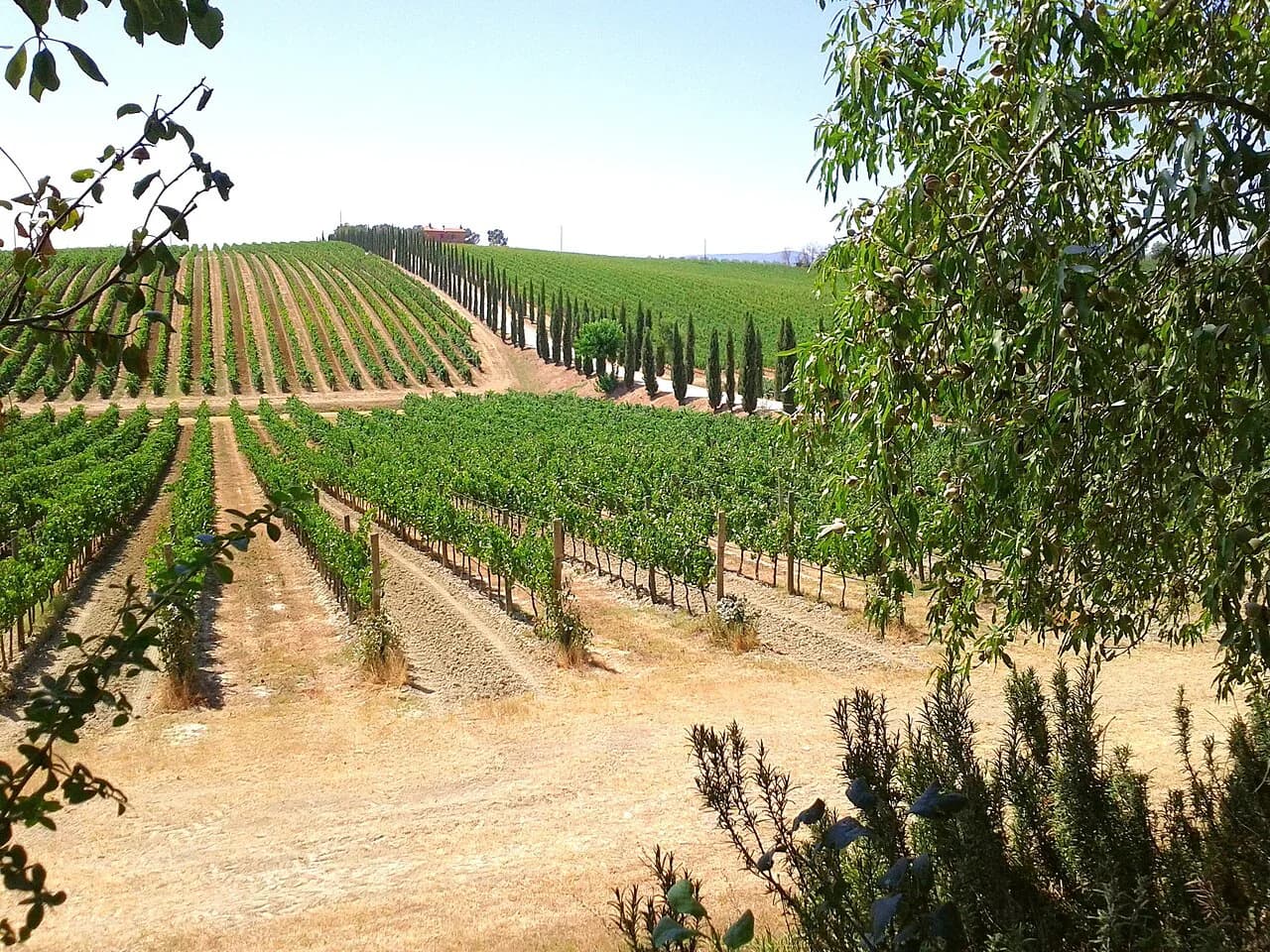
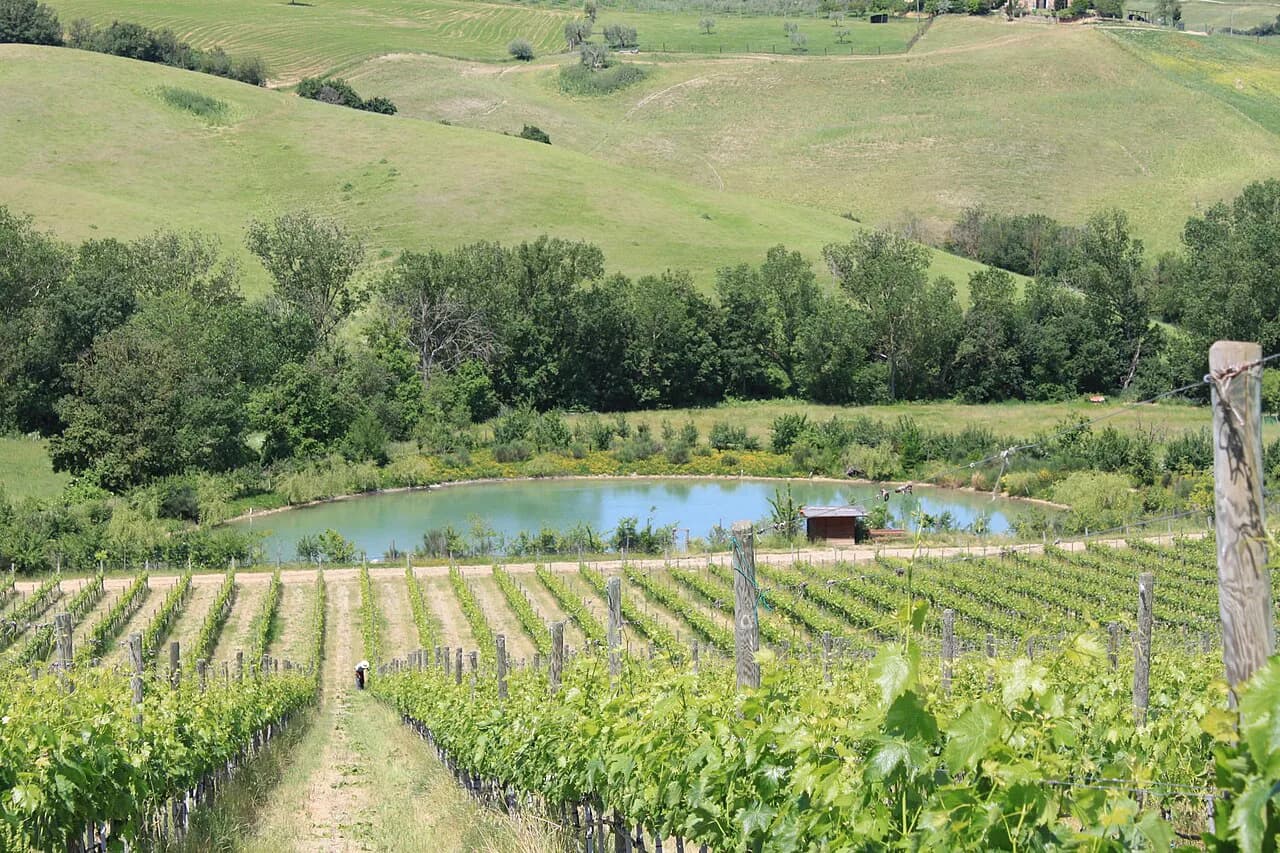
If you want a different setting, look at estates outside the walls, where a vineyard tour becomes part of the visit; the wider Montepulciano wineries list is the place to match addresses to your route. Agriturismo in Montepulciano is worth considering if you would rather stay among the vines and drive in only once.
Plan Your Gattavecchi Visit
Gattavecchi is best treated as a town-center stop, not a vineyard excursion: contact the winery about a tasting, book the table on the separate restaurant line, and walk if you are staying in Montepulciano. Confirm the hours and tasting fee in your confirmation reply, and give the cellar enough time to be more than a corridor.
Keep the day sober-driving friendly: whoever is behind the wheel should use the spittoon or skip the glass, and a designated driver, tour or public transport solves the problem cleanly. That way the Vino Nobile stays a pleasure and the hill stays a walk, not a risk.
Frequently Asked Questions
Is Gattavecchi worth visiting in Montepulciano?
It is a strong choice if you want a cellar tasting inside the hill town rather than a drive between estates. The draw is the historic underground setting plus a portfolio that includes Vino Nobile, IGT Toscana wines and a Chianti, so one visit covers several styles. Weigh that against a vineyard-based estate if seeing vines is essential.
Do you need to book a tasting at Gattavecchi?
Plan on booking. The estate handles tastings through a request form on its site, and the reply is where the terms and timing are settled. Send your date, party size, preferred time and language, and name the wines you most want to try, since that shapes what the cellar opens.
What wines does Gattavecchi make?
The published lineup includes a Vino Nobile Riserva di Montepulciano DOCG, Marlone IGT, Collepio IGT and Chianti DOCG. The Riserva is the flagship red, the IGT bottlings are Tuscany-wide blends, and the Chianti comes from outside the Montepulciano zone. Tasting across them shows how the local Prugnolo Gentile base compares with the wider Tuscan range.
Is the Gattavecchi cellar inside the town of Montepulciano?
Yes. It is a working winery with historic cellars in the heart of the town, which is why it suits a car-free day of walking between cantine. The group also lists a head office on the SP30 outside the center, so ask when you book which entrance your tasting uses.
Can you visit Gattavecchi without a car?
If you stay in Montepulciano, yes: the cellar is walkable, with a climb from the lower gates to the center. From a valley or regional base, regional trains stop at Montepulciano station below town and local buses cover the final climb, but confirm schedules for your date before you rely on a late return.
How long does a Montepulciano cellar tasting take?
Gattavecchi does not publish a tasting duration, so ask when you book and mention whether you want a cellar walk-through included. As a planning rule, allow a comfortable afternoon rather than a rushed hour: lunch plus a tasting fills a day well and leaves time to look around the cellars.
What is the difference between Vino Nobile and Rosso di Montepulciano?
Both come from the Montepulciano area and are based mainly on Prugnolo Gentile, the local Sangiovese. Vino Nobile di Montepulciano DOCG is the flagship and is aged longer before release, while Rosso di Montepulciano is the younger, lighter-bodied companion. Neither should be confused with Montepulciano d'Abruzzo, which is a different grape from a different region.
Sources
Notes for your next wine trip
Optional updates to our winery and wine-town guides.
You might also like
Continue reading
More guides you'll find useful