Tuscany Winery Hotels: Stay and Taste Wine in Siena
Plan a Tuscany winery hotel stay from Siena: estate resorts, agriturismi with tastings, wine districts, booking culture and how to reach the vineyards.
On this page
A Tuscan winery hotel is rarely a single thing. It might be a village-sized estate with a tasting room and olive oil on the same table, a farmhouse agriturismo whose owners open a bottle when guests ask, or a country hotel that arranges a guided visit to a nearby cellar. Knowing which of the three you are booking changes what you should ask before you pay a deposit.
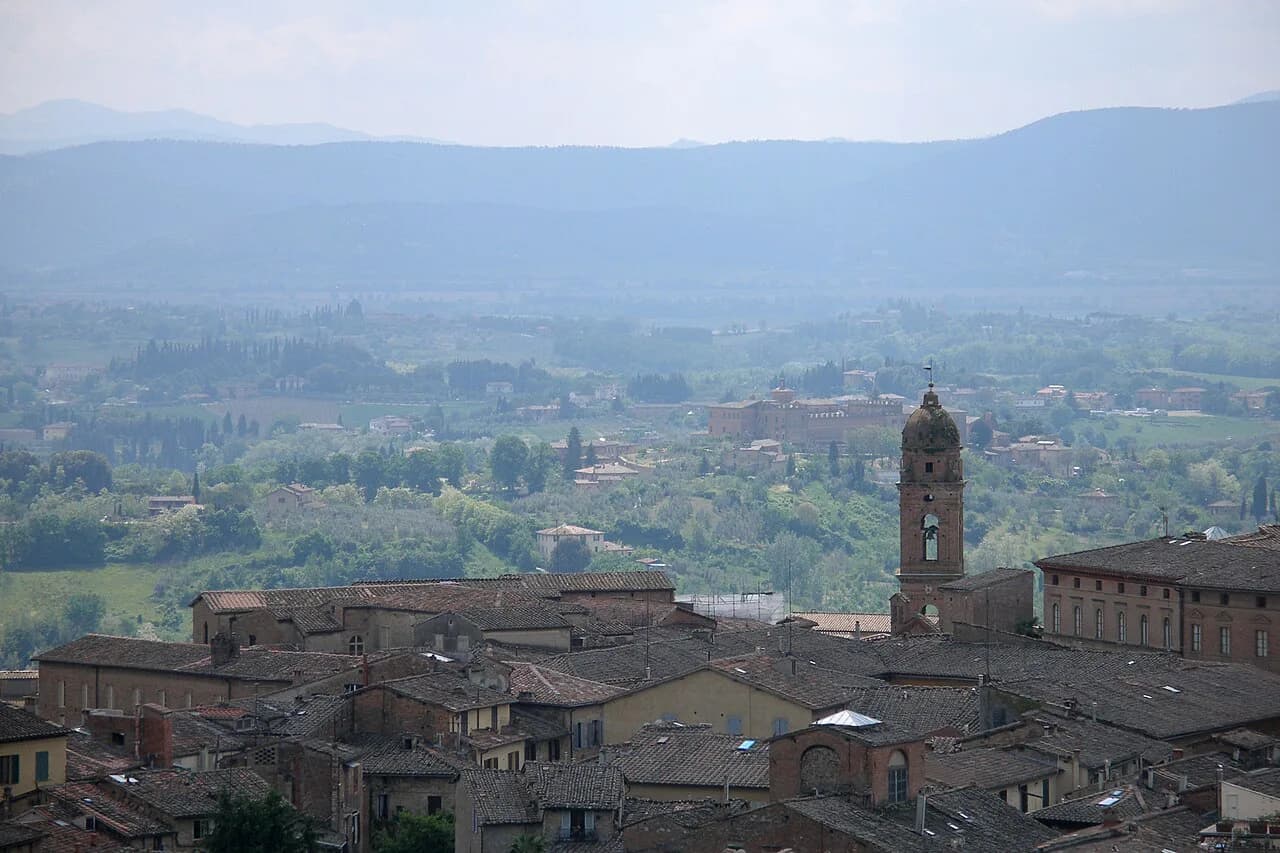
Siena works as a base because it sits between the main wine districts: Chianti Classico to the north, San Gimignano and Vernaccia to the northwest, and the Val d'Orcia with Montalcino to the southeast. From town you can string together villages into one driving or touring day, or use the city itself for an evening of tasting in enoteche. Our Siena Wine tasting guide covers the in-town options if you would rather not move hotels at all.
What Counts as a Winery Hotel in Tuscany
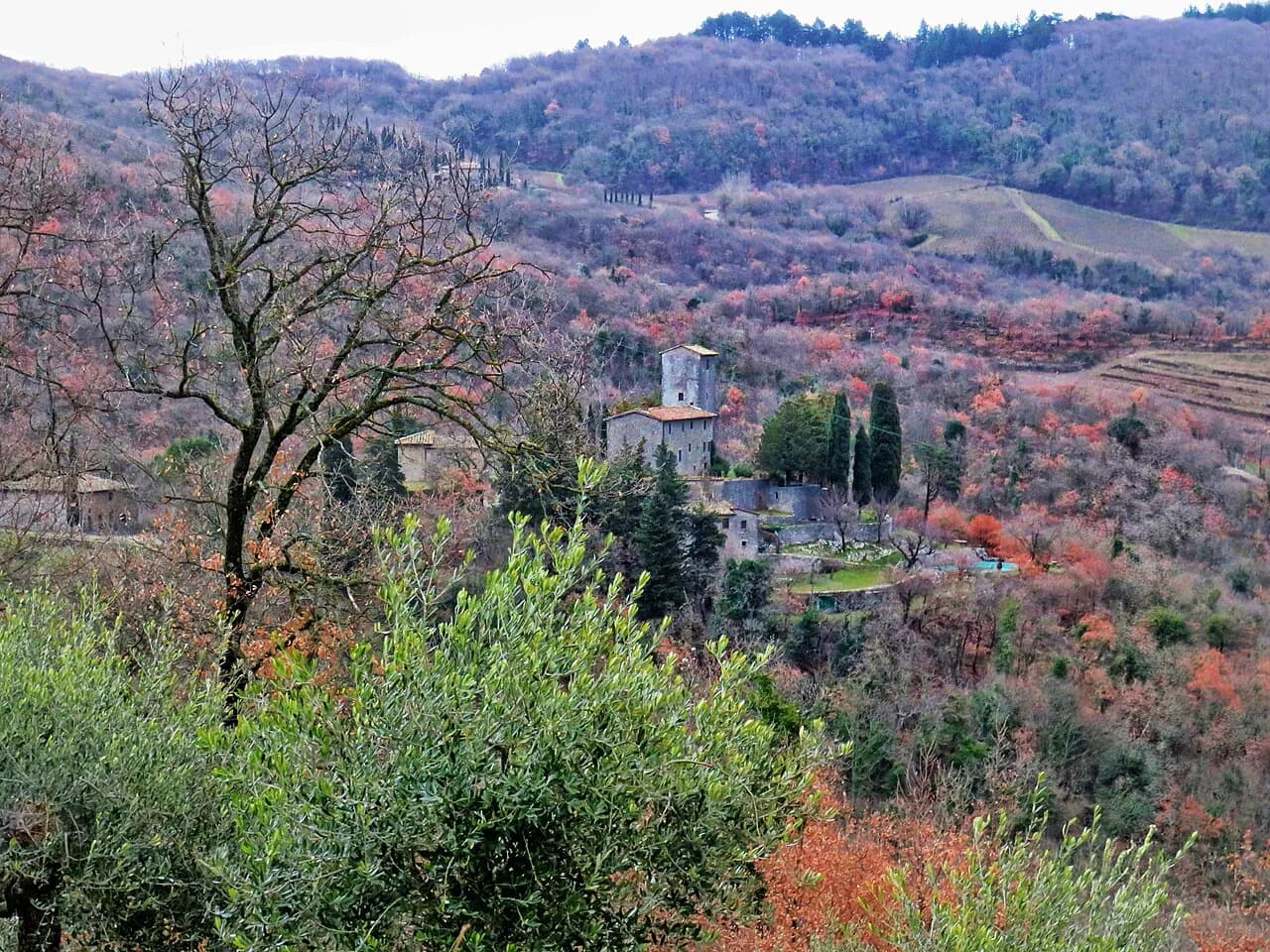
The loosest version is the agriturismo: a working farm with rooms, where a tasting is often arranged for guests rather than run as a scheduled public tour. Farmhouse stays around San Gimignano, Chianti, the Val d'Orcia and the Maremma are frequently set up this way, with local wine and food paired for guests on the property, according to a Tuscan farm-stay guide. Ask whether the tasting is included, priced separately, or simply a bottle opened at dinner.
The second version is the estate resort, where wine is part of a broader estate operation. Borgo Pignano, in the countryside near Volterra, lists a tour of the estate and wine tasting among its guest experiences alongside beekeeping, truffle hunting and cooking classes, so wine sits inside a wider activity program rather than standing alone. That model suits travelers who want one base for several days and are happy to book tastings on site.
The third version is the country hotel with a tasting setup but no commercial winery of its own. Castelfalfi, a whole-village resort spread across the hills at Montaione, runs a wine and olive oil tasting setup among more than 40 guest experiences, from archery to cooking classes. That distinction matters: you may be tasting wines selected for the hotel rather than wines made from the vines outside your window.
How the Wine Districts Lay Out Around Siena
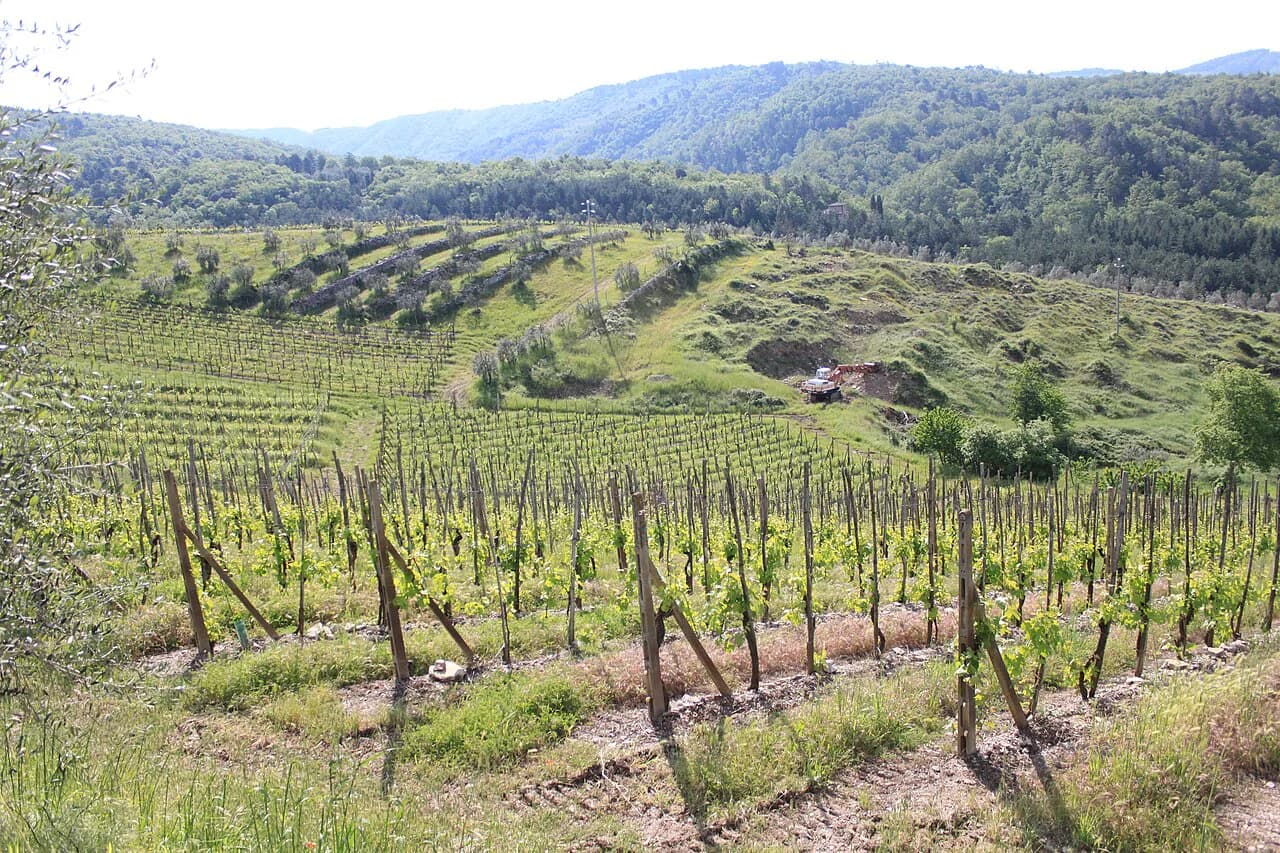
Chianti Classico begins just north of Siena and runs through Greve in Chianti, Panzano and Castellina in Chianti, a chain of hill towns linked by small roads and the classic wine route. This is the easiest district to reach for a day trip from the city, and the one where you can combine two or three village stops without long transfers.
San Gimignano sits northwest of Siena and gives its name to Vernaccia di San Gimignano, a white wine grown on the slopes below the tower-studded hill town. The appeal here is the pairing of tasting with a walkable medieval center, which makes it a sensible choice for a mixed group where not everyone wants a cellar visit.
Southeast of Siena, the Val d'Orcia holds Montalcino, home of Brunello di Montalcino, and Pienza, known for its pecorino as much as its wine. Lupaia, an estate stay at Torrita di Siena, sits within a 15-minute drive of both Montepulciano and Pienza and runs wine and olive oil tastings on site, which makes it a practical base if you want the southern districts without a daily drive from Siena.
The Etruscan Coast and the Maremma stretch toward the sea, with Bolgheri and Castagneto Carducci known for DOC wines and Scansano for Morellino di Scansano. These are the districts to choose if you want to combine vineyard visits with a coastal stay, but they are far enough from Siena that they work better as a separate leg than a day trip.
Chianti Classico Stays: Greve, Panzano and Castellina
Greve in Chianti is the natural first stop north of Siena, with a market square that anchors the village and estate stays scattered on the hills around it. La Darbia, on a hilltop above Greve, pairs suites in restored stone farmhouses with wine and olive oil tastings on the property, so you can taste without moving the car afterward.
Panzano and Castellina in Chianti are compact enough to visit on the same loop, and both have cellars and wine shops in the village center as well as estates on the surrounding roads. For a Siena-based day, pick one village for a morning tasting and one for lunch rather than trying to cover all three. If you would rather hand the driving to someone else, compare the routing options in our guide to Siena wine tours.
San Gimignano and Vernaccia: Farmhouse Stays With a Hill Town
Vernaccia di San Gimignano is the white wine to focus on here, grown in a delimited zone around the town and best understood by tasting a few side by side. Farmhouse accommodation in the area commonly arranges local wine and food tastings for guests, which means your tasting may happen where you sleep rather than at a separate cellar appointment. For cellar choices and tour formats in town, the San Gimignano wine guide covers the wineries and scheduled tastings.
The town itself is the other half of the draw: a walkable center that works well after a morning tasting, with the surrounding countryside suited to cycling and walking in the warmer months. The area is described as at its most colorful in spring, when the countryside blooms and village festivals begin, and autumn brings the harvest.
Val d'Orcia and Montalcino: Brunello Country
Montalcino is the anchor for Brunello di Montalcino, and the surrounding estates often combine a working vineyard with rooms. Rosewood Castiglion del Bosco, outside Montalcino, keeps a working vineyard on the estate, so a stay there sits inside wine country rather than beside it. Pienza, 15 minutes from Lupaia by car, adds pecorino and a compact Renaissance center to the same day.
This district rewards a slower pace: the distances between estates are short but the roads are slow, so two tastings and a long lunch is a realistic day. If Brunello is the priority, plan to stay at least one night in the area instead of driving down and back from Siena in a single day.
Where you sleep shapes the no-car question more here than anywhere else. Few estates sit on a bus line, so a stay in Montalcino town or a transfer arranged by the property is usually the workable alternative to driving. Our Siena vineyard stays guide compares agriturismo bases if you want to keep Siena as your hub.
What a Tasting Setup Usually Includes
At estate resorts, the format is typically a guided walk or cellar visit followed by a seated tasting, sometimes with olive oil alongside the wine. Borgo Pignano lists both a tour of the estate and a wine tasting as separate experiences, which suggests you should expect to choose one or book them together rather than assume a single combined package. Lupaia and La Darbia both list wine and olive oil tastings, so oil is often part of the flight in Chianti and the Val d'Orcia.
At farmhouse agriturismi, expect something less formal: a shorter flight, often poured by the owner, with local food rather than a scripted tour. Number of wines, duration and whether a cellar visit is included vary from property to property, and none of these are published uniformly. When you write to book, ask for the number of wines, the duration, whether oil or food is included, and the language of the tour.
Appointment Culture: How to Book an Estate Tasting
Tastings on Tuscan estates are generally arranged in advance rather than on a walk-in basis, and the email or phone conversation is where the details get settled. Say how many people are in your party, whether anyone is not drinking, and whether you want a cellar visit or just a seated tasting. Small parties are easier to slot in; larger groups should write earlier and expect a set format.
Harvest is the period when estate teams are busiest and visitor hours are most likely to be trimmed, so autumn bookings need more lead time than spring ones. Confirm the current details with the property directly before you commit to a deposit, and keep the confirmation email with you, since rural estates are not always easy to find on a map app.
Prices and Booking Channels: Direct Versus Platforms
Rates for estate stays, tastings and transfers are not published in any consistent way, and they shift with season and demand, so treat any figure you see as a starting point rather than a fixed cost. Book rooms directly with the property when you want the tasting bundled into the stay, because third-party booking engines rarely show the tasting element at all. For tastings alone, the property's own site or email is the reliable route.
Ask three things before you pay: what the rate includes, whether a deposit is refundable and until when, and whether a minimum stay applies at weekends or during harvest. Accommodation platforms are useful for comparing rooms and reading recent guest reports, and the Tuscan farm-stay listings show how many agriturismi cluster around San Gimignano and Chianti. Use them to shortlist, then finish the booking on the property's own channel.
Getting There Without Driving
Siena has rail and bus connections to Florence and to some Chianti villages, but estates sit on rural roads beyond the last stop, so public transport gets you to the district rather than to the cellar door. The practical pattern is a bus or train to a village such as Greve or San Gimignano, then a taxi or a pre-arranged pickup for the final stretch. Taxis in rural Tuscany are scarce, so book the return leg at the same time as the outbound one.
Guided tours solve the problem in one move: a van collects you, drives the hill roads, and handles the timing between two or three estates. The trade-off is fixed itineraries and shared groups rather than the estate you picked yourself. You can compare formats on our wine tours page, and if your group prefers its own schedule, ask the estate whether it works with a local transfer driver.
The same logic applies to tastings inside Siena, where you can walk between enoteche and never touch a car. Our Siena Wine bars guide covers that option. If you do drive, agree on a designated driver who spits rather than swallows, and use the spittoons most tasting rooms provide so nobody is guessing at their limit on a hill road.
Estate Stay or Base-Town Hotel: The Real Trade-Off
An estate stay buys you proximity: you taste, walk back to your room, and eat dinner without driving. The cost is isolation, since rural estates usually mean a set dinner on site and no easy evening in a town. It also tends to concentrate your trip on one district, which is fine for Chianti or Montalcino but less so if you want to see both.
A hotel in Siena buys flexibility: you can choose a different district each day, eat in town, and use the city's bus and rail links. The cost is time in the car or van each morning and evening, and the need to plan the return trip carefully. Travelers with three nights or fewer often do better based in Siena; a week or more rewards splitting the stay between town and one estate.
Best Timing: Spring, Summer and Harvest
Spring is described as the best time to visit Tuscany, when the countryside blooms, the festival season opens and villages hold events. The weather suits walking between village stops in Chianti, and the roads are less crowded than in high summer. Book estate tastings a few weeks ahead, since spring weekends fill first.
Summer makes the hill villages good for cycling, walking and horseback riding on the trails, but it is also when the coast draws crowds and mid-day heat pushes tastings earlier. Autumn brings the harvest, described as a nostalgic but still fascinating season for the colors it gives the landscape, and it is the period when estate teams are most stretched. Winter is quieter and some rural properties close, so ask about seasonal opening when you book.
Plan Your Siena Wine Stay
Start with the district rather than the hotel: Chianti Classico for a short day trip from Siena, San Gimignano for white wine and a walkable town, Montalcino and the Val d'Orcia for Brunello and a two-night stay, the coast for a separate leg. Then decide whether you want an estate that pours on site or a town base with tours, because that choice drives the rest of the booking.
Whichever you pick, write to the property with your dates, party size and what you want from the tasting, and confirm the current details before paying a deposit. If nobody in the group wants to drive, line up a tour or transfer at the same time as the room. For the city side of the trip, our Siena Wine tasting guide covers the enoteche and cellar visits you can reach on foot.
Frequently Asked Questions
What is a winery hotel in Tuscany?
It is usually one of three things: a farmhouse agriturismo with rooms where the owners arrange a tasting for guests, an estate resort with a dedicated tasting setup and a wider activity program, or a country hotel that runs tastings on site without making its own wine. Ask which model a property follows before booking, because it changes what is included.
Can you stay overnight at a winery in Tuscany?
Yes, at estates that combine rooms with a working vineyard or a tasting program. Rosewood Castiglion del Bosco near Montalcino keeps a working vineyard, La Darbia above Greve in Chianti and Lupaia at Torrita di Siena run wine and olive oil tastings, and Borgo Pignano near Volterra offers an estate tour and wine tasting among its guest experiences.
How far is Chianti from Siena?
Chianti Classico starts just north of Siena, with Greve in Chianti, Panzano and Castellina in Chianti linked by small hill roads. Distances between villages are short but driving is slow, so two villages and a long lunch is a realistic day rather than a rushed loop of all three.
Do Tuscan wineries require reservations for tastings?
Estate tastings are generally arranged in advance rather than on a walk-in basis. Email or call with your dates, party size, whether anyone is not drinking and whether you want a cellar visit, and confirm the format and timing for the season you are visiting, since harvest is the busiest period.
What is the difference between an agriturismo and a winery hotel?
An agriturismo is a working farm with guest rooms, where tastings are often informal and arranged for guests. A winery hotel or estate resort runs a more structured tasting program, sometimes with a cellar tour and olive oil, alongside other activities. The first is usually simpler and cheaper; the second is more predictable in format.
When is harvest season in Tuscany?
Harvest falls in autumn, described as a nostalgic season when the landscape turns and estates are at their busiest. Book tasting visits and rooms further ahead for that period, and ask whether the property limits visitor hours while picking is under way.
Can you visit Tuscan wineries without a car?
Partly. Buses and trains reach Siena and some Chianti villages, but estates sit on rural roads beyond the last stop, so you need a taxi, a pre-arranged pickup or a guided tour for the final stretch. Book the return leg in advance, since rural taxis are scarce.
What does a Tuscan winery tasting usually include?
At estates, expect a guided cellar or estate visit followed by a seated tasting, often with olive oil alongside the wine. At farmhouse agriturismi the format is shorter and more informal, sometimes with local food. Number of wines, duration and language of the tour vary by property, so ask when you book.
Sources
Notes for your next wine trip
Optional updates to our winery and wine-town guides.
You might also like
Continue reading
More guides you'll find useful