San Felice Winery Guide: Plan Your Chianti Visit from Siena
San Felice is a Chianti Classico estate and hamlet in Castelnuovo Berardenga, south of Siena. Plan a cellar visit, book ahead and get there without driving.
On this page
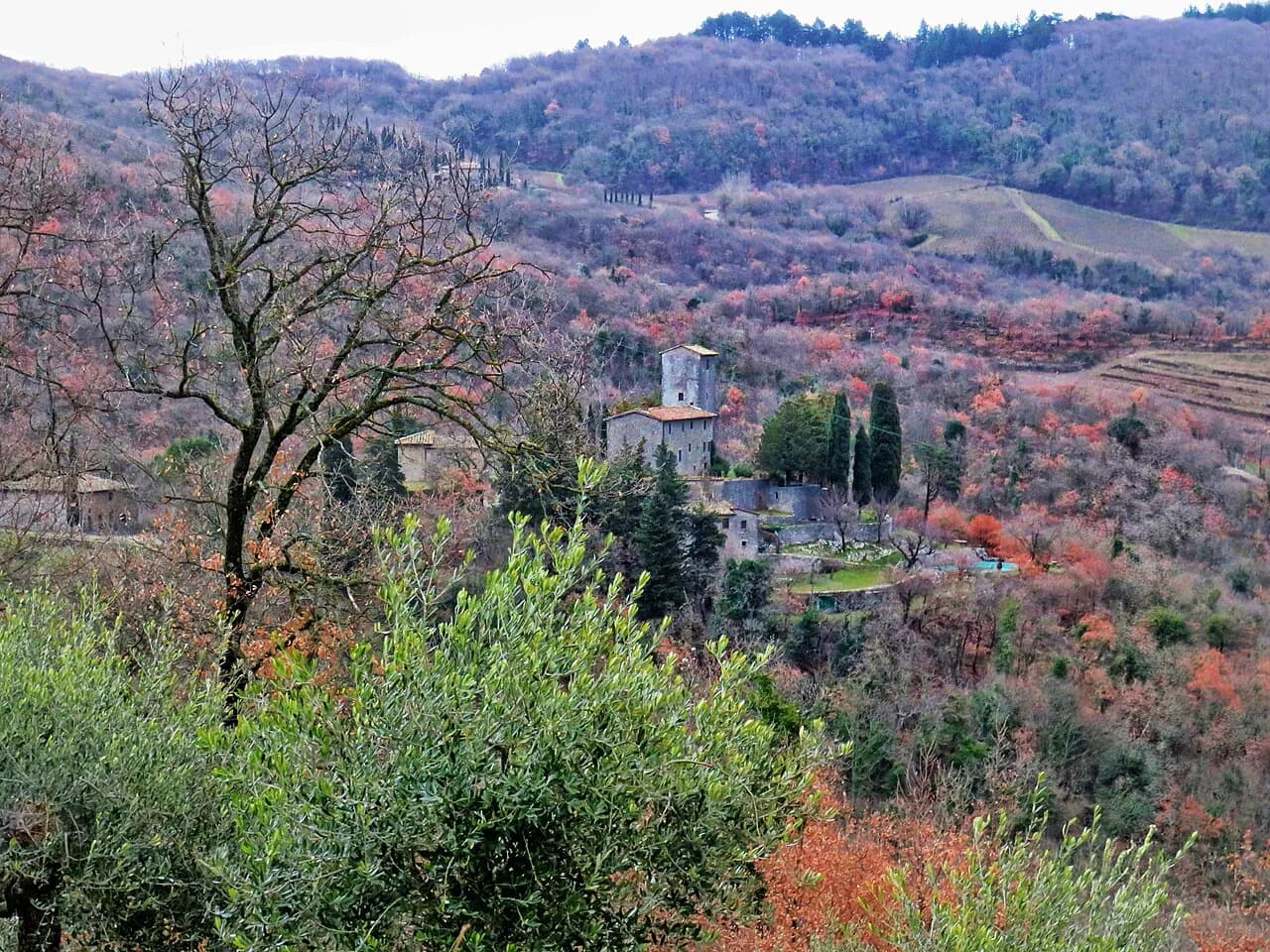
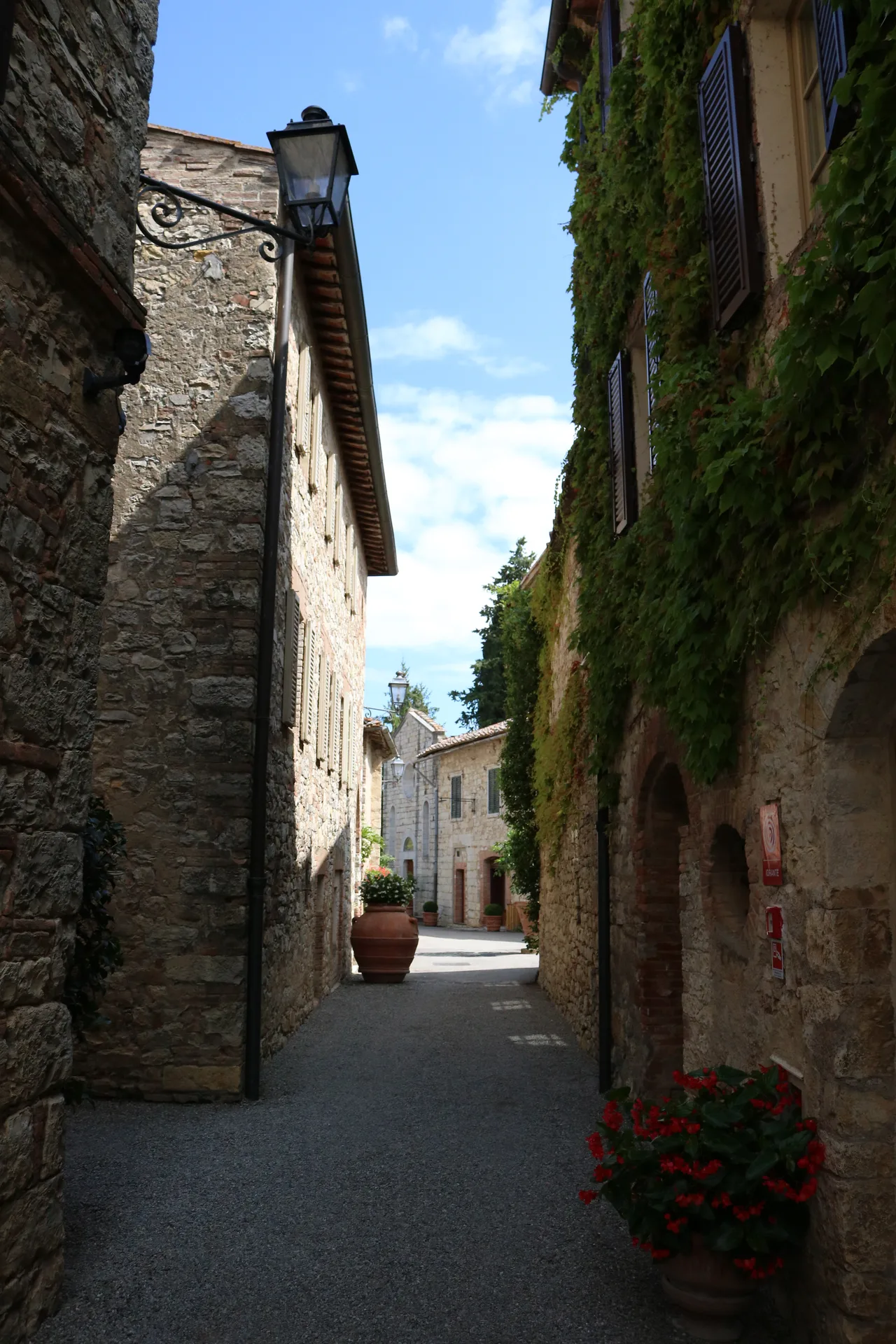
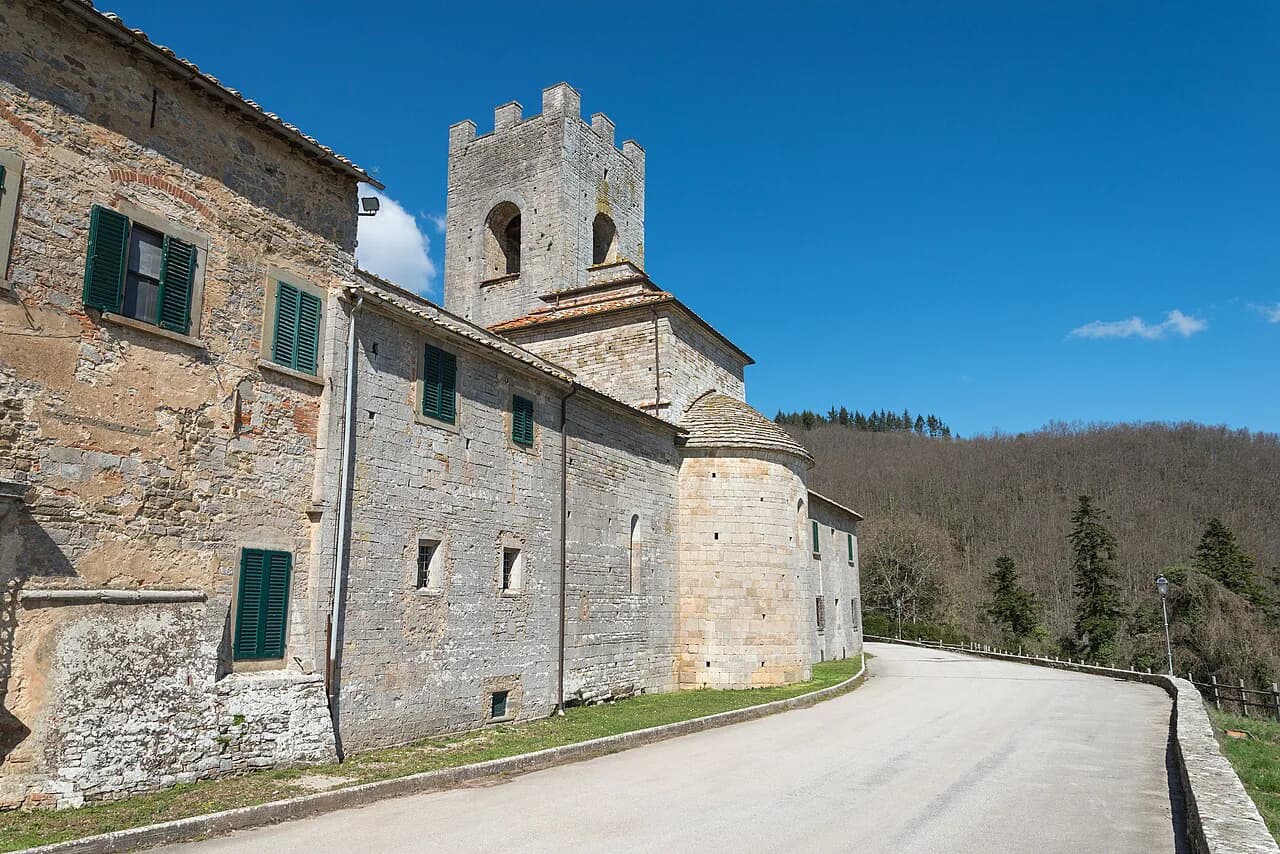
San Felice sits in the commune of Castelnuovo Berardenga, southeast of Siena, at the southern edge of the Chianti Classico zone. The place is not a single farm building with a counter: it is a walled borgo with a wine estate attached, which changes how you arrange a tasting.
This guide covers what the estate is, the wines worth knowing before you arrive, how the resort-first booking model works, and the realistic ways to get there from Siena by bus, taxi or organized tour. Prices and hours are not published where visitors would normally look, so the emphasis is on the questions that produce a firm answer.
Quick Orientation: Where San Felice Actually Is
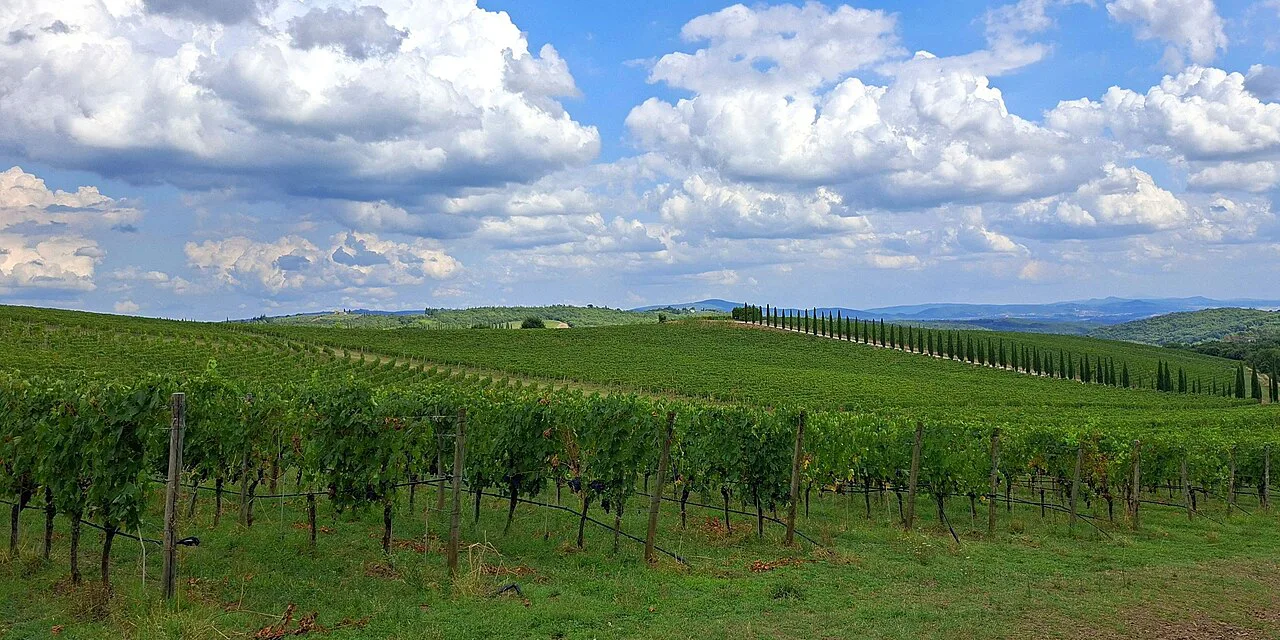
Castelnuovo Berardenga is the southernmost commune in Chianti Classico, and its vineyards sit lower and further from the historic core of the zone than Gaiole or Radda. That position makes San Felice a natural stop on a day that runs south from Siena rather than north into the classic Chianti hills.
The estate's own site gives the address as Località San Felice, Castelnuovo Berardenga, in the province of Siena, with telephone and email contacts listed for the borgo. Note the contact details from the official page rather than a map listing, since the property is large and signage inside the hamlet points to different functions.
Allow most of a half day for the trip out and back from Siena. The distance is modest, but the last stretch is rural road, and whatever transport you choose will define your schedule more than the distance does.
What San Felice Is: Scale, Ownership and the Resort Model
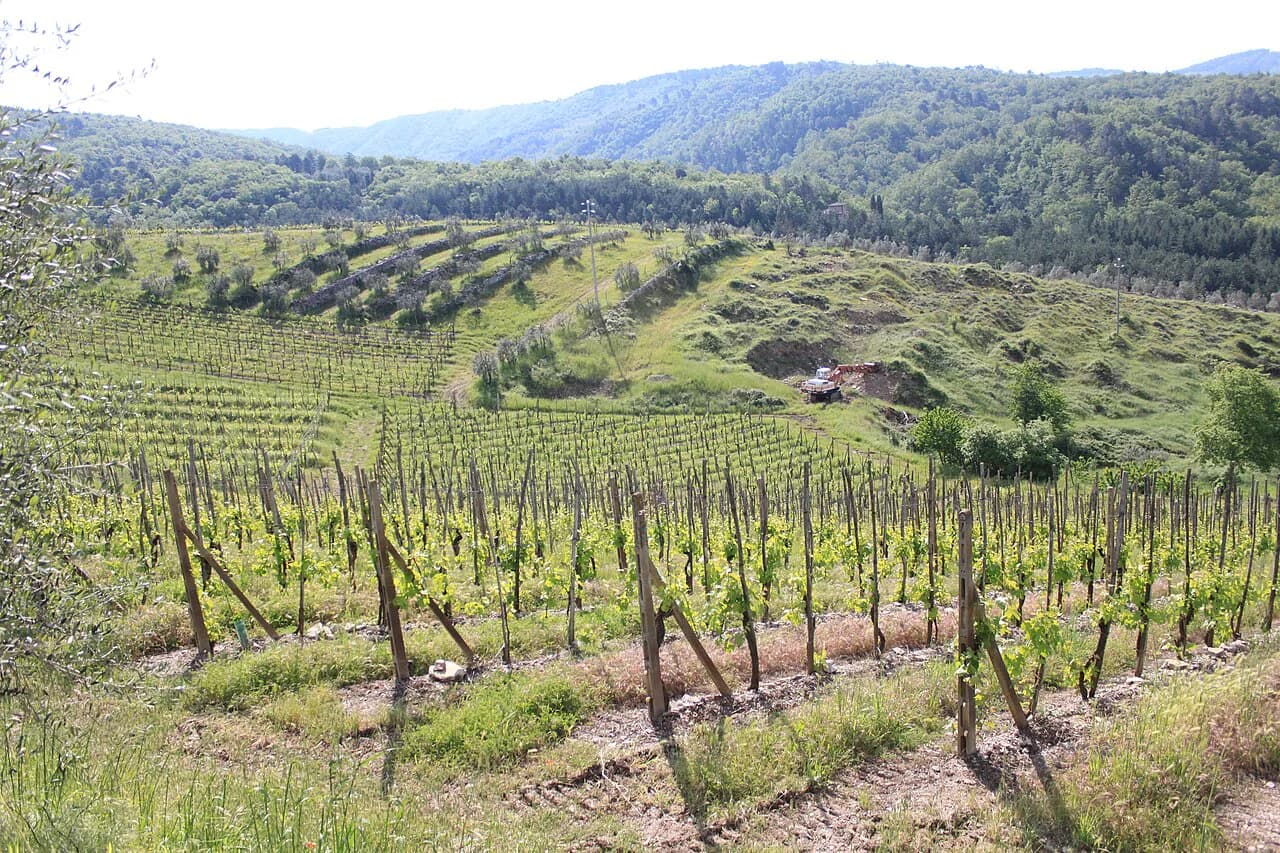
San Felice is the largest landholder in Castelnuovo Berardenga, covering more than 600 hectares with around 140 hectares of vines and over 15,000 olive trees, and the medieval borgo at its center holds 31 suites. Wine remains the core of the property even though hospitality now wraps around it.
The estate has been under the stewardship of the Allianz Group since the late 1970s, with a winemaking team that has stayed in place across decades. For a visitor this matters in a practical way: you are booking through a staffed hospitality operation, not knocking on a family farmhouse door.
That means the visit experience is packaged alongside rooms, restaurants and activities, and the official site markets stays, dining and experiences rather than publishing a stand-alone cellar-tour product with a fixed time and price. When you write or call, say plainly that you want a wine visit and ask which format is currently offered to day guests who are not staying overnight.
The Wines to Know Before You Go
Sangiovese is the backbone here, bottled as Chianti Classico, Chianti Classico Riserva and Chianti Classico Gran Selezione. The Gran Selezione from San Felice has been described as a blend built mostly on Sangiovese with small shares of lesser-known local grapes including Pugnitello, Malvasia Nera, Ciliegiolo and others, which is worth knowing if you want to compare it with a pure Sangiovese.
Vigorello is the estate's signature non-Classico wine, first bottled in 1968 and regarded as one of the earliest Super Tuscans, predating better-known names. Current blends lean on Pugnitello alongside Bordeaux varieties, and the wine is the reason many wine-focused travelers make the detour to this commune at all.
Pugnitello, an old Tuscan grape revived in recent decades, is the thread to follow if you already know Chianti Classico well and want something you will not find on most Siena wine lists. Ask at booking whether the tasting includes Vigorello or the Pugnitello-based wines, since a standard Classico lineup will not necessarily reach them.
The Two Things Called San Felice
San Felice the Chianti Classico estate is the one in Castelnuovo Berardenga, and it is the property described in this guide. The same ownership also holds a separate Brunello estate in Montalcino and a property in the Maremma, which are distinct operations with their own wines and their own access arrangements.
This is a real booking mistake in the making: a traveler searching for a San Felice tasting can end up inquiring about Montalcino, an hour or more away, or about the coastal property. Name the commune and the wine you want to taste in your first message, and the reply will land on the right estate.
Beyond the three estates, there are other Italian wine businesses with similar names, so match the address and the appellation before you commit to a date. If a listing does not say Castelnuovo Berardenga and Chianti Classico, it is not this visit.
How Visiting Works: Booking Through the Borgo
The official site presents the borgo as a place to stay, eat and explore, with a wine cellar among the on-site spaces and two restaurants, Poggio Rosso and Osteria Il Grigio. Tastings and cellar visits are arranged through that hospitality side, so the reservation desk is the right first contact rather than a separate winery switchboard.
No published tasting price, tour length, minimum party or fixed opening days for day visitors appear on the material available. Treat any number you see on a third-party resale page as unverified and ask the estate directly for the current day-visitor format, the price per person, and whether the visit includes the cellar.
Appointment culture in Chianti Classico is the norm rather than the exception, and a resort-based estate runs on a daily schedule of arrivals and departures. Write a week or more ahead in high season, give the number in your party and the language you prefer, and ask about cancellation terms at the same time you ask about the price.
Midweek slots are generally easier to secure than weekends, and the harvest weeks from September into October are the busiest stretch of the Chianti Classico calendar. If your dates fall then, book early and expect the estate's attention to be split with the cellar.
Getting There from Siena Without a Car
The Siena to Castelnuovo Berardenga corridor is served by local bus routes run under the Tuscan regional system, with the town sitting on the road southeast of Siena. Services are geared to residents and commuters rather than vineyard visitors, so the useful approach is to check the current timetable for the day you plan to travel and match it to a confirmed appointment time.
The trade-off is straightforward. A bus is cheap and removes any question about drinking and driving, but the estate sits outside the town center, and the final approach on rural roads is not a walk you want to improvise in the heat or after dark. Ask the estate what they recommend for guests arriving without a car before you fix your transport.
A taxi from Siena gives you a fixed door-to-door schedule, and the cost only makes sense if you share it across a group or combine it with a second stop. Agree the return pickup when you are dropped off, since hailing a cab in the countryside is not realistic.
For most travelers, a guided Chianti day that includes a cellar visit removes the logistics entirely, and comparing Siena wine tours is the quickest way to see which companies build a southern Chianti Classico loop. The trade-off is less flexibility and a set lineup of stops, so check whether the listed itinerary names San Felice itself before you book.
Where San Felice Fits in a Chianti Classico Day
Castelnuovo Berardenga rewards a focused day rather than a dash across the whole zone. Fèlsina and Querciavalle sit in the same commune, so a southern itinerary of two or three appointments makes geographic sense and leaves the northern villages of Gaiole and Radda for another trip. If you are weighing a second southern day, the Montepulciano wine guide covers the Nobile cellars east of here, or you could head west for wine tasting in San Gimignano.
Two tastings is a realistic maximum if you are also eating lunch, and one is plenty if you plan a cellar tour with a seated tasting. Build in slack between appointments, because rural roads in this commune are slower than the map suggests.
If you would rather keep the day in town and add a single estate outing, the broader guide to Siena Wine tasting covers city enoteche alongside the Chianti options, which helps you decide how much of your trip to spend in a car.
Staying or Eating on Site
The borgo holds 31 suites, a spa, a chapel and two restaurants, which makes it one of the few places in Chianti Classico where a tasting, a meal and a bed are all in the same walled village. For a late dinner with wine, an overnight removes the transport problem completely.
The official site lists cooking classes, e-bike itineraries through the Chianti Classico hills, and dining experiences among the activities on offer. These are the alternatives to a straight tasting if you are traveling with someone who is less interested in a structured cellar visit.
An overnight makes more sense than a day trip when you want dinner at Poggio Rosso, when your group includes non-tasters, or when your only realistic transport is a shared taxi. If you are comparing bases, Siena vineyard stays covers the alternatives around the city.
A Short Booking Script
Keep the first message short and specific: dates, number of people, whether you are staying at the borgo, and whether you want a cellar tour with the tasting or just the wines. Ask for the duration, the number of wines poured, the price per person and any food pairing included.
Add the practical questions that decide your transport: the latest start time available, whether the visit runs in English, and what they suggest for guests arriving by bus or taxi. Ask about cancellation terms in the same exchange so nothing needs a second round of emails.
If your dates fall in September or October, say so early and expect fewer choices. Outside harvest, a week or two of notice is usually workable for a small party.
Plan Your Visit
San Felice is best treated as a southern Chianti Classico destination rather than a quick stop: one confirmed appointment, one meal, and a transport plan that does not involve the person tasting driving afterward. Pair it with another Castelnuovo Berardenga estate, or take a guided day if you would rather not assemble buses and taxis. If you are tasting in the city first, Siena Wine bars is the easy way to start the evening without a car.
One last time, confirm the current visit format, price and opening days with the estate when you book, since the hospitality calendar changes with the season. Anyone driving should skip the glass or use the spittoon; a designated driver, a taxi or a tour keeps the day simple for everyone.
Frequently Asked Questions
Is San Felice winery open for tastings without an appointment?
The estate does not publish walk-in tasting hours, and the official site presents the property through its stays, restaurants and experiences rather than a fixed drop-in tasting counter. Write or call the Borgo San Felice reservation desk before your trip and ask which visit format is open to day guests, what it includes and how far ahead you need to book. Turning up unannounced is a poor use of a rural travel day.
How far is San Felice from Siena and can I get there by bus?
San Felice is in the commune of Castelnuovo Berardenga, southeast of Siena, reached by rural roads rather than a direct rail line. Local bus services run along the Siena to Castelnuovo Berardenga corridor, but they are built around residents and commuters, so check the current timetable for your date and match it to a confirmed appointment. The estate sits outside the town center, so arrange the final stretch by taxi or with the property's advice rather than a short walk.
Who owns Borgo San Felice and the San Felice wine estate?
The Chianti Classico property has been under the stewardship of the Allianz Group since the late 1970s, and the winemaking team has stayed in place over that period. That corporate ownership shows up in how you book: visits, meals and rooms run through a staffed hospitality operation rather than a family farmhouse. The same group also holds separate properties in Montalcino and the Maremma, which are different estates with their own arrangements.
What wines does San Felice make besides Chianti Classico?
Beyond Chianti Classico, Chianti Classico Riserva and Chianti Classico Gran Selezione, the estate is known for Vigorello, first bottled in 1968 and counted among the earliest Super Tuscans. Current blends lean on Pugnitello, an old Tuscan grape revived in recent decades, alongside Bordeaux varieties. Ask when you book whether the tasting reaches Vigorello or the Pugnitello-based wines, because a standard Classico lineup may stop short of them.
Is San Felice good for a wedding or a restaurant meal as well as a tasting?
The borgo holds 31 suites, a spa, a chapel and two restaurants, Poggio Rosso and Osteria Il Grigio, and the official site lists cooking classes, e-bike itineraries and dining among its activities. That mix makes it workable for a group where not everyone wants a structured cellar visit. For an event such as a wedding, contact the property directly to discuss availability and terms, since capacity and event arrangements are not published on the visitor pages.
Sources
Notes for your next wine trip
Optional updates to our winery and wine-town guides.
You might also like
Continue reading
More guides you'll find useful