Wineries in Tuscany: Best Siena Base Towns to Choose
Choose the right Tuscan wine zone and base town, see which wineries welcome visitors, and learn how to reach cellars without driving yourself.
On this page
Planning a wine day in Tuscany goes better when you pick a wine zone first and a winery second. Distances between hill towns are short on paper but slow on the ground, and a day that hops from Chianti to Montalcino burns hours in the car. Choose one zone, match it to a base town, then fill the day with two estates that welcome visitors.
This guide organizes the region's visitable wineries by appellation and by the town that serves them best, with booking routes and non-driving options for each. It covers Chianti Classico, Brunello di Montalcino, Vino Nobile di Montepulciano, Vernaccia di San Gimignano, Carmignano and Bolgheri, and it flags where a small-group tour solves problems that independent travel creates.
Why the Zone Matters More Than the Winery List
Tuscany's wine country is a patchwork of legally defined appellations, each with its own grape rules and its own hill towns. Chianti Classico sits between Florence and Siena, Montalcino lies south of Siena, Montepulciano sits east of Montalcino, and San Gimignano is northwest of Siena toward Florence. A list of famous estates scattered across all of these is useless for planning a single day.
Most visitable estates are small family operations that open their tasting rooms around appointments rather than fixed public hours. That means your day's shape depends on which slots you can secure, not on which wineries you would rank most highly. Book the two estates that anchor your day before anything else.
Treat any itinerary that strings together three or more zones as a multi-day trip, not a day trip. Two estates in one zone, with a leisurely lunch between them, generally delivers more than four rushed stops.
How Tuscany's Visitable Wine Zones Break Down
Chianti Classico is the most accessible zone for travelers based in Siena or Florence, with the Greve–Panzano–Gaiole–Radda corridor holding the densest cluster of estates that receive visitors. Brunello di Montalcino, made entirely from Sangiovese around the hill town of Montalcino, rewards a dedicated day because its estates sit on the slopes surrounding one town. Vino Nobile di Montepulciano, another Sangiovese-based appellation, centers on a town whose historic cellars sit directly beneath the streets.
San Gimignano's Vernaccia is Tuscany's best-known white wine, made from the Vernaccia grape on slopes around the tower town, a good fit for travelers staying near Siena or Florence. Carmignano, west of Florence, has a long history of blending Cabernet into Sangiovese and is often overlooked by first-time visitors. Bolgheri, on the coast south of Livorno, is the home of the Super Tuscan style built on Bordeaux varieties, and it requires a coastal base or a long day from the interior.
If Siena is your base, the wine bars and enoteche in town give you a low-commitment way to sample across zones before you commit a day to one of them. See Siena Wine Bars and Enoteche for orientation on where to taste in the evening.
Matching Base Town to Zone
Siena is the strongest single base for Chianti Classico and Montalcino together, because it sits between the two and has frequent connections onward. Greve in Chianti, deep inside the Classico zone, puts you within minutes of several estates and makes a two-winery day possible without long transfers. Montalcino and Montepulciano each suit a night or two in town if Brunello or Vino Nobile is your priority, and if Vernaccia is the goal, wine tasting in San Gimignano works as an easy day from the same base.
Florence works best as a tour hub rather than a self-drive base. Operators run day tours from the city into Chianti, Montalcino, Montepulciano and San Gimignano, which removes the logistics problem for travelers without a car. That is the main alternative to building your own day from a smaller base town.
Chianti Classico in Practice
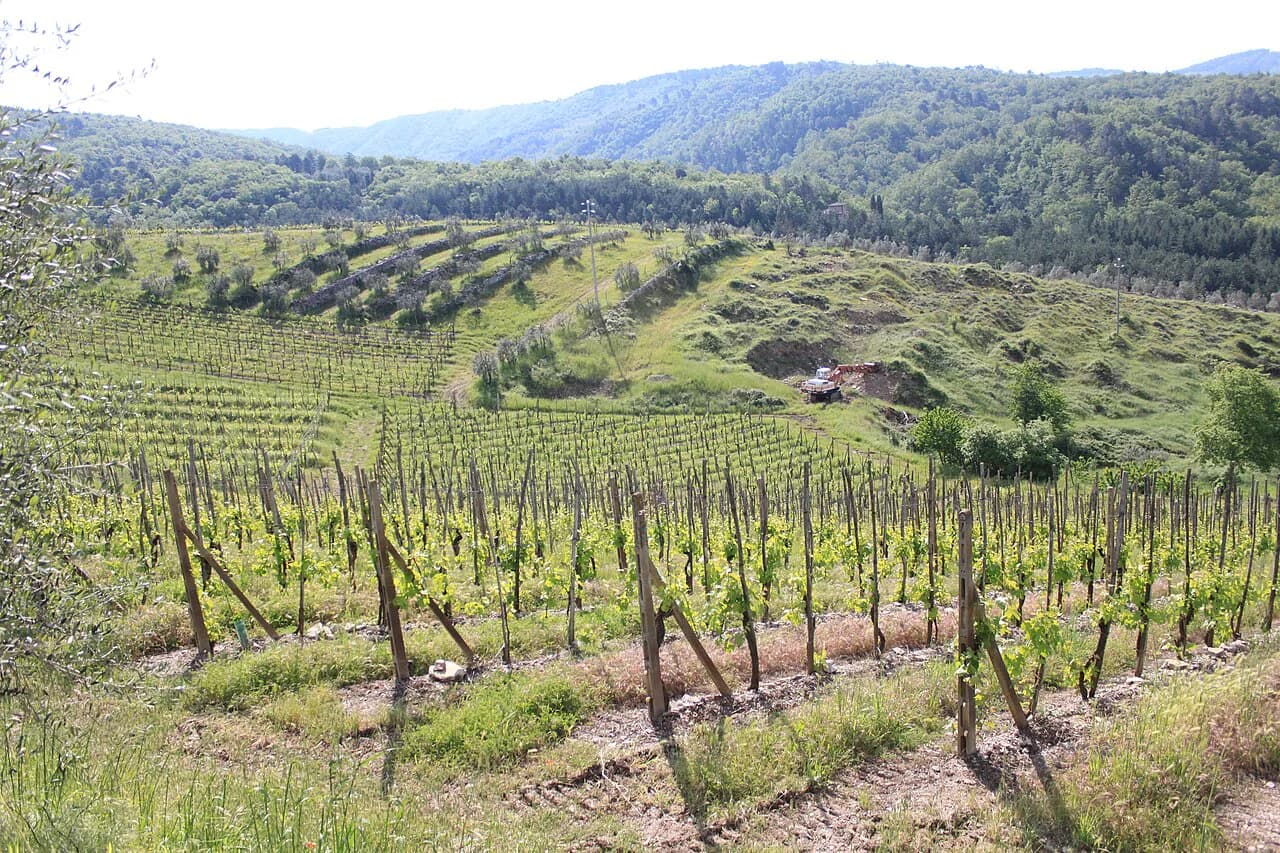
The Classico heartland runs from Greve south through Panzano to Radda and Gaiole, a corridor of vineyard-covered hills dotted with small estates and a few large castle properties. The two types of property deliver very different experiences. Small family estates tend to offer personal tastings, often with the owner or a family member guiding, while castle estates offer polished visitor facilities, larger groups and a broader range of tour formats.
Appointment culture is the norm rather than the exception in this corridor. When you write to an estate, tell them your party size, your preferred day, and whether you want a cellar tour or tasting only, since some properties offer both as separate products. Midweek slots are usually easier to secure than weekend ones, and harvest in early autumn is when many small estates are least available.
The Siena wine tours available from the city give travelers who would rather not arrange the logistics themselves a way to reach two or three Chianti estates in a single day with transport included.
Named Chianti Wineries That Receive Visitors
Podere Campriano sits above Greve in Chianti and combines a small winery with an agriturismo; visitors can join a hands-on cooking class that includes a tasting of four Chianti Classico wines and a tour of the winery. Montefioralle Winery is a short distance from Greve in the medieval hamlet of Montefioralle, and one published account describes a 75-minute late afternoon tour and tasting of four wines, including two Chianti Classicos. Both are family-scale properties where the tasting format is worth confirming when you request a date.
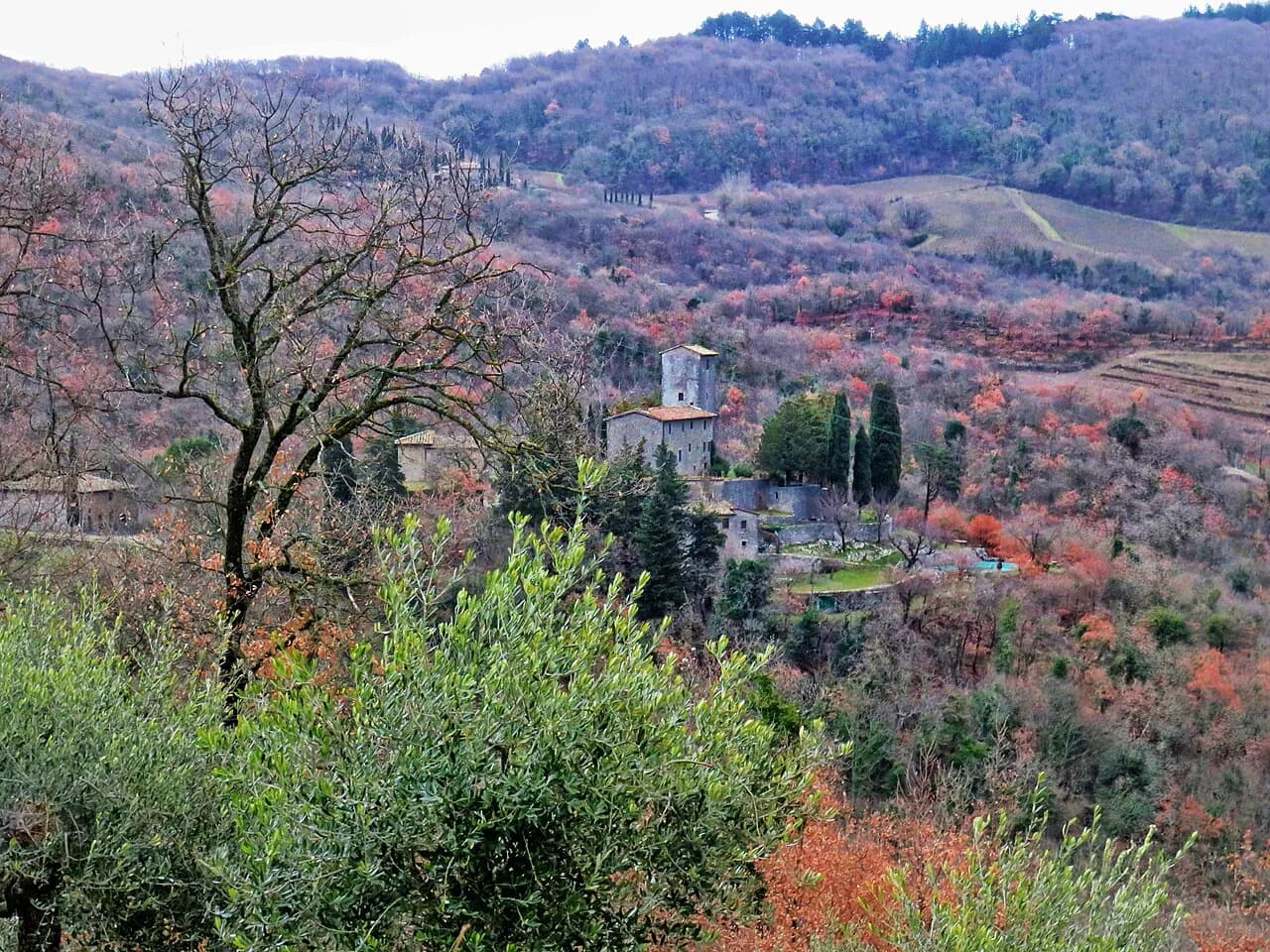
Ricasoli at Brolio Castle, near Gaiole in Chianti, is the large-scale counterpoint, with a wine history the property traces back many centuries. One published account describes a 45-minute tasting held in the Limonaia, a modern bar area with vineyard views, and notes that the same visit did not include the castle interior; a longer classic tour covers both the winery and the castle. Tenuta Casanova, in the countryside at Castellina in Chianti, requires a reservation and runs a one-hour tasting in which the owner guides visitors through the cellar and pours wines alongside balsamic vinegar and olive oil.
Montalcino: Brunello Appointments and What to Expect
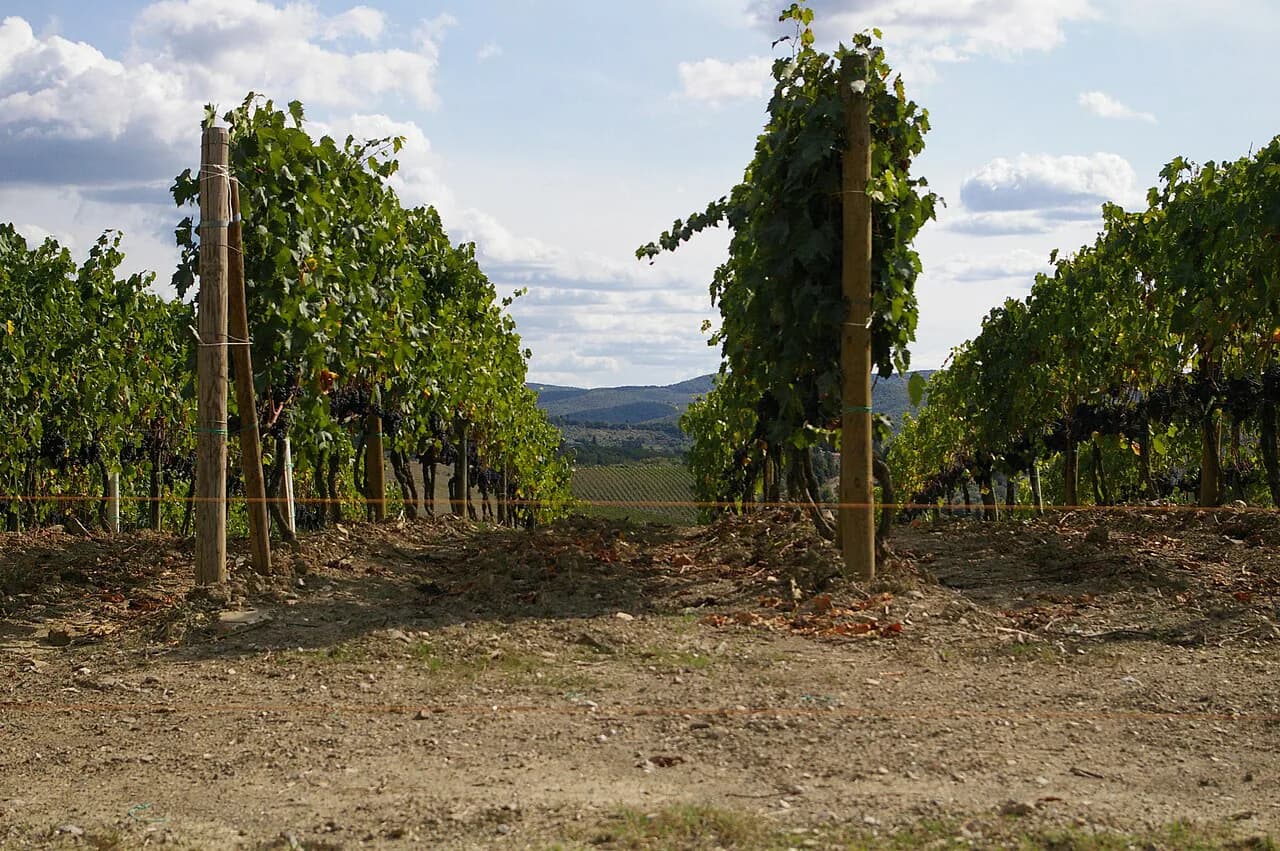
Brunello di Montalcino is a demanding wine to produce and the estates that welcome visitors tend to run structured visits rather than casual drop-ins. A typical visit combines a walk through the cellars with a guided flight that moves from younger wines up to the flagship Brunello. Because the appellation centers on a single hill town, two estates in a day is realistic if you plan around their fixed tour times.
Ciacci Piccolomini d'Aragona, on the slopes outside Montalcino, is one example of an estate that receives visitors. One published account describes a 90-minute winery tour and tasting of four wines including two Brunellos, with pours served in a private tasting room and time afterward to walk the grounds. That format is a useful benchmark when you ask other Montalcino estates what their standard visit includes.
Montepulciano: The Underground Cellar Town
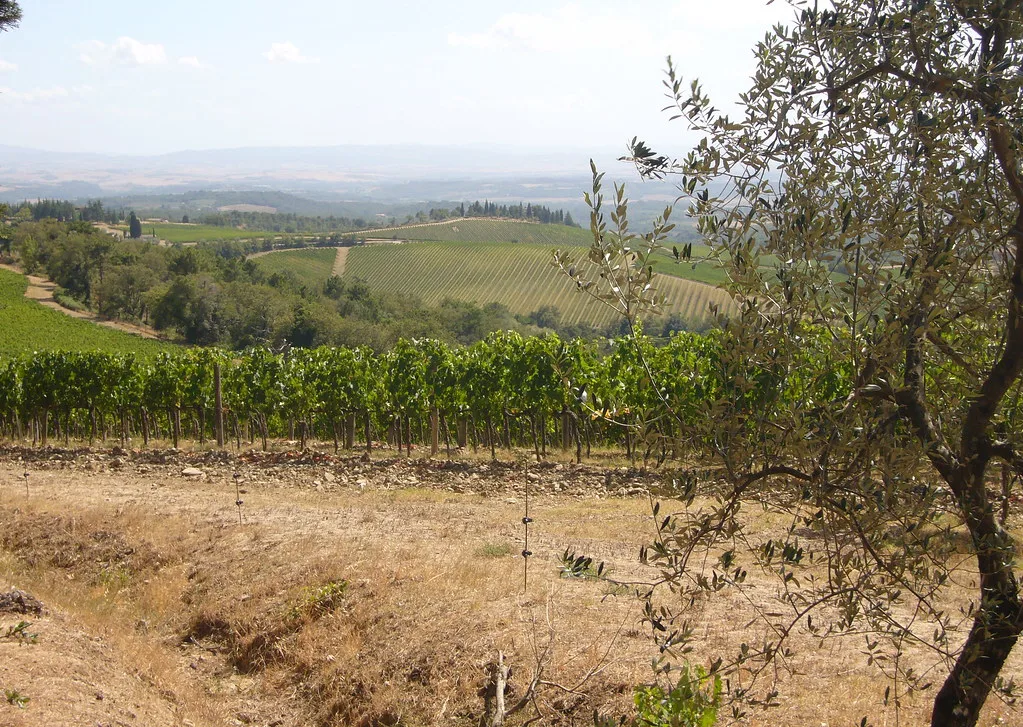
Montepulciano's historic center is built above a network of cellars, and several producers in town welcome visitors below street level. That layout makes the town unusual in Tuscany: you can taste Vino Nobile di Montepulciano without leaving the center. De'Ricci Cantine Storiche is one such property, and one published account of a 75-minute cellar tour and tasting of six wines includes a Vino Nobile and a Rosso di Montepulciano.
The wine styles follow the appellation. Vino Nobile di Montepulciano is Sangiovese-based, aged longer and structured for cellaring, while Rosso di Montepulciano comes from the same grape with less aging and a fresher profile. Tasting both side by side is the clearest way to understand the difference. If you want to round out the day in town, the Siena wine tasting guide covers the wider appellation picture for the province.
San Gimignano, Carmignano and Bolgheri
San Gimignano's Vernaccia vineyards surround the tower town, making a half-day visit easy to combine with a town walk. The wine is the region's signature white, and the estates that receive visitors often pair a tasting with a vineyard stroll. If traveling from Florence, the tour operators' San Gimignano itineraries typically include a family-run white-wine estate, town time and a second stop for lunch.
Carmignano, west of Florence, is a smaller appellation that has long included Cabernet Sauvignon in its blends alongside Sangiovese. It suits travelers who have already seen Chianti and want a quieter zone, and the estates that welcome visitors are generally reachable on a day trip from Florence. Bolgheri, on the coast, is the farthest of these zones from Siena and requires either a coastal base or a dedicated touring day, but its Bordeaux-variety wines are the reason many travelers make the detour.
What Tastings Actually Include
A Tuscan tasting varies widely in format. A short visit may be 45 minutes of guided pours in a modern tasting room, while a full visit combines a cellar tour, a walk through the vineyards and a flight of wines over 90 minutes or more. Some properties add a cooking class, olive oil tasting or lunch. When you write to book, ask specifically what the visit includes so you are not surprised on the day.
Large tour operator day trips usually bundle two or three winery visits, lunch and transport into a single booking. Grape Tours, for example, describes its small-group days from Florence as limited to eight guests, with round-trip transport in air-conditioned vans and a fixed start time.
Prices, Schedules and How to Read a Tour Page
Winery-direct tasting prices are not uniformly published, and they change with the season and the format. The most reliable approach is to look at the winery's own website for a tour page with a listed price, and if none appears, ask for the price in writing when you request your booking slot. That saves an awkward moment on arrival.
Tour operator prices are easier to compare because they publish a from-price and a stated duration. Grape Tours lists its small-group Chianti days from €210 per person and its elite Brunello and Nobile di Montepulciano days from €295, with stated durations and maximum group sizes of eight. Those figures are a useful reference when weighing a tour against independent travel.
How to Book a Winery Visit
Small Tuscan estates usually take bookings by website form, email or phone, and many ask for a minimum party of two. Put your party size, preferred day and time window, and the experience you want in the first message, and mention any dietary needs if lunch or a food pairing is involved. Expect a reply in a day or two, and be prepared to choose between the slots they offer.
Harvest time in early autumn is when estate teams are most stretched, so book earlier than you would in spring or winter. If you are visiting in October, try to confirm bookings several weeks ahead, and keep at least one flexible winery in reserve in case a slot falls through. Confirming current details with the winery when you book is the one check worth making on every trip.
Getting There Without Driving
Tuscany's rail network connects Florence and Siena, and regional trains cover a scattering of smaller Chianti stations, but the final stretch to most estates is difficult without a car. Local buses link the main towns on set schedules, and taxis are available in Siena, Greve and Montalcino, though long taxi transfers are expensive and should be booked in advance. Renting a bike is a genuine option in the Greve and Panzano area if you are comfortable with the hills.
For many travelers, the cleanest solution is a small-group tour from Florence, which removes the transport problem entirely and includes the winery bookings. The trade-off is a fixed itinerary: you see the estates the tour company partners with, on their schedule, and you trade flexibility for convenience. Independent travel gives you a wider choice of estates, but only if you can arrange the driving or line up taxis.
Siena works well as a base for non-drivers because the city has rail connections and a compact center with wine bars. The wineries in Siena page covers producers closer to the city, which can supplement a day spent deeper in Chianti.
Structured Tours Versus Going Alone
A tour's main value lies in the appointment problem it solves: you get winery access, transport and lunch in a single booking, and you do not spend your holiday hours coordinating all three. The price reflects that convenience. Going alone costs less per person on the day if you drive, but the hidden costs are car rental, fuel, parking and the time you spend chasing responses from estates.
If you go the independent route, pick two estates close enough to share a base town and treat the rest of the day as open rather than cramming in extra stops. That approach is what makes the Greve–Panzano corridor so useful for a base town like Siena.
Cooking Class Plus Tasting as a Half-Day Option
If you would rather do one winery thoroughly than three quickly, a cooking class with a tasting built in is worth considering. Podere Campriano, above Greve in Chianti, runs this kind of format, with a tasting of four Chianti Classico wines woven through the cooking and a winery tour partway through. It is a good option for travelers who want a slower day than a three-estate circuit.
The trade-off is that a class takes a half day or more, so it replaces rather than supplements a winery itinerary. If you have only one wine day in the region, decide whether you want depth in one place or breadth across several. For travelers interested in Siena's own producers, the wine tasting guide to the province is a useful companion to planning.
Practical Timing and Grouping Villages
Harvest in Tuscany generally falls in September and early October, and it is the most atmospheric time to visit, though estate teams are busiest then. Late spring and early summer are a good balance of weather, availability and open tasting-room hours, and winter is quiet with fewer appointments available. Midweek visits are generally easier to arrange than weekend ones.
Group your day by proximity rather than by ambition. Greve in Chianti pairs naturally with Montefioralle and Panzano, Gaiole with Radda, and Montalcino with its own hill town. Two estates in a day is realistic; four is not, unless you are on a structured tour designed that way.
Plan Your Tuscan Wine Day
Start with one zone and one base town, then book two estates that welcome visitors and are within a short drive or taxi ride of each other. Confirm the tasting format, the price and the timing in writing, and leave the third stop open so your day has room to breathe.
If you are not driving, choose a small-group tour from Florence or build the day around taxis and public transport from Siena. A driver should not taste at all: spittoons, a designated driver, a tour or public transport all solve that problem. Never let the wine day compromise the drive home.
Frequently Asked Questions
Do Tuscan wineries require advance booking?
Many small estates in Chianti, Montalcino and Montepulciano work by appointment, so write ahead with your party size and preferred day. A few larger properties take drop-in tasters, but confirming before you travel is the safer approach.
How many wineries should I visit in one day in Tuscany?
Two estates in a single zone is a comfortable pace. Adding a third usually means cutting short the time you spend at each, and a fourth is only realistic on a structured tour where transport and timing are handled for you.
Can I visit Tuscan wineries without a car?
Yes, if you base yourself in Siena or Florence. Siena has rail connections and wine bars for evening tastings, while small-group tours from Florence include transport and the winery bookings, and taxis can cover the final stretch if you book in advance.
What is the famous wine of Tuscany?
Chianti Classico and Brunello di Montalcino are the best-known reds, both based on Sangiovese. Vino Nobile di Montepulciano, Vernaccia di San Gimignano, Carmignano and Bolgheri's Bordeaux-variety wines round out the main visitable appellations.
What is included in a Tuscan winery tasting?
It depends on the estate. A short visit may be a guided flight in a tasting room, while a longer one adds a cellar tour, a vineyard walk, olive oil or balsamic tasting, or lunch. Check the specific format and duration when you book.
When is harvest season in Tuscany?
Harvest generally falls in September and early October, though the exact dates vary by grape and weather. That is the busiest time for estates, so book well ahead if you plan to visit then.
Should I take a tour or go independently?
A tour solves the booking and transport problem in a single purchase and suits non-drivers. Independent travel gives you a wider choice of estates and usually a lower per-person cost if you drive.
Sources
Notes for your next wine trip
Optional updates to our winery and wine-town guides.
You might also like
Continue reading
More guides you'll find useful